Cuba Plunged Into Nationwide Blackout as Energy Crisis Deepens Amid Ongoing U.S. Pressure
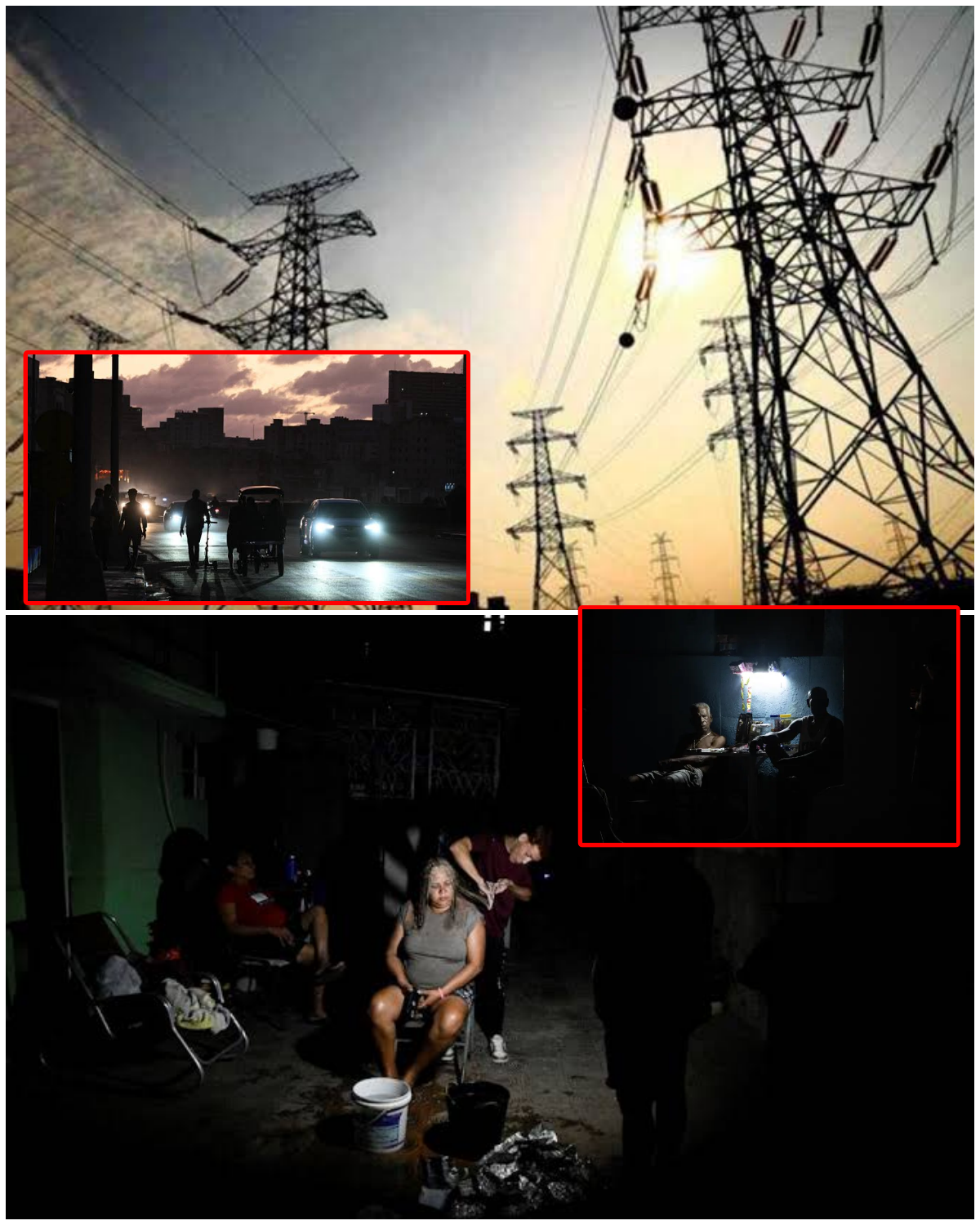
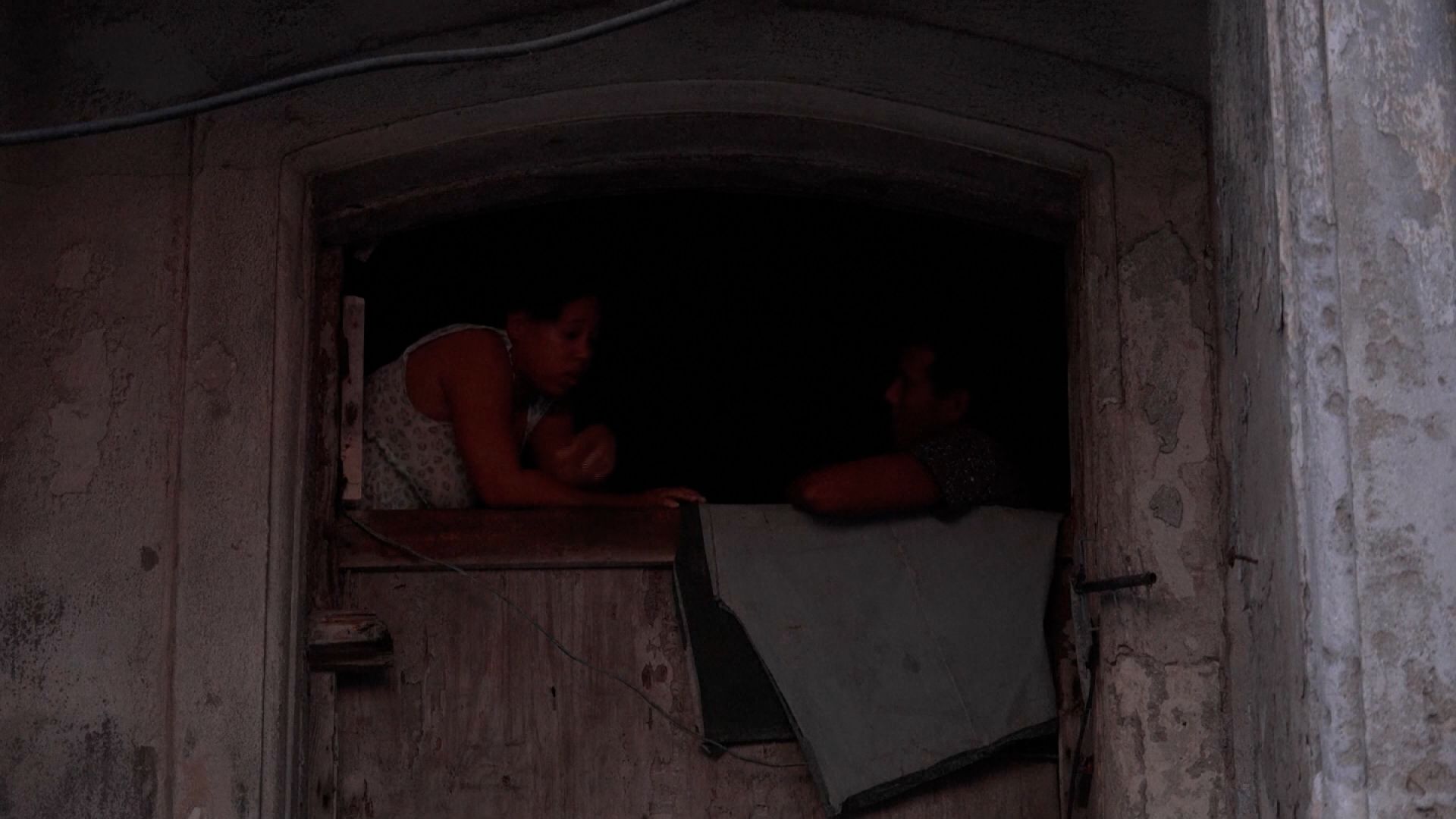
Cuba experienced another nationwide blackout this week after its national power grid collapsed, leaving millions of residents without electricity and highlighting the island’s deepening energy crisis.
Officials say emergency crews immediately began working to restore power, while the government pointed to longstanding fuel shortages and mounting economic pressure as key factors behind the country’s continuing struggles.
Although electricity gradually returned to parts of the island the following day, the latest outage underscored the fragile state of Cuba’s aging energy infrastructure.
National Grid Suffers Total Collapse
According to Cuba’s Ministry of Energy and Mines, the country’s electrical system experienced a complete failure on Monday, causing a nationwide blackout.
Energy Minister Vicente de la O Levy said technicians quickly launched emergency procedures to begin restoring service.
Authorities activated a network of emergency “microsystems” designed to provide electricity to essential facilities, helping maintain critical public services while engineers worked to stabilize the national grid.
By Tuesday, electricity had begun returning to several areas.
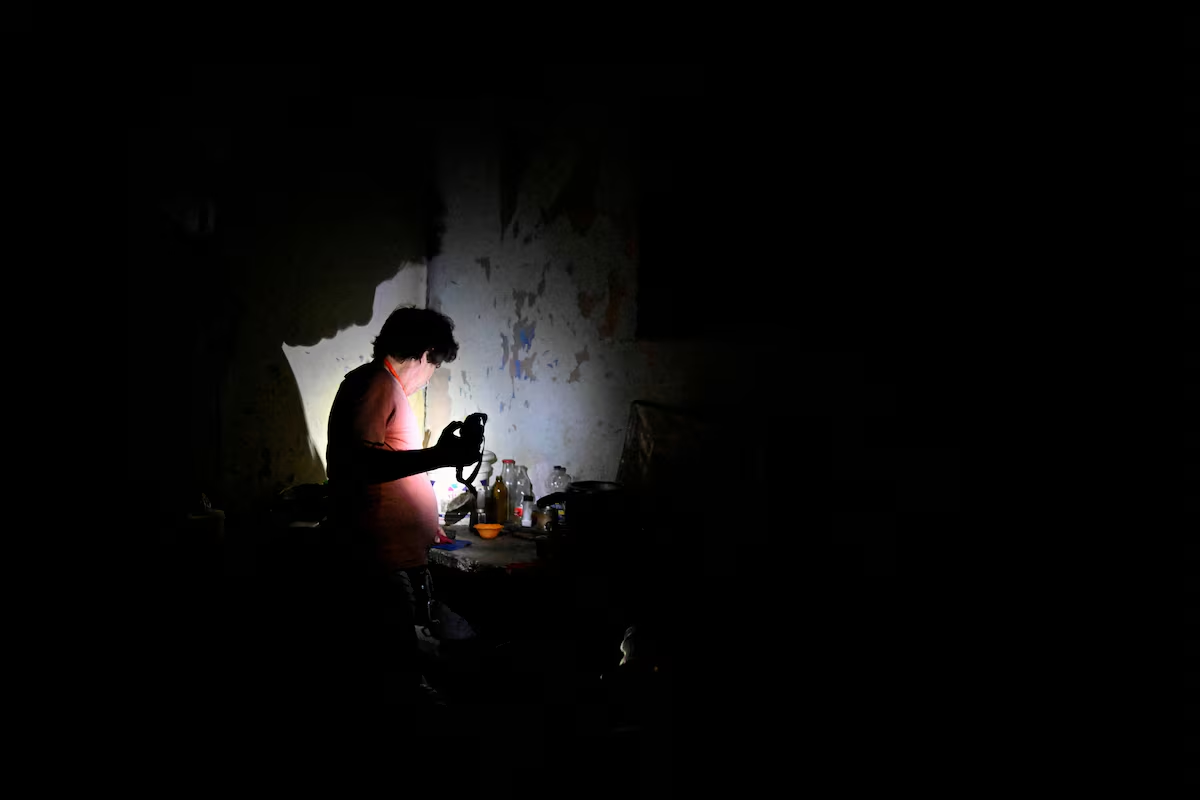
Officials reported that approximately one-third of Havana’s power supply had already been restored, while repair efforts continued across the country.
Investigators are still working to determine the exact cause of the system failure.
An Ongoing Energy Crisis
The latest blackout is not an isolated incident.
Over the past several years, Cuba has experienced multiple nationwide power failures as its aging electrical infrastructure has struggled to keep pace with growing demand and limited fuel supplies.
Earlier this year alone, the country suffered several major outages.
In March, Cuba experienced at least two nationwide blackouts within a single week, raising concerns about the long-term stability of its energy system.
Fuel Shortages Add Pressure
Cuban officials say the country’s electricity crisis has become significantly more severe because of fuel shortages.
According to the government, oil imports have declined after the United States pressured Cuba’s primary suppliers to halt fuel shipments to the island.
President Miguel Díaz-Canel publicly criticized U.S. policy following the blackout, arguing that restrictions on fuel imports are intended to increase economic pressure on Cuba.
In a message shared on social media, the president accused Washington of attempting to create social unrest by restricting access to essential energy supplies.
Daily Life Continues to Be Affected
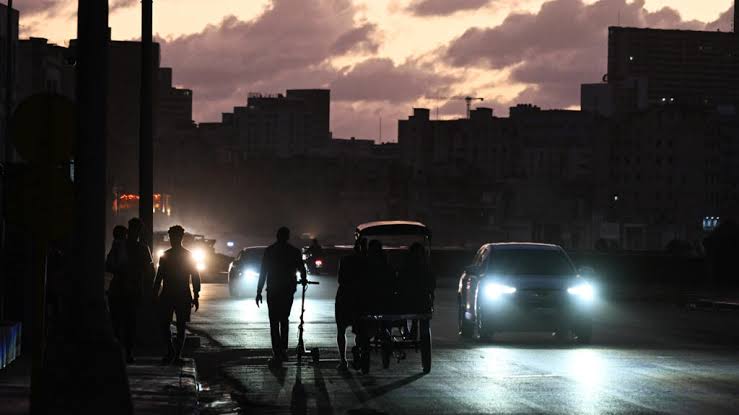
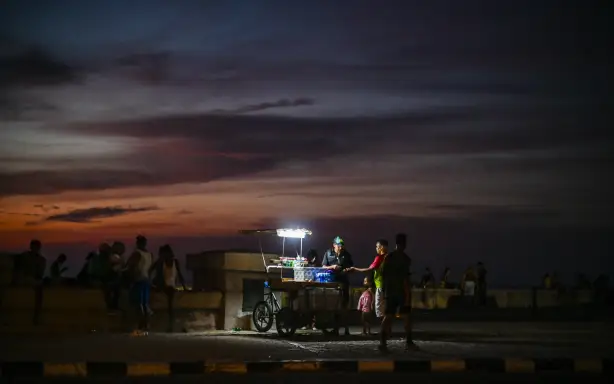
The prolonged energy shortage has had widespread consequences for ordinary Cubans.
Frequent blackouts have disrupted schools, public transportation, healthcare services, and the distribution of medicines throughout the country.
The broader economy has also been affected.
Cuban officials say additional U.S. sanctions have further limited economic activity and contributed to a decline in international tourism, one of the island’s most important sources of income.
Different Views on U.S. Policy
The United States maintains that its economic measures are intended to encourage political and economic reforms within Cuba.
According to U.S. officials, the sanctions are designed to pressure the Cuban government to expand economic openness and allow greater foreign investment.
Cuban leaders reject that explanation.
Government officials argue that the restrictions have primarily harmed ordinary citizens by limiting access to fuel, financial resources, and other essential supplies.
Economic Reforms Continue
Despite the difficult economic conditions, Cuba recently approved a broad package of economic reforms through its National Assembly.
The measures are intended to expand economic opportunities and modernize parts of the country’s economy.
Cuba’s Minister of Foreign Trade has stated that the reforms were developed independently and were not adopted in response to international pressure.
The U.S. State Department, however, described the reforms as limited in scope and questioned whether they represented meaningful change.
Diplomatic Contacts Continue
Even as political disagreements persist, communication between the two countries has continued.
In recent weeks, officials from both governments have participated in several high-level meetings.
These discussions included visits involving senior intelligence and military officials from both sides.
At the same time, tensions remain over broader security concerns.
The United States has accused Cuba of allowing foreign intelligence activities linked to Russia and China on the island.
Cuban authorities have denied those allegations.
Humanitarian Concerns Remain
Cuba’s worsening economic situation continues to raise humanitarian concerns.
When asked about the challenges facing the country’s population, Cuba’s Minister of Foreign Trade and Investment, Oscar Pérez-Oliva Fraga, accused the United States of imposing collective punishment through its policies.
He argued that the continuing economic restrictions have had severe consequences for the Cuban people.
Meanwhile, authorities remain focused on restoring electricity nationwide while investigators determine what caused the latest collapse of the power grid.
As repair efforts continue, the blackout serves as another reminder of the complex combination of aging infrastructure, fuel shortages, economic hardship, and geopolitical tensions that continue to shape daily life across Cuba.
Source: edition.cnn