Doctors Said Her Symptoms Were “Attention-Seeking” — The Next Day, Her Mom Learned She Had an Incurable Brain Tumor
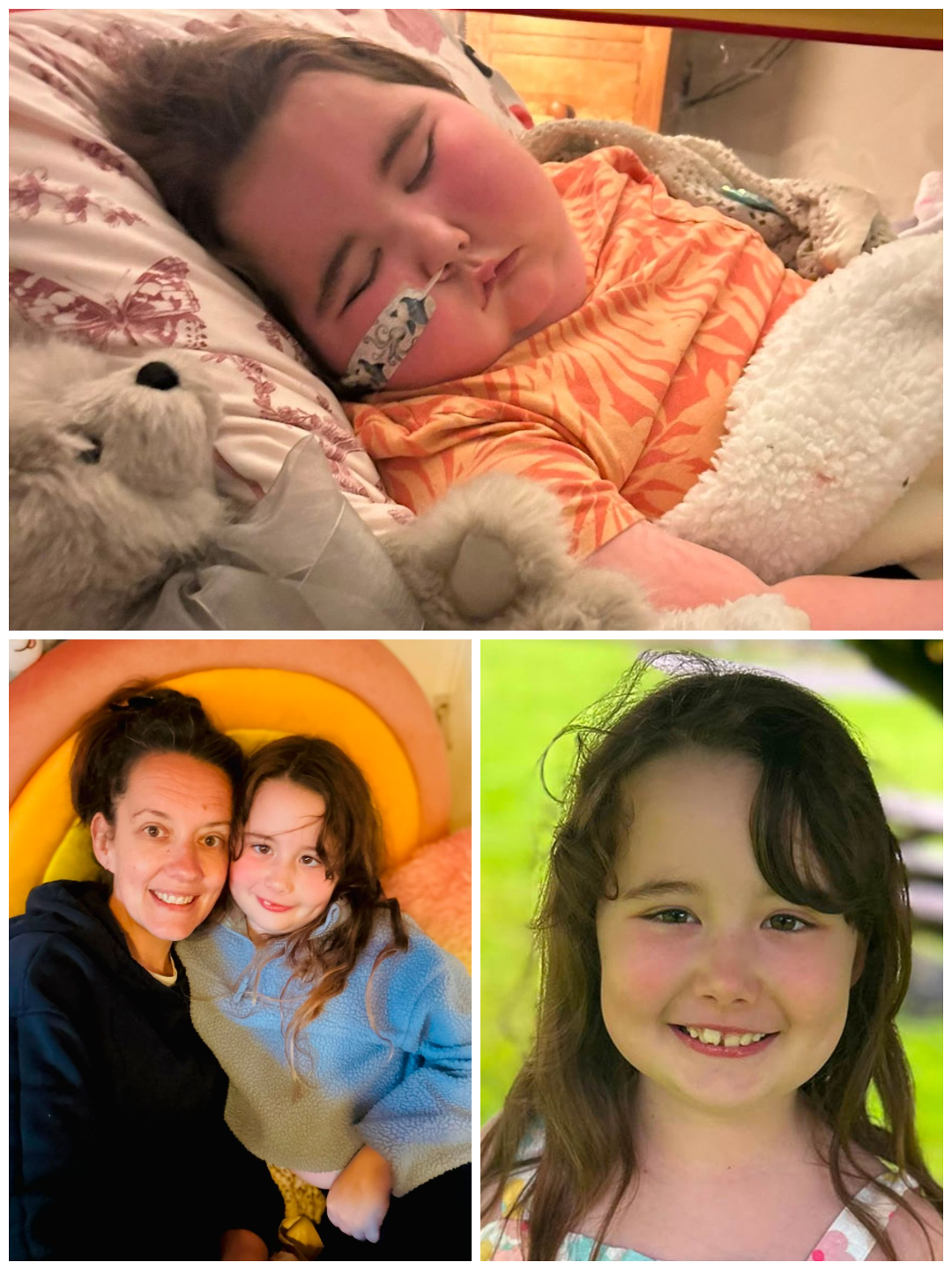
When seven-year-old Harlyn Rose Hawke arrived at the emergency department in June 2024, her mother, Jennifer Lees, already knew something was seriously wrong.
Harlyn was no longer the active little girl who loved swimming and gymnastics. She was struggling to walk. Her speech had become slurred. She was losing strength on the right side of her body, suffering headaches and feeling sick in the mornings.
Yet after an ECG and an observation of Harlyn walking along a hospital corridor, Jennifer says she was initially told they could go home. According to her, the symptoms were described as possible “attention-seeking behaviour.”
Jennifer refused to leave.
That decision led to a CT scan, an ambulance transfer to a specialist children’s hospital and, within hours, the news every parent fears: Harlyn had an incurable tumor growing in her brain stem.
Doctors initially believed she might have only two to four weeks left.
The Warning Signs Had Begun Months Earlier
For Jennifer, from Cornwall, the diagnosis was especially painful because Harlyn’s problems had not appeared overnight.
Looking back, she believed the first warning signs could be traced to August 2023, almost a year before her daughter was diagnosed.
Harlyn had previously received treatment for a squint. After being discharged from that care, however, one of her eyes suddenly began turning dramatically inward again. Jennifer tried contacting eye clinics and even sought help elsewhere when obtaining appointments proved difficult.
Eventually, a locum optician working at an Asda store took the problem seriously enough to refer Harlyn back to the hospital.
But the eye problem was only the beginning.
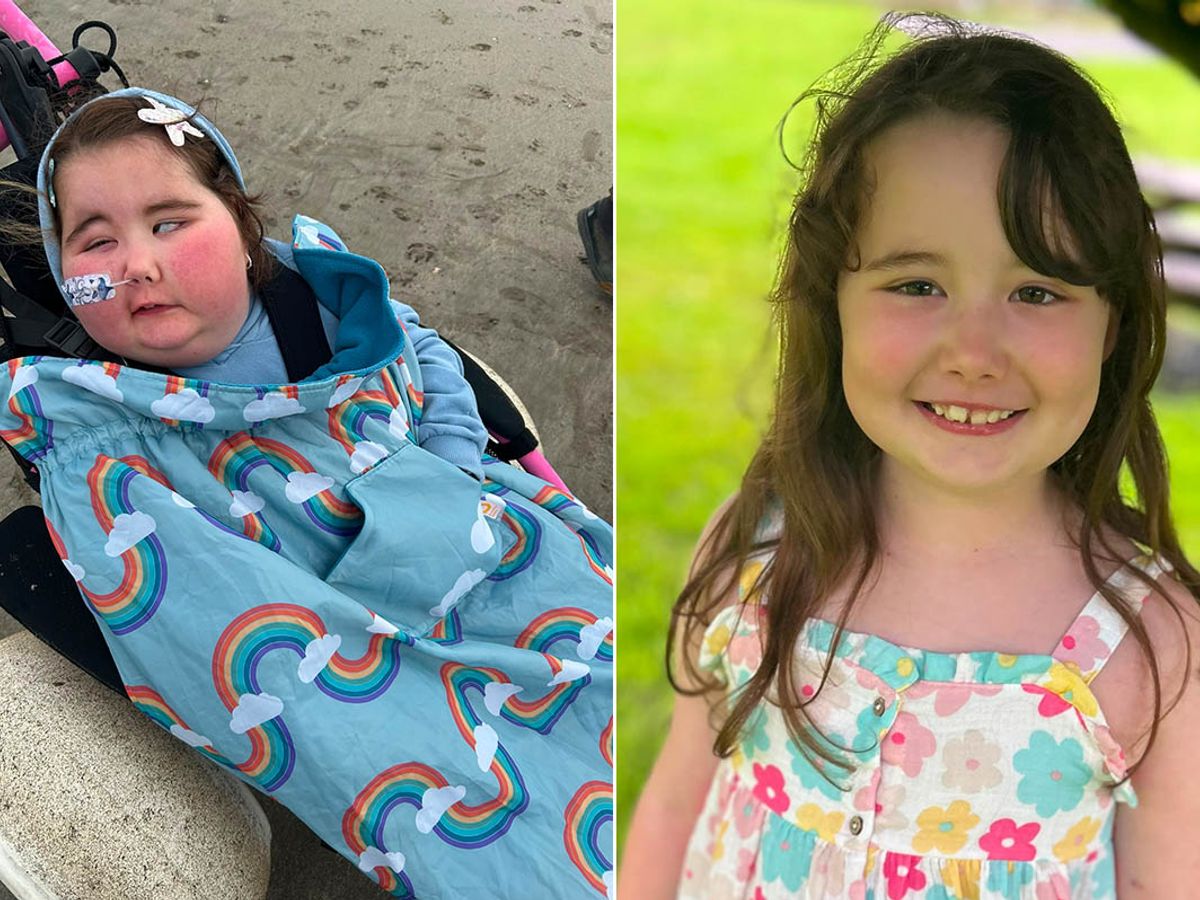
Over the months that followed, Harlyn’s physical abilities deteriorated. A child who had once enjoyed gymnastics and swimming began becoming increasingly unstable on her feet. Her words became less clear. The strength on the right side of her body faded.
Jennifer later compared her daughter’s condition to what someone might look like after suffering a stroke.
At times, Harlyn could only stand by pulling herself up using the sofa. Her right side would give way beneath her. Headaches became another concern, as did the nausea she experienced repeatedly in the mornings.
For Jennifer, the collection of symptoms increasingly suggested that something far more serious was happening.
A Mother Refused to Go Home
As Harlyn’s condition worsened rapidly in June 2024, Jennifer tried to arrange an urgent appointment with a doctor.
She says the appointment offered was nearly two weeks away.
She then contacted NHS 111. After waiting around six hours for a return call, Jennifer decided she could no longer wait and took Harlyn directly to A&E.
At the hospital, Jennifer says an ECG was performed and staff watched Harlyn walk along the corridor. She was then told they were satisfied for her daughter to leave.
Jennifer disagreed.
She insisted that Harlyn be assessed by the pediatric team before they went anywhere.
That persistence changed everything.
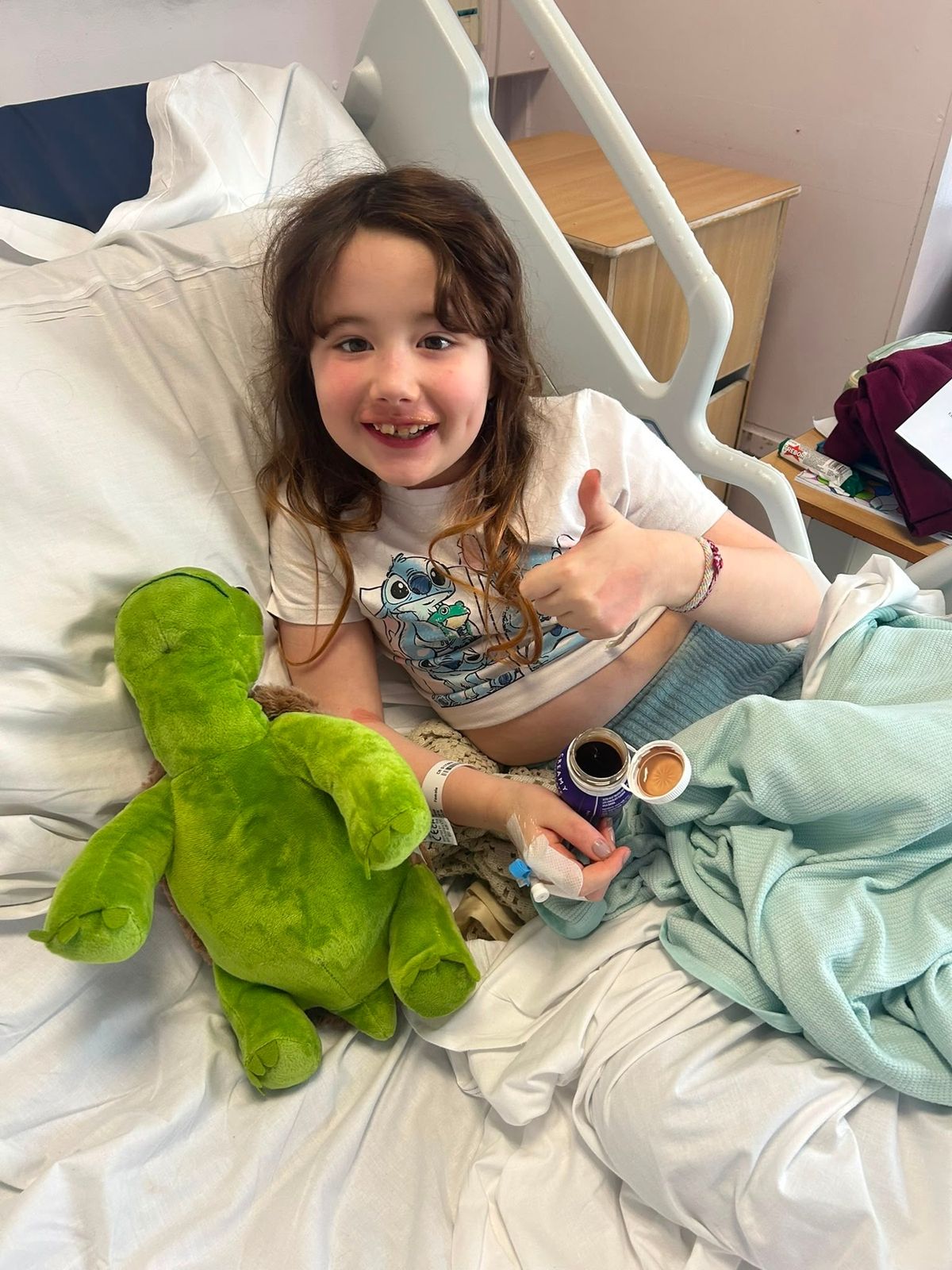
According to Jennifer, the pediatric doctor recognized the seriousness of Harlyn’s condition and arranged a CT scan. Jennifer could tell from the reactions around her that the scan had revealed something concerning.
The following morning, Harlyn was transported by ambulance from Royal Cornwall Hospital to Bristol Children’s Hospital.
There, an MRI provided the devastating answer.
Harlyn had diffuse intrinsic pontine glioma, known as DIPG, a fast-growing cancer located in the brain stem. In her case, doctors told Jennifer there was no curative treatment available.
The initial outlook was terrifyingly short.
Jennifer was told her daughter might have only two to four weeks to live.
She immediately began calling relatives, asking them to come to the hospital because the family believed they might be preparing to say goodbye.
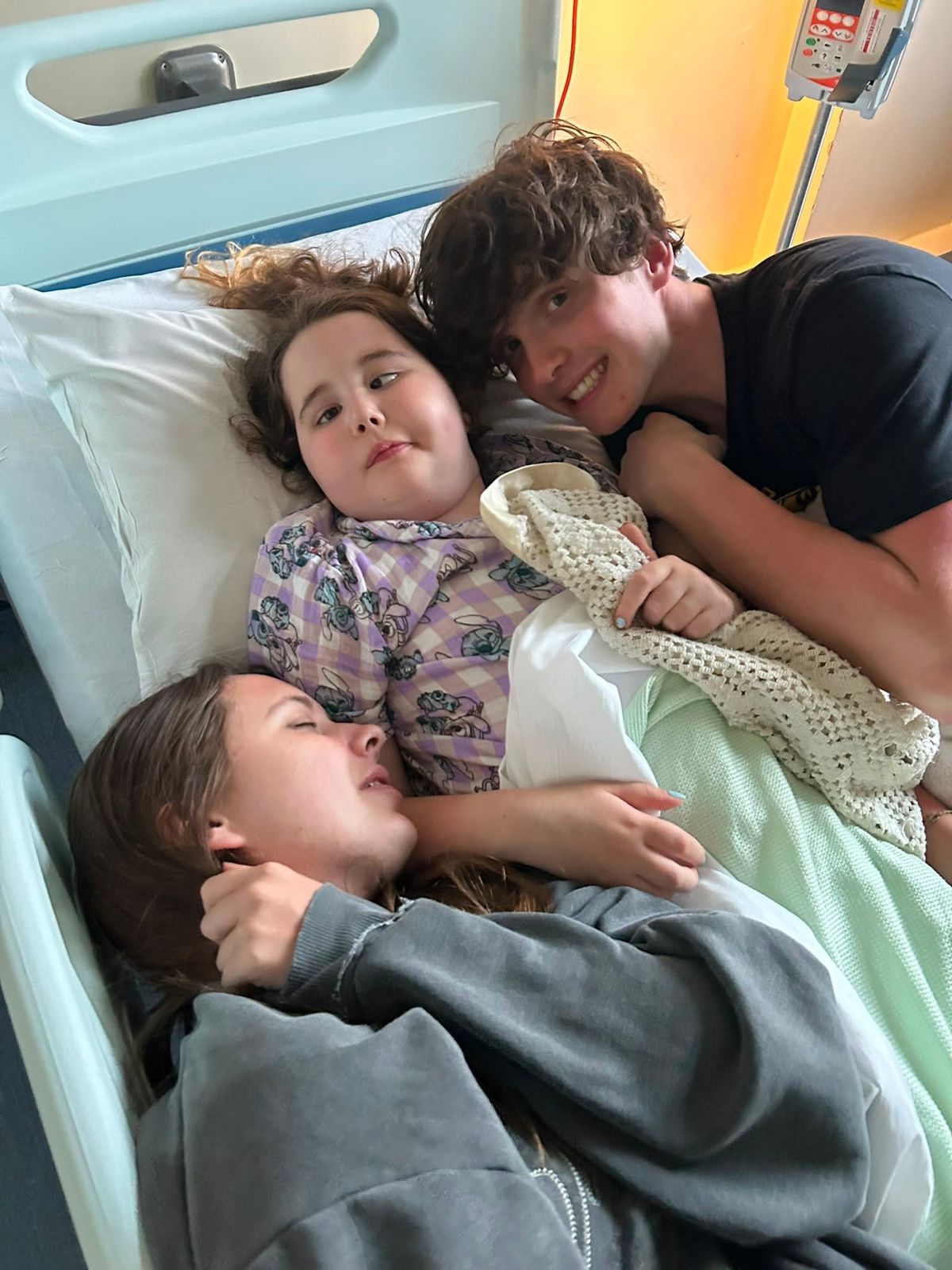
Two to Four Weeks Became 17 Months
What happened next gave the family something they desperately needed: more time.
Harlyn responded extremely well to steroids. Her condition improved enough for doctors to offer a short course of radiotherapy designed to control symptoms and extend the time she had.
She later became one of the first children to receive an experimental drug that Jennifer believes also contributed to prolonging her life.
The little girl who had initially been given only weeks survived another 17 months.
For Jennifer and her family, every additional day mattered.
They had seen other children with the same diagnosis die sooner, making Harlyn’s continued survival feel especially precious.
Jennifer eventually stopped working to care for her daughter full-time, and the family relocated closer to Bristol Children’s Hospital as Harlyn required increasing medical support.
The disease continued to take its toll.
In May 2025, Harlyn suffered a stroke that left her dependent on a wheelchair.
But her family continued trying to fill her remaining time with experiences and memories — precisely the kind of time Jennifer wishes they had known to prioritize much earlier.
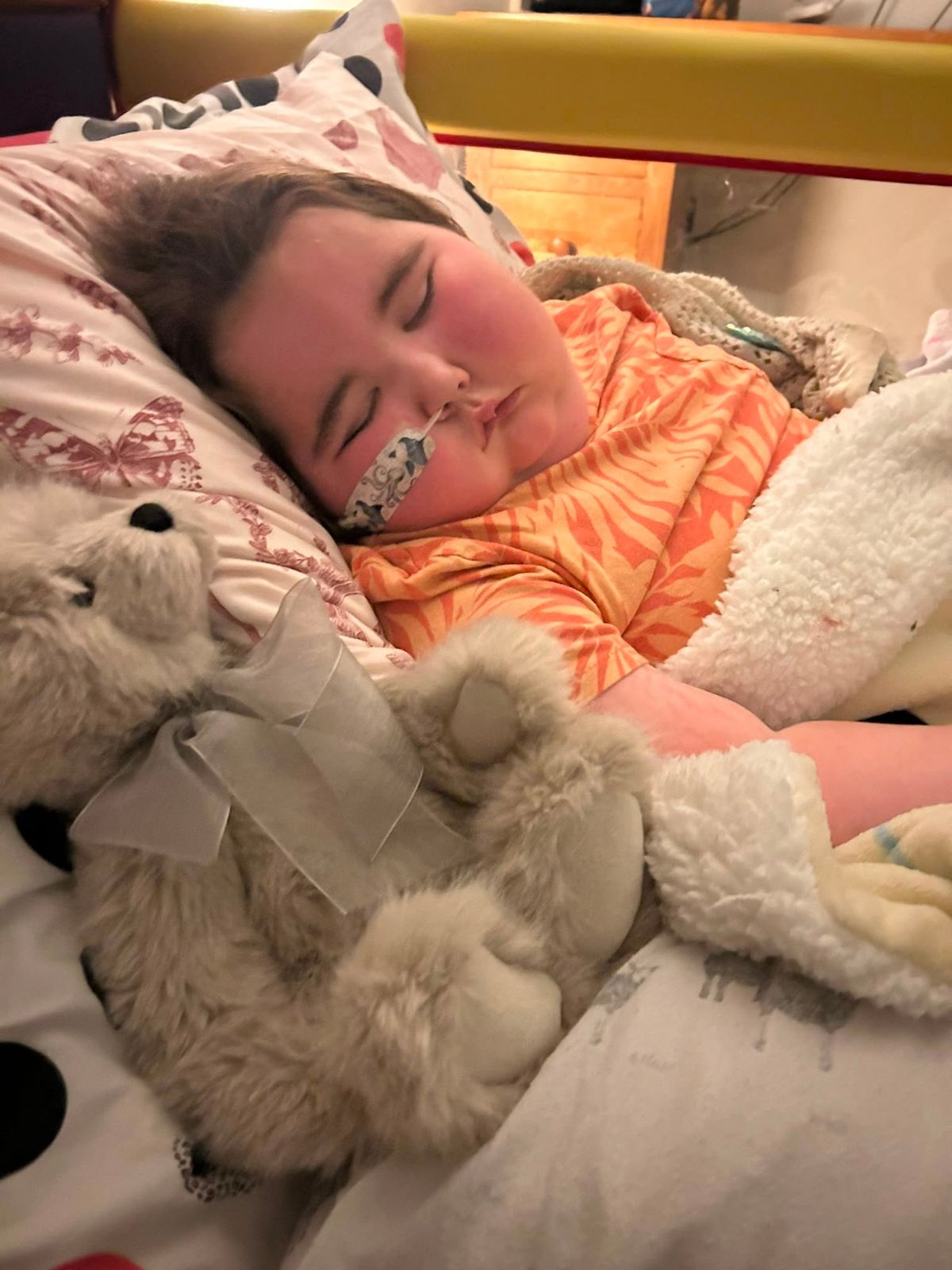
One Last Halloween
Halloween was Harlyn’s favorite holiday.
On October 30, 2025, one day before Halloween, the nine-year-old spent part of the afternoon making decorations.
Later, she went to a children’s hospice so her pain medication could be adjusted.
Nothing suggested to Jennifer that those would be her daughter’s final hours.
She was talking with Harlyn. Her daughter had just eaten some jelly.
Then Harlyn simply stopped breathing.
There was no prolonged warning and no final struggle. She died that evening at age nine.
For Jennifer, the suddenness was devastating, but she also found comfort in knowing her daughter had not suffered through a frightening final deterioration.
After 17 months of living with an incurable brain tumor, Harlyn’s fight was over.
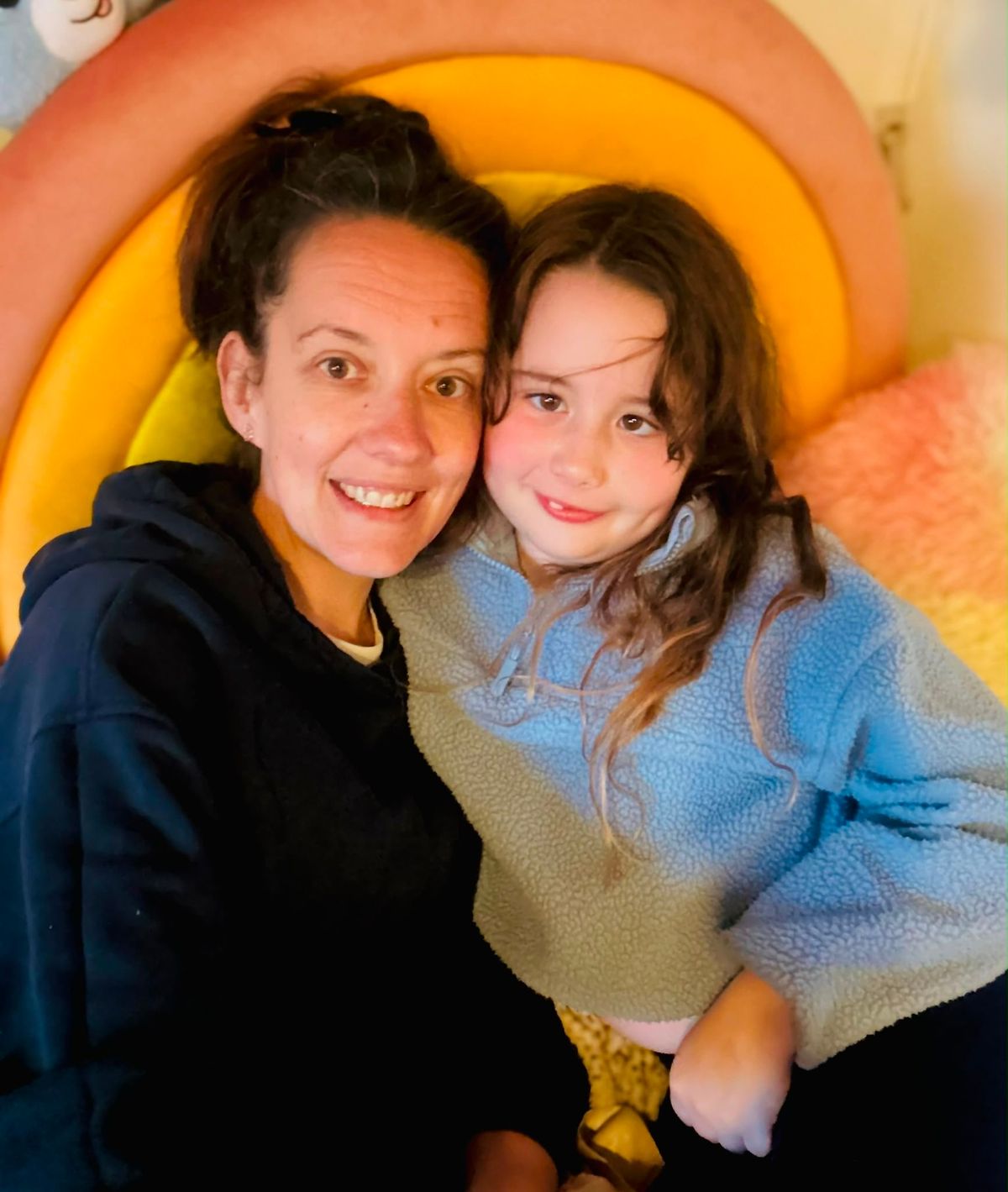
“Time Became So Precious”
Jennifer later attended a child death review meeting and says shortcomings in her daughter’s care were acknowledged.
She understands that discovering Harlyn’s tumor earlier would not ultimately have changed the nature of her diagnosis.
DIPG was still incurable.
But Jennifer believes an earlier answer could have changed how the family used the time they had.
Instead of worrying about school attendance or searching repeatedly for explanations for Harlyn’s worsening symptoms, they could have focused sooner on creating memories while she was still physically able to enjoy them.
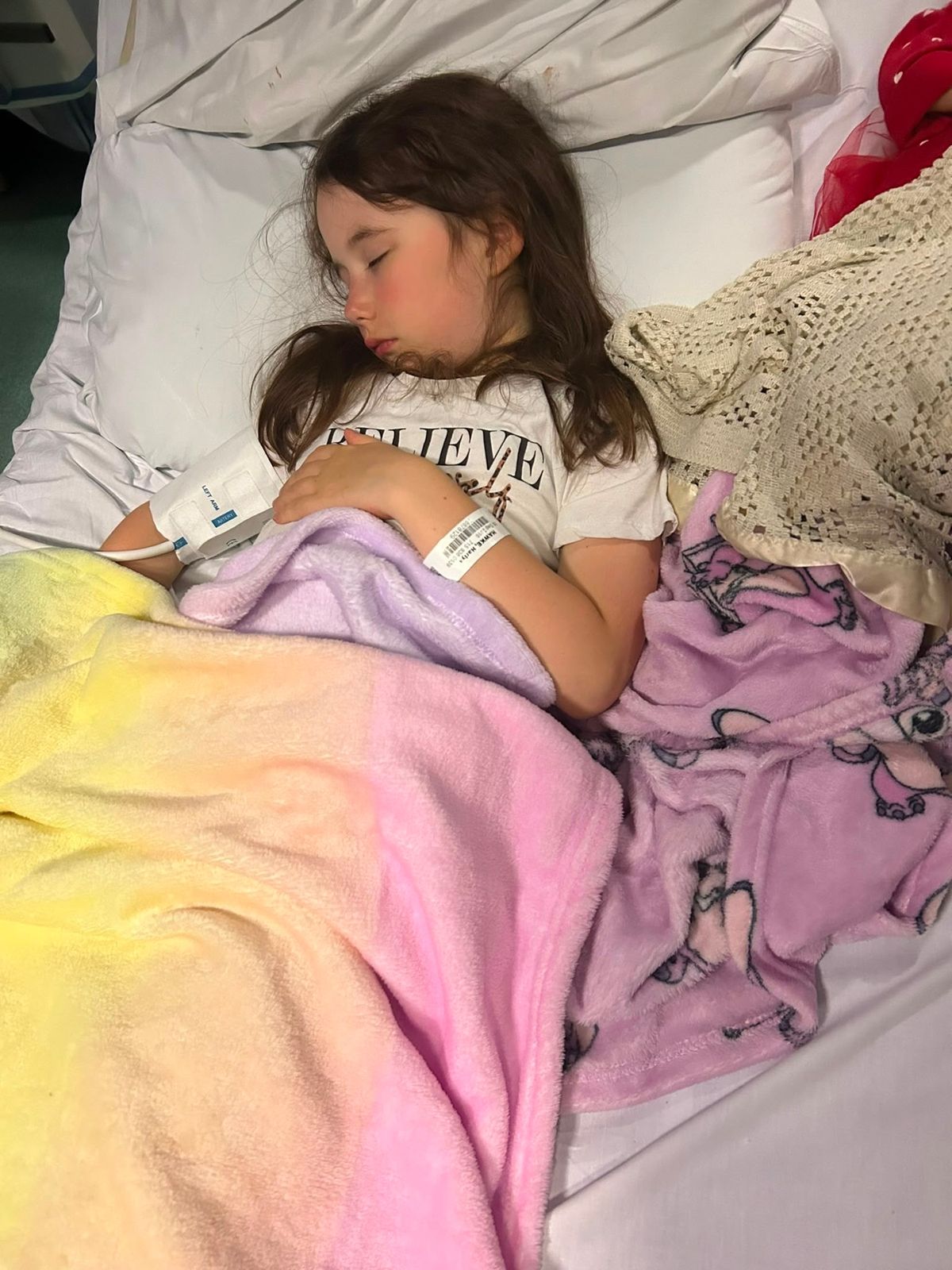
For Jennifer, that lost opportunity remains one of the most painful consequences of the delayed diagnosis.
She is now speaking publicly because she wants other parents to recognize symptoms that she wishes she had known could point toward a brain tumor — including dramatic changes in eye position, problems with balance, slurred speech, weakness, headaches and repeated morning sickness.
She remembers reaching the point where she began filming Harlyn’s symptoms because she felt she needed visual proof of what was happening.
Now, after losing her daughter, she wants families who find themselves in similar situations to feel able to keep asking questions when they believe something is wrong.
Royal Cornwall Hospital expressed sympathy for Harlyn’s family and said her existing eye condition had made the tumor more difficult to identify. The hospital also acknowledged Jennifer’s determination to raise awareness and invited her to seek a further review of Harlyn’s care and her own experience.
For Jennifer, however, awareness is now inseparable from the daughter she lost.
Harlyn ultimately survived far beyond those terrifying first estimates of two to four weeks. Those additional 17 months gave her family birthdays, conversations, celebrations and ordinary moments they once feared they would never have.
But Jennifer’s message is rooted in what she cannot get back: the months before the diagnosis, when a little girl’s body was changing and her mother was still searching for someone to explain why.
The outcome may have been beyond her control.
The time, Jennifer believes, should not have been.