Dolph Lundgren Breaks Down as He Opens Up About the Cancer Fight He Once Feared He Wouldn’t Survive
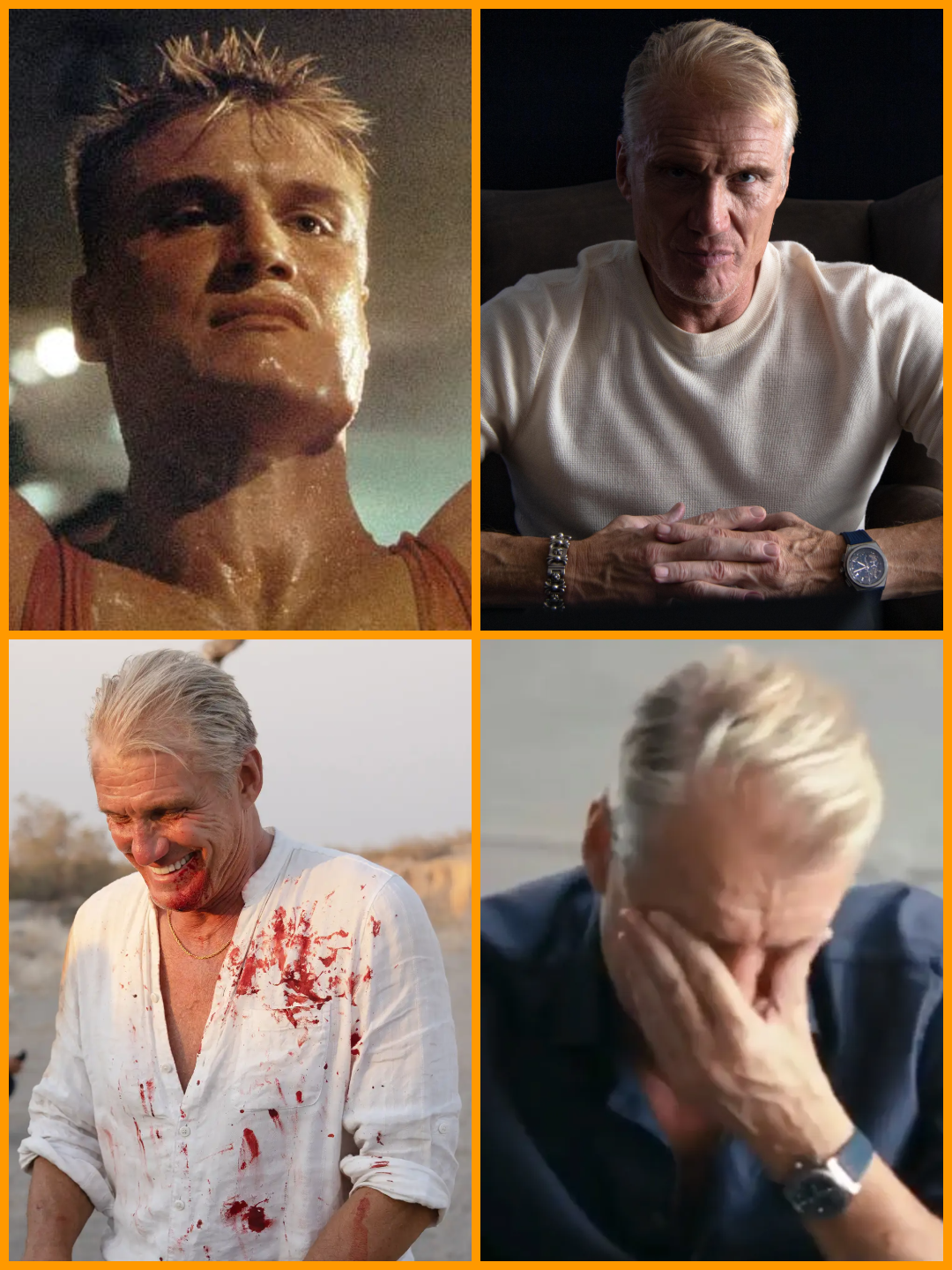
For decades, Dolph Lundgren built his career playing men who seemed almost impossible to break.
As Ivan Drago in Rocky IV, he became one of the most physically intimidating villains in movie history. Later roles in Masters of the Universe and The Expendables only strengthened his image as a towering action star defined by discipline, strength and survival.
But in the upcoming documentary Dolph: Unbreakable, Lundgren reveals a very different kind of strength.
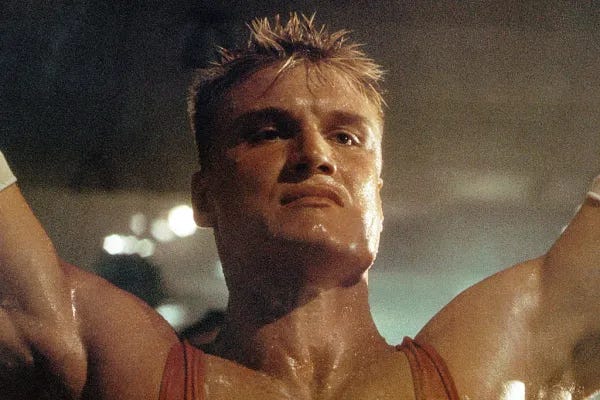
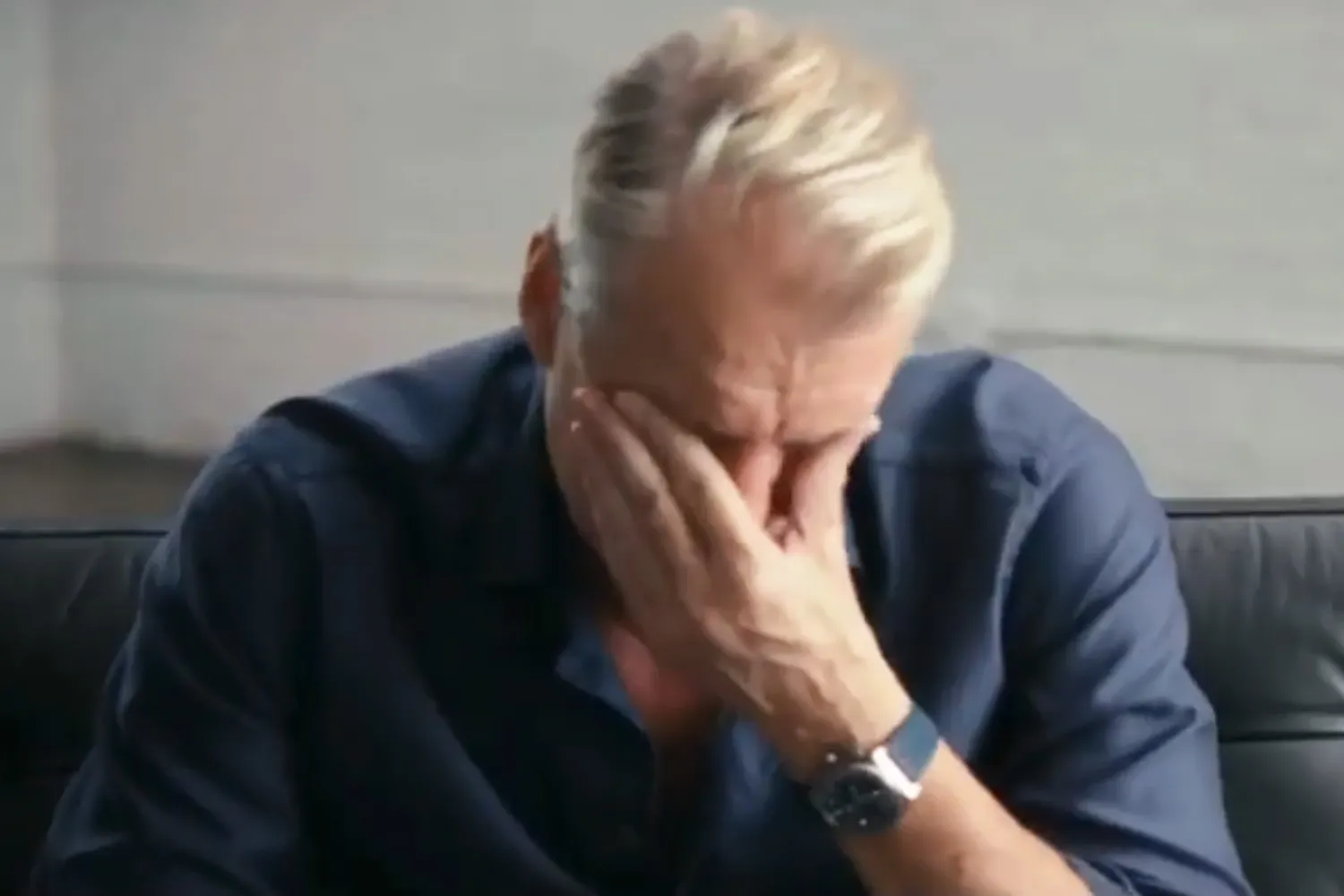
The 68-year-old actor becomes visibly emotional as he looks back on a cancer battle that once left him wondering whether he would even live long enough to see the documentary completed.
The film began taking shape in 2020, during the COVID era, when filmmakers approached Lundgren about telling the story of his extraordinary life and career. By that point, he had appeared in nearly 100 movies and believed he had enough experiences to fill a documentary.
Then everything changed.
Lundgren was diagnosed with kidney cancer in 2020, suddenly transforming what had begun as a career retrospective into something far more personal.
At first, he kept the diagnosis from the documentary team.
The outlook was frightening. Lundgren said he was initially told he might have only about three years left to live.
By 2021, the uncertainty had become impossible to ignore. He finally told the filmmakers that they might need to make his illness part of the story because he could not be sure he would still be alive when the finished movie premiered.
That revelation completely reshaped the project.
New interviews were filmed, and the cameras began documenting not only the action star audiences knew, but the man undergoing a years-long fight for his life.
Much of the hospital material was filmed by Lundgren’s wife, Emma Krokdal, who is 30.
Because of COVID restrictions and limitations on filming inside medical facilities, traditional camera crews often could not be present. Krokdal instead captured intimate moments from the period herself.
Lundgren credits her with playing a major role in helping him endure the ordeal.
Her optimism, he said, became especially important when his own future looked uncertain.
The experience lasted for roughly four years and ultimately became the emotional framework of Dolph: Unbreakable. Lundgren sees that period as one more battle in a life that had already included difficult childhood experiences, martial arts, Hollywood success and decades of pushing himself physically.
This time, however, strength meant something different.
The documentary trailer shows Lundgren overcome with emotion — a striking contrast with the nearly indestructible characters that made him famous.
But he does not see those tears as weakness.
Lundgren said he has been emotional since childhood. He also spoke about problems with his father and abuse he experienced when he was young.
Martial arts eventually became a way for him to express those emotions while building a sense of power and control. Acting later served a similar purpose.
For years, that toughness shaped both his identity and his screen persona.
During his illness, Lundgren sometimes imagined that his life might end in dramatic fashion. He described having once believed he would simply go out like a warrior.
Surviving cancer changed that perspective.

Lundgren announced last year that he was cancer-free, an outcome that gave him the chance to look at both his career and himself differently.
Instead of viewing strength only as physical endurance, he now believes there is another kind of power in allowing people to see fear, pain and vulnerability.
He described himself as an older warrior who may now have something different to contribute: experience, perspective, inspiration and the willingness to be emotionally open.
For Lundgren, that lesson is particularly important for men.
He said men are often encouraged to keep moving forward regardless of what happens to them, hiding emotional pain behind toughness. But men can be hurt as deeply as anyone else, he noted, and finding healthier ways to express those emotions can prevent that pain from turning into anger or aggression.
His cancer experience also left psychological scars.
Lundgren said he participates in survivorship therapy and compared the emotional aftermath of cancer to the trauma a soldier can experience after returning from war.
Most people understand intellectually that life can end at any time, he explained, but surviving a serious illness makes mortality impossible to treat as an abstract idea.
He had faced the possibility of dying directly.
Even after recovery, that awareness remains.
Watching the documentary or discussing his illness can bring those feelings back, Lundgren said, even during periods when everyday life allows him to temporarily forget what happened.
Still, reaching the other side has left him deeply grateful.
The documentary also brings together several men closely associated with the era of larger-than-life action movies in which Lundgren became famous.
Sylvester Stallone, Arnold Schwarzenegger and Jean-Claude Van Damme all appear in Dolph: Unbreakable.
Their participation carries personal significance for Lundgren.
He knew Schwarzenegger before his own Hollywood breakthrough. Lundgren met him while dating singer Grace Jones, when Schwarzenegger was working on 1984’s Conan the Destroyer. Lundgren was still primarily a fighter at the time, and the two maintained a relationship over the decades.
His bond with Stallone is even more closely connected to Lundgren’s screen legacy.
Their showdown as Rocky Balboa and Ivan Drago in Rocky IV helped turn Lundgren into an international star.
But when Lundgren finally told Stallone about his cancer, their familiar tough-guy relationship suddenly became much more emotional.
Lundgren recalled being in a Beverly Hills store the following day when Stallone called him.
Stallone was crying and wanted to know how Lundgren was doing and see him.
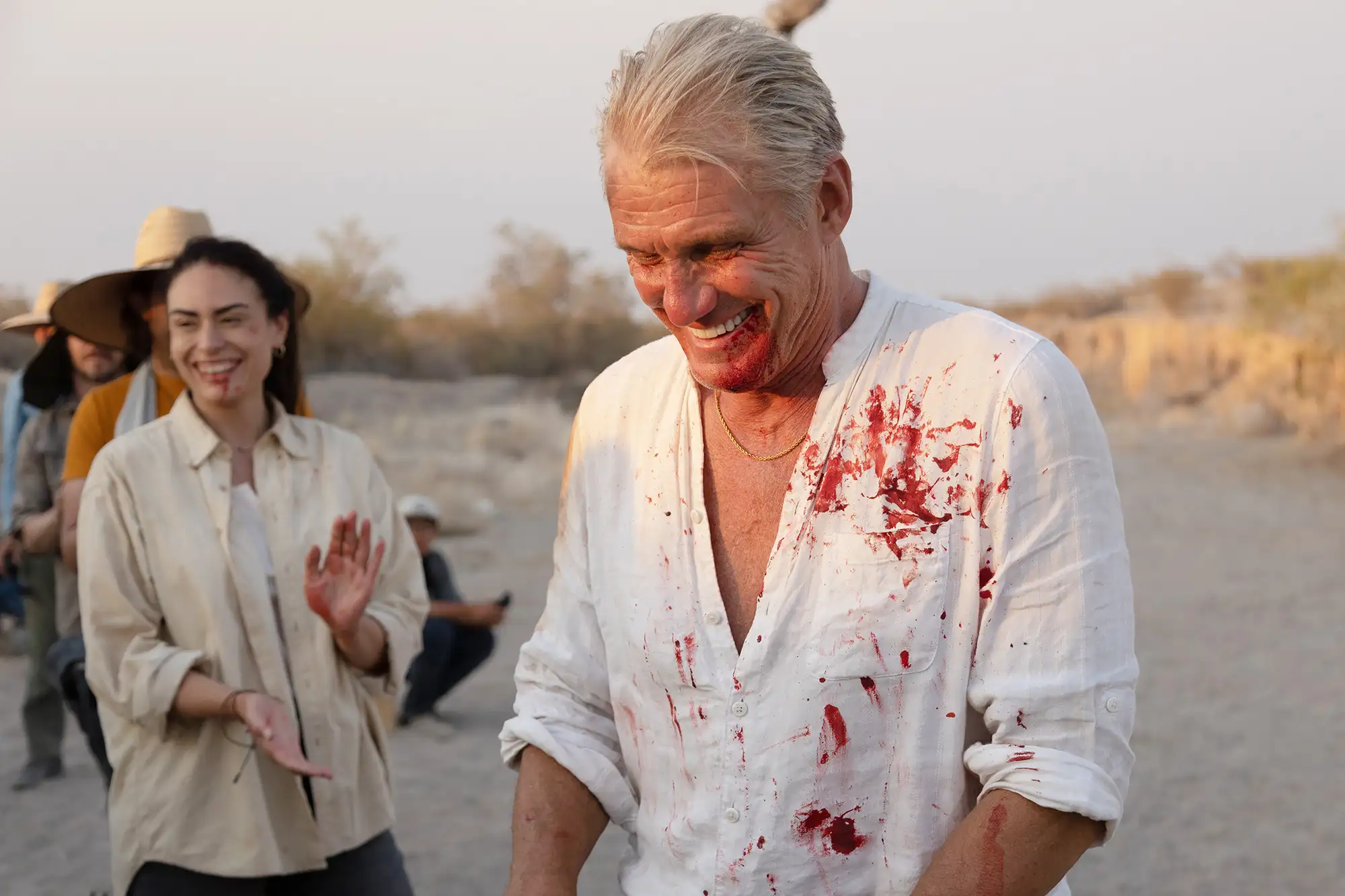
The reaction surprised Lundgren because the two men had spent years sharing the kind of camaraderie associated with action stars, without necessarily discussing their feelings so openly.
The cancer diagnosis changed that.
Lundgren said their friendship has since become much closer.
That emotional honesty also sits at the center of what he hopes audiences will discover in Dolph: Unbreakable.
He wants viewers to see beyond the polished image of the movie star.
Long before the muscles, martial arts and imposing screen presence, Lundgren described himself as a somewhat sickly child who leaned more toward intellectual pursuits than athletics.
The documentary embraces those contradictions.
It explores achievements alongside mistakes, confidence alongside fear and public success alongside deeply private struggles.
For Lundgren, surviving cancer has also changed the way he treats himself.
He said he is now kinder to himself and less driven to constantly push beyond his limits.
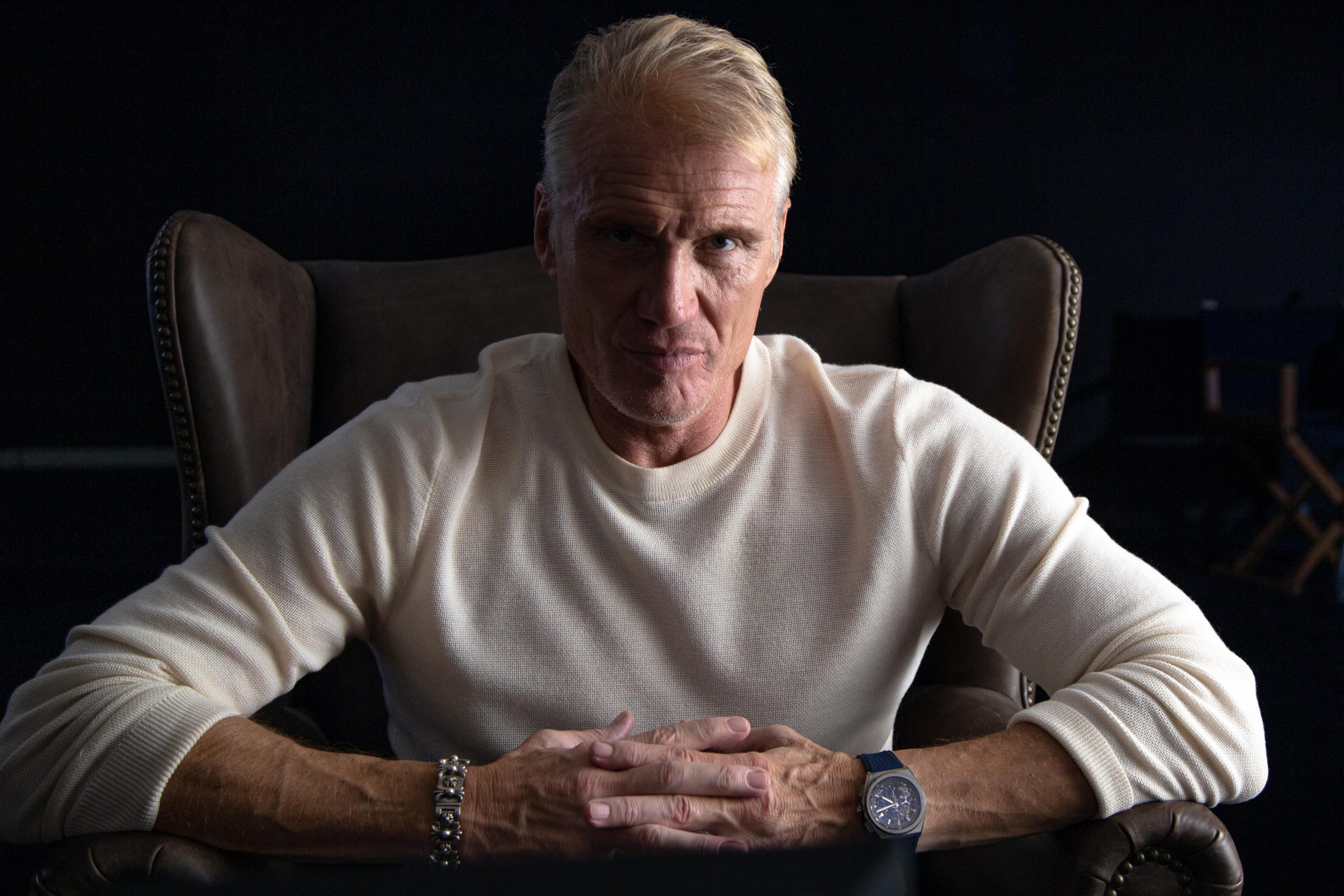
That shift has helped him appreciate life in a way he had not before.
The next chapter may reflect that transformation.
Lundgren also has an autobiography, Fights Worth Fighting: Finding Strength in Struggle, and says he hopes to use his experiences to encourage younger people to find direction and understand themselves.
He still intends to act, but he is interested in bringing more of his emotional side into future roles.
After decades spent embodying physical power, Lundgren appears ready to explore what strength looks like when the armor comes off.
Dolph: Unbreakable premieres Oct. 6 on VOD and digital platforms.
For the actor who once feared he might never see that day, simply being here for its release has become part of the story itself.