Mom Woke From a Three-Week Coma to a Life She Barely Recognized — Now She’s Fighting for the Ordinary Moments Back
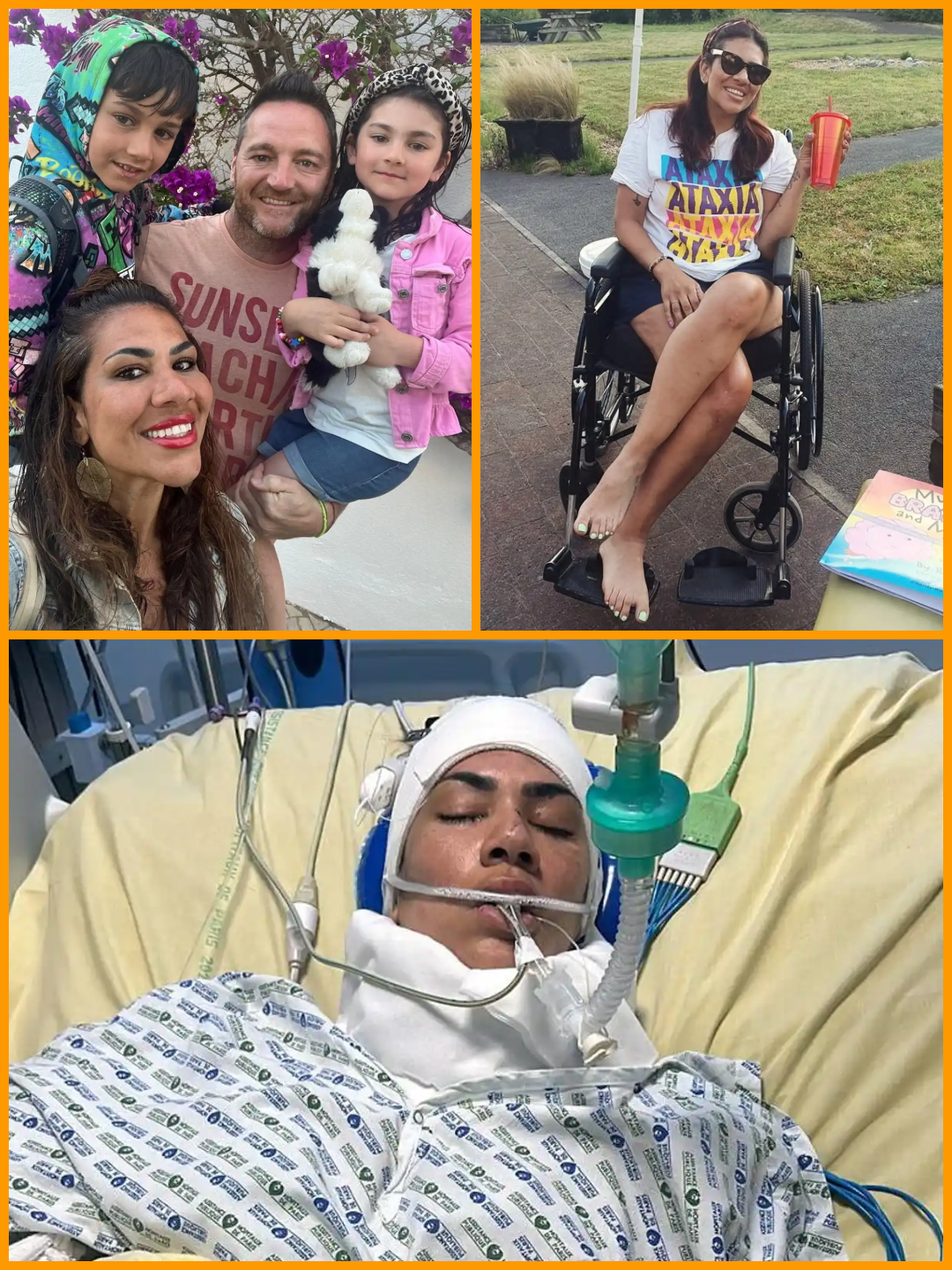
Before a trip to Paris changed everything, Raina Heverin’s days were full.
The 44-year-old mother of two ran two businesses, exercised regularly, cycled, lifted weights and squeezed workouts into a life already crowded with work and parenting. The day before an accident that would leave her fighting to walk and speak normally again, she even bought a new pair of running shoes.
She planned to spend time sightseeing with her brother and sister-in-law.
Instead, Heverin woke weeks later in a hospital with no memory of the fall that had nearly killed her.
Today, the things she misses most are not vacations, workouts or business meetings. They are the routines that once seemed too ordinary to notice: helping her children get ready for school, being home when they return, holding a cup of coffee without difficulty.
Her recovery has required her to rebuild a life one movement and one word at a time.
A Paris Trip Changed in the Middle of the Night
Heverin, who is from Liverpool, England, traveled to Paris with her brother and sister-in-law in April 2025.
During the early hours, while staying in rental accommodations, she apparently became disoriented and sleepwalked toward a window beside a Juliet balcony.
She fell from the third floor into the courtyard below.
Heverin does not remember the fall itself. She has said she remembers the day before the accident and recalls walking down a street, but her memory disappears before she returned to the property.
Her brother initially saw her below and thought she was asleep.
Then he realized something was terribly wrong.
Heverin was rushed to a hospital, while police questioned her brother and sister-in-law about what had happened. Back home, her husband, Michael, and her parents received the kind of phone call no family expects.
She later described them as deeply traumatized by the news.
For Heverin, there was simply a blank space.
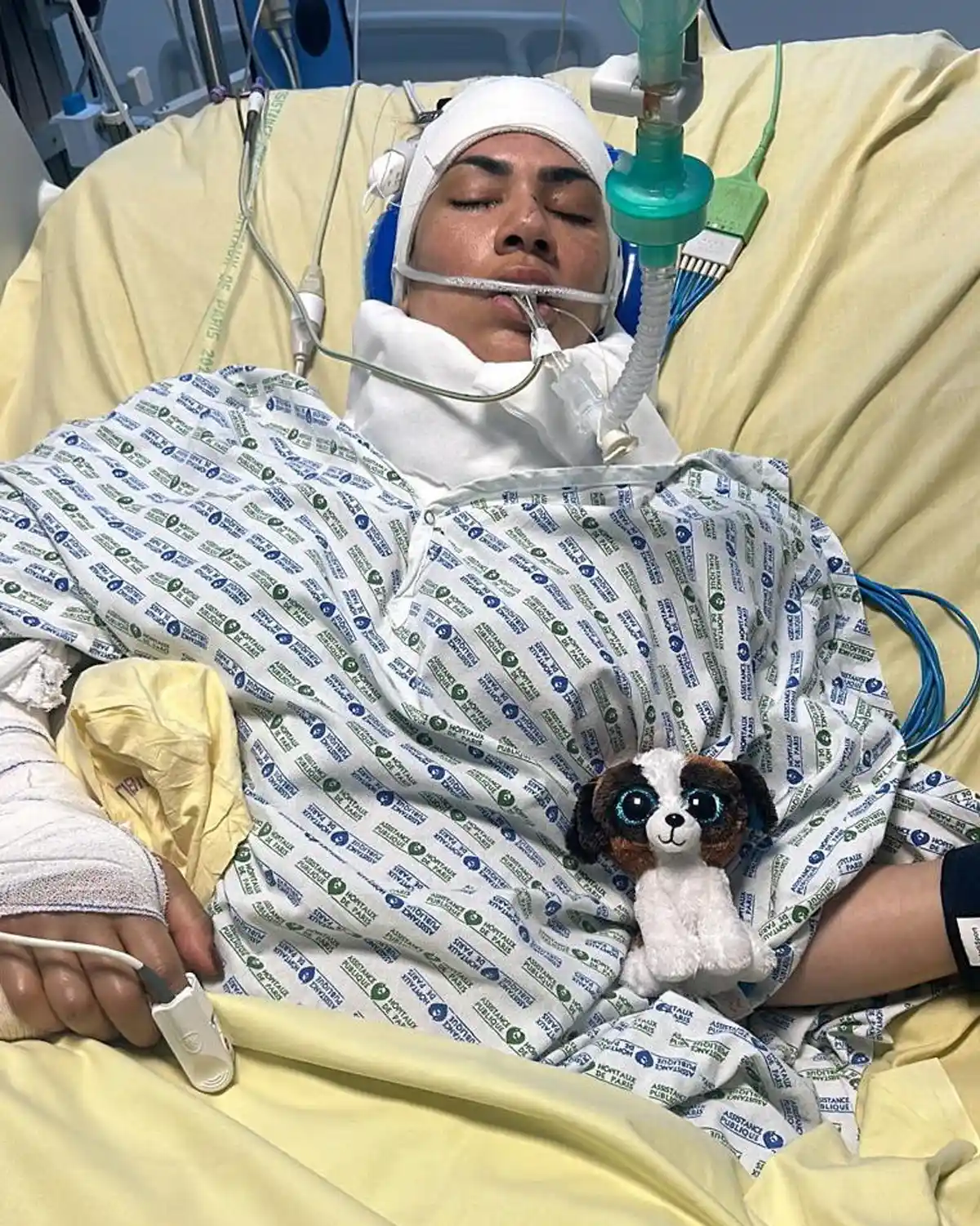
She remained in a coma for three weeks.
Her First Memory Was Almost Strangely Ordinary
After an accident so devastating, Heverin’s first remembered moments after waking were not dramatic.
She recalls opening her eyes in the hospital and seeing Michael beside her, reading a book.
Even in the confusion, she found herself wondering why he had chosen such a terrible book.
That small memory sits in sharp contrast to the seriousness of her condition.
The woman who had entered the hospital was active, independent and accustomed to managing an intensely busy life. The woman who woke from the coma had sustained a major brain injury and multiple other traumatic injuries.
Her body no longer responded in the ways she expected it to.
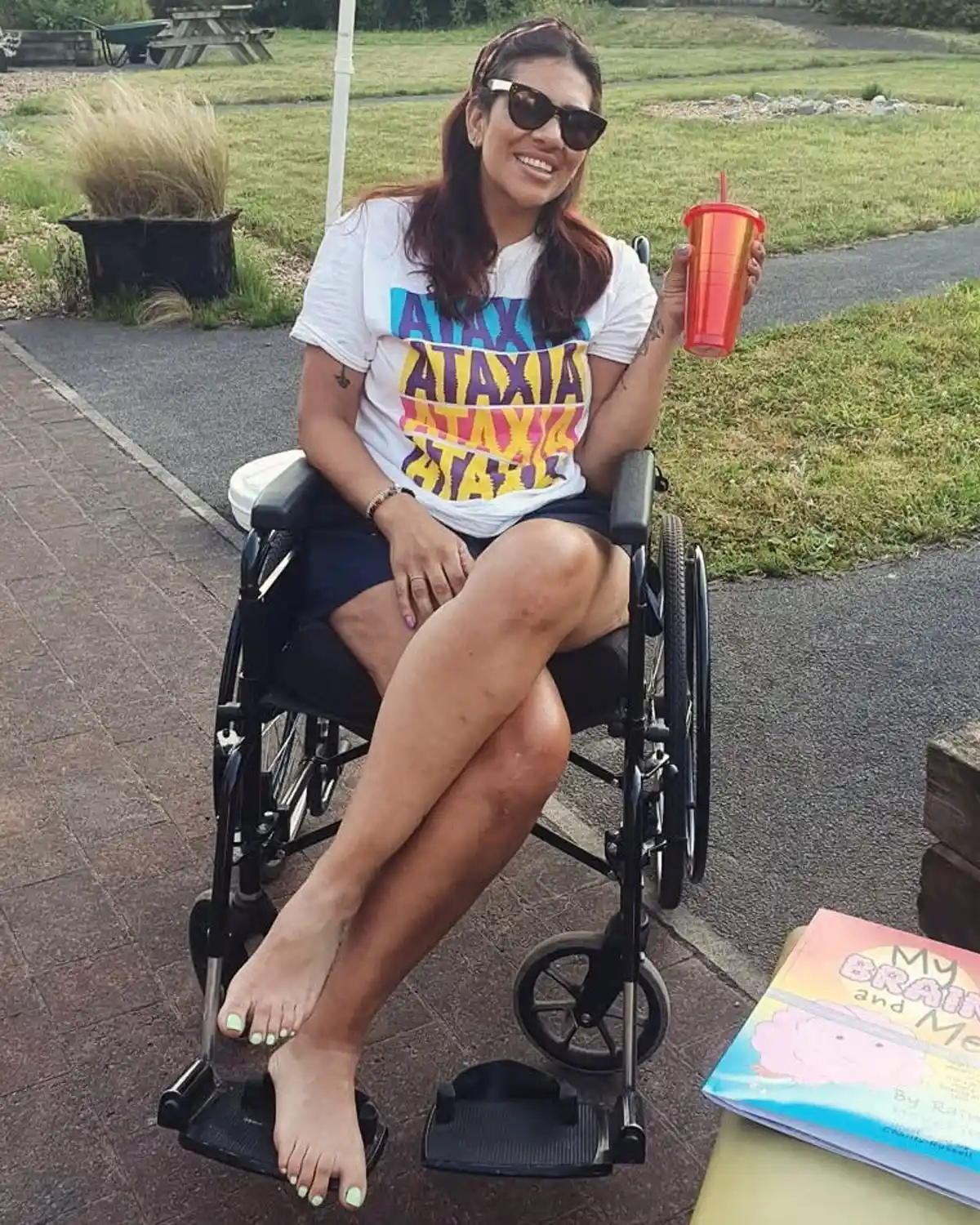
She had a bleed in part of her brain and was diagnosed with ataxia, a neurological condition that can interfere with coordination and controlled movement. She was also dealing with polytrauma, meaning injuries affecting multiple parts or systems of the body.
She could not walk.
Her speech had changed.
Tremors affected her hands, particularly limiting what she could do with her right hand.
Suddenly, independence was no longer automatic.
The Fitness Routine She Once Hated May Have Helped Save Her
Before the accident, exercise was simply part of Heverin’s routine.
She ran, cycled, lifted weights, took fitness classes and did burpees — an exercise she openly disliked.
Afterward, those years of physical activity took on an entirely different meaning.
Heverin said a doctor told her that her fitness before the fall had played a crucial role in her survival.
That realization has added an unexpected layer to her memories of her old life. The workouts that could once feel like a chore may have helped give her the chance to begin this recovery at all.
But surviving was only the beginning.
Heverin has been forced to confront the distance between the person she remembers being and the physical reality she now lives with.
She has described herself as still grieving her former life.
It is a particularly complicated kind of grief: the person she misses is herself.
Learning to Walk — and Live — Again
Heverin initially received treatment at Broadgreen Hospital and has lived in a specialist brain injury unit since November.
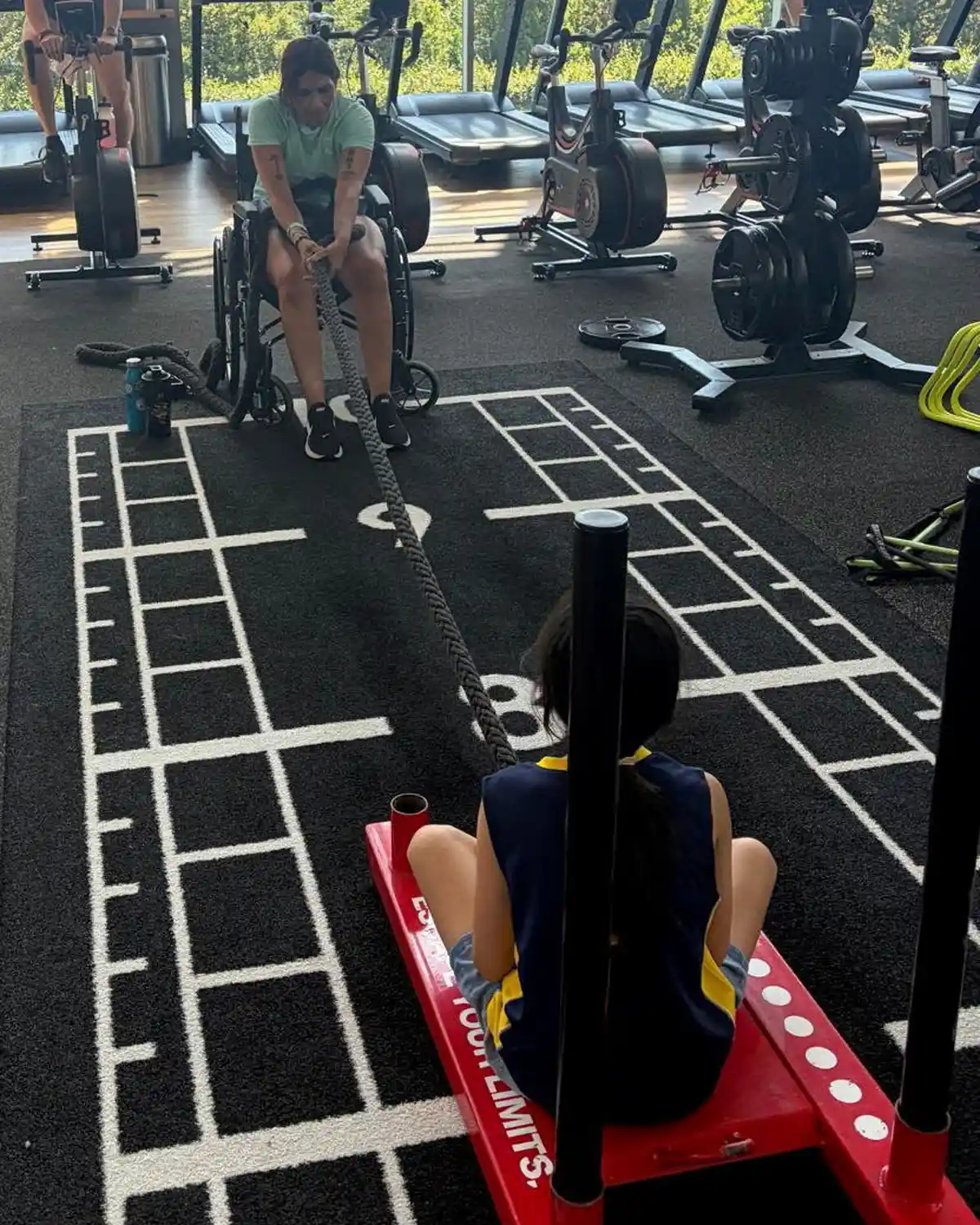
Rehabilitation has become her daily work.
She undergoes physiotherapy every day to improve her walking and receives speech therapy at least twice each week. She has made progress, but tasks that once required almost no thought can now demand concentration and effort.
Because of the tremors in her hands, even putting on makeup or lifting a cup of coffee can be difficult.
Carrying objects is hard.
Walking is something she is still relearning.
Talking has also been affected.
It is in these small details that the scale of her injury becomes clearest. Recovery is not simply about reaching a medical milestone. It means attempting to reclaim hundreds of ordinary actions most people perform without noticing.
And for Heverin, none of those losses hurts more than the change in her role at home.
What She Misses Most Is Being Mom Every Day
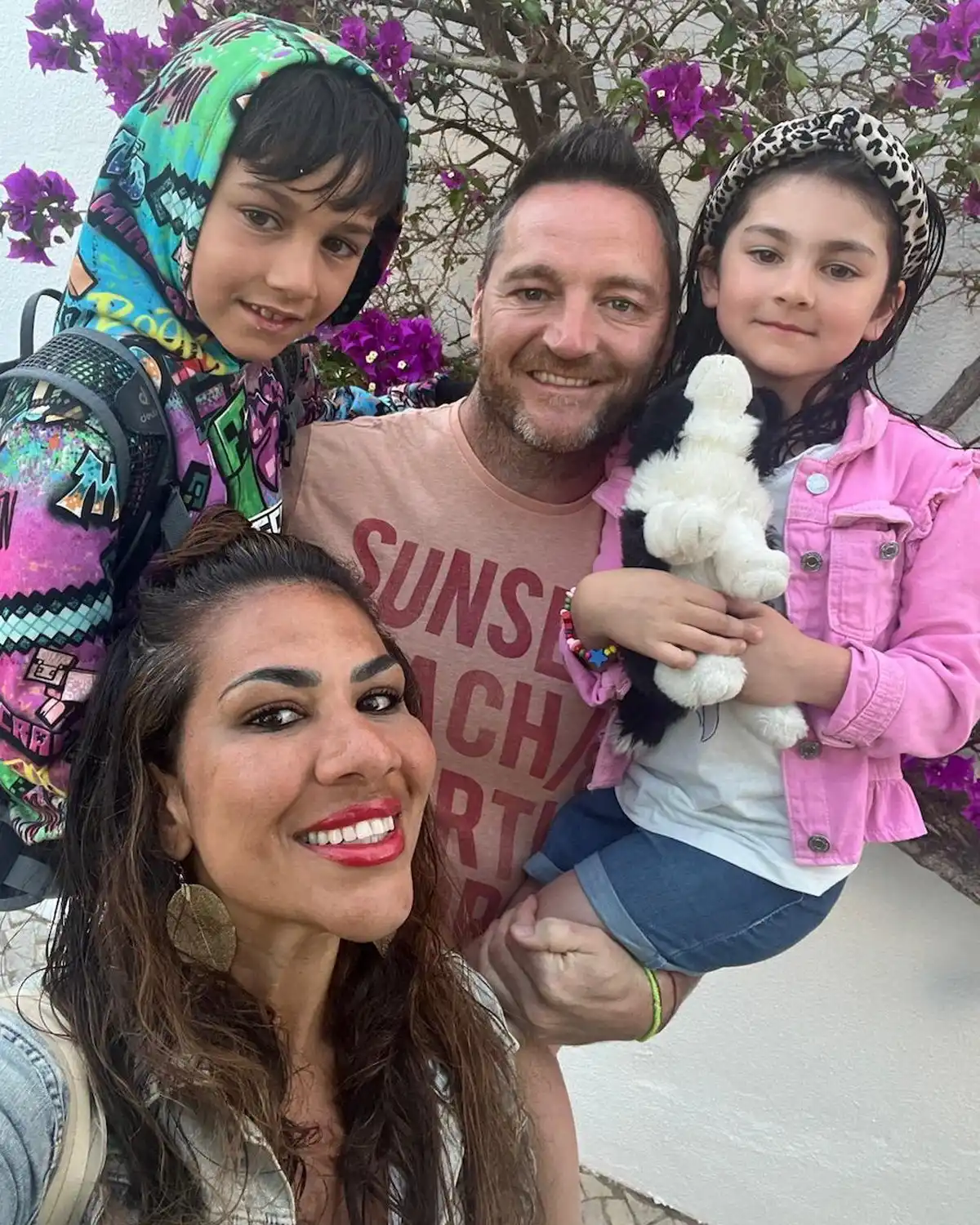
Heverin and her husband have two children, Cian, 9, and Aaliyah, 8.
While living at the specialist unit, she returns to see her family on weekends.
Those visits matter enormously, but they also underline what has been taken from her normal routine.
She misses mornings.
She misses helping her children get ready for school.
She misses waiting for them to come home.
She misses taking them places and simply being present for the uneventful pieces of family life.
Before the accident, those moments were woven automatically into her days. Now they have become part of what she is working toward.
Still, Heverin refuses to view her current limitations as permanent defeat.
She believes recovery may take another year or two, but she is determined to keep moving toward greater independence.
She has the rest of her life, she says, and she intends to use it.
Turning Her Injury Into Something That May Help Others
Even while undergoing intensive rehabilitation, Heverin has begun finding ways to turn her experience outward.
She has written a children’s book about brain injuries, using what happened to her to help make an often complicated and frightening subject easier to understand.
She has also committed to completing a 5K walking challenge benefiting The Brain Charity in Liverpool.
The goal carries obvious meaning for someone still relearning how to walk.
Her fundraising effort has already brought in more than $6,000, transforming another part of her rehabilitation into a way of supporting people facing neurological conditions and brain injuries.
For Heverin, the challenge is not about pretending everything has returned to normal.
It has not.
Her life today involves therapy, physical limitations, separation from her children during the week and a recovery whose final destination remains uncertain.
But she has survived the part no one knew whether she would survive.
Now comes the slower work.
‘There’s Life to Live’
Heverin’s message to others facing life-changing injuries is built around persistence.
“Don’t give up,” she has said, reminding people that surviving the worst moment means there is still life ahead.
She also knows recovery may not mean becoming exactly the person she was before the fall.
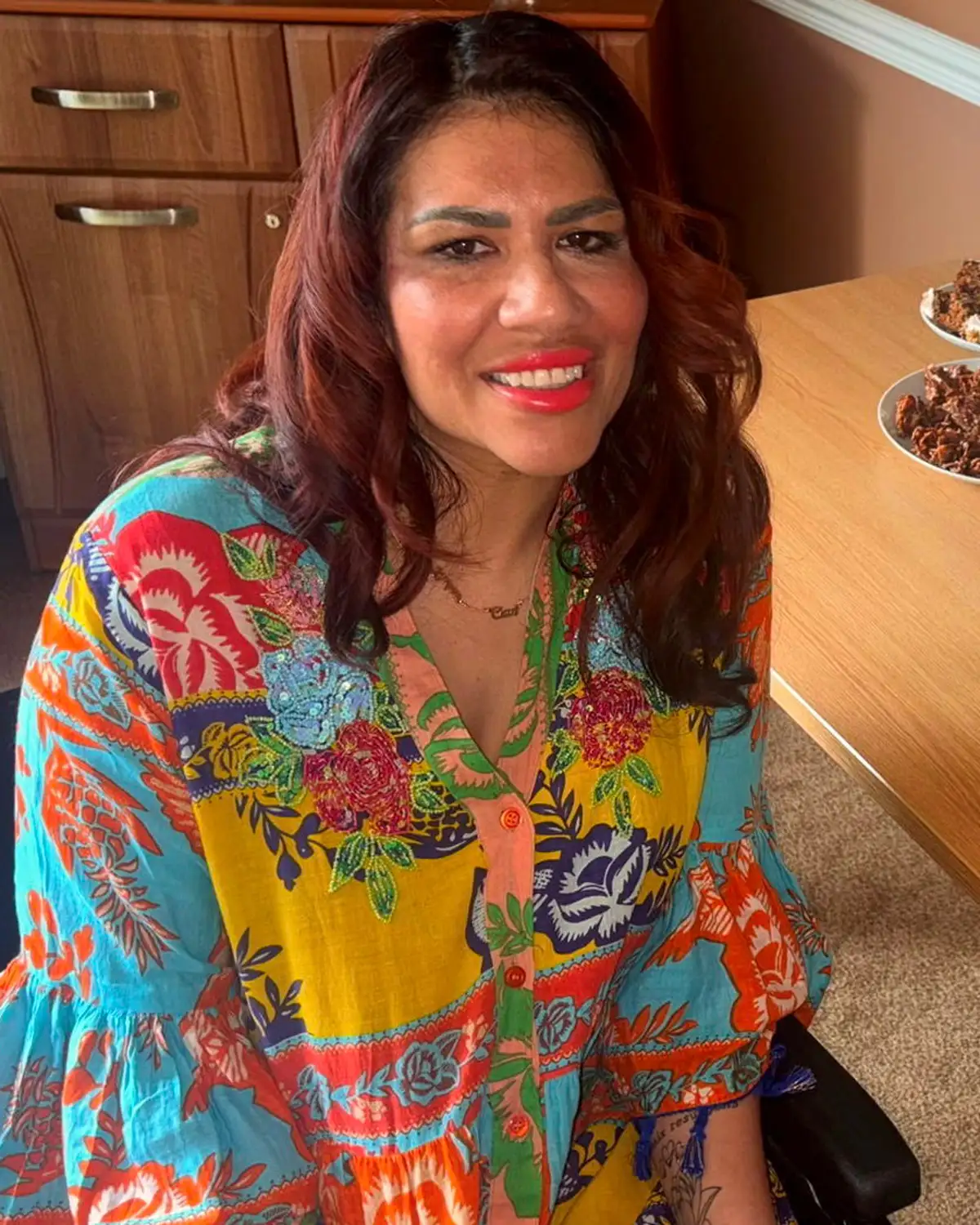
Her hope is to keep working until she can move closer to that person — closer to the active woman who ran businesses, exercised, cared for her children and never needed to think twice about holding a coffee cup.
The Paris accident divided Heverin’s life into a before and an after.
But she is refusing to let the fall become the ending.
Every physiotherapy session, every improvement in her speech, every weekend with Cian and Aaliyah and every step toward that 5K represents something larger than rehabilitation.
It is her way of getting back to the life she once took for granted — not all at once, but one ordinary moment at a time.