Florida Child Welfare Officials Investigating Death of 2-Year-Old Brayden Tennyson After Cousin Found Unsecured Gun
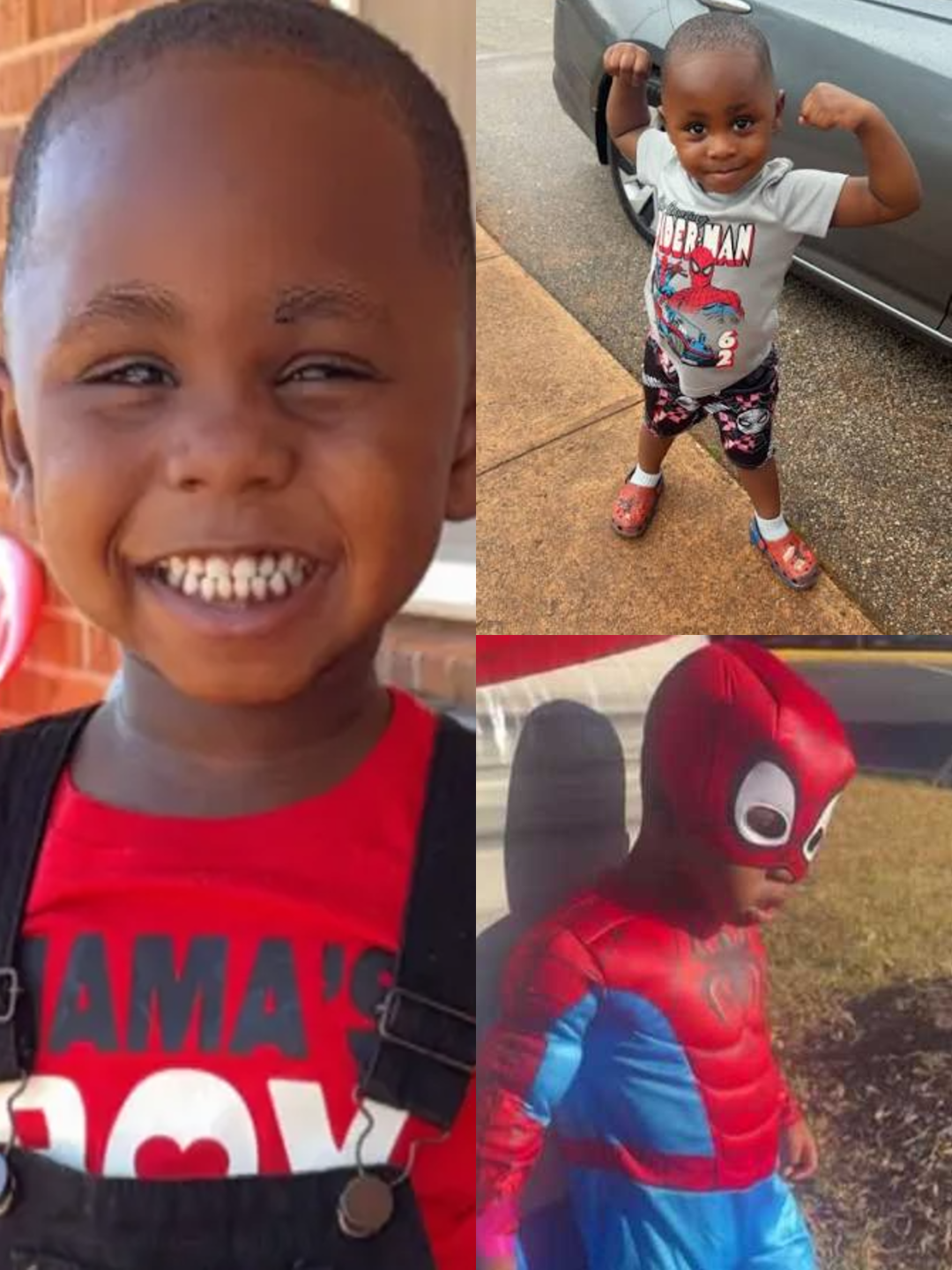
Florida child welfare authorities have opened an investigation into the death of 2-year-old Brayden Tennyson, whose family vacation ended in tragedy after investigators say his 4-year-old cousin gained access to an unsecured handgun and fired a fatal shot.
The Florida Department of Children and Families is now examining the circumstances surrounding Brayden’s death as part of its responsibility to investigate child fatalities involving possible allegations of abuse, neglect or abandonment.
The development adds another layer to a case that has already prompted a criminal investigation and a recommendation that Brayden’s mother face a felony culpable negligence charge.
Brayden, who lived in Louisville, Georgia, had traveled to the Orlando area with relatives in July to celebrate what would have been his third birthday.
Instead, the family’s trip ended only days before that birthday after a handgun left inside a vehicle was discovered by another young child.
Family Had Traveled to Florida for Brayden’s Birthday
Brayden and his relatives arrived in Kissimmee on July 12 for a family vacation centered around his upcoming third birthday.
The family was staying at a rental property in Osceola County and had reportedly planned to visit Disney World as part of the celebration.
According to investigators, family members were in the process of arriving at the rental when Brayden and his 4-year-old cousin were briefly left without adult supervision inside or around a parked vehicle.
During that period, authorities say the older child discovered a handgun.
Osceola County Sheriff Chris Blackmon later described the weapon as being openly accessible rather than secured in a locked container or otherwise kept beyond the children’s reach.
The firearm was also reportedly unholstered.
Moments later, adults outside the vehicle heard a single gunshot.
Brayden had been struck.
Emergency responders were called, and the toddler was rushed to a hospital.
He later died from his injuries.
The timing made the loss particularly painful for his family: Brayden would have turned 3 just two days later.
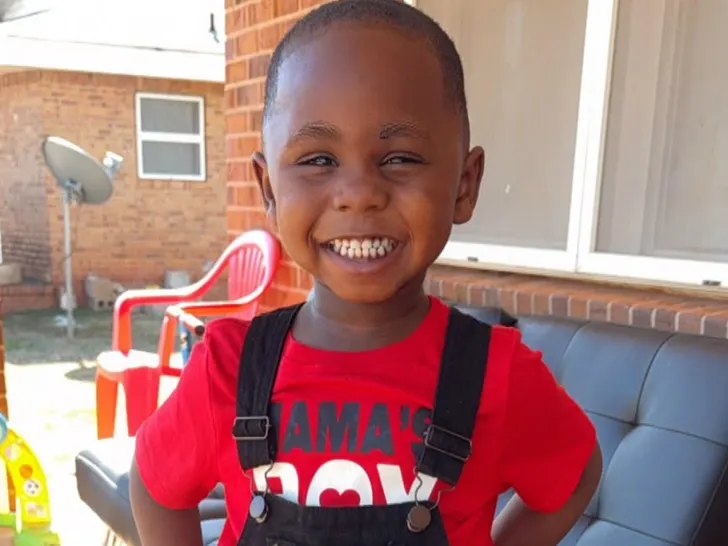
Investigators Say Gun Belonged to Brayden’s Mother
Authorities later determined that the handgun belonged to Brayden’s mother, 37-year-old Shakelia Tennyson.
Investigators said the gun had been left unsecured inside the vehicle, where the 4-year-old cousin was able to reach it.
The child then allegedly handled the firearm, causing it to discharge and strike Brayden.
Sheriff Blackmon publicly stressed how accessible the weapon had been, saying it had effectively been left in plain reach.
From the early stages of the investigation, law enforcement officials made clear that the shooting was being treated as an accidental discharge by the 4-year-old child rather than an intentional act.
Attention instead shifted toward the adults responsible for the firearm and for supervising the children.
Investigators began examining how the weapon had been stored, who knew it was in the vehicle and how two very young children came to be left alone with access to it.
Detectives Recommended Felony Charge
Within days of the shooting, homicide detectives completed their initial investigation and forwarded a recommendation to prosecutors that Brayden’s mother be charged with culpable negligence.
She had returned to Georgia following the shooting and was notified about the recommendation, according to authorities.
The State Attorney’s Office is responsible for deciding whether formal charges will ultimately be filed.
Under Florida law, leaving a loaded firearm where a minor can gain access to it can carry serious criminal consequences when the child uses the weapon and causes injury or death.
The charging recommendation does not by itself amount to a conviction, and any person formally accused would remain presumed innocent unless proven guilty in court.
Sheriff Blackmon had warned shortly after Brayden’s death that criminal charges against members of the family were possible once investigators had completed their review.
The later recommendation against Brayden’s mother represented the first major step toward potential criminal accountability.
Child Welfare Agency Now Conducting Separate Review
The Florida Department of Children and Families has now confirmed that it is also investigating Brayden’s death.
The department generally reviews child fatalities when allegations involve possible abuse, abandonment or neglect, working alongside law enforcement while conducting its own assessment.
That means the agency’s inquiry may focus on issues that extend beyond the immediate mechanics of the shooting.
Investigators could examine the circumstances under which the children were left unsupervised, the storage of the firearm and whether any adults failed to take reasonable measures to protect the children from a foreseeable danger.
The agency has not publicly announced findings from its investigation.
Its involvement does not automatically establish that neglect occurred. Rather, the inquiry is designed to determine whether the circumstances surrounding Brayden’s death fall within the agency’s child-protection responsibilities.
Grandmother Remembers Brayden as Smart and Energetic
While investigators have focused on evidence and potential legal responsibility, Brayden’s relatives have been mourning a child they described as bright, energetic and quick to learn.
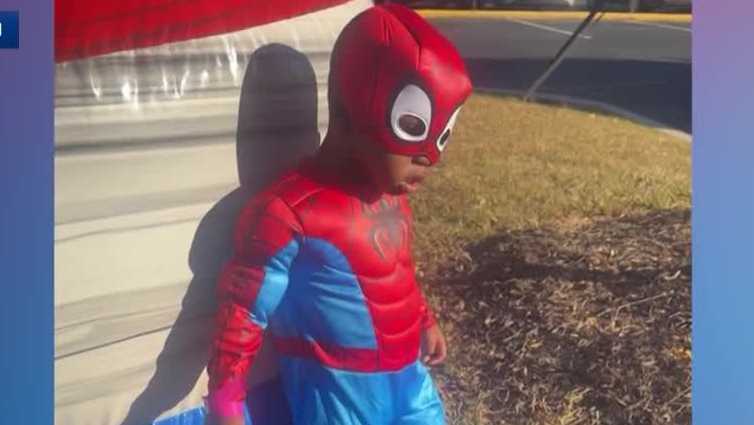
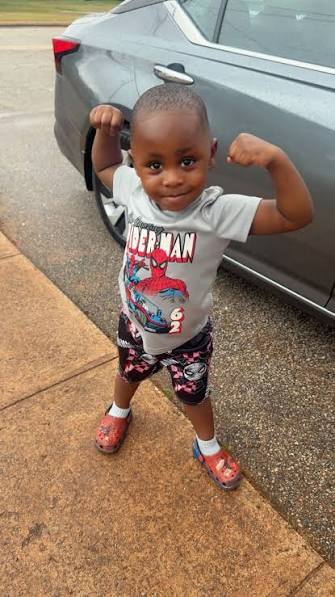
His grandmother, Dorothy Tennyson, remembered him as a little boy who loved dressing up and easily picked up new things.
The family’s original plans for Brayden’s birthday had been centered on celebration.
He was supposed to spend his third birthday visiting Disney World during the Florida trip.
Instead, relatives and community members gathered back home in Louisville, Georgia, for a memorial and balloon release on the day he would have turned 3.
Family members described the sudden transformation from a birthday trip into a funeral as almost impossible to process.
The incident occurred before the family had even fully settled into the vacation rental.
Within moments, a trip that had been planned as a joyful memory had become the beginning of a homicide investigation and a child-welfare review.
Case Highlights Risks of Unsecured Firearms Around Children
Brayden’s death has also renewed attention on firearm storage around young children.
Children as young as 4 may not understand that a real firearm is capable of causing irreversible harm, making physical barriers to access particularly important.
Secure storage can include locked gun safes, lockboxes, cable locks or other devices designed to prevent unauthorized access.
The central question in Brayden’s case is not whether the 4-year-old understood the consequences of pulling the trigger.
Investigators have instead focused on how the child was able to reach and manipulate a loaded gun in the first place.
That distinction is important because young children are generally treated very differently from adults in accidental shooting investigations.
The actions of the adults responsible for storing the weapon and supervising the children become the primary focus.
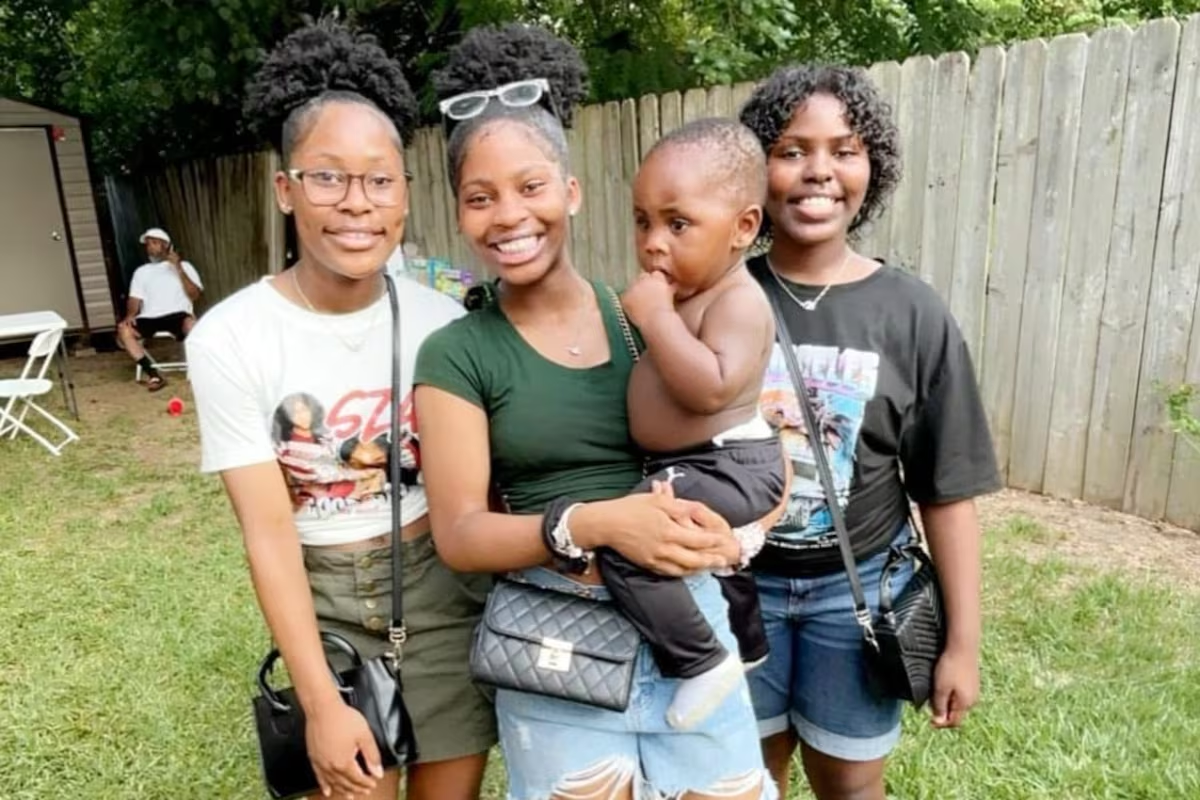
Several Questions Still Await Final Answers
More than two months after Brayden’s death, several elements of the case remain unresolved publicly.
The Department of Children and Families has not announced the outcome of its investigation.
It is also unclear whether prosecutors have made a final decision on the culpable negligence charge recommended by homicide detectives.
Authorities have not indicated that the 4-year-old cousin will face any criminal consequences.
For Brayden’s family, however, the legal process cannot change the central fact of the case.
A child who traveled to Florida to celebrate his third birthday never returned home.
What began as a family vacation is now the subject of parallel investigations examining an unsecured gun, the supervision of two very young children and whether the tragedy could have been prevented.
As those reviews continue, investigators will ultimately have to determine whether Brayden’s death was simply a devastating accident — or an accident for which an adult should be held legally responsible.