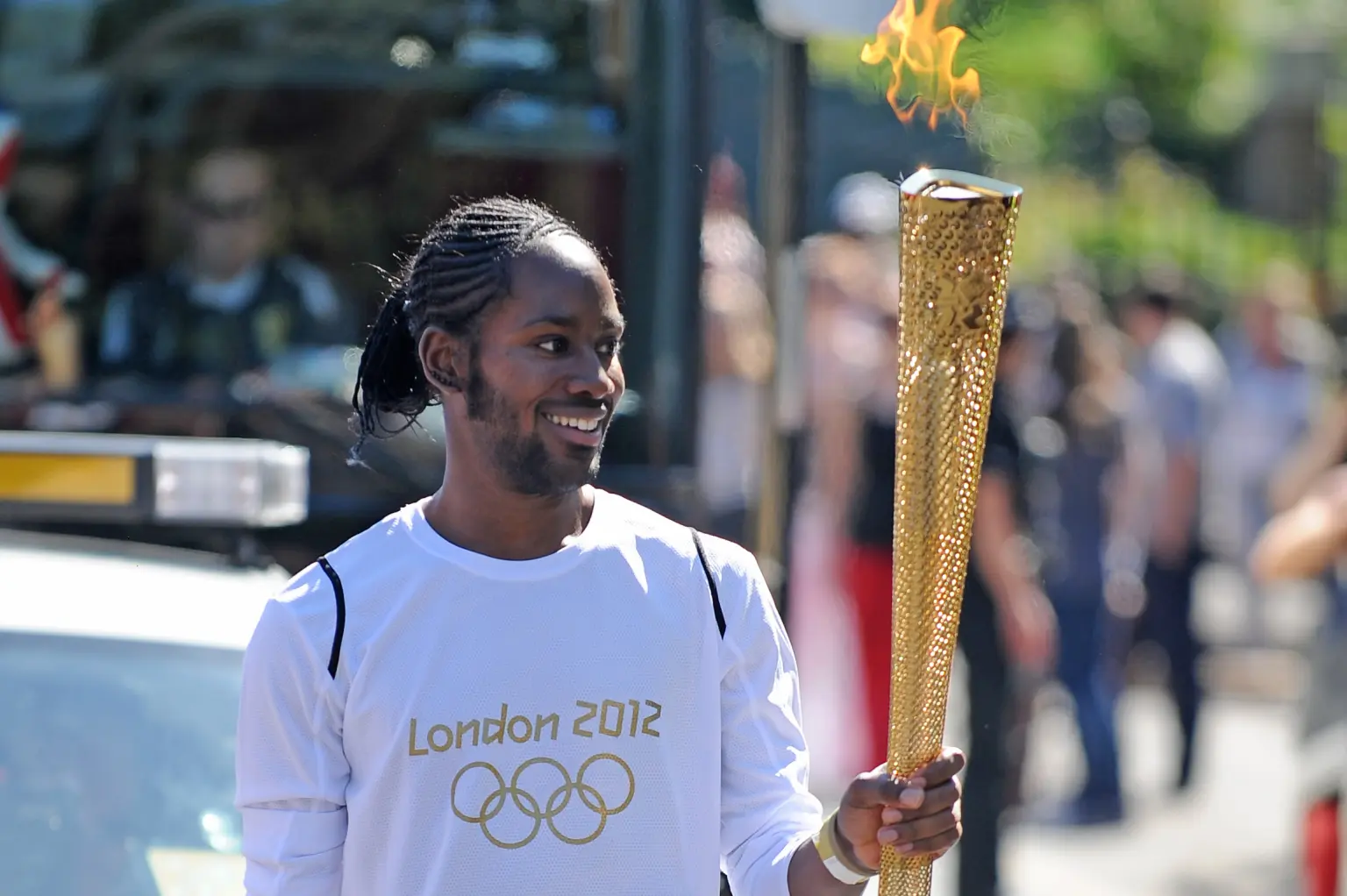
Former Cambridge Professor Jason Arday Dies at 41 as UK Leader Calls for Reflection
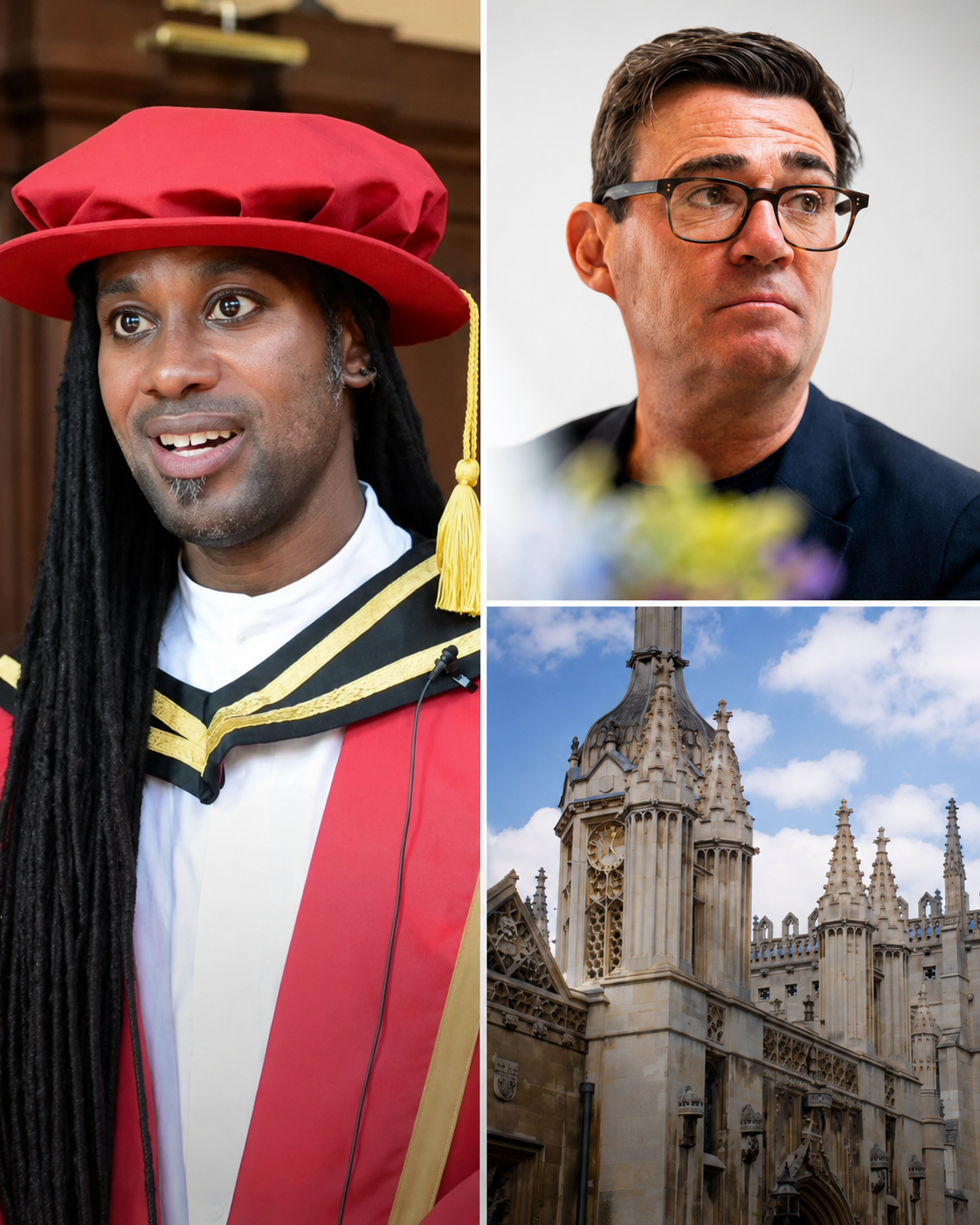
Former Cambridge Professor Jason Arday Dies at 41 as UK Leader Calls for Reflection
LONDON — The death of former University of Cambridge professor Jason Arday has prompted an outpouring of grief and renewed questions about the intense scrutiny he faced during the final weeks of his life.
Arday, 41, was found unresponsive at a property in Battersea, south London, on August 14. Emergency services pronounced him dead at the scene. Police said the death was unexpected but was not being treated as suspicious.
His death came only days after he resigned from Cambridge amid allegations concerning plagiarism in his academic work and questions surrounding aspects of his professional background. Arday denied deliberately plagiarizing material.
Cambridge’s Youngest Black Professor
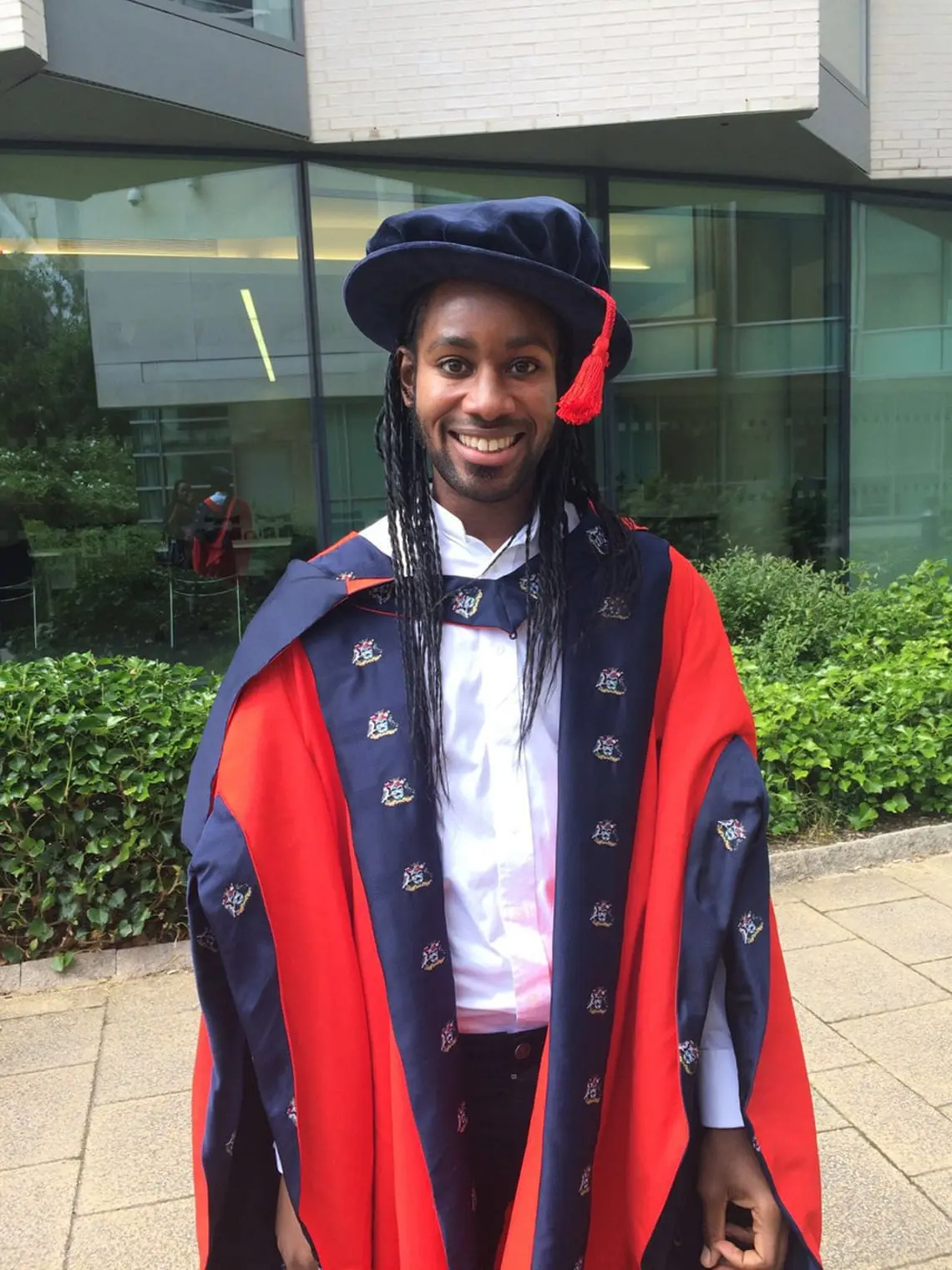
Arday made history in 2023 when he became Cambridge’s youngest Black professor, taking up a position as Professor of Sociology of Education.
His rise to one of Britain’s most prestigious universities had attracted considerable attention. He became known for his research into inequality, education and the experiences of Black students and academics.
His career also included work at other British universities and extensive involvement in discussions about race, education and social mobility.
Scrutiny Intensified Before His Death
In the weeks before his death, Arday faced growing scrutiny over allegations that parts of his doctoral thesis contained plagiarized material.
Additional questions were raised about claims associated with his academic career and personal achievements. Cambridge subsequently launched an investigation into matters surrounding his appointment and academic record.
Arday resigned from Cambridge shortly before his death.
His family later said he had been subjected to what they described as a sustained campaign of abuse and misinformation. They said the pressure had become overwhelming and asked the media to leave the family alone.
Prime Minister Calls for Reflection
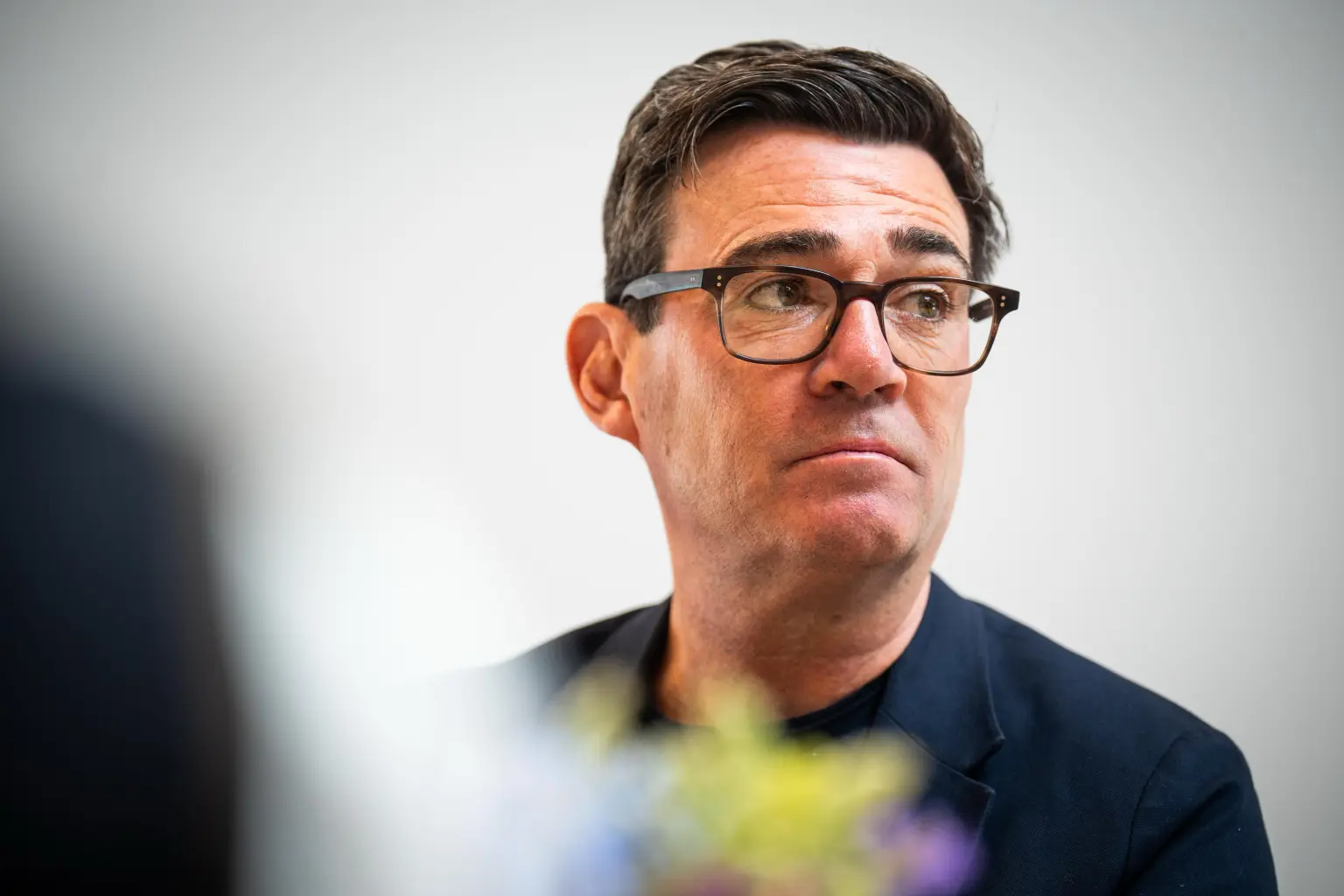
British Prime Minister Andy Burnham described Arday’s death as a “tragedy on so many levels” and urged people not to rush to judgment.
Burnham said the circumstances should instead be a moment for reflection, particularly for Arday’s family, friends and everyone who knew him.
His comments came as tributes poured in from across Britain’s academic community.
Cambridge Vice-Chancellor Deborah Prentice expressed deep sadness over the death and offered condolences to Arday’s family and friends.
Remembered as a Kind and Influential Academic
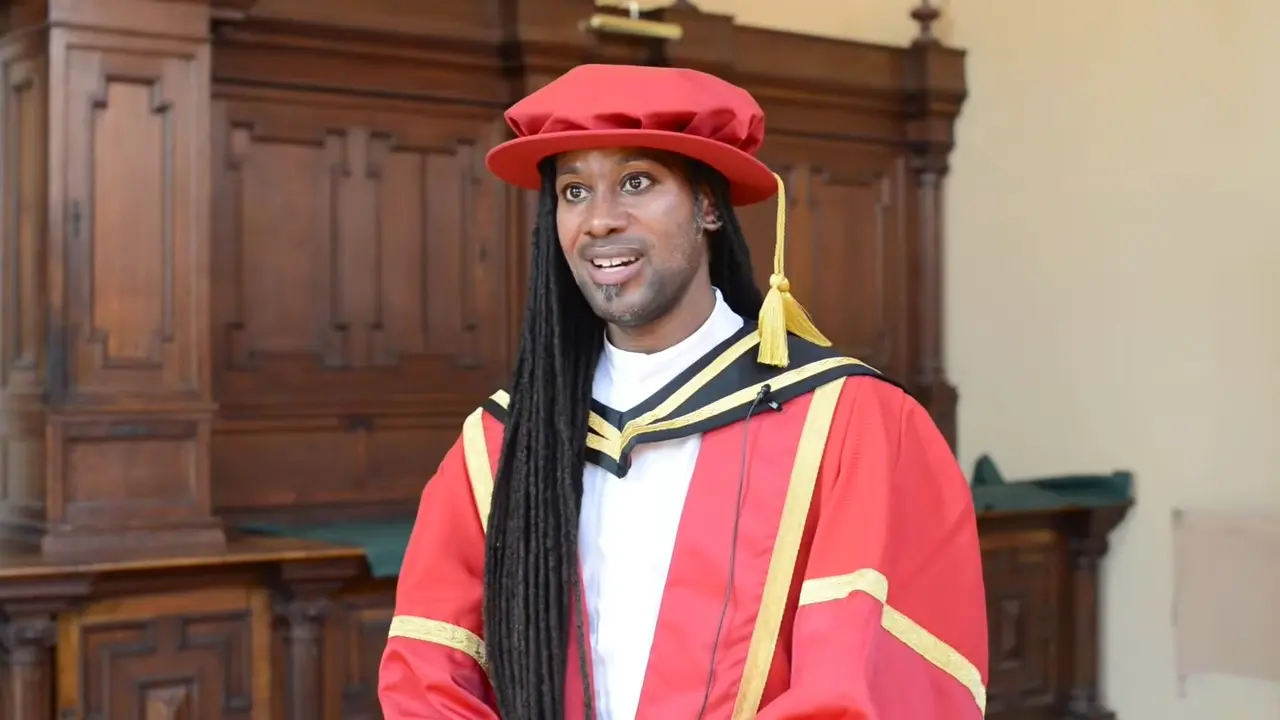
Friends and colleagues have remembered Arday as a compassionate person who cared deeply about education and helping others.
Sir Simon Baron-Cohen, a Cambridge professor who spoke with Arday on the morning of his death, said Arday had been experiencing intense pressure and described him as a kind and gentle man.
His supporters have also emphasized that his life should not be reduced to the controversy that surrounded his final weeks.
For many students and colleagues, Arday represented an important figure in British academia, particularly through his efforts to encourage greater representation and opportunity for underrepresented groups.
Questions Remain
Arday’s death has created a painful intersection between academic accountability, media scrutiny and personal tragedy.
The allegations surrounding his academic work remain separate from the circumstances of his death, and authorities have not publicly established a cause of death.
His family has asked for privacy while they mourn.
For now, the controversy that surrounded Arday’s final days remains unresolved, but the response to his death has made one thing clear: his career, achievements and the circumstances surrounding his downfall will continue to generate difficult questions about how universities, the media and the public respond when the reputation of a prominent figure comes under intense scrutiny.