From Atonement to Split: The 10 James McAvoy Movies That Best Show His Extraordinary Range
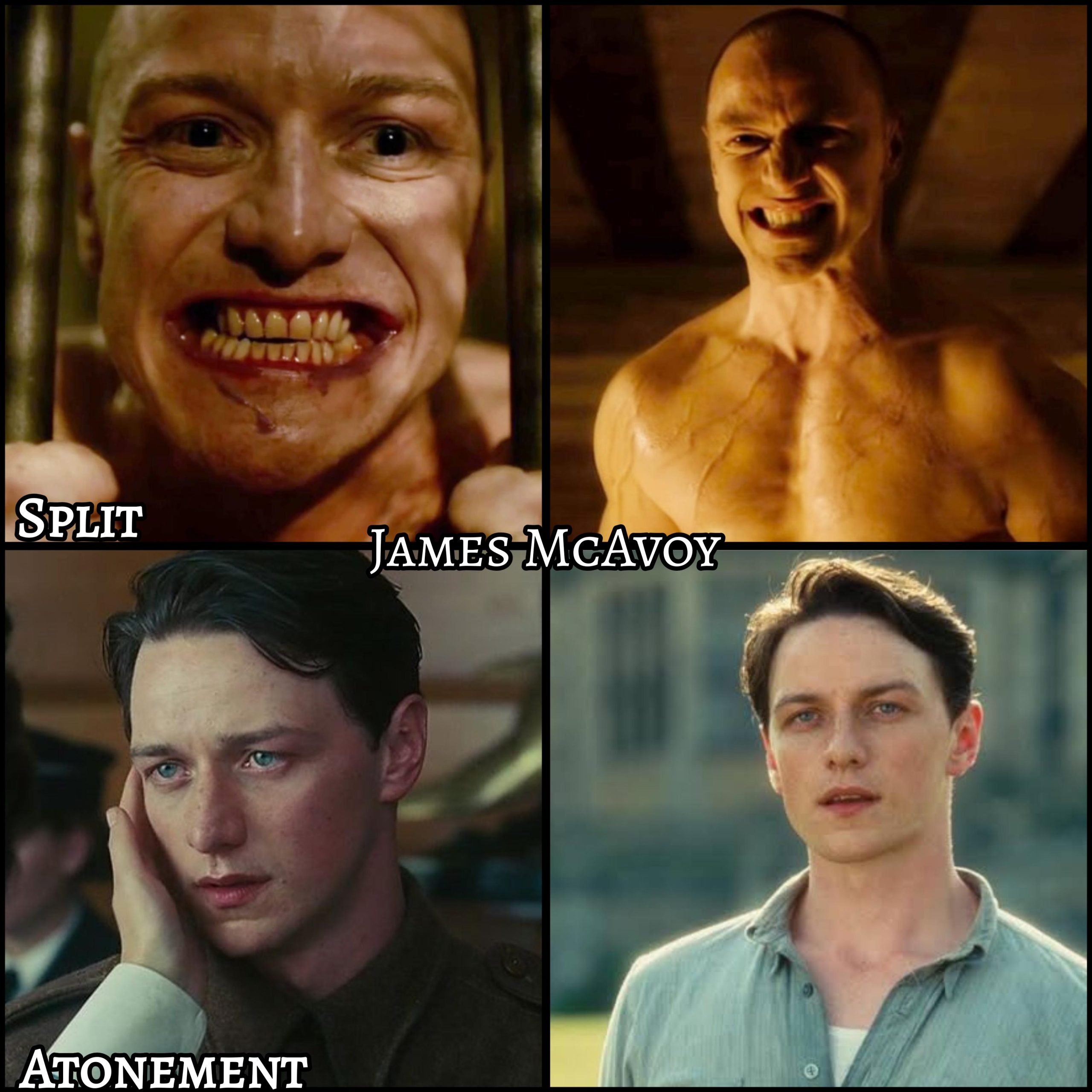
James McAvoy has built the kind of career that makes him difficult to define by a single role.
He has been a romantic leading man devastated by war, a young Professor X trying to prevent nuclear catastrophe, a viciously corrupt police officer, an ordinary office worker transformed into an assassin and, more recently, one of the most unnerving hosts in modern horror.
The Glasgow-born actor’s rise was already well underway when he became the first winner of BAFTA’s Rising Star Award in 2006. In the years that followed, major dramas, blockbusters and psychologically demanding performances demonstrated just how wide his range could become.
Ranking that career is inevitably subjective, but these 10 films stand out for the strength of McAvoy’s performances, the importance of the movies to his career and how clearly they reveal different sides of him as an actor.
10. Starter for 10 (2006)
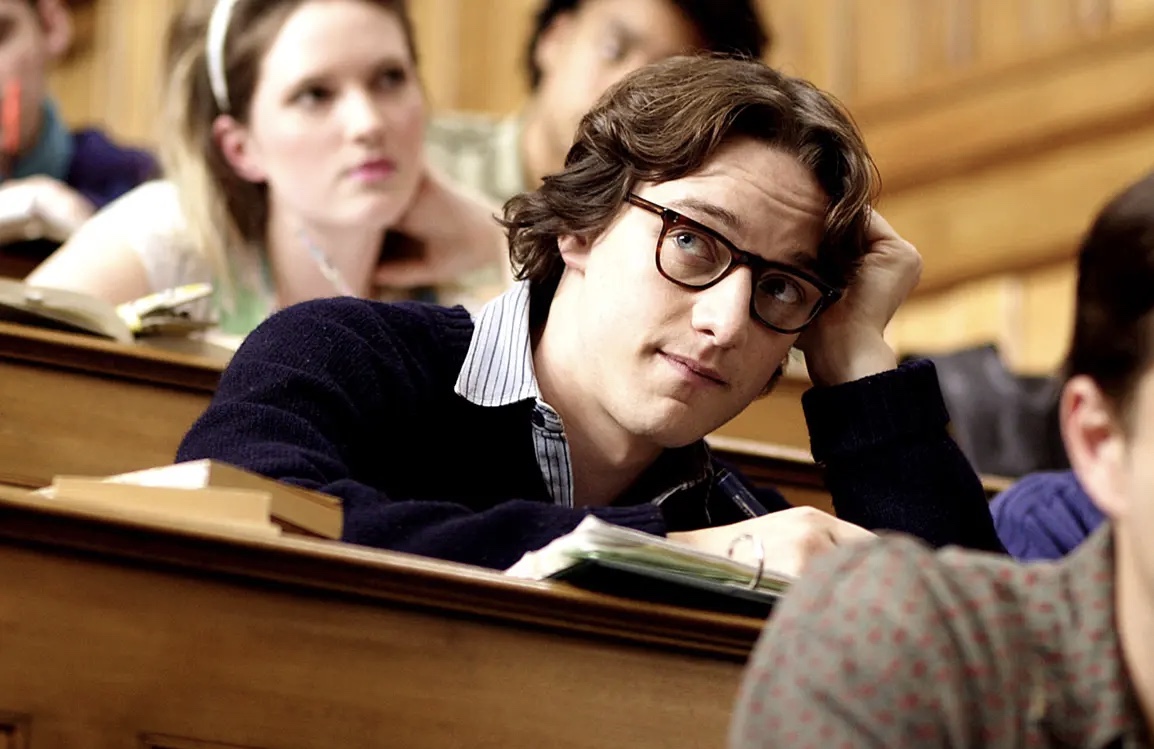
Before superheroes and psychological villains, McAvoy was wonderfully awkward as Brian Jackson, a working-class student entering university in the 1980s with enormous ambitions and considerably less understanding of life and romance.
Adapted by David Nicholls from his own novel, Starter for 10 follows Brian as he pursues a place on the television quiz program University Challenge while navigating friendship, class and competing romantic attractions.
McAvoy makes Brian intelligent without making him effortlessly cool. His insecurity is the point, and the result is one of the most likable early performances of his career.
9. The Last Station (2009)
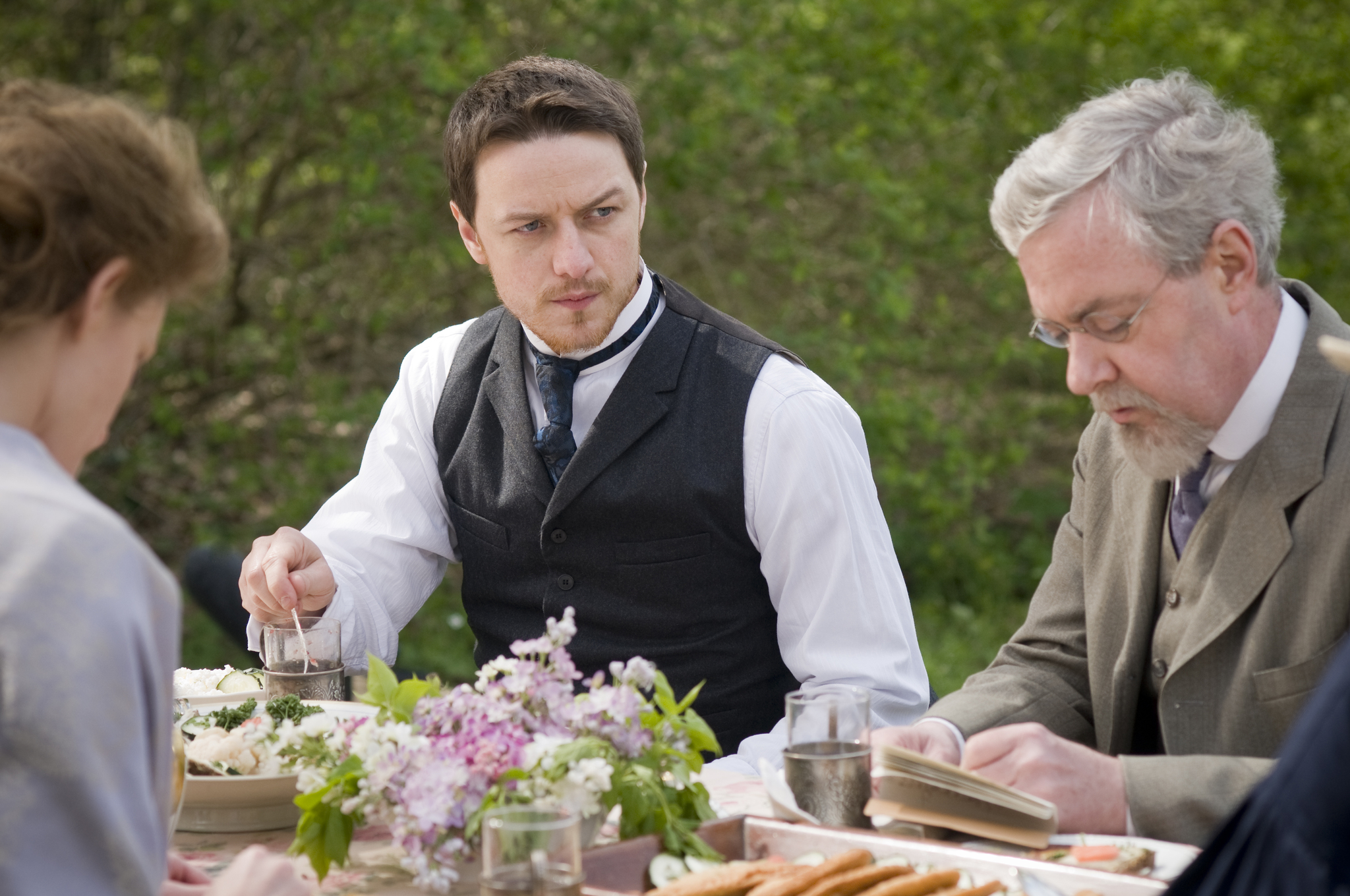
Surrounded by performers including Helen Mirren, Christopher Plummer and Paul Giamatti, McAvoy could easily have disappeared into the ensemble of The Last Station.
Instead, his Valentin Bulgakov becomes the audience’s way into the final turbulent period of Leo Tolstoy’s life.
Valentin arrives as an idealistic young secretary devoted to Tolstoy’s philosophy, only to become caught between competing loyalties, political ideals and his own developing ideas about love. The filmmakers explicitly positioned Valentin as the emotional center through whose eyes much of the conflict unfolds.
McAvoy’s restrained performance is an excellent reminder that he does not need explosive material to command attention.
8. The Chronicles of Narnia: The Lion, the Witch and the Wardrobe (2005)
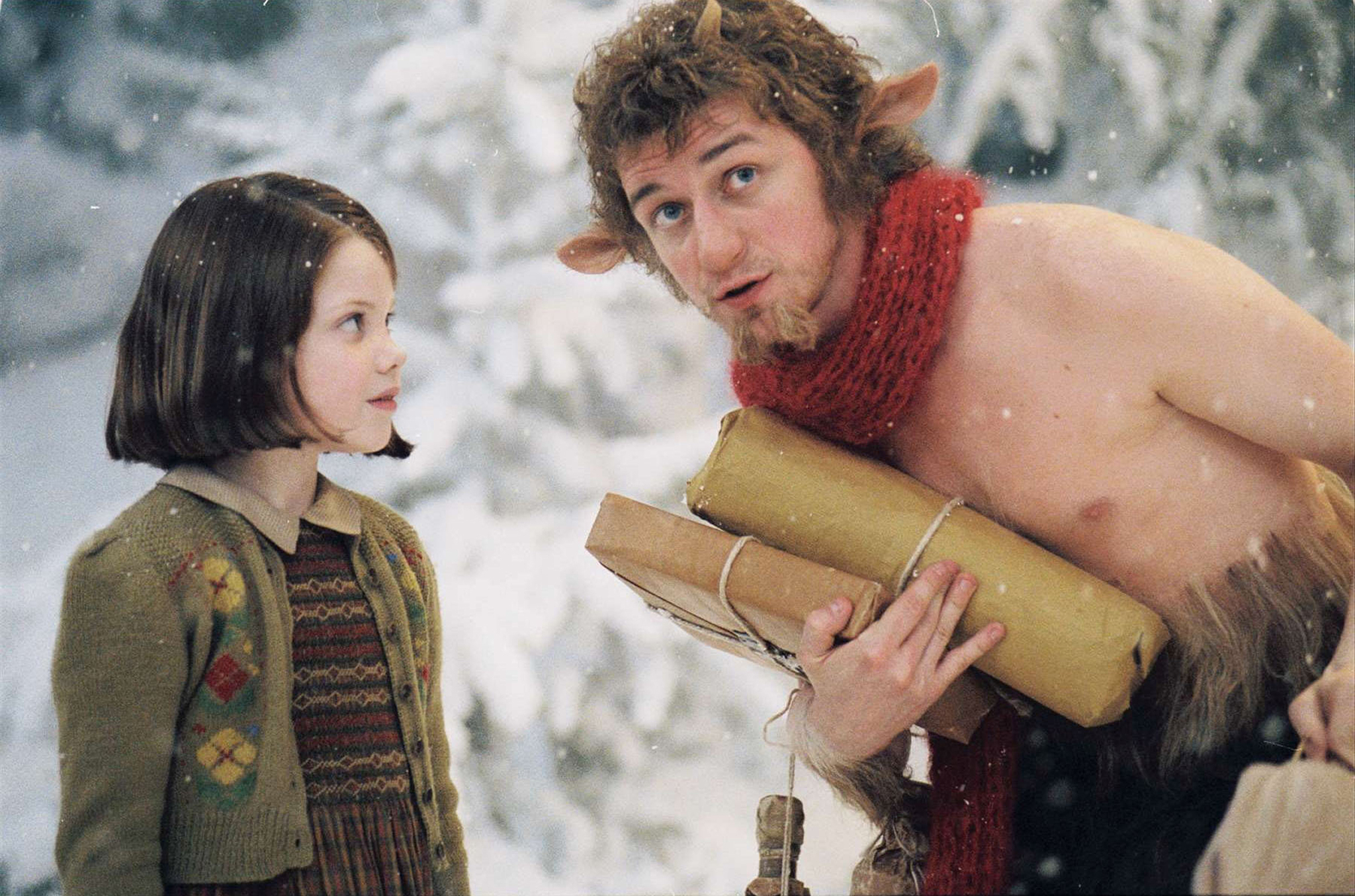
For an entire generation, McAvoy was Mr. Tumnus before he was Professor X.
Andrew Adamson’s fantasy adaptation introduced audiences to Narnia through the Pevensie children, with McAvoy playing the faun who encounters young Lucy after she enters the magical world through a wardrobe. Disney released the film in December 2005, just as McAvoy was moving rapidly toward international recognition.
Tumnus is gentle, frightened and morally conflicted, and McAvoy gives the fantastical character genuine warmth. It remains one of his most recognizable family-film performances.
7. Wanted (2008)

Then McAvoy proved he could carry a wildly stylized action movie.
In Timur Bekmambetov’s Wanted, he plays Wesley Gibson, a frustrated office worker recruited into a secret world of assassins. Angelina Jolie and Morgan Freeman provide much of the film’s star power, but Wesley’s transformation gives the story its momentum.
McAvoy works because he begins so far removed from the traditional action hero. The nervous, defeated employee gradually becomes capable of surviving a universe built around spectacular violence and impossible-looking gunplay.
It was one of the clearest demonstrations that his career could extend far beyond British period drama.
6. Speak No Evil (2024)
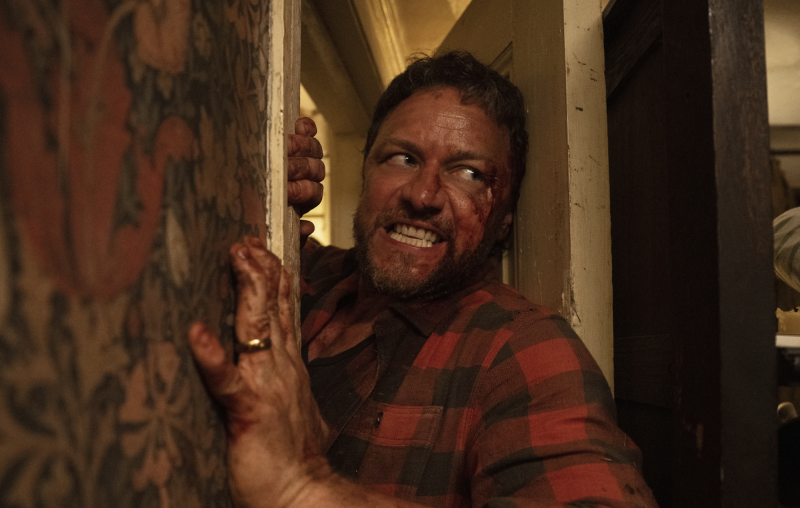
Few McAvoy performances demonstrate charm becoming menace as effectively as Paddy in Speak No Evil.
Directed by James Watkins, the 2024 psychological horror film follows an American family whose relationship with a seemingly charismatic British couple becomes increasingly uncomfortable and dangerous. McAvoy plays Paddy as funny, confident and socially magnetic before steadily allowing something much darker to emerge.
That gradual shift is what makes the performance work. Paddy does not immediately present himself as a conventional movie monster. The discomfort comes from watching ordinary hospitality turn into manipulation and intimidation.
It showed that nearly a decade after Split, McAvoy could still find a completely different route into cinematic terror.
5. Filth (2013)
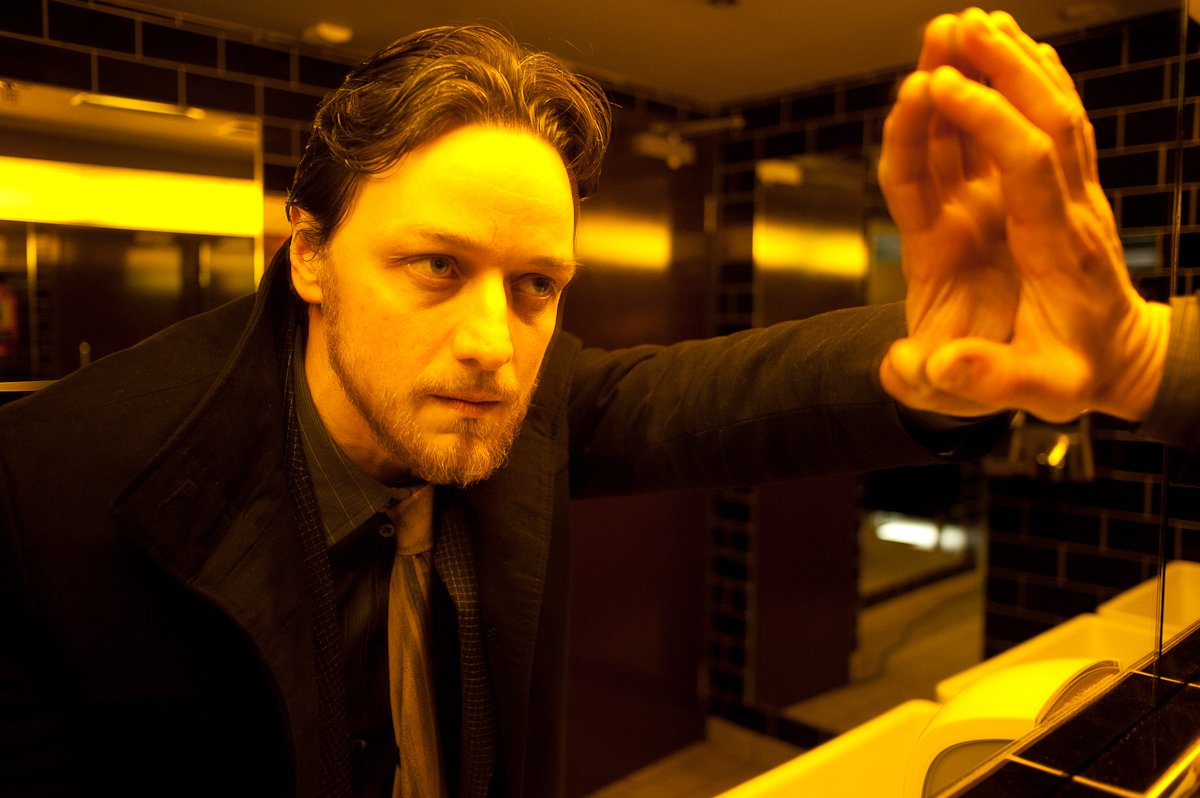
If anyone thought McAvoy’s natural likability limited the kinds of characters he could play, Filth destroyed that assumption.
Adapted from Irvine Welsh’s novel, the film casts him as Bruce Robertson, a corrupt Edinburgh police officer whose cruelty, addictions, manipulations and deteriorating mental state propel an increasingly dark story.
The performance brought McAvoy major recognition in British independent cinema. He won Best Actor at the 2013 British Independent Film Awards and later received the BAFTA Scotland acting prize for the role.
Bruce is frequently repellent, but McAvoy gradually exposes the damage underneath the character’s swagger. It remains one of the boldest performances of his career.
4. X-Men: First Class (2011)
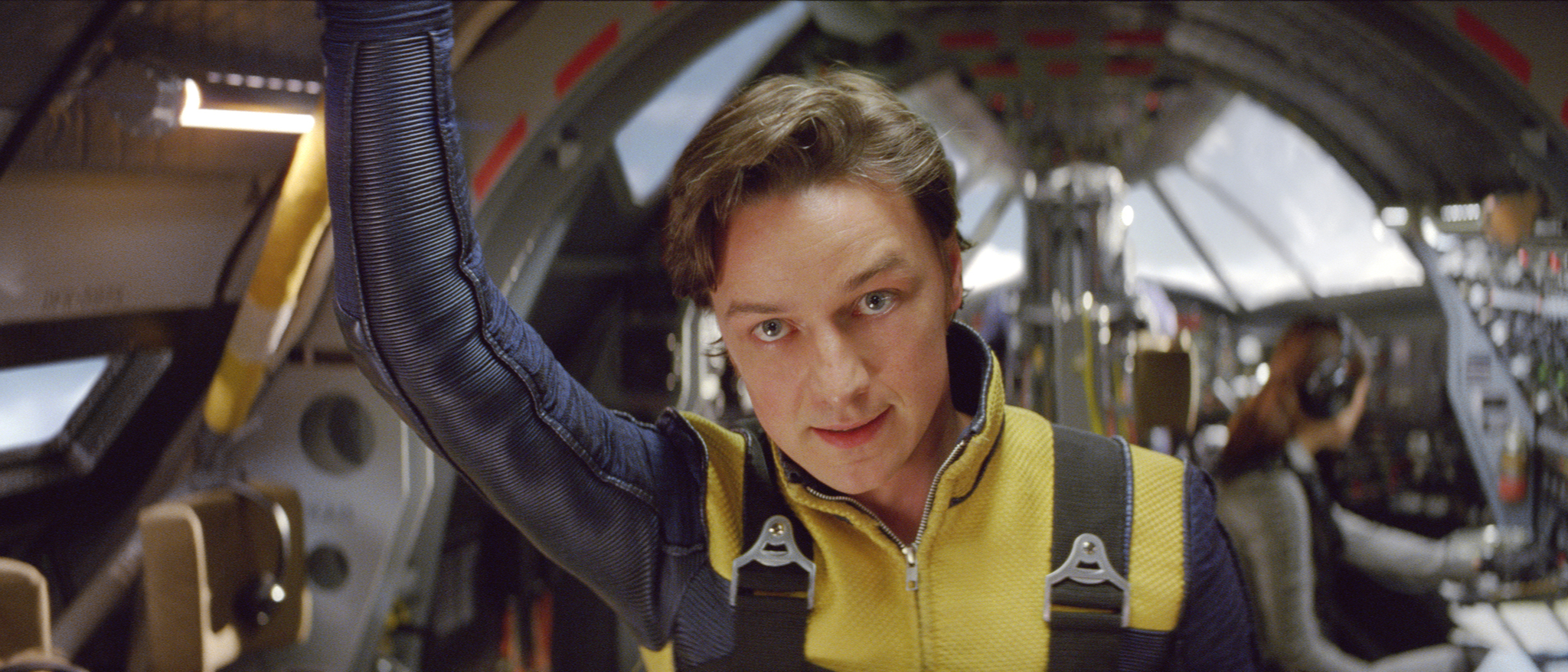
Taking over Professor Charles Xavier after Patrick Stewart had already made the character iconic was a daunting assignment.
McAvoy solved the problem by refusing to imitate Stewart.
Matthew Vaughn’s X-Men: First Class goes backward in time, presenting Charles and Erik Lehnsherr — played by Michael Fassbender — as young allies before they become Professor X and Magneto. Against the backdrop of the Cold War and the Cuban Missile Crisis, their friendship becomes the emotional foundation of the movie.
McAvoy’s Xavier is younger, more playful and considerably less solemn than the man audiences previously knew. Watching that optimism encounter tragedy made him a compelling centerpiece for a new era of the franchise.
3. The Last King of Scotland (2006)
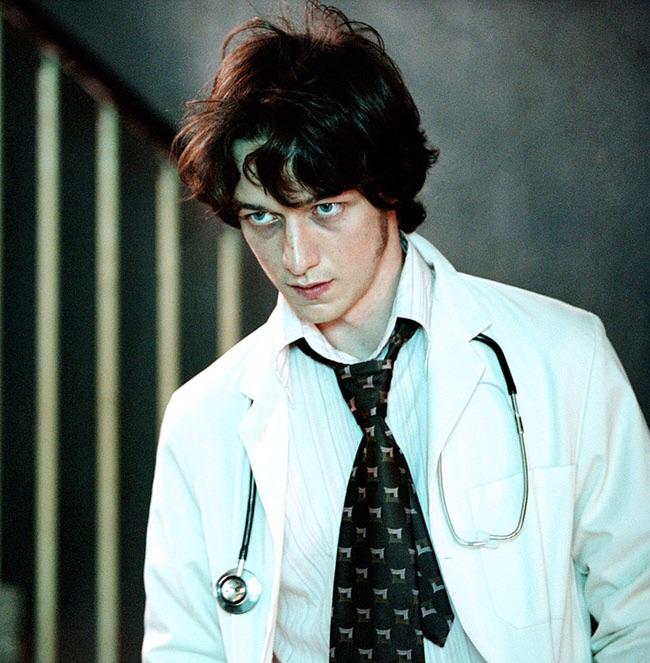
Forest Whitaker’s Oscar-winning portrayal of Ugandan dictator Idi Amin dominates The Last King of Scotland, but the audience experiences much of that terrifying world through McAvoy.
He plays Nicholas Garrigan, a fictional young Scottish doctor who becomes Amin’s personal physician. Initially fascinated by the leader’s charisma and the privileges surrounding him, Garrigan gradually realizes the danger of the world he has entered.
The film became an important breakthrough for McAvoy. His work earned a BAFTA supporting-actor nomination as well as a BAFTA Scotland acting win.
It demonstrated his ability to portray innocence turning into fear, guilt and desperate survival.
2. Split (2016)
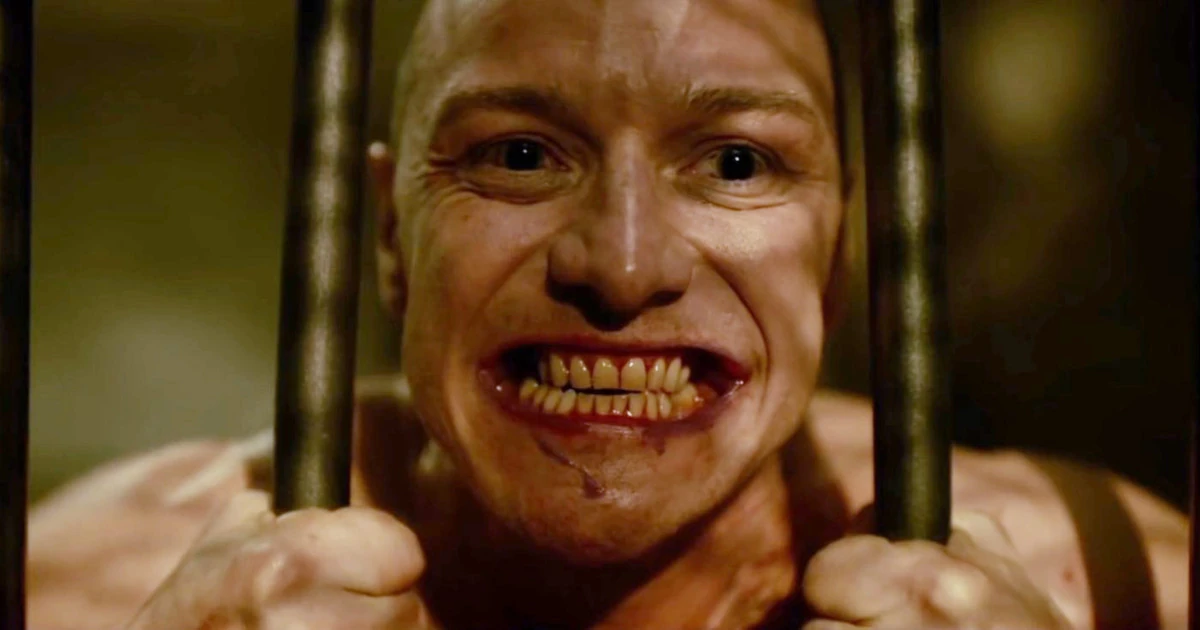
Split gave McAvoy perhaps his most technically showy challenge.
M. Night Shyamalan’s thriller casts him as Kevin Wendell Crumb, a man whose different identities can take control of his behavior. McAvoy must repeatedly alter posture, voice, expression and physical energy — sometimes with little more than a change in his face to signal that another identity has emerged.
The film attracted criticism from mental-health advocates for its portrayal of dissociative identity disorder, but McAvoy’s acting was widely singled out as the movie’s central attraction.
Characters including Dennis, Patricia and the childlike Hedwig feel sufficiently distinct that scenes can resemble an ensemble performance despite coming from one actor.
Few movies have relied more heavily on McAvoy’s sheer ability to transform in front of the camera.
1. Atonement (2007)
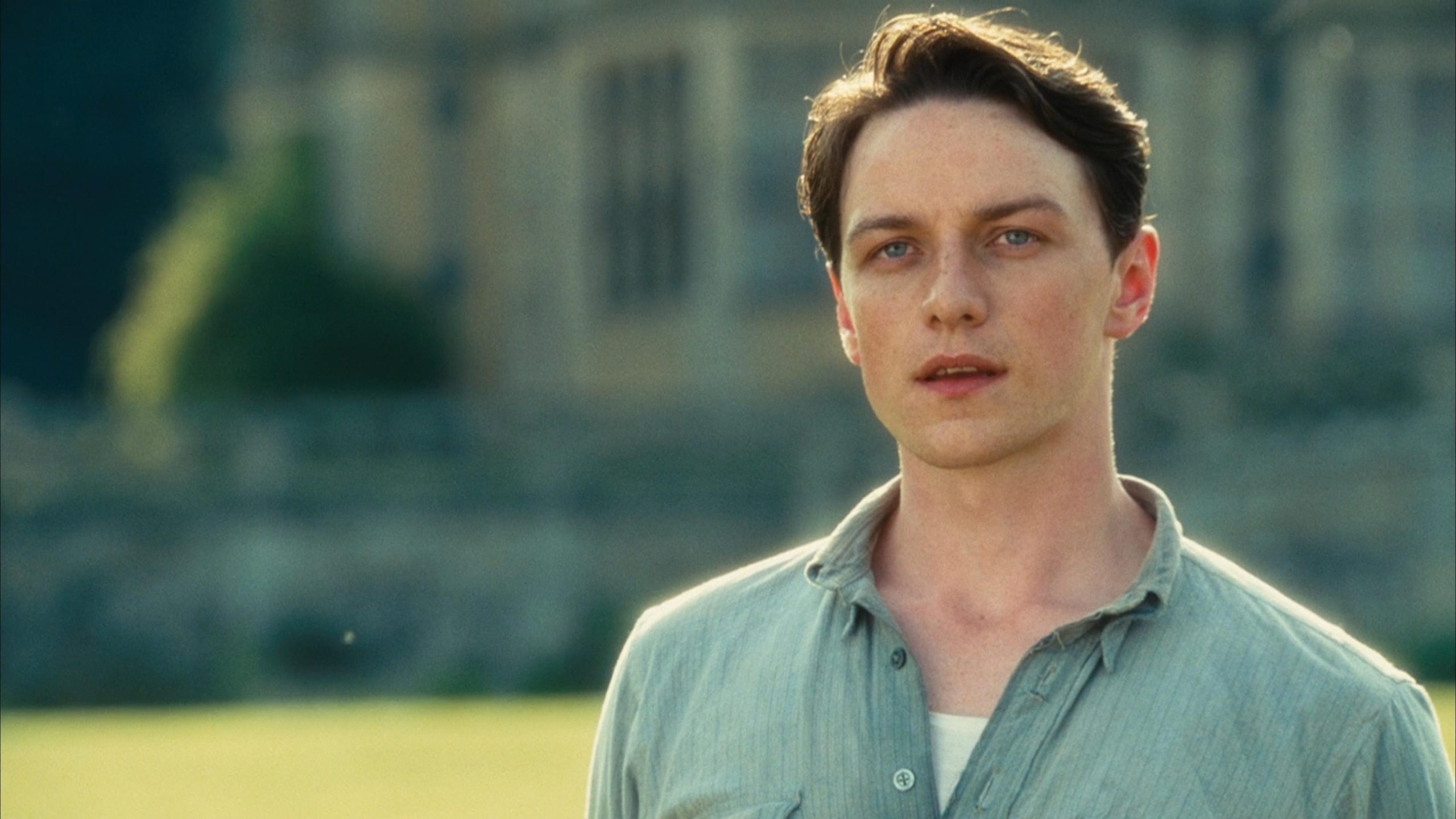
For all the villains, mutants and assassins he has played, McAvoy’s most enduring performance may still be Robbie Turner.
Joe Wright’s adaptation of Ian McEwan’s Atonement begins with Robbie and Cecilia Tallis, played by Keira Knightley, on the edge of a romance in 1935 England. A devastating accusation tears their lives apart, and World War II pushes their separation into something even more tragic.
McAvoy’s performance moves from youthful hope to exhaustion and heartbreak without losing Robbie’s fundamental humanity. His journey eventually reaches the beaches around Dunkirk, where Wright’s celebrated extended tracking shot places Robbie amid the chaos of soldiers waiting for evacuation.
The performance earned McAvoy a BAFTA nomination for Leading Actor, while the film received 14 BAFTA nominations overall.
More importantly, Atonement captures what McAvoy does best.
He can disappear inside extreme characters, dominate genre movies and command enormous franchises. But Robbie Turner requires something simpler and perhaps harder: making an audience believe completely in one man’s love, hope and devastation.
Nearly two decades later, it remains the performance against which the rest of his remarkable film career can be measured.