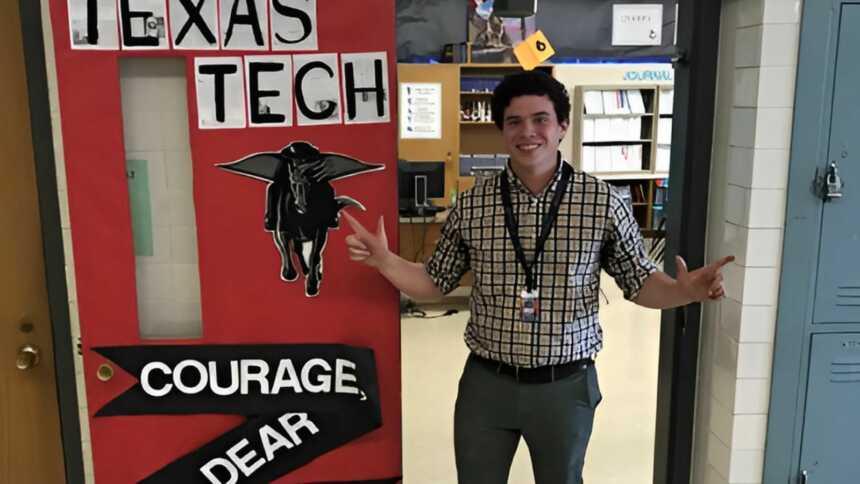
Taken From His Mother as a Child, Michael Hartsfield Clung to School and a Promise to Never Leave His Brother Behind
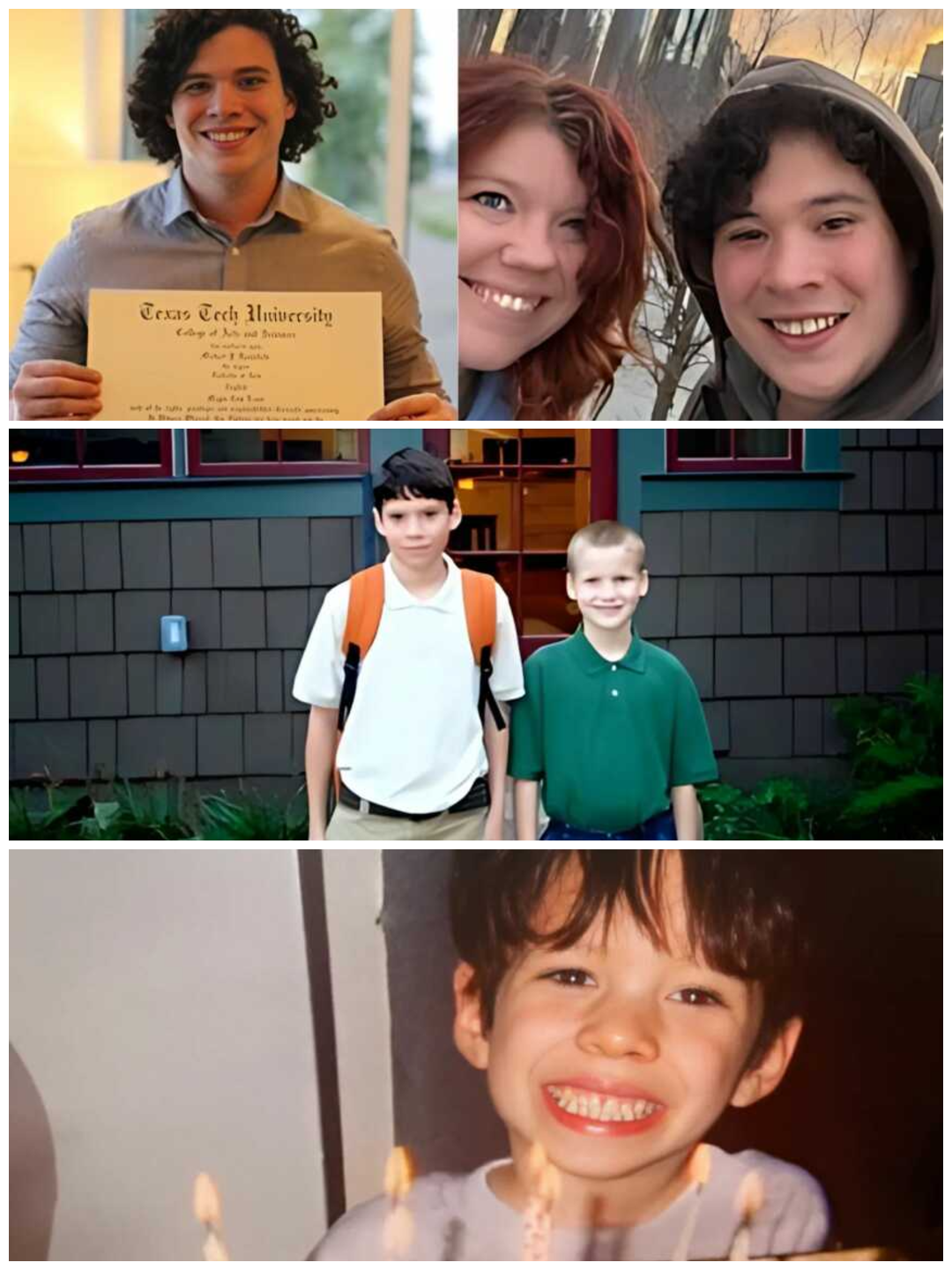
On the night Michael Hartsfield was removed from his mother’s care, his world was changing in ways he could barely control.
Yet one of the first things on his mind was surprisingly ordinary: school.
A Texas Department of Family and Protective Services report from that night described Michael as intelligent and articulate, but also deeply concerned about whether he would be allowed to return to his school and remain in gifted and talented classes.
He was entering foster care. He did not know where he would live or what would happen next.
But he knew two things mattered enormously.
He wanted to stay in school.
And he was not leaving his brother James behind.
That determination would eventually carry Michael through foster care, adoption and college—and into a career helping children whose lives often remind him of his own.
School Was the One Place That Felt Predictable
Long before foster care entered his life, Michael lived with instability.
Food and housing were uncertain. He worried about his own safety and James’ well-being. At an age when most children expect adults to take care of them, Michael had already begun assuming responsibility for his younger brother.
School became his refuge.
T.A. Sims Elementary offered something his home life often could not: consistency.
There, Michael knew he could receive two meals a day. He felt safe. He was proud of being a gifted and talented student, worked hard for strong grades and collected awards and student-of-the-month recognition.
Those achievements mattered enormously to him, even if they were not celebrated at home.
Michael came to see education as more than a place to learn.
It was his possible escape route.
He did not yet know what profession he wanted or what his future would look like. He simply believed that if he succeeded in school, he might eventually build a different life for himself and James.
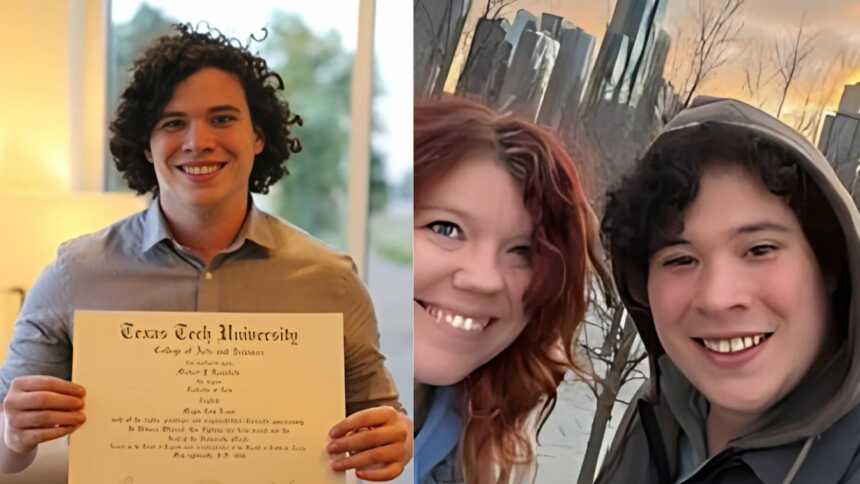
A Harry Potter Costume Revealed What He Tried to Hide
Michael worked hard to keep his difficult home circumstances separate from his school life.
One costume day made that nearly impossible.
Students were asked to dress as characters from books, and Michael chose Harry Potter. Hoping to compete for recognition, he searched his home for whatever he could use.
He found glasses, grabbed a stick and cut a hole in a black trash bag so he could wear it as a cape. A teacher later drew Harry Potter’s famous scar on his forehead with a brown marker.
Michael arrived excited.
Then he saw the other children.
Classmates asked why he was wearing a trash bag and questioned what his costume was supposed to be.
He ultimately appeared in the winners’ picture, leaving him with conflicting emotions. He was proud that his effort had been recognized, but embarrassed because the costume exposed something he had been trying to conceal.
His classmates could see that his circumstances were different.
For a child who viewed school as his safe place, that realization was painful.
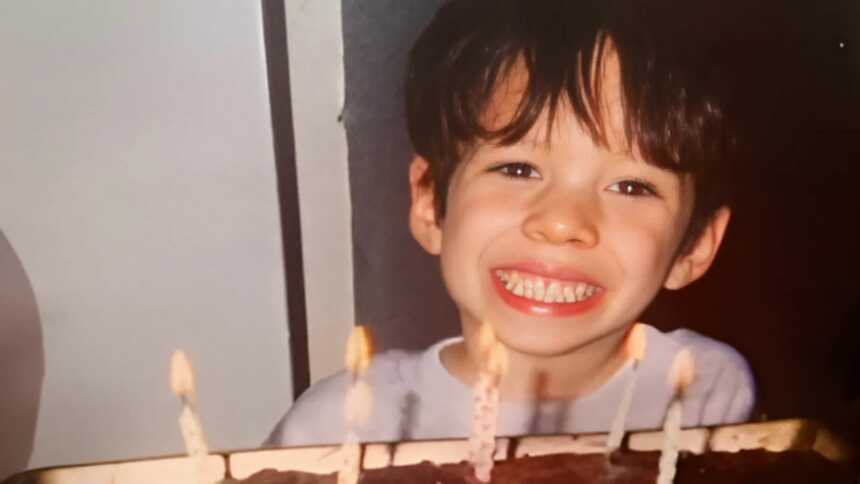
At Home, He Was Already Acting Like a Parent
Michael’s responsibilities extended far beyond homework.
He regularly walked James to school, even though doing so made Michael late for his own classes almost every day.
Weekends created another challenge.
Michael would ask people for money or sell things at school so he could get food for his brother. Whatever cash he obtained had to be hidden from his mother.
Their weekend meals often came from Church’s Chicken.
Even personal belongings were uncertain.
Michael once received a guitar at a Christmas giveaway and was thrilled by the gift. He played it late into the night despite not yet knowing how to play properly. The excitement did not last long.
One day, he returned home and discovered the guitar was gone.
His mother told him it had been stolen. Someone else living in the home later told Michael that his mother had sold it.
Experiences like that taught him not to assume that anything would remain his for long.
That made his relationship with James even more important.
Objects could disappear. Homes could change. Adults could disappoint him.
His brother was the person Michael was determined not to lose.
Foster Care Brought Fear — but the Brothers Stayed Together
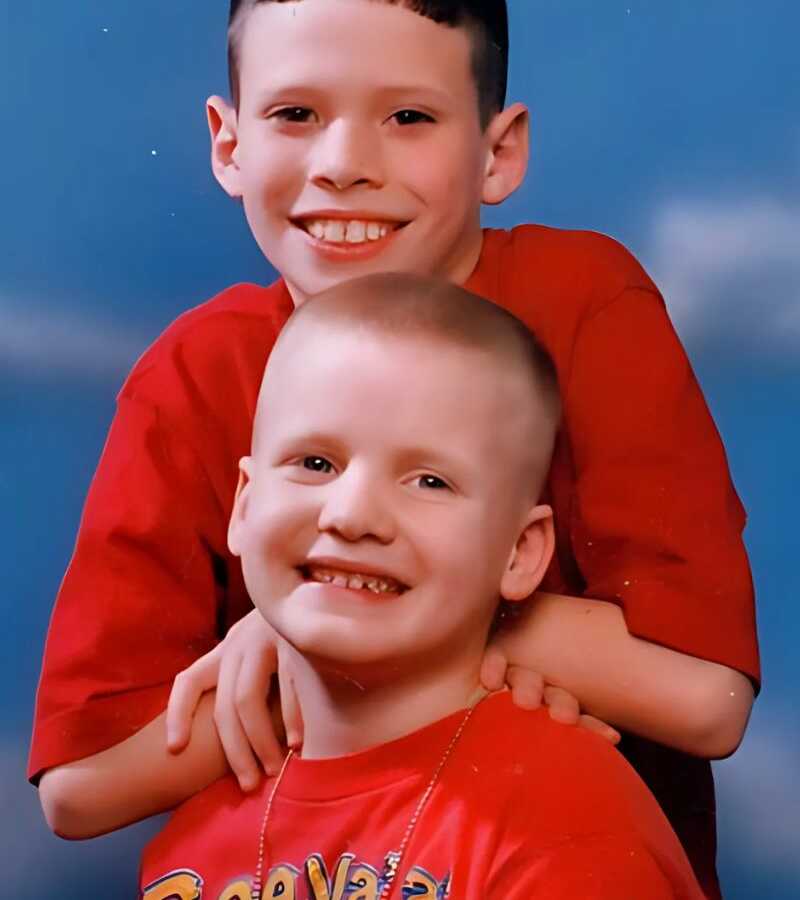
When authorities removed Michael and James from their mother, Michael was frightened by what foster care might take away.
His school was one concern.
Separation from James was another.
Michael had already formed a clear promise in his mind: he would not abandon his brother, either while they were in foster care or after they became adults.
He even began thinking about work and money. While living with foster parents, he remembered asking how soon he could get a job. He kept used-car magazines in his bedroom and imagined a future in which he could build enough independence to take care of himself and James.
He did not know exactly what “making it” would mean.
He only knew they needed to get there together.
Then another major change arrived.
The brothers were adopted.
For Michael, it became the event that finally gave their future a foundation.
At 13, Someone Told Him He Could Stop Being the Parent
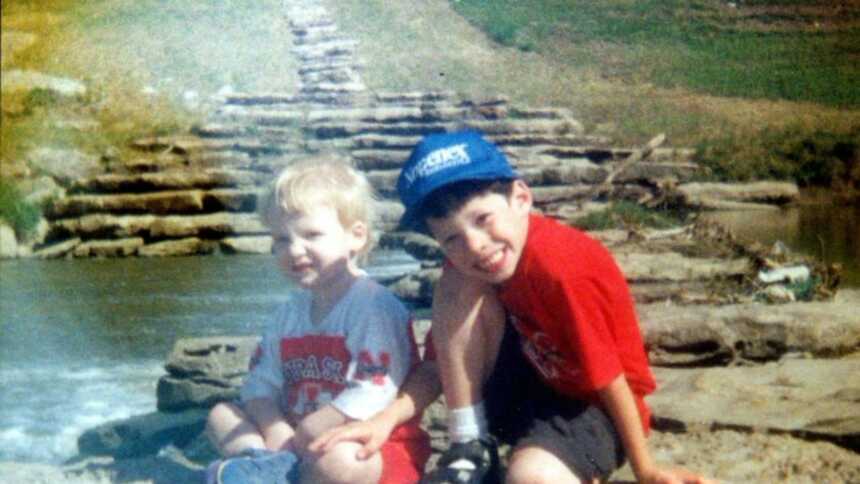
Adoption gave Michael something he had rarely experienced: stability.
But his habits did not disappear immediately.
He had spent so long feeling responsible for James that taking care of his brother had become part of his identity.
Then, at 13, his adoptive parents sat him down for an important conversation.
He did not need to parent James anymore, they explained.
They would take care of both boys.
Michael could finally be a child.
The message brought enormous relief.
For the first time, he had room to explore childhood instead of constantly preparing for the next crisis.
He joined sports, participated in UIL activities, played in bands and continued focusing on academics. His parents exposed Michael and James to opportunities they had never known before, including travel, summer camps and new activities.
Michael eventually visited six countries.
He later felt that his parents had tried to fit an entire childhood into the five years remaining before he left for college.
But stability did not make him less driven.
If anything, his parents pushed him to understand what he was capable of accomplishing.


His New Parents Expected More, Not Less
One lesson became unforgettable.
Michael once completed a school essay at the last minute and still received a perfect score.
Many parents might have celebrated the 100 written across the paper.
His adoptive mother did something entirely different.
She took the assignment back to school and asked the teacher to lower the grade.
She knew Michael had rushed the work and believed the score did not reflect the effort he should have given.
The message stayed with him.
His parents did not see him merely as a child who had survived difficult circumstances and should therefore be praised for getting by.
They had expectations.
They believed he could do more.
Michael credits that kind of love and accountability, along with the teachers who encouraged him at T.A. Sims Elementary and later Poetry Community Christian School, with shaping the person he became.
Eventually, those educators inspired his profession.

The Child Who Needed School Became an Educator
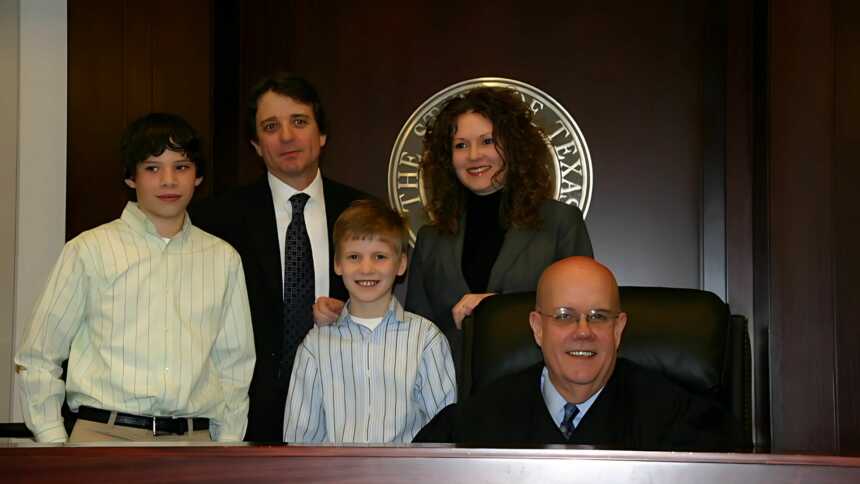
Michael grew up to become the kind of adult he once depended on.
He became a teacher and later an assistant principal.
Throughout his education career, he has worked in Title I schools, serving students whose circumstances can include some of the same struggles he knew personally.
He understands that a child sitting in class may be worrying about far more than a test.
A student may not know where the next meal will come from.
A child arriving late may have spent the morning taking care of a sibling.
A missing assignment may exist alongside problems at home that classmates and teachers cannot see.
Because Michael has lived versions of those experiences, small conversations matter to him.
Sometimes they happen in hallways. Sometimes over lunch.
He wants students to understand that an adult notices them, cares about what is happening in their lives and believes their future can become larger than their present circumstances.
Years ago, Michael viewed T.A. Sims Elementary as the one stable place in a life filled with uncertainty.
Today, he helps create that stability for other children.
The boy who once worried that foster care might take school away from him ultimately built his career inside schools.
And the promise that helped him survive those uncertain years was fulfilled too.
He and James made it through together.