From “Say My Name” to “Tread Lightly”: The Breaking Bad Lines That Turned Walter White’s Transformation Into TV Legend
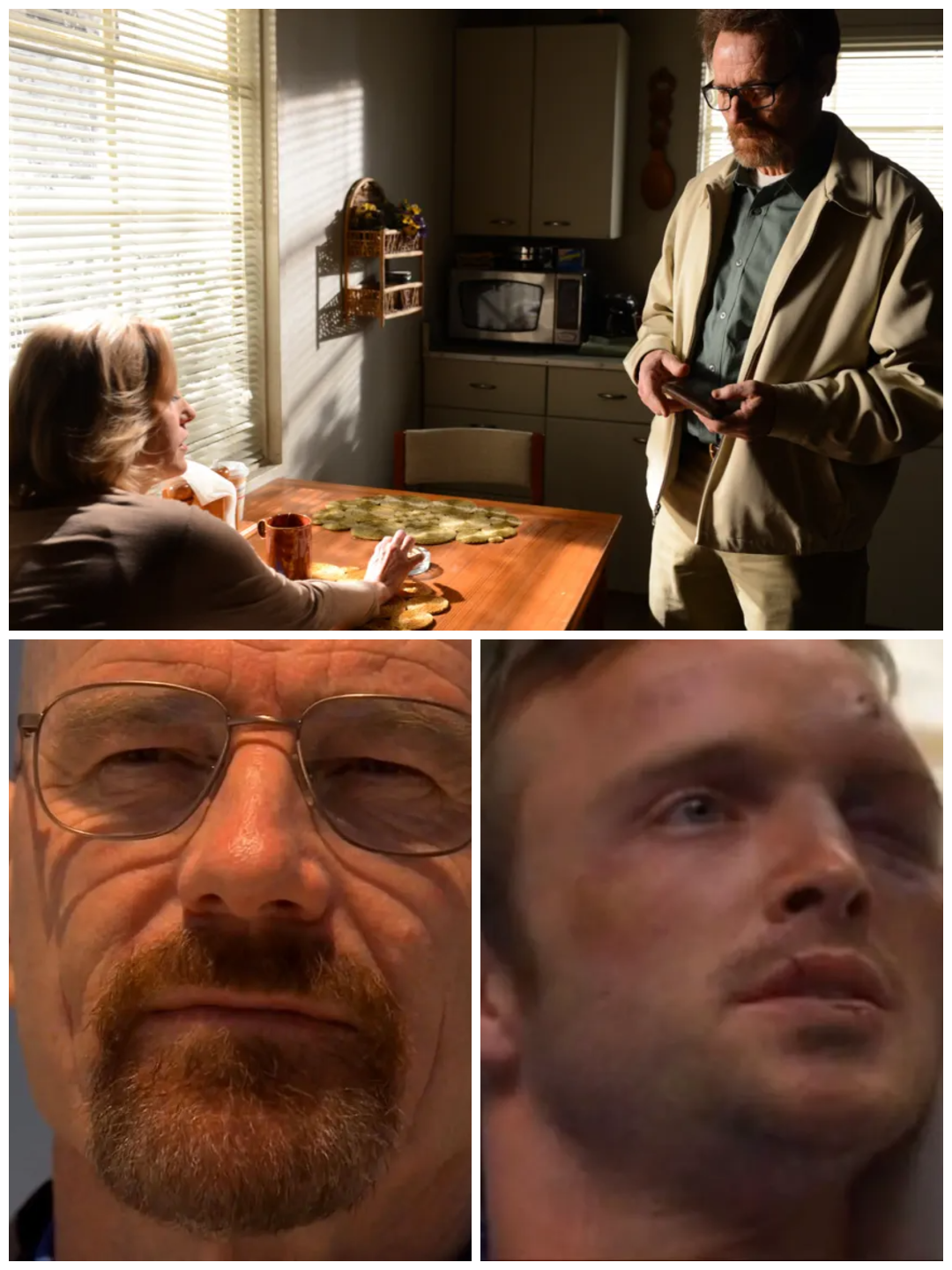
Few television dramas have produced dialogue as instantly recognizable as Breaking Bad.
A chemistry teacher quietly insisting someone “say my name.” A frightened husband suddenly declaring himself the danger. Mike Ehrmantraut warning Walter White about the cost of taking “half-measures.” Hank Schrader realizing the man he has hunted for years has been sitting across from him all along.
The words are often short.
The consequences behind them are enormous.
Across five seasons of Breaking Bad and its later movie continuation, El Camino, the series built some of its most memorable moments around characters finally saying aloud what had been developing beneath the surface for episodes—or sometimes years. A collection of 31 standout lines captures how humor, menace, arrogance and regret became inseparable from the show’s identity.
More importantly, those quotes reveal Walter White’s transformation from a desperate man trying to survive into someone who increasingly enjoys being feared.
Before Heisenberg, Walter Still Thought He Had Rules
Early Walter White does not initially see himself as a criminal mastermind.
He sees himself as a dying chemistry teacher making an extreme decision for his family.
That illusion becomes increasingly difficult to maintain.
Some of the earliest memorable dialogue comes from moments when Walter is still disgusted by the criminal world around him. His fury toward violent figures such as Tuco Salamanca reflects a man who believes there is still a meaningful distinction between himself and the people surrounding him.
One of the lines highlighted in the collection has Walter condemning another man as an irredeemable piece of filth who deserves to die.
The irony grows stronger as the series continues.
Walter becomes increasingly capable of the brutality he once believed separated him from “real” criminals.
That contradiction is one reason the dialogue hits so hard on repeat viewing. The audience knows where he is going even when Walter does not.
“Stay Out of My Territory” Marks a Change
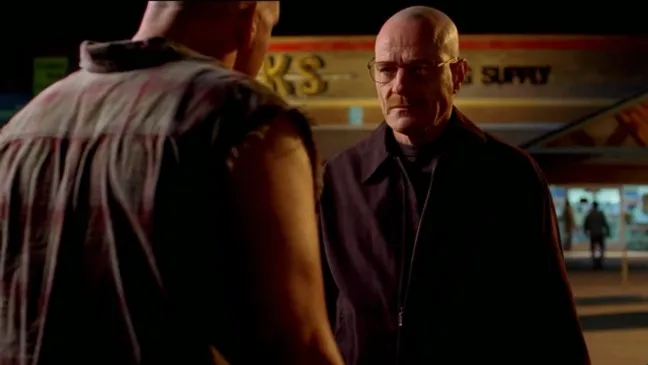
One of Walter’s most important transformations happens without a complicated speech.
He encounters other men buying equipment associated with meth production and realizes they are operating in the same world he has entered.
The old Walter might have walked away.
Instead, something territorial awakens.
His warning that they should stay away from his territory is one of the moments highlighted among the series’ standout lines.
The scene matters because Walter is no longer merely participating in crime because he believes circumstances forced him into it.
He is beginning to claim ownership.
The business is becoming personal.
So is the power.
Jesse Pinkman Makes the Darkness Funny
If Walter’s dialogue charts a descent into ego, Jesse Pinkman often supplies the emotional and comic counterweight.
Aaron Paul’s character can be reckless, immature and hilariously blunt, especially when reacting to Walter’s elaborate plans or the absurd situations surrounding their drug operation.
His vocabulary became one of the show’s signatures.
Yet Jesse’s funniest lines become increasingly painful as his circumstances worsen.
The young man introduced as an unserious former student eventually experiences betrayal, violence, grief and captivity.
That contrast is crucial.
Jesse can make viewers laugh one moment and force them to confront the human cost of Walter’s decisions soon afterward.
By the time El Camino continues Jesse’s story, the humor that once defined him exists beside a much heavier need for freedom and survival. The quote collection extends beyond the original series to include the movie continuation as part of that legacy.

Mike’s “Half-Measures” Warning Became a Philosophy
Mike Ehrmantraut rarely wastes words.
That makes his speeches particularly important.
One of his defining moments comes when he explains why hesitation can be more dangerous than decisive action. His conclusion—“No more half-measures”—became one of the most famous ideas associated with the character. The line was significant enough that Aaron Paul later had the phrase tattooed on his arm, according to the quote collection.
Mike’s philosophy reflects the world the characters inhabit.
Once someone chooses violence, criminal partnerships and deception, partial commitment can make everything worse.
Walter repeatedly ignores Mike’s practical wisdom.
He improvises.
He allows pride to influence decisions.
He creates unnecessary enemies.
And he consistently believes his intelligence will allow him to escape consequences.
For a long time, it does.
Until it does not.
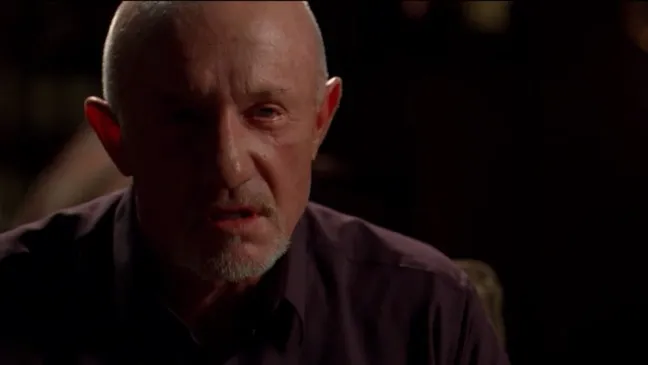
“I Am the One Who Knocks” Changes How Walter Sees Himself
Perhaps no Breaking Bad speech captures Walter’s ego more completely than his confrontation with Skyler.
She fears that he is in danger.
Walter reacts almost as though the suggestion insults him.
He no longer wants to be understood as a frightened man surrounded by dangerous people.
He wants Skyler to understand that he has become the dangerous person.
The famous “I am the one who knocks” declaration is remembered because it sounds powerful.
But within the story, it is also deeply revealing.
Walter needs someone else to recognize his transformation.
His pride demands it.
The speech is no longer about protecting his family.
It is about identity.
Walter White has discovered Heisenberg—and he likes what Heisenberg makes him feel.
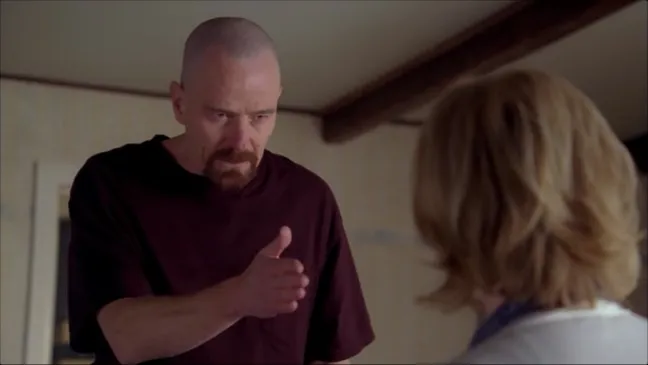
“Say My Name” Is Heisenberg at His Peak
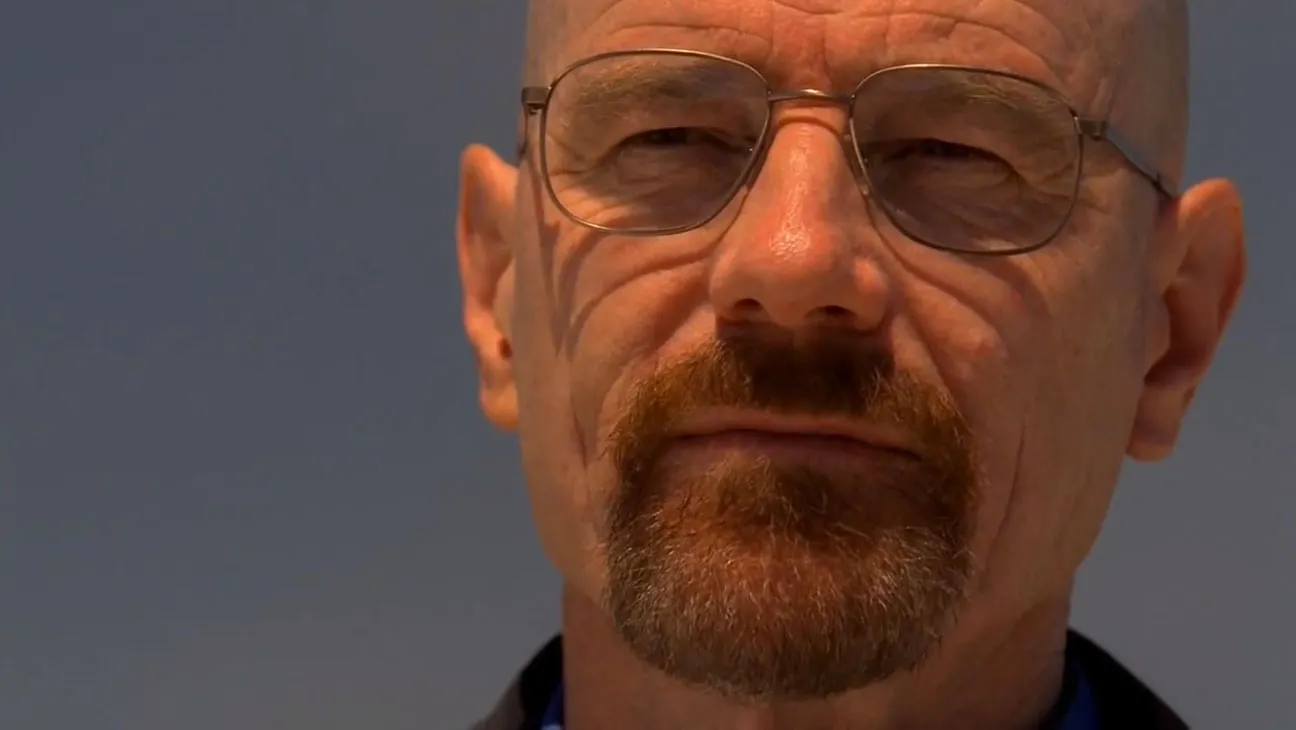
If the knocking speech is Walter announcing his transformation, “Say my name” is the moment he demands public recognition for it.
By this stage, his blue meth has created a reputation far beyond Albuquerque.
Walter knows his name carries fear.
He wants to hear someone else acknowledge it.
The collection specifically highlights the line among the defining quotes of the series.
The exchange is brief, but Bryan Cranston fills the silence around it with arrogance.
Walter is not celebrating money.
He is celebrating reputation.
That distinction becomes central to understanding why he keeps going long after financial necessity has disappeared.
The criminal empire has become proof that Walter is extraordinary.
And he desperately needs that proof.
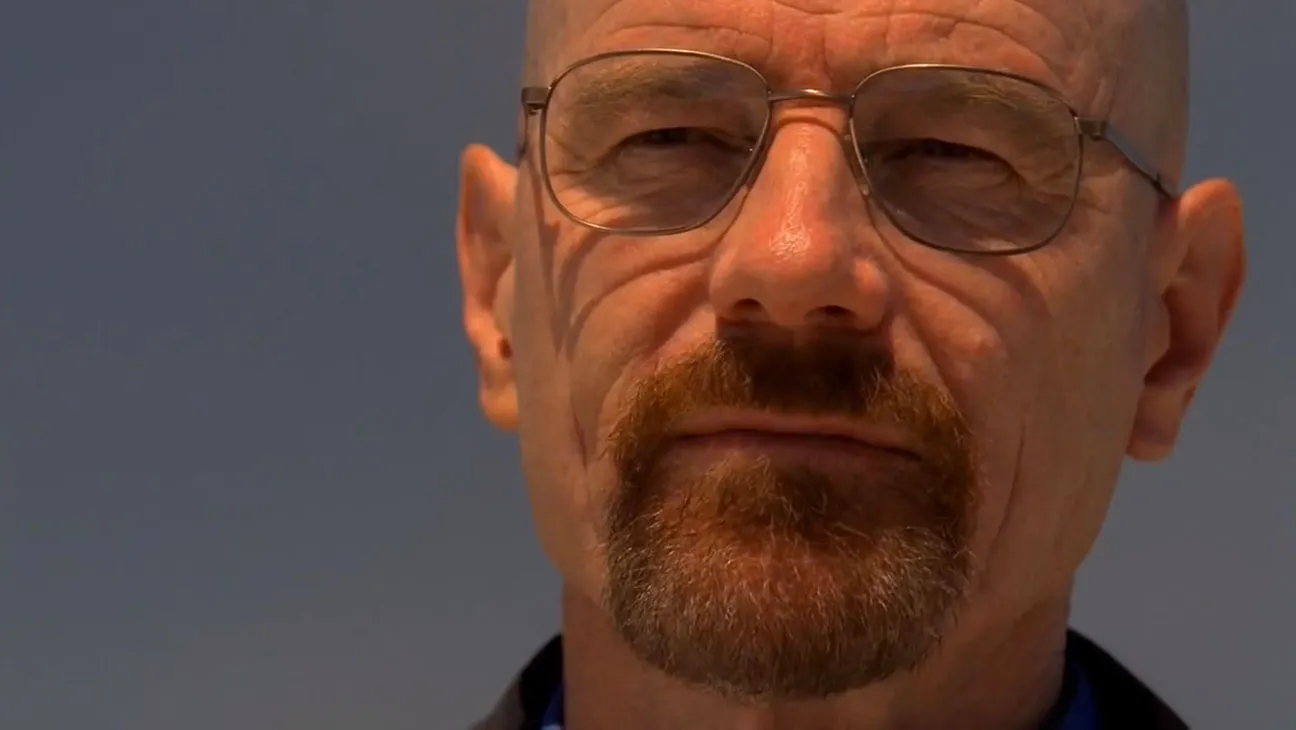
Hank’s Warning Turns the Entire Series Inside Out
For most of Breaking Bad, Hank Schrader hunts Heisenberg without realizing that the criminal mastermind is his own brother-in-law.
Once he finally discovers the truth, ordinary family interactions become almost unbearable.
The tension culminates in a confrontation between Hank and Walter.
Walter warns Hank that pursuing the case could lead somewhere dangerous.
Hank refuses to be intimidated.
Walter’s response ends with two deceptively calm words:
“Tread lightly.”
The quote is highlighted from Season 5, Episode 9, during the final stretch of the series.
What makes the moment chilling is not volume.
Walter barely needs to raise his voice.
Years earlier, he was terrified of Hank’s profession.
Now he is threatening him.
The family man and the drug lord have finally become impossible to separate.
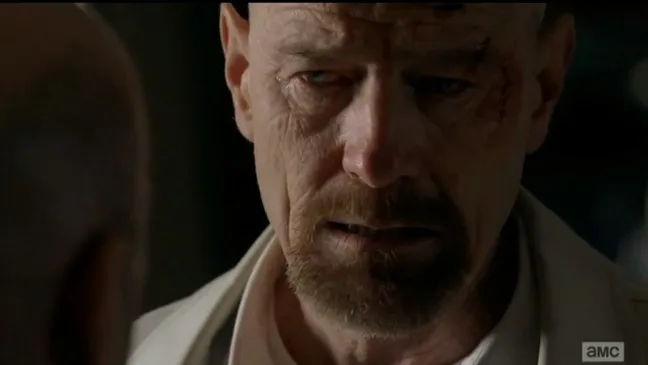
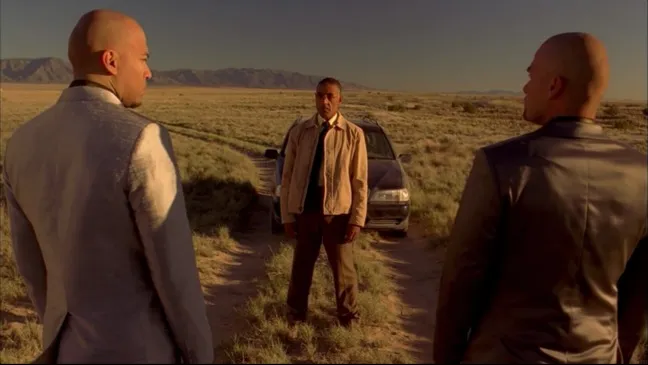
Gus Fring Shows That Calm Can Be More Frightening Than Rage
Walter is not the only character who benefits from unforgettable dialogue.
Gustavo Fring becomes terrifying precisely because he rarely loses control.
His politeness is calculated.
His professional appearance hides a man capable of extreme violence.
That creates one of the show’s most effective contrasts: the calmer Gus speaks, the more dangerous the situation can feel.
Unlike Walter, Gus does not constantly need others to admire him.
He understands power as something exercised quietly.
That difference becomes one of the central reasons their partnership is doomed.
Walter wants control.
Gus already has it.
Neither can tolerate the other for long.
The Final Confession Rewrites Walter’s Entire Story
For years, Walter insists he entered the meth business for his family.
His cancer diagnosis frightened him.
He worried about leaving Skyler and their children without financial security.
That explanation is partly true.
But it eventually becomes an excuse.
Near the end of the story, Walter finally stops using it.
In one of his most important final conversations, he admits the deeper reason behind everything.
He did it for himself.
He liked it.
He was good at it.
For a character who has spent years manipulating everyone around him—and often manipulating himself—the admission becomes one of the rare moments of complete clarity.
The genius of the confession is that it does not redeem Walter.
It simply makes him honest.
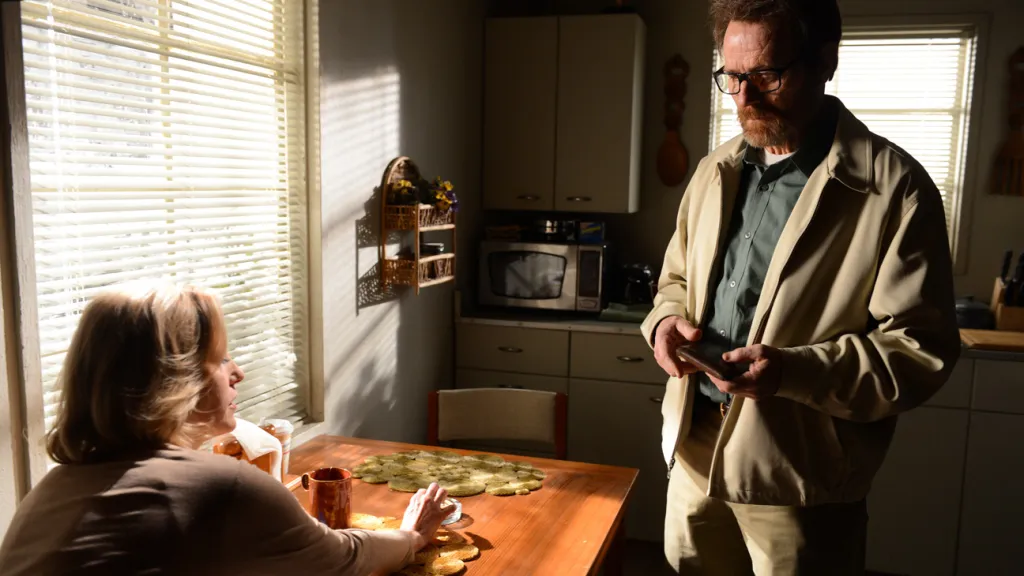
The Best Breaking Bad Quotes Work Because They Reveal Character
The enduring lines from Breaking Bad are not memorable only because they sound cool.
They chart transformation.
Walter’s vocabulary changes as his confidence grows. Jesse’s jokes become surrounded by trauma. Mike’s practical warnings reveal a criminal code Walter refuses to follow. Gus turns restraint into intimidation. Hank moves from comedy to grim determination as his investigation becomes increasingly personal.
By the final season, even familiar words can sound threatening.
That is why phrases such as “Say my name,” “No more half-measures” and “Tread lightly” survived far beyond the scenes in which they first appeared.
They became shorthand for entire stages of the story.
Walter White begins Breaking Bad worried that he will die without leaving anything meaningful behind.
In the end, he leaves destruction almost everywhere he goes.
But he also leaves one of television’s most unforgettable transformations—and a collection of lines capable of bringing entire scenes back to life with only a few words.
You do not need to see the porkpie hat.
Sometimes all it takes is:
“Say my name.”