Nearly 30,000 Pounds of Raw Beef Recalled in U.S. Over Missing Import Inspection
Nearly 30,000 Pounds of Raw Beef Recalled in U.S. Over Missing Import Inspection
WASHINGTON — Nearly 30,000 pounds of raw beef imported from Argentina has been recalled after federal inspectors discovered that the products entered the United States without undergoing a required USDA reinspection.
The recall involves approximately 29,628 pounds of raw beef imported by Florida-based Corte Argentino USA LLC. The products were distributed to retailers and distributors in Florida and Texas, according to the U.S. Department of Agriculture’s Food Safety and Inspection Service (FSIS).
The FSIS classified the recall as Class I, the agency’s highest-risk category. That designation means there is a reasonable probability that consuming the affected products could cause serious health consequences or death. However, officials said no illnesses have been reported in connection with the recalled beef.
Beef Entered U.S. Without Required Reinspection
The problem was discovered during routine FSIS inspection activities.
Imported meat entering the United States is subject to reinspection to verify documentation, labeling, packaging, country of origin and the condition of the product. Depending on the circumstances, inspectors may also conduct additional examinations or testing.
In this case, the beef was shipped into the country without completing that mandatory reinspection process.
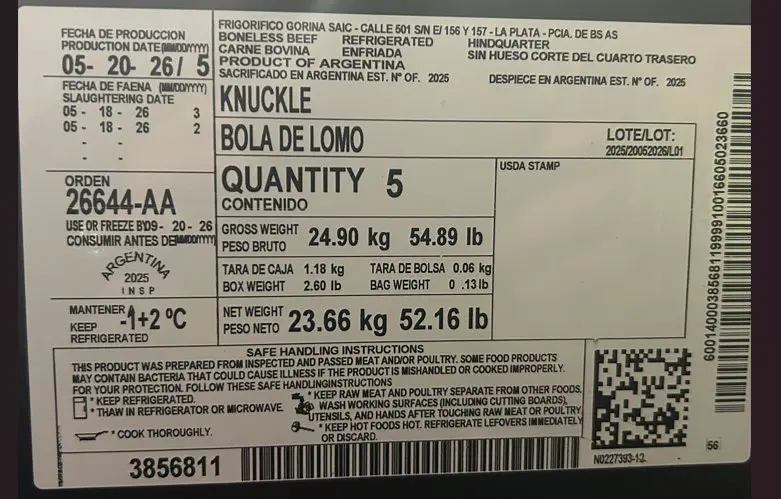
The recalled products were produced between May 15 and May 20, 2026, and carry use-or-freeze-by dates ranging from September 15 through September 20, 2026.
What Consumers Should Look For
The recalled beef includes several cuts, including:
- Top Sirloin Butt
- Eye Round
- Topside Cap Off
- Flat
- Knuckle
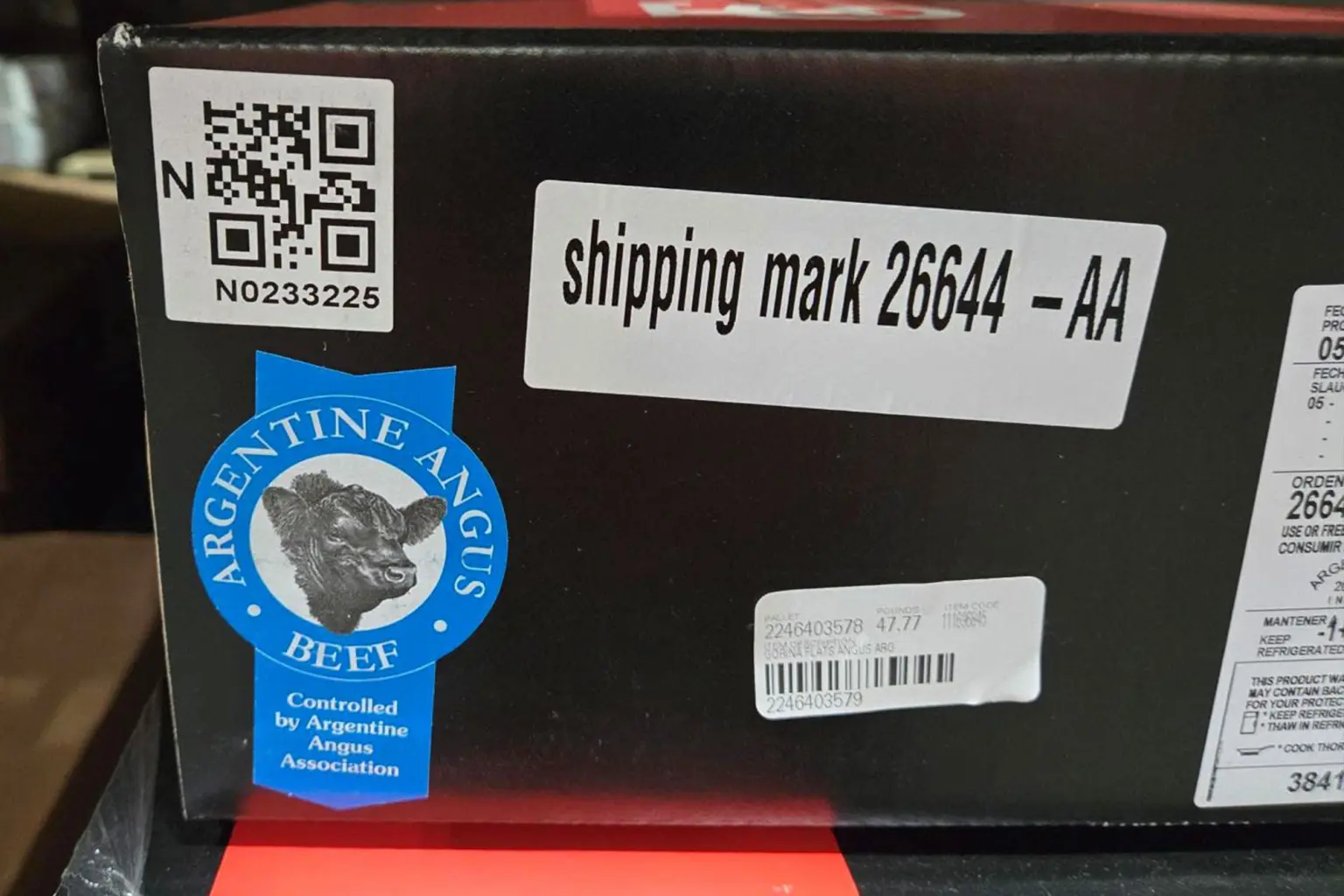
Consumers can identify affected products by checking the packaging for the Argentine establishment number “EST. N° OF. 2025” and shipping mark “26644-AA.”
Anyone who believes they purchased the recalled beef is advised not to eat it. Consumers should either throw the product away or return it to the place of purchase.
Because the beef is raw, consumers should also take care when handling or disposing of it to avoid cross-contamination with other foods or kitchen surfaces.
No Illnesses Reported
Although the recall carries the USDA’s highest-risk classification, authorities have not reported any illnesses associated with the products.
The Class I designation reflects the potential risk created by the failure to complete the required inspection process rather than confirmation that consumers have become sick from eating the beef.
The recall serves as a reminder that federal import inspections are an important part of the food-safety system, particularly for meat products entering the U.S. from overseas.
Consumers in Florida and Texas who have raw beef matching the recall information in their refrigerator or freezer should check the packaging carefully and avoid consuming the product until they can confirm whether it is affected.
For now, federal officials continue to monitor the recall while the recalled beef is removed from commerce.