George Michael Lost the Two People He Loved Most—Then Entered His Darkest Years
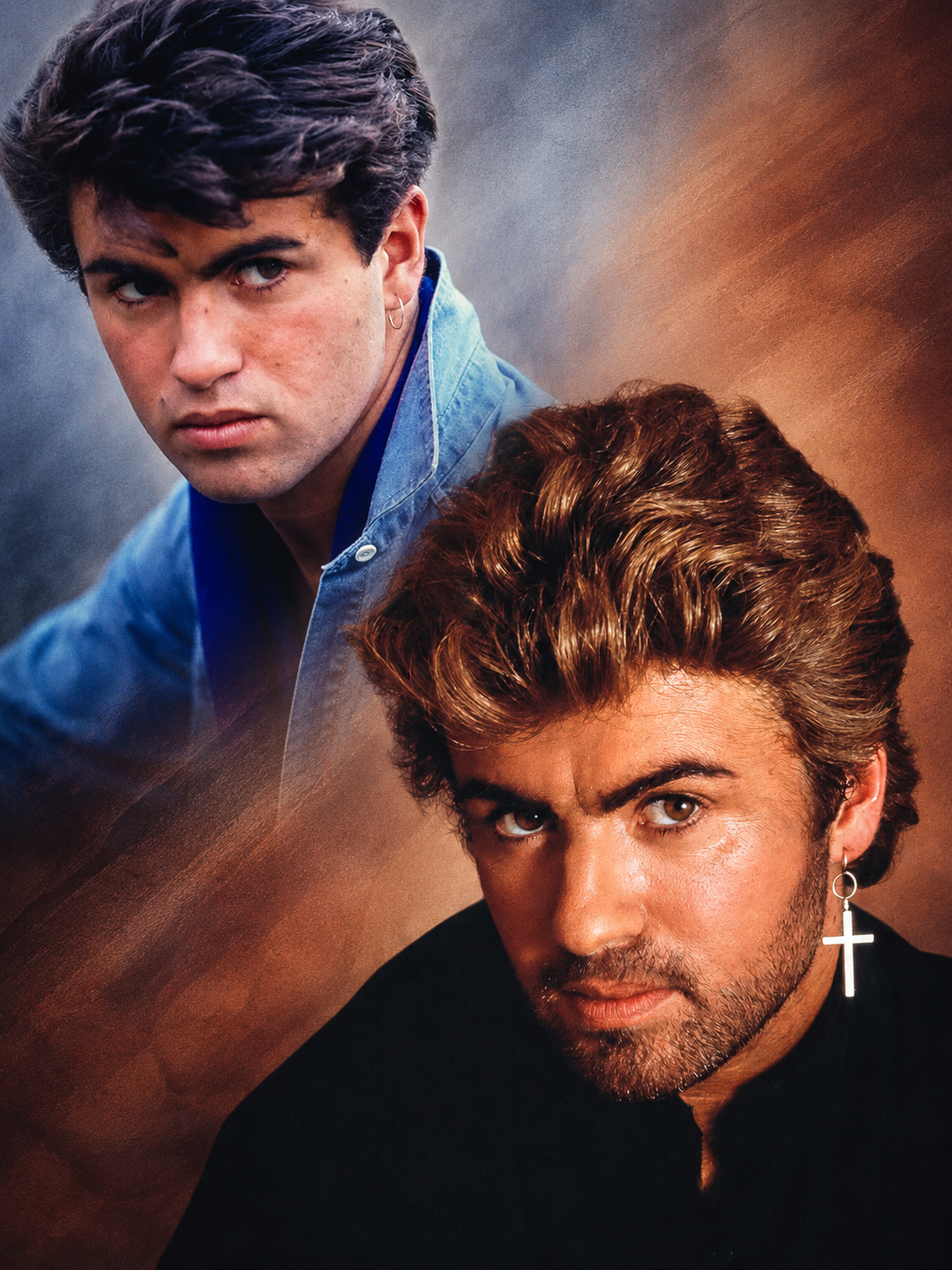
In January 1996, George Michael returned with a song that sounded less like a conventional pop single than a private farewell.
“Jesus to a Child” unfolded slowly, carried by a restrained arrangement and a vocal filled with grief. Most listeners did not yet know that Michael had written it for Anselmo Feleppa, the man he had loved and lost nearly three years earlier.
Feleppa had died from an AIDS-related illness in 1993. Michael was still not openly gay to most of the public, and his parents had not known about the relationship while Feleppa was alive.
The singer who had built a career around intimacy could not openly explain the most important love of his life.
Then, only a few years after losing Feleppa, Michael’s mother died from cancer.
The two deaths changed the direction of his music and left him trapped in a cycle of mourning, depression and fear. Behind the confidence of “Faith” and the bright romanticism of Wham! was a man who later said that, for years, he seemed to be either waiting for someone to die or grieving after they were gone.
A Star Who Controlled Everything but the Truth
Michael became famous in the early 1980s as half of Wham!, the duo he formed with his school friend Andrew Ridgeley.
The group’s image was colorful, playful and youthful. Songs such as “Wake Me Up Before You Go-Go” and “Club Tropicana” turned Michael into an international heartthrob, while “Careless Whisper” revealed the emotional sophistication that would define his later work.
When Wham! ended in 1986, Michael transformed himself into a more adult solo star. His 1987 album Faith produced major hits, sold millions of copies and earned the Grammy Award for Album of the Year.
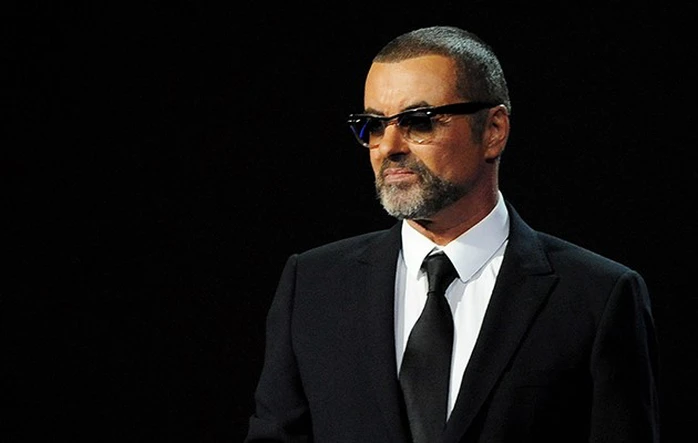
His new image appeared completely controlled: designer stubble, dark glasses, a leather jacket and an air of sexual confidence.
Privately, that confidence concealed uncertainty about his identity.
Michael later explained that he had once considered himself bisexual before accepting that he was gay. He worried about telling his parents, especially his mother, and feared how public disclosure might affect both his family and his career.
At the height of his fame, openly gay pop superstars were rare. The AIDS crisis had intensified prejudice, fear and moral judgment, while tabloid newspapers aggressively pursued celebrities suspected of hiding their sexuality.
Michael could write songs about desire, but the real person he desired often had to remain invisible.
Meeting Anselmo Feleppa
Michael met Brazilian fashion designer Anselmo Feleppa during the Rock in Rio festival in January 1991.
Michael later remembered noticing Feleppa in the enormous crowd while performing. Their connection developed quickly, and the relationship gave him something fame had not provided: the experience of being in love with a man.
But within months, Feleppa learned that he was HIV-positive.
The diagnosis came during a period when effective combination treatments had not yet transformed HIV from a frequently fatal condition into a manageable chronic illness. For Michael, the news brought both grief and terror.
He feared that he might also have contracted the virus. Waiting for his own test result became an agonizing period made worse by secrecy. He could not seek full support from his family because they did not know he was gay or that Anselmo was his partner.
Michael later described enduring months of fear while attempting to continue performing and appearing publicly as though nothing had changed.
His test was negative.
That relief did not alter Feleppa’s condition. Michael watched the man he loved grow increasingly ill while remaining unable to acknowledge the relationship openly.
Feleppa died in March 1993 from an AIDS-related brain hemorrhage. He was 36.
Michael attended the funeral in Brazil and met Feleppa’s family, but much of the world still knew nothing about the loss reshaping his life.
Grief Becomes Older
After Feleppa’s death, Michael struggled to return to ordinary creative work.
His dispute with Sony Music was already consuming years of his career. Michael argued that his recording contract gave the company too much control and that the label had failed to support his artistic development. He lost the court case in 1994, but later reached an agreement that allowed him to move to other labels.
The professional conflict mattered, yet the deeper interruption was personal.
Michael later said it took about three years to grieve Feleppa. When he finally released Older in 1996, the album sounded radically different from the confident pop of Faith.
Its arrangements were quieter and more reflective. The lyrics explored absence, emotional exhaustion and the difficulty of allowing another person to come close after loss.
“Jesus to a Child” was Michael’s direct tribute to Feleppa. During later performances, he dedicated the song to him. Another track, “You Have Been Loved,” examined the devastation left behind when a young person dies, approaching grief through the perspective of those who remain.
Michael dedicated Older to Feleppa and to Brazilian composer Antônio Carlos Jobim, whose musical influence could be heard in the album.
The record was not simply a collection of sad songs. It was the work of a man attempting to place a private love into public art without fully explaining its source.
Listeners heard the pain before many understood its name.
A Second Loss Before the First Had Healed
Michael’s mother, Lesley Angold Panayiotou, died from cancer in February 1997.
He had been exceptionally close to her. Her death came less than four years after Feleppa’s, just as Michael had begun emerging from the earlier period of grief.
The second loss overwhelmed him.
Michael later described feeling almost cursed. He said that losing his partner and his mother within a few years pushed him into an extended depression and created a constant fear of what might happen next.
Grief altered his sense of safety. Loving someone had become connected with waiting for that person to disappear.
The contrast with his public identity was extreme. Audiences still associated Michael with romantic confidence and songs that gave desire a polished, effortless form. Privately, he was confronting mortality, loneliness and the belief that another devastating loss might always be approaching.
His mother’s death also removed one of the people whose reaction to his sexuality he had feared most. Michael later said he had worried that coming out would affect her deeply.
By 1998, he had still not publicly identified himself as gay.
That decision would soon be taken out of his hands.
The Arrest That Ended the Secret
On April 7, 1998, Michael was arrested in a public restroom at Will Rogers Memorial Park in Beverly Hills after an encounter with an undercover police officer.
He later pleaded no contest to a charge of engaging in a lewd act. He was fined and ordered to perform community service.
The arrest immediately became international news. Tabloids treated the incident as humiliation, and Michael’s sexuality became public through scandal rather than a decision made on his own terms.
In an interview with CNN shortly afterward, he confirmed that he was gay.
The circumstances could have destroyed the carefully managed image that had surrounded him since the beginning of his career. Instead of retreating, Michael challenged the shame being imposed on him.
He acknowledged the embarrassment of the arrest but refused to apologize for being gay. He also spoke publicly about Feleppa, finally identifying the man whose death had inspired some of his most personal music.
The revelation allowed the public to understand that songs previously heard as universal expressions of loss had emerged from a relationship Michael had been forced to protect through silence.
Turning Humiliation Into “Outside”
Six months after the arrest, Michael released “Outside.”
Rather than offering a solemn explanation, he responded with disco, satire and deliberate provocation. The music video transformed a public restroom into a glittering dance floor and showed police officers kissing.
Michael turned the scene of his humiliation into a celebration.
The humor did not erase the seriousness of what had happened. Gay men had long faced surveillance, arrest and public exposure for sexual behavior that straight celebrities might have survived with far less damage.
By exaggerating the scandal, Michael challenged the idea that he should disappear in shame. The star who had spent years concealing part of himself was now mocking the institutions and audiences demanding his embarrassment.
“Outside” reached No. 2 on the British singles chart and became one of the clearest statements of his later career.
The arrest remained painful, but it also ended the exhausting division between Michael’s public and private identities. He later suggested that some part of him may have wanted the secret to be exposed because he had become unable to carry it.
The Love Inside the Songs
Michael continued to face struggles involving depression, drugs, health problems and encounters with the law. He also remained capable of extraordinary performances and increasingly spoke about his sexuality without the evasiveness that had defined his younger years.
He died at his home in Oxfordshire on December 25, 2016, at age 53. A coroner later attributed his death to natural causes, including heart and liver disease.
His legacy extends far beyond the public crises that complicated his final decades.
Michael wrote, arranged and produced much of his own work. He could create bright pop songs, political records, intimate ballads and dance music with equal authority. He was also a major philanthropist, though much of his generosity became widely known only after his death.
But the emotional force of his music becomes clearer when placed beside the life he could not initially discuss.
The love songs were not merely exercises in style. Some carried the memory of a man whose hand he could not hold publicly. The songs about grief came from watching people he depended on disappear. Even his most defiant dance record grew from an event designed to shame him.
George Michael spent years making private pain sound beautiful while fearing that honesty might cost him his family, career or audience.
When he finally stopped hiding, the world did not lose the romantic star it thought it knew.
It discovered where the romance had come from.