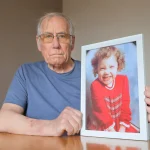
Georgia Father Sentenced to 15 Years After Jury Links His Negligence to Deadly School Shooting

Nearly two years after gunfire shattered a Georgia high school, the father of the teenage shooter stood before a judge and heard a judgment that extended responsibility beyond the person who carried out the attack.
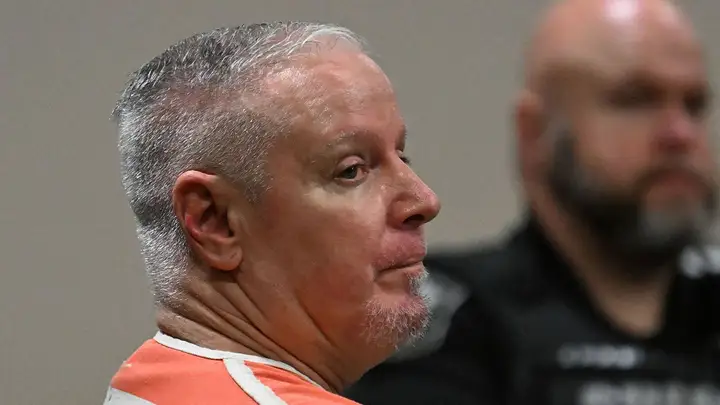
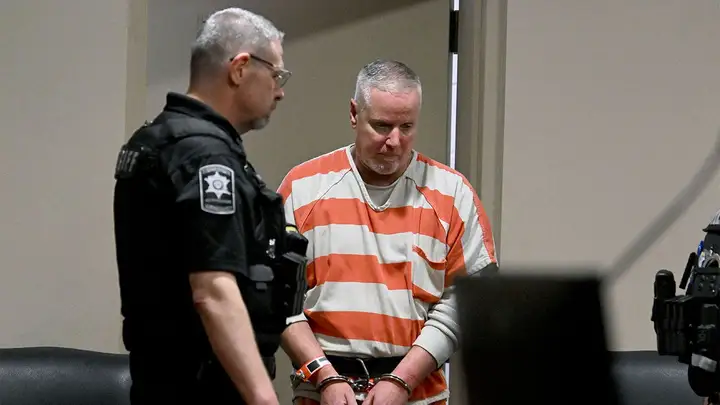
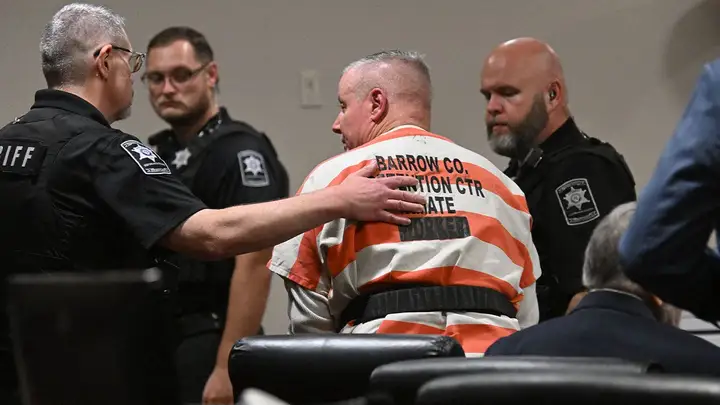
Colin Gray, 55, was sentenced Thursday, July 30, 2026, to 15 years in prison for failing to intervene as warning signs surrounding his son grew increasingly serious.
Barrow County Superior Court Judge Nicholas Primm said Gray had watched those warnings become more obvious but still failed to restrict his son’s access to firearms or secure appropriate mental health care.
The judge’s message was blunt: Gray had failed in his responsibilities as both a parent and a gun owner.
The sentence followed Gray’s conviction in March on 27 criminal counts, including second-degree murder and involuntary manslaughter. The verdict made him the first parent of a school shooter in the United States to be convicted of murder in connection with an attack carried out by his child.
His prison terms will run concurrently, resulting in a total sentence of 15 years.
The case arose from the September 4, 2024, shooting at Apalachee High School in Barrow County, Georgia.
Four people were killed inside the school: teachers Richard “Ricky” Aspinwall, 39, and Cristina Irimie, 53, along with 14-year-old students Mason Schermerhorn and Christian Angulo.
Nine others were injured.

Authorities said Gray’s son, Colt Gray, used an AR-15-style rifle during the attack. Prosecutors argued that Colin Gray had provided the weapon despite mounting concerns about the teenager’s deteriorating mental health.
The prosecution’s case did not claim that the father planned the shooting or knew precisely what his son would do. Instead, it focused on what he allegedly saw, what he failed to do and the access to weapons that remained available as his son’s condition worsened.
Judge Primm described the case as one of criminal negligence.
He said Gray had several opportunities to reduce the danger. The family’s guns could have been locked away. Ammunition could have been removed. The weapons could have been stored somewhere outside the home while the teenager received mental health treatment.
Any of those steps, the judge suggested, could have changed what followed.
Instead, prosecutors said the rifle remained accessible.
That failure became the foundation of a prosecution that pushed the legal boundaries of parental accountability after a school shooting. Although a small number of American parents have faced criminal charges related to violence committed by their children, Gray’s murder conviction represented an unprecedented development.
Before announcing the sentence, Primm told Gray that the legal weight of his crimes was inseparably connected to the actions of his son.
The hearing also gave grieving relatives an opportunity to describe the cost of the attack in deeply personal terms.
Shayna Aspinwall, whose husband Ricky was killed, told the court that she now lives with post-traumatic stress disorder while raising their two daughters without him.
Her testimony focused not only on the day he died, but also on all the future moments that were taken from the family.
The girls will grow up without their father’s guidance, comfort and encouragement. Birthdays, graduations, weddings and ordinary family experiences will all carry the reminder that he is missing.
For Aspinwall, Colin Gray’s responsibility did not depend on whether he entered the school or fired the weapon himself. She argued that his decisions as a father and firearm owner helped create the conditions that allowed the tragedy to happen.
Family members asked the court to impose the harshest available punishment.
Their statements brought the case back to the human consequences behind its legal significance: four lives ended, nine people wounded and multiple families left to rebuild themselves after an ordinary school day became a scene of violence.
Colt Gray had already pleaded guilty to all 55 charges filed against him.
He initially entered a not-guilty plea but later changed it. Before accepting the plea, Judge Primm questioned the teenager to ensure that he understood its consequences.
Colt responded affirmatively to each question.
He was sentenced to life in prison without the possibility of parole.
The sentences leave father and son facing separate punishments for different forms of responsibility.
Colt Gray received life without parole for carrying out the attack. Colin Gray received 15 years for the negligence that jurors concluded helped make it possible.
The distinction was central to the father’s trial and sentencing. Gray was not treated as though he had personally committed the shooting. His conviction was based on the argument that a parent can become criminally responsible when serious warning signs are ignored and a troubled child continues to have access to a deadly weapon.
Judge Primm emphasized that the danger had not appeared suddenly.
In his view, the warning signals had grown increasingly bright before the shooting. Yet Gray did not remove the guns, separate his son from the ammunition or obtain the treatment prosecutors said the teenager needed.
The judge told him that taking those precautions could have kept him from ever appearing in that courtroom.
The sentencing arrived at another difficult moment for the Apalachee High School community.
The following day was scheduled to mark the school’s first day of a new academic year. Students, teachers and families were preparing to return to classrooms while continuing to live with the memory of the September 2024 attack.
For the families of those killed, the court’s decision could not restore what was lost.
Ricky Aspinwall and Cristina Irimie would not return to their students. Mason Schermerhorn and Christian Angulo would never continue the lives that ended when they were only 14. The nine injured survivors would continue carrying their own physical and emotional consequences.
Yet the sentence established a powerful legal message about the responsibilities surrounding firearm access.
The case asked whether a parent who ignores repeated danger signs and allows a troubled child access to a powerful weapon can be held responsible when that weapon is used to kill.
A Georgia jury answered yes.
Judge Primm’s sentence reinforced that conclusion, turning Colin Gray’s inaction into a historic conviction and a 15-year prison term.
The ruling cannot reverse the attack or fill the empty places left in four families. But it ensures that the tragedy will be remembered not only for the teenager who entered the school with a rifle, but also for the warnings that prosecutors said were visible long before he did.