He Pleaded Guilty and Got Four Life Sentences. Now Bryan Kohberger Wants His Plea Back
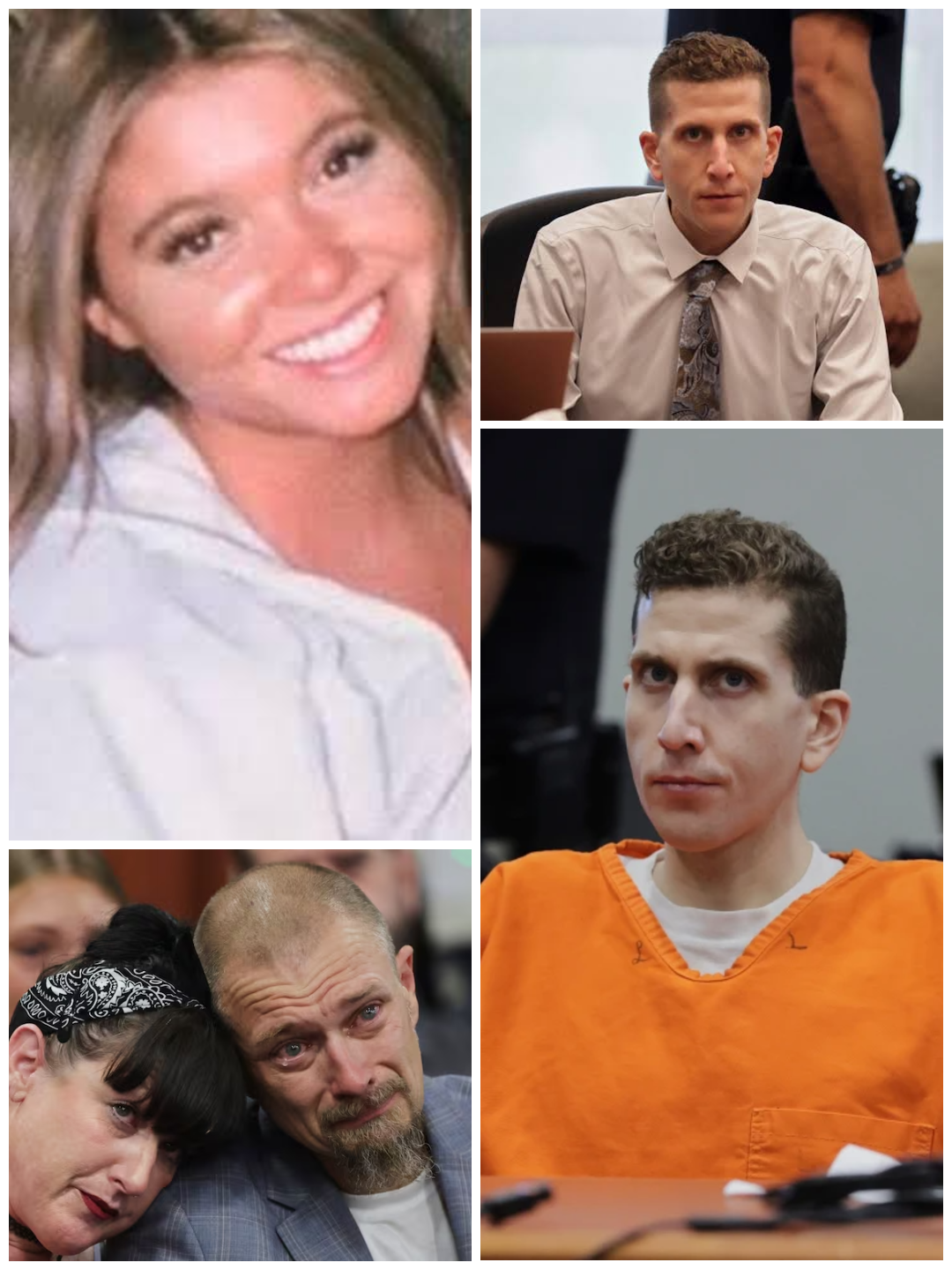
Bryan Kohberger once stood in an Idaho courtroom and admitted killing four University of Idaho students.
He accepted a deal that spared him from a possible death sentence.
He was then sentenced to four consecutive life terms without the possibility of parole.
For many people following one of the most closely watched murder cases in America, that appeared to be the end.
It wasn’t.
Now, Kohberger is trying to undo the guilty plea that sent him to prison for life.
In a handwritten petition filed from prison in July 2026, Kohberger asked an Idaho court to allow him to withdraw his plea and return the case to trial. He claims that his decision to plead guilty was not truly voluntary, alleging that his former attorneys pressured him, gave him misleading information about death row and prison conditions, and failed to properly disclose evidence he believes could have helped his defense.
The request is extraordinary because it directly conflicts with what Kohberger told the court when he entered his plea in 2025.
At that hearing, he told Judge Steven Hippler that he understood the agreement, that no one had forced or threatened him into pleading guilty, and that he was entering the plea because he was guilty.
Now, he is essentially asking the legal system to accept the opposite argument.
The case began in the early morning hours of Nov. 13, 2022, when four University of Idaho students — Kaylee Goncalves, Madison Mogen, Xana Kernodle and Ethan Chapin — were stabbed to death inside an off-campus home in Moscow, Idaho.
The killings horrified the small college community and quickly became a national story.
For weeks, police did not publicly identify a suspect. Then, in December 2022, authorities arrested Kohberger, a graduate student in criminology at nearby Washington State University.
Prosecutors later built a case involving DNA evidence, cellphone data, surveillance footage and evidence related to a white Hyundai Elantra.
Kohberger initially maintained his innocence and prepared for a capital murder trial.
For more than two years, the case moved toward what was expected to be a lengthy and intensely scrutinized courtroom battle.
Then, in July 2025, everything changed.

Kohberger agreed to plead guilty to four counts of first-degree murder and one count of burglary. In exchange, prosecutors agreed not to seek the death penalty.
The deal ensured that Kohberger would never be released from prison while avoiding the possibility of execution.
Judge Hippler later imposed four consecutive life sentences without parole, along with an additional sentence for burglary.
One part of the case, however, remained deeply frustrating to some members of the victims’ families and the public.
Kohberger did not provide a detailed explanation for why he committed the murders.
There was no full public confession describing a motive, the sequence of events inside the house or what happened to the murder weapon.
Prosecutors defended the agreement, explaining that a narrative confession was not legally required to establish guilt.
For months, the legal case appeared closed.
Then Kohberger began trying to reopen it.
His new petition claims that his defense attorneys convinced him to falsely admit responsibility.
He alleges that they painted an exaggerated picture of what life on death row would be like and suggested that a guilty plea would lead to more favorable prison conditions.
Kohberger also claims he was told that whether he was actually guilty was less important than securing the plea agreement.
Among the issues he has raised is evidence involving hair recovered during the investigation.
Kohberger has argued that hair evidence associated with victim Ethan Chapin could support his claim of innocence and that his defense team failed to properly inform him about it before the plea.
But reporting on that evidence complicates his argument.
An FBI examination found that certain hairs did not match Kohberger, while at least one hair later discussed in connection with the case was reportedly determined to belong to Chapin himself.
That does not end the legal dispute, but it illustrates the challenge Kohberger faces.
Withdrawing a guilty plea after sentencing is far more difficult than changing one’s mind before sentencing.
Under Idaho law, he must show that allowing the plea to stand would result in a “manifest injustice” — a demanding legal standard.
Simply saying that he regrets the deal is not enough.
He will likely need to prove that the plea was constitutionally defective, involuntary or the product of serious misconduct or ineffective legal representation.
The court has now created a path for those claims to be examined.
Judge Hippler has laid out a schedule for the post-conviction proceedings, including deadlines for evidence and witnesses. A potential evidentiary hearing and status conference are scheduled for June 2027, although the judge has not yet guaranteed that a full evidentiary hearing will ultimately take place.
Kohberger has also sought to remove Hippler from the case.
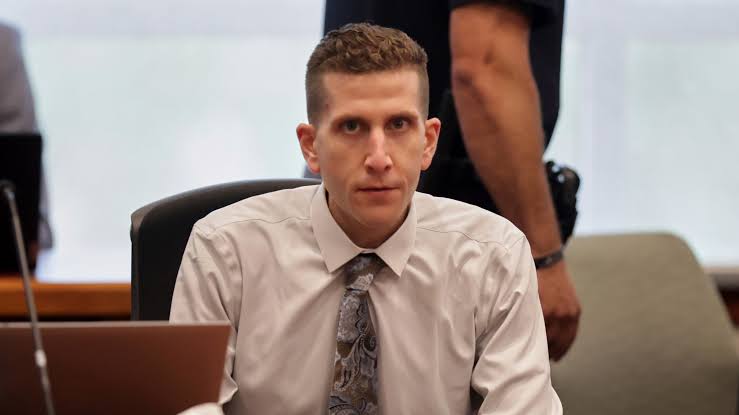
His new attorneys argue that the judge should not oversee the challenge because Hippler was the same judge who accepted the plea and sentenced Kohberger.
They have also pointed to strongly worded comments Hippler made at sentencing, when he described Kohberger as a “faceless coward.”
The defense argues that those remarks could create questions about impartiality as the court evaluates Kohberger’s claims about the plea.
A separate hearing related to Kohberger’s effort to disqualify the judge was set for Oct. 15, 2026.
The stakes are enormous.
If Kohberger somehow succeeds in overturning his guilty plea, the original murder case could return.
He could once again face trial for the killings of Goncalves, Mogen, Kernodle and Chapin.
And the deal that protected him from the death penalty could disappear.
Prosecutors could potentially seek capital punishment again.
That creates one of the strangest reversals in the entire case.
In 2025, Kohberger gave up his right to trial in order to eliminate the possibility that he would be executed.
Now, in an effort to reclaim that trial, he may also be asking the court to restore the very risk his plea deal removed.
Prosecutors have strongly opposed his attempt to undo the agreement.
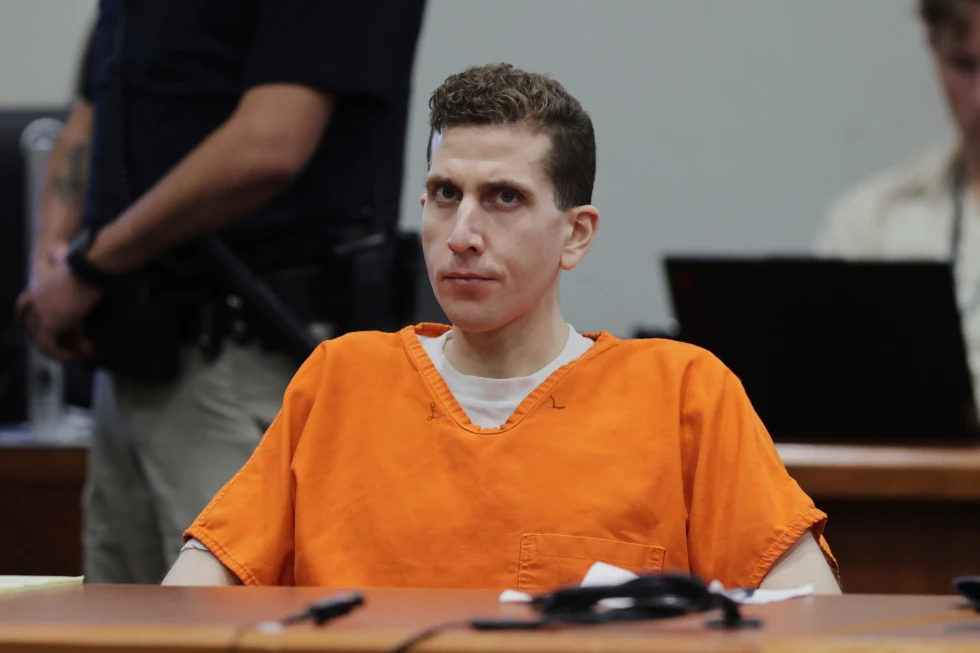
They have pointed to his repeated admissions in court and the formal documents he signed acknowledging responsibility for the murders. They argue that he knowingly accepted the plea after extensive legal proceedings and should not now be allowed to reverse course simply because he is dissatisfied with the outcome.
For the victims’ families, the renewed litigation means a case many hoped was finished may continue for years.
Nearly four years after the killings, the names at the center of the case remain the same:
Kaylee Goncalves.
Madison Mogen.
Xana Kernodle.
Ethan Chapin.
Their murders transformed a quiet Idaho college town and captured national attention.
Kohberger’s guilty plea was supposed to provide legal finality, even if it did not provide every answer.
Now that finality is being challenged.
Whether his claims are strong enough to overturn the plea remains uncertain, and the legal standard is difficult.
But one thing is clear.
The University of Idaho murders case, which seemed to have reached its conclusion when Bryan Kohberger accepted four life sentences, has unexpectedly returned to the courtroom.
He once told a judge that no one forced him to plead guilty.
Now he says the plea itself was the result of pressure, misinformation and deception.
And in 2027, an Idaho court may have to decide whether the confession that ended one of America’s most closely watched murder cases should be allowed to stand.