James Garner Refused to Become the Man Who Hurt Him—How a Painful Childhood Shaped One of Hollywood’s Most Respected Stars
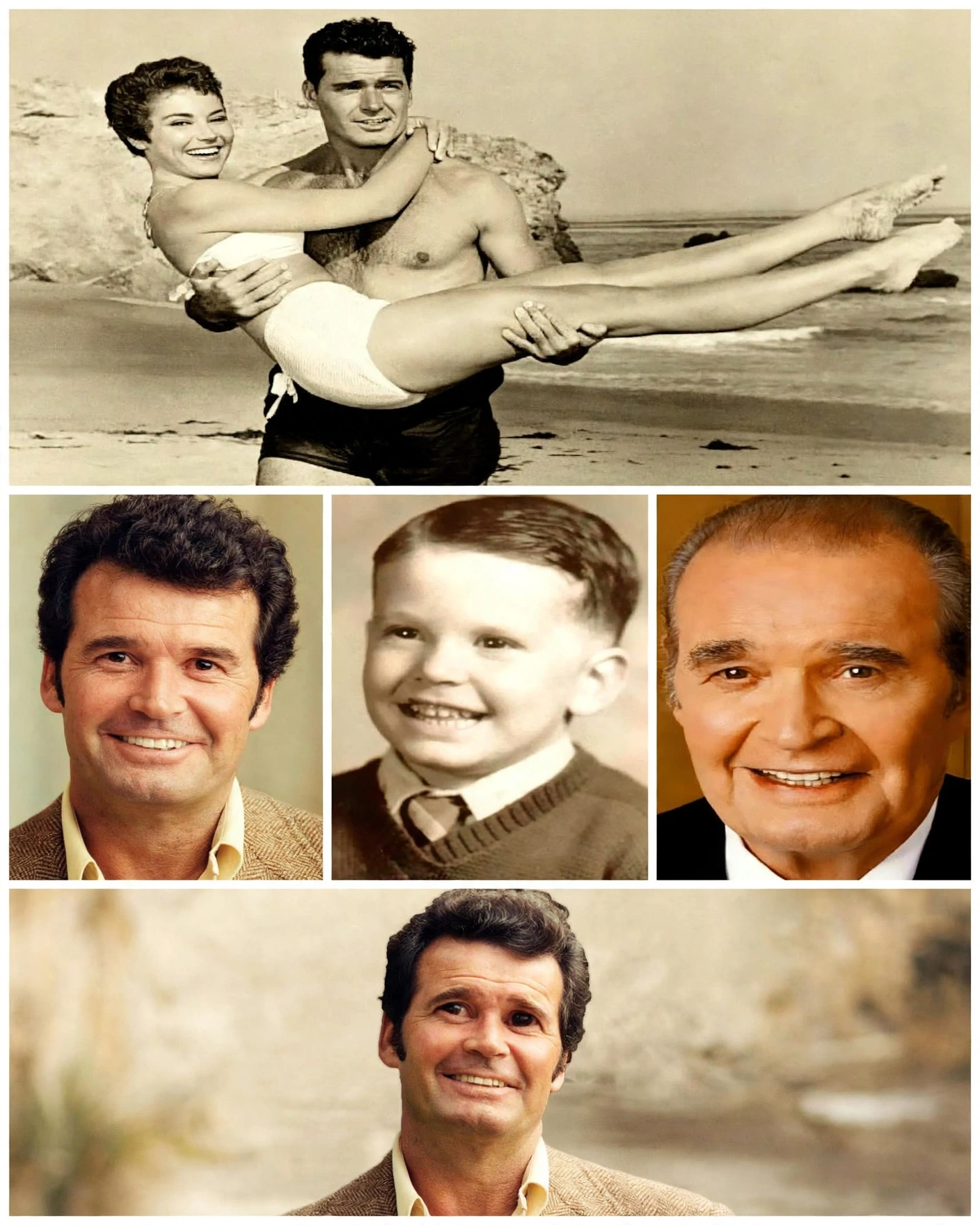
Long before audiences knew him as the easygoing hero with a crooked smile and quiet confidence, James Garner was just a frightened boy trying to survive a home filled with fear.
The actor who would later become one of Hollywood’s most admired leading men grew up facing hardships that could have defined the rest of his life. Instead, those experiences shaped a man whose greatest strength was not toughness on screen, but kindness away from it.
Garner’s journey from an abused child in Oklahoma to one of America’s most beloved actors is a story of resilience, integrity, and a lifelong refusal to let cruelty determine who he would become.
Born James Scott Bumgarner on April 7, 1928, in Norman, Oklahoma, Garner’s early years were marked by tragedy. His mother died when he was still a young child, leaving him and his brothers without the person who had provided comfort and stability.
After her death, the boys were separated and spent time living with relatives before eventually reuniting with their father. But home was far from peaceful.
When Garner’s father remarried, the family entered a painful chapter that remained with the future actor for the rest of his life.
His stepmother was physically and emotionally abusive, directing much of her anger toward the children. Garner later recalled being beaten repeatedly and humiliated in ways no child should ever experience. At one point, he was reportedly forced to wear girls’ clothing in public as punishment.
The abuse continued until the day Garner finally fought back.
Still a teenager, he physically resisted his stepmother during a violent confrontation. The incident brought an end to the marriage, but it did not erase the emotional scars left behind.
For many children, experiences like these can create a lifetime of bitterness.
Garner chose a different path.
Instead of allowing pain to make him cruel, he developed an instinct to stand up for people who could not defend themselves. Friends and colleagues would later describe him as someone who disliked bullies, treated crews with respect, and believed that no one deserved to be intimidated simply because another person held more power.
That belief would become one of the defining principles of his life.
As a young man, Garner searched for direction through a series of jobs before eventually serving in the military. During the Korean War, he was wounded twice while serving as a rifleman, earning two Purple Hearts for his injuries.
The war left lasting physical damage, but it also reinforced the quiet resilience that had already begun forming during his difficult childhood.
After returning home, Garner never imagined becoming a movie star.
His entry into acting happened almost by accident when he was encouraged to take a small role in a stage production. Watching experienced performers work convinced him that acting could become a profession, even though he never viewed it as glamorous.
To Garner, it was simply honest work.
That practical attitude separated him from many Hollywood celebrities.
Rather than chasing fame, he focused on doing his job well, treating people fairly, and remaining authentic. Audiences quickly responded to that sincerity.
His breakthrough came with the television series Maverick, where he played the charming gambler Bret Maverick. Unlike many Western heroes of the era, Garner’s character often relied on intelligence, humor, and common sense instead of violence.
The role transformed him into a household name.
He later expanded that success through films including The Great Escape and The Americanization of Emily, before creating another unforgettable television character in The Rockford Files.
Across decades of film and television, Garner built a reputation not only for memorable performances but also for professionalism behind the scenes.
He became known as someone who defended fellow actors and crew members when he believed they were being treated unfairly. Having experienced abuse himself as a child, he had little patience for intimidation or exploitation.
Those who worked with him frequently remembered his generosity as much as his talent.
While Hollywood often celebrates larger-than-life personalities, Garner remained remarkably grounded.
He preferred honesty over celebrity image.
He valued loyalty over status.
And he believed respect should be earned through actions rather than fame.
His personal life reflected the same consistency.
Despite the pressures of a demanding career, Garner shared one of Hollywood’s longest-lasting marriages with Lois Clarke. Their relationship endured for decades, providing the kind of stability that had been missing throughout his own childhood.
Friends often noted that Garner found in his family the sense of peace he had spent years searching for.
As his career continued, audiences embraced him not simply because he played heroes, but because he seemed genuine.
Whether portraying a detective, soldier, cowboy, or romantic lead, Garner brought warmth and humanity to every role. His characters rarely sought attention. Instead, they quietly did what they believed was right.
That authenticity mirrored the man himself.
Even after receiving awards and widespread recognition, Garner never appeared interested in presenting himself as larger than life. He often described acting as a profession rather than a dream, approaching every project with humility instead of ego.
Looking back on his life, it becomes difficult to separate the actor from the lessons he carried out of childhood.
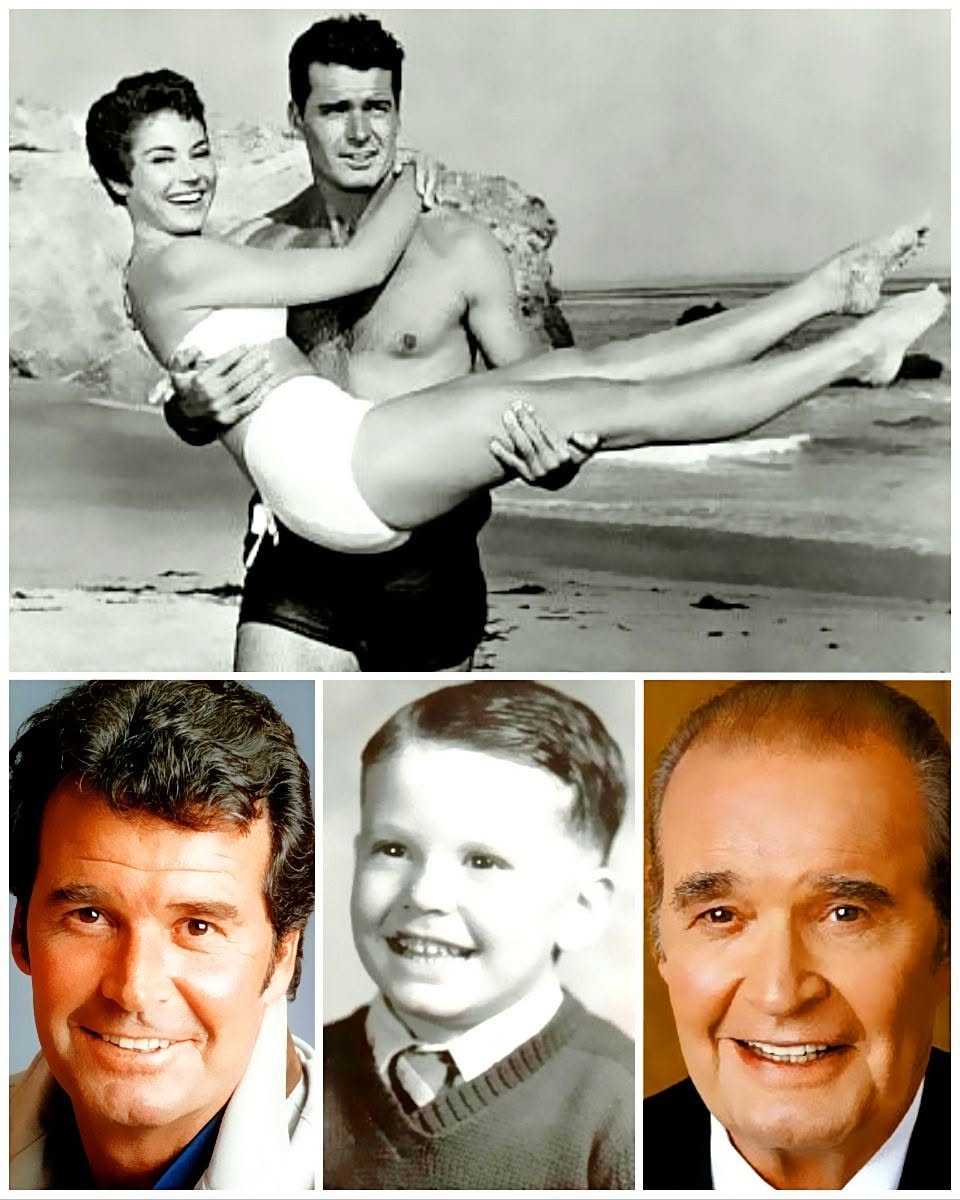
The frightened boy who once endured violence grew into a man determined not to inflict it on others.
The child who experienced humiliation became an adult known for treating everyone with dignity.
And the teenager who finally stood up to his abuser never lost his instinct to defend those facing unfairness.
When James Garner died in 2014 at the age of 86, Hollywood lost one of its most admired performers. Yet many of the tributes focused less on his long list of successful films and television series than on the kind of person he had been.
His greatest legacy was never confined to the screen.
It lived in the countless stories from people who remembered his generosity, his honesty, and his refusal to tolerate bullying or abuse.
James Garner proved that childhood suffering does not have to define a person’s future. While he could never erase the pain of his early years, he transformed it into compassion, resilience, and quiet strength.
In an industry often driven by image, that may be the role for which he will be remembered most—not as the fearless hero audiences watched on television, but as the decent man who chose kindness after every reason not to.