Jennifer Grey Reveals the Final Words That Brought Her Divorced Parents Back Together Before Her Mother’s Death
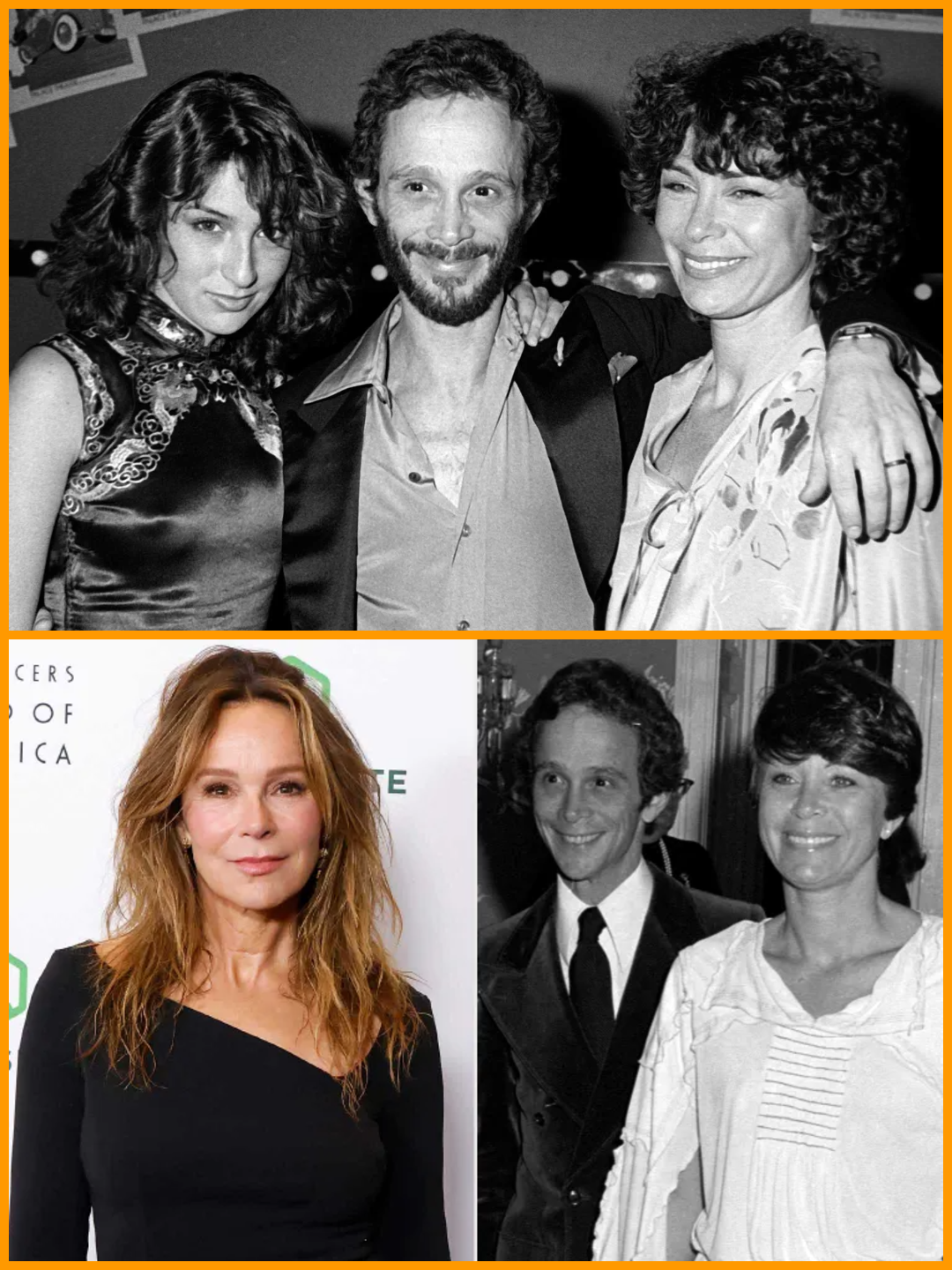
Nearly five decades after Jennifer Grey’s parents separated, the final chapter of their relationship did not end with old grievances.
It ended with forgiveness.
Before Jo Wilder died at age 94 on July 4, her former husband, Oscar-winning actor Joel Grey, visited her bedside and spoke words Jennifer says changed the emotional meaning of their long and complicated history.
Joel and Wilder had been married for 24 years before divorcing in 1982. They had built a family together, raising Jennifer and her brother, James Katz, before eventually going separate ways.
But as Wilder approached the end of her life following a lung cancer diagnosis, the past suddenly seemed less important than what had survived underneath it.
Jennifer, 66, recalled the deeply personal exchange during an Aug. 7 appearance on the Waking Up with Ryan podcast.
According to the Dirty Dancing star, her father told his former wife that the day they married had been the first time in his life he truly felt whole.
He acknowledged that their marriage had contained difficult periods. Yet at the end, he said, those conflicts no longer seemed to matter.
What remained was love.
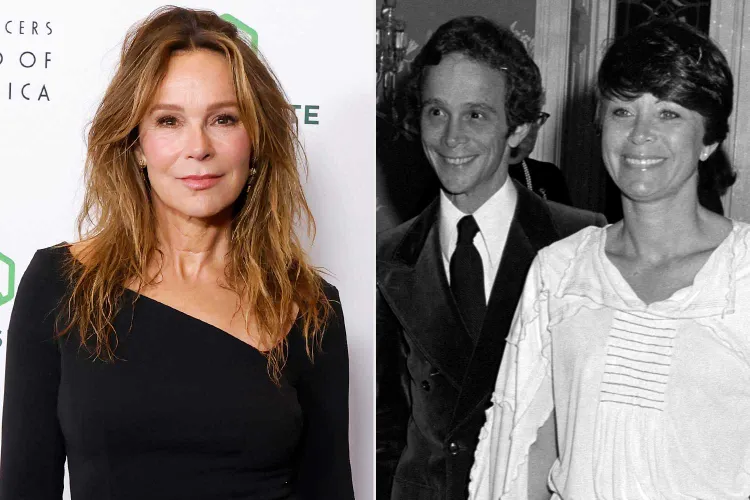
A Marriage That Ended, but a Family That Remained
Joel Grey and Jo Wilder married in 1958.
Their marriage lasted until 1982, and during those years they welcomed two children, Jennifer and James.
Both parents had strong ties to the performing arts.
Joel built an acclaimed career on stage and screen, becoming especially famous for playing the Master of Ceremonies in Cabaret and winning an Academy Award for the film adaptation.
Wilder had also been a promising young actress in New York theater.
Jennifer later reflected that her mother could have continued pursuing that path but instead chose to devote herself to motherhood.
That decision left a lasting impression on her daughter.
Jennifer described Wilder as both talented and beautiful, but said her mother’s creative energy eventually found other places to flourish.
She became an activist and later shared her strong visual sense with customers through Wilder Place, a store she operated on Melrose.
Her life, in Jennifer’s telling, was never defined by a single role.
She had been an actress, wife, mother, activist and businesswoman.
And in her final days, she became someone determined to control how she left the world.
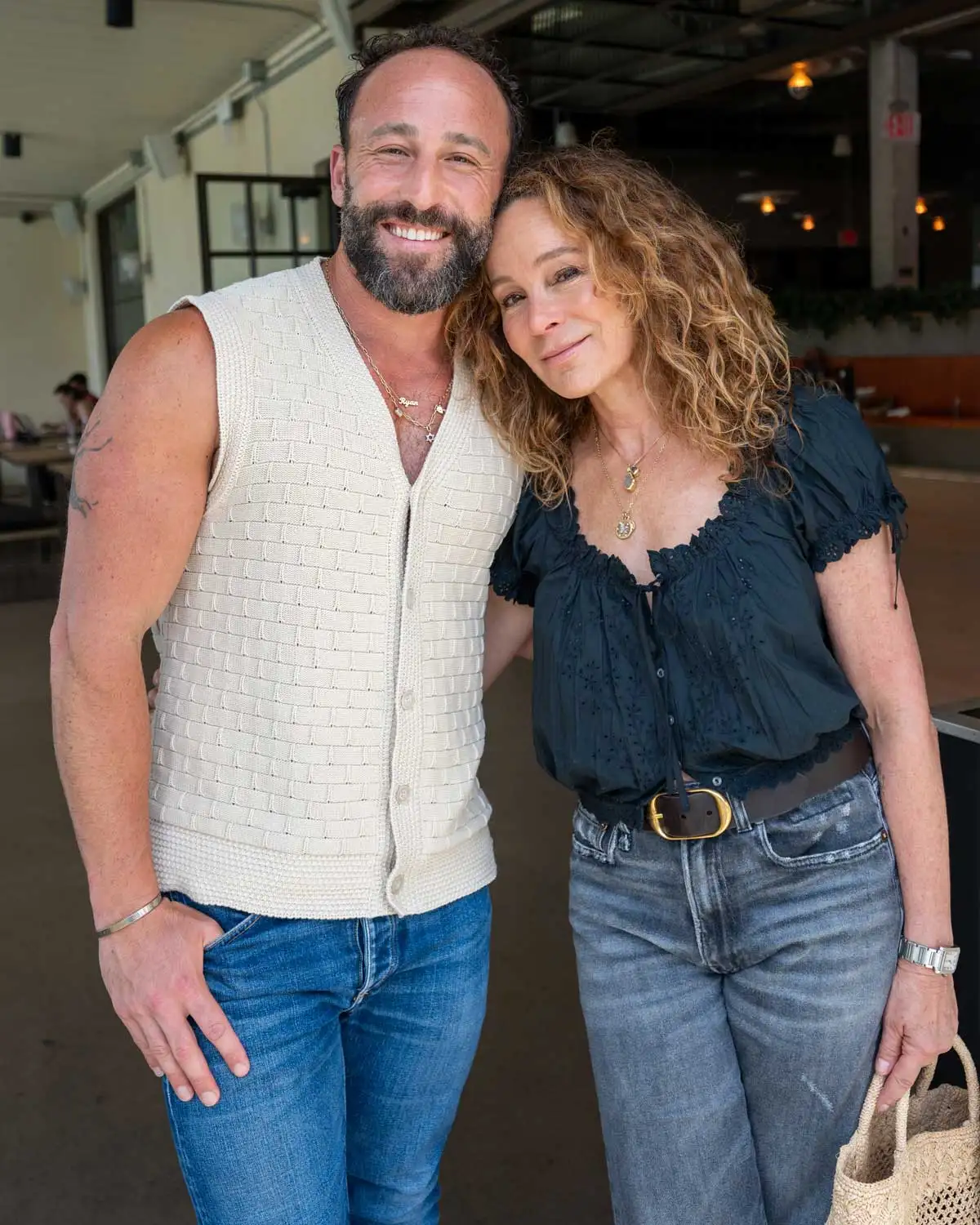
A Cancer Diagnosis Changed Everything in a Week
Wilder learned she had lung cancer only about a week before her death.
Rather than pursuing treatment, she made another choice.
Jennifer said her mother decided to work with a death doula and create what she hoped would be a peaceful and intentional transition.
Wilder wanted the final stage of her life to happen on her own terms.
After her death on July 4, Jennifer described that choice as completely consistent with her mother’s personality.
She said Wilder chose grace instead of fear and believed that dying with dignity did not have to be understood only as tragedy.
For Jennifer, her mother’s approach also raised a larger question about how families communicate when they know time is short.
Instead of waiting until after someone dies to express love, gratitude or regret, she came to believe those things should be said while the person can still hear them.
That belief became especially powerful as she watched her parents reconnect.
Joel Grey Returned to Say What Still Needed to Be Said
The bedside conversation between Joel and Wilder came 47 years after their separation, Jennifer said.
By then, their marriage belonged to another era.
They had both lived decades of life beyond it.
Yet Joel’s words reached back to the beginning.
He told Wilder that marrying her had once made him feel whole.
He did not pretend their years together had been perfect. Instead, he acknowledged the difficulties while placing them inside a larger perspective.
At that moment, he said, those old problems no longer carried the same weight.
Love did.
Jennifer remembered her mother pausing after hearing him.
Then Wilder looked toward the family around her and responded with a few words that seemed to release decades of emotional history.
“All is forgiven,” she said, adding that she felt free.
For Jennifer, witnessing the exchange offered a powerful reminder that reconciliation does not always require rebuilding an entire relationship.
Sometimes it can happen in a final conversation.
Jennifer Wanted Her Mother to Hear Her Own Tribute Too
Joel was not the only one who wanted to say important things before Wilder died.
Jennifer had already participated in an exercise that encouraged her to write what was essentially a living eulogy for her mother.
Instead of saving her appreciation for a funeral, she sent it directly to Wilder in an email.
Jennifer filled the message with both meaningful and playful details.
She told her mother about the qualities she believed she had inherited from her — from physical similarities such as their nail beds to childhood memories including ballet lessons and favorite lotions.
The message deeply affected Wilder.
Jennifer said her mother called her in tears because she had been so moved by reading it.
That reaction strengthened Jennifer’s belief that expressions of love should not be postponed.
She questioned why people so often wait until someone has died to deliver beautiful speeches about what that person meant to them.
By then, the person at the center of all those memories is no longer there to receive them.
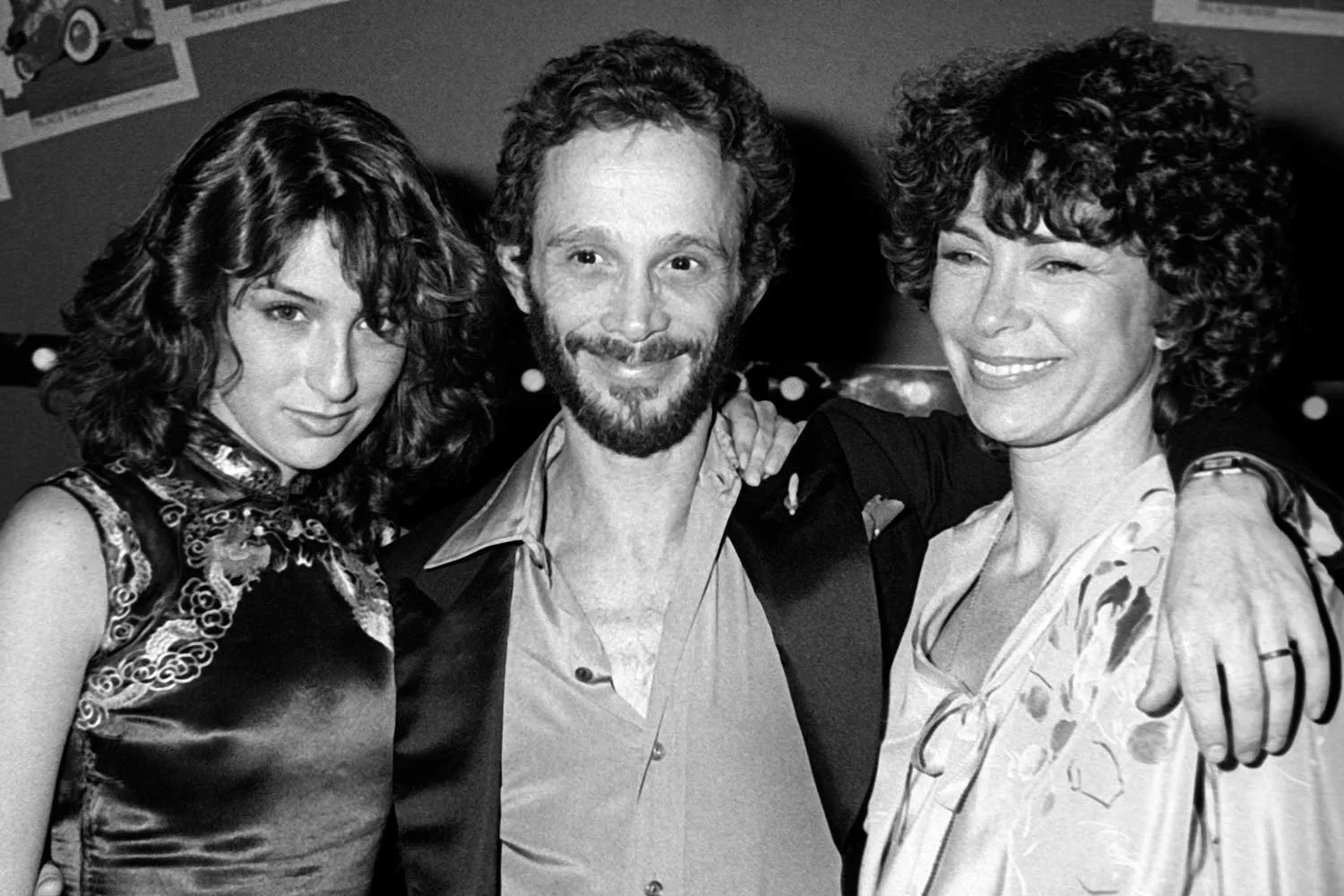
Her Mother’s Final Days Became a Lesson About Letting Go
Jennifer’s reflections on Wilder’s death were not simply about grief.
They were also about choice.
Her mother’s cancer diagnosis confronted the family with a compressed timeline. There was little time to avoid difficult conversations or assume there would always be another opportunity.
Wilder chose not to undergo treatment.
Instead, Jennifer said, she focused on creating the kind of ending she wanted.
That included the practical support of a death doula but also the emotional work of saying what needed to be said.
Jennifer described the process as clearing away unfinished business.
Her mother’s final days became an example, in her view, of what can happen when fear does not dominate the conversation around death.
The experience left Jennifer believing that people deserve, when circumstances allow, the chance to express their wishes and shape their final chapter.
Remembering the Woman Behind the Family Story
After Wilder died, Jennifer paid tribute to more than the mother she had known personally.
She also honored the young woman her mother had been before motherhood.
Jennifer remembered Wilder as a gifted performer who once appeared poised for a life on the New York stage.
She believed her mother had consciously chosen family instead.
Jennifer did not frame that decision as a life without ambition.
She saw Wilder’s passion continuing in other forms — through activism, design and the strong sense of right and wrong that shaped her personality.
She described her mother as brave, emotionally deep and graceful even in death.
The tribute ended with gratitude.
Wilder, Jennifer wrote, had shown her daughter how to navigate life — and eventually how to face its ending.
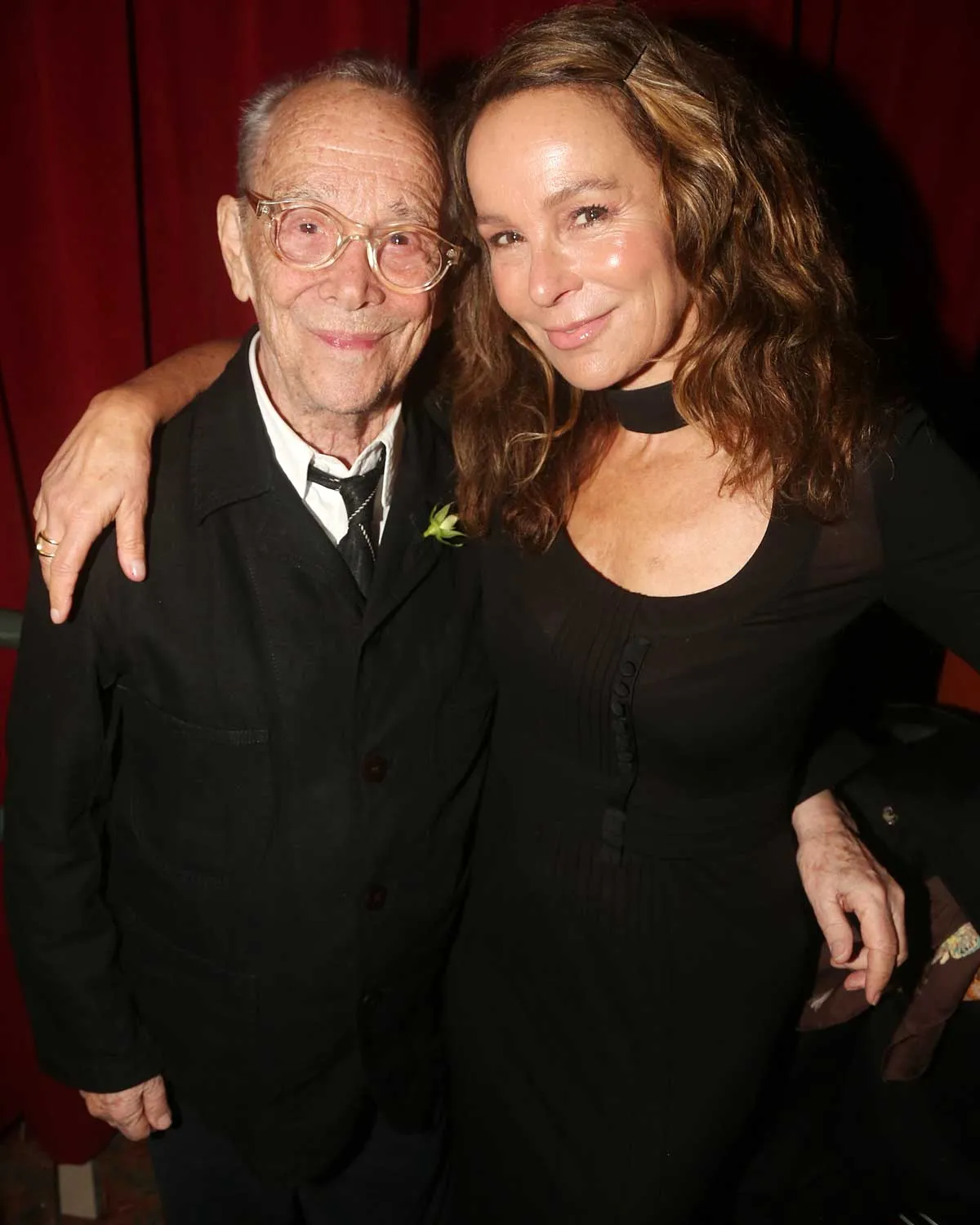
What Remained After 47 Years Was Love
For Jennifer, one of the most enduring images from her mother’s final days may be the unlikely reunion between two people whose marriage had ended decades earlier.
Joel and Wilder could not erase the difficult parts of their history.
They did not need to.
Their final exchange was not about rewriting the past as though the divorce, disagreements and years apart had never happened.
It was about deciding what deserved to matter at the end.
Joel chose love.
Wilder chose forgiveness.
And Jennifer was there to witness both.
For a family with 47 years of separation behind it, the reconciliation arrived very late.
But it arrived while Wilder could still hear it.
That, Jennifer came to believe, was the point.
The most meaningful words about someone’s life should not always be saved for after they are gone.