Key Witness Changes Story as Shake Shack Surveillance Video Raises New Questions in Murder Case
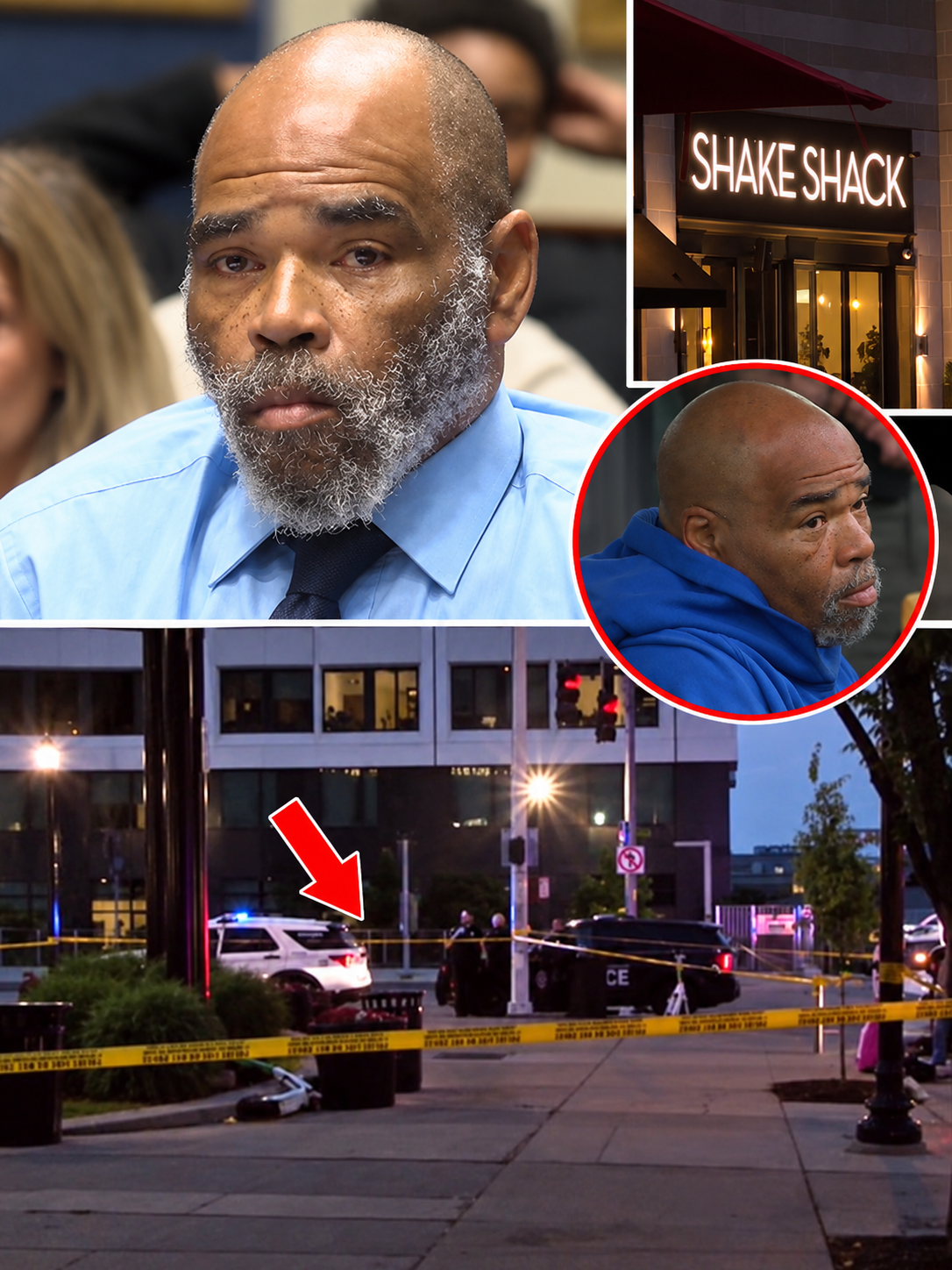
A Cincinnati murder case that appeared headed toward trial on a familiar set of facts has been thrown into uncertainty after a key witness changed part of her account more than a year after the fatal shooting — and defense attorneys pointed to restaurant surveillance footage they say shows why the new admission matters.
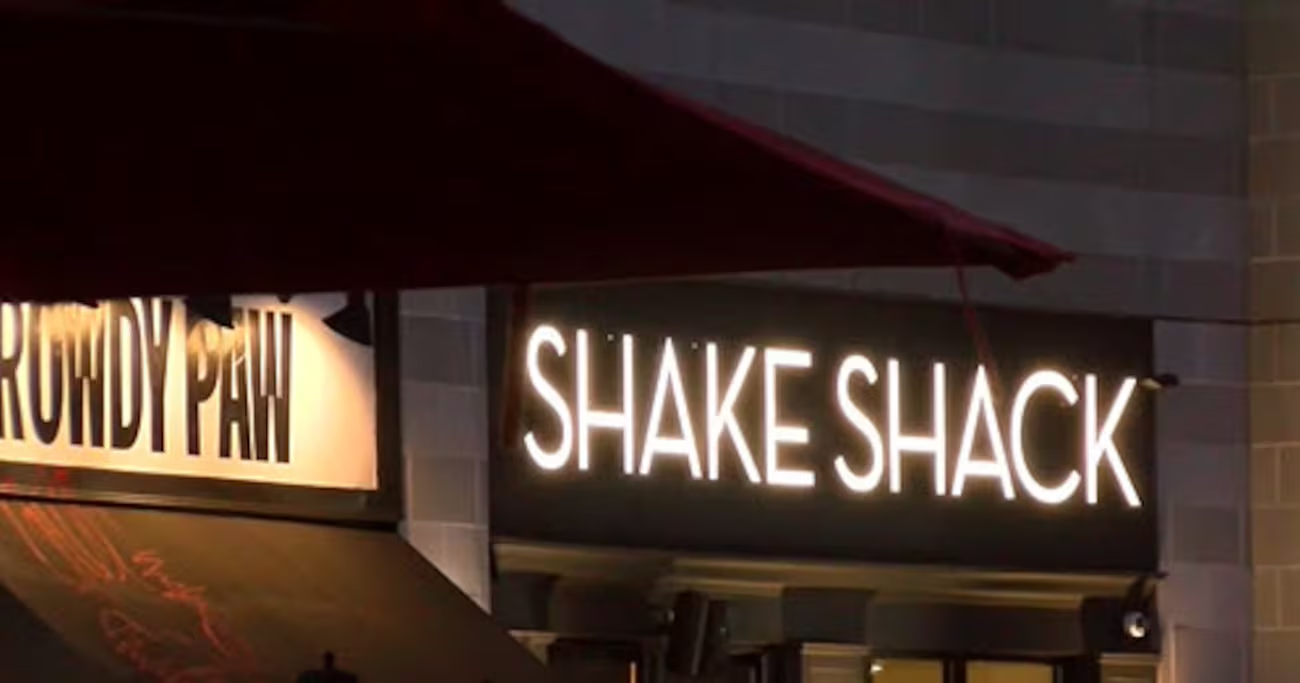
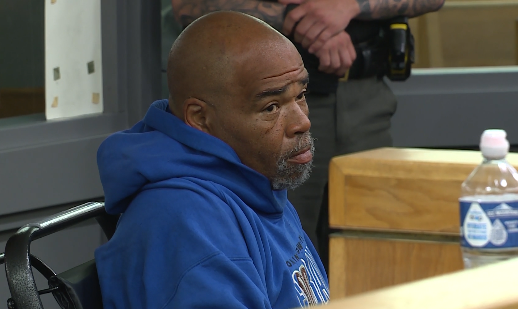
Antwoine McCants is facing two counts of murder and two counts of felonious assault in the June 11, 2025, death of 41-year-old Christopher Stallworth inside a Shake Shack near the University of Cincinnati.
From the beginning, McCants has maintained that he acted in self-defense during a confrontation that started with a dispute over parking.
But early police filings painted a sharply different picture.
Those records alleged Stallworth was unarmed, had both hands in his pockets and was retreating when McCants displayed a handgun and shot him in the chest.
Now, shortly before testimony was expected to begin, Stallworth’s fiancée has acknowledged that he was carrying a handgun.
Even more significantly, a defense filing says surveillance footage shows her removing that gun from Stallworth’s pocket moments after he was shot.
The development has created a major new dispute over what happened inside the restaurant — and whether the original version of events presented to police accurately reflected the video evidence.
Shooting Began With a Parking Dispute
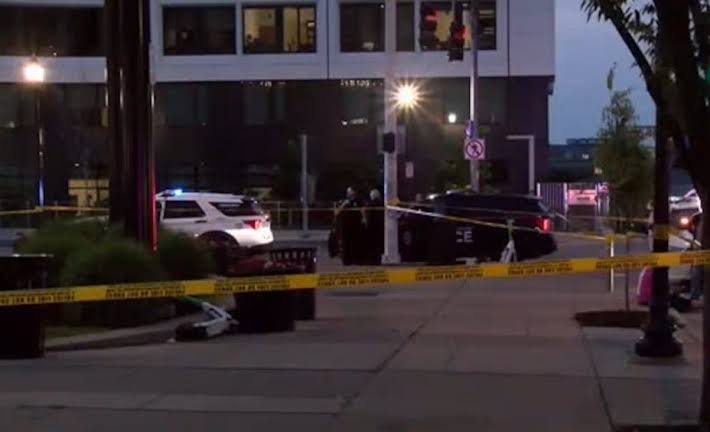
The confrontation occurred at about 8:20 p.m. on June 11, 2025, at the Shake Shack on Calhoun Street, just steps from University of Cincinnati housing.
According to court records, McCants and Stallworth initially argued outside over a parking issue.
The dispute then moved inside the restaurant.
Police said Stallworth was shot once in the chest in front of multiple customers.
Emergency crews transported him to University of Cincinnati Medical Center, where he died.
McCants was later arrested and indicted.
His attorneys almost immediately raised self-defense, while investigators alleged that McCants had acknowledged he did not see a weapon on Stallworth before firing.
That statement became an important part of the original prosecution theory.
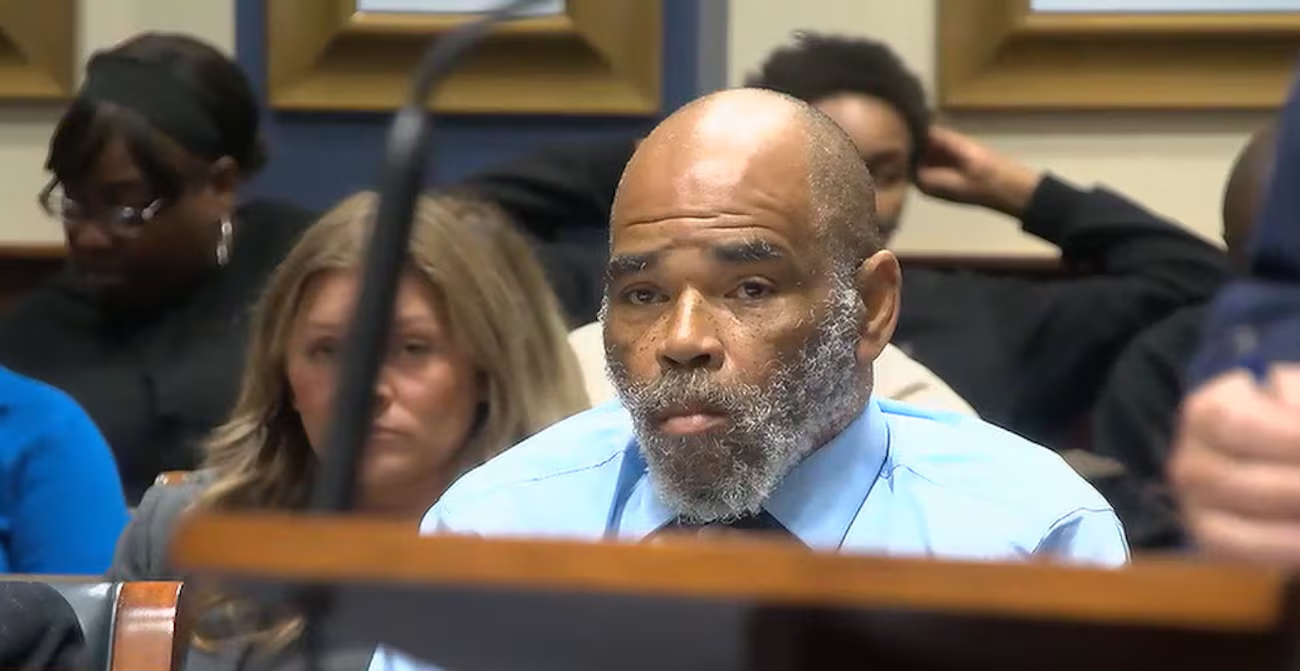
Fiancée Changes Part of Original Account
The case shifted dramatically this week as jury selection was getting underway.
During a break in the proceedings, Stallworth’s fiancée, Atiyah Muhammedel, met with prosecutors and Cincinnati police detectives.
According to the newly filed defense motion, she then asked to speak privately with investigators.
During that conversation, she allegedly acknowledged something she had not previously told authorities: Stallworth had a handgun concealed in his front pocket during the confrontation.
Muhammedel had previously maintained that she was the only person in possession of the firearm recovered at the scene.
Detectives informed prosecutors of her revised statement.
Prosecutors then provided the information to McCants’ defense team as potentially exculpatory material.
Within hours, defense attorney Brandon Moermond filed a four-page motion arguing that the new disclosure significantly changes the case.
The defense is asking the court either to dismiss the charges or allow the evidence to be used to support McCants’ self-defense claim.
Defense Says Video Shows Gun Being Removed
The most striking claim in the filing involves surveillance footage from inside the restaurant.
According to the defense, the video shows Muhammedel removing a handgun from Stallworth’s pocket after he had been shot.
The motion says the footage captures Stallworth and Muhammedel following McCants into the restaurant after the parking dispute.
The defense says neither appeared to enter the restaurant to order food.
Instead, Stallworth allegedly sat where he could see and hear McCants, made a phone call and directed other people to come to the restaurant.
The filing further claims Stallworth later stood up and followed McCants as McCants moved backward.
At that point, according to the defense interpretation of the footage, Stallworth placed his right hand into his front-right pocket.
McCants then fired.
After being shot, Stallworth reportedly moved outside and fell near a patio ledge.
The motion alleges Muhammedel pulled him down by the legs, rolled or positioned him face-down and reached into the same front pocket to remove a handgun.
That description comes from the defense filing and has not yet been adopted as a factual finding by the court.
Original Police Account Was Very Different
The newly disclosed information matters because it appears to conflict with the account contained in the original charging documents.
Police initially wrote that Stallworth had both hands in his pockets and was retreating when McCants drew his weapon.
The affidavit also said McCants told investigators Stallworth did not have a gun and that he saw no bulge suggesting a weapon was concealed in Stallworth’s clothing.
That version helped support the murder charges.
The defense now argues the surveillance footage presents a more complicated sequence.
According to McCants’ lawyers, Stallworth was moving toward McCants while reaching into a pocket containing a gun.
They argue those circumstances could support McCants’ claim that he reasonably believed he was facing an immediate threat, even if Stallworth never actually drew the weapon.
Whether a jury accepts that interpretation may become one of the central questions of the trial.
Why the Gun May Matter to a Self-Defense Claim
Under a self-defense theory, the legal issue is not simply whether the other person was armed.
Jurors may be asked to consider what McCants reasonably believed at the moment he fired, including the movement of the people involved, their positions, their actions and whether McCants believed he faced an imminent threat of serious harm.
The presence of a concealed firearm could therefore become significant.
But it does not automatically establish self-defense.
Prosecutors can still challenge whether McCants actually knew a gun was present, whether the level of force he used was justified and whether his own actions contributed to the escalation.
The surveillance footage could become especially important because it may allow jurors to evaluate those movements directly rather than relying exclusively on witness recollections.
Defense Claims Scene Was Altered
McCants’ lawyers have gone further than simply arguing that Stallworth was armed.
They contend Muhammedel’s actions after the shooting changed the appearance of the scene.
The defense alleges she removed Stallworth’s gun because she knew he was on parole following an aggravated robbery conviction involving a firearm.
According to the motion, that earlier case resulted in a lengthy prison sentence.
The implication offered by the defense is that she may have had a reason to distance Stallworth from the weapon.
That remains an allegation.
No court has ruled that Muhammedel intentionally falsified evidence or committed any crime.
Her revised statement and the surveillance recording will have to be examined in the context of the full evidentiary record.
Trial Temporarily Disrupted by Disclosure
The revelation came at a critical moment.
The case had already been delayed as McCants considered a potential plea offer.
After the witness changed her account, prosecutors sought additional time.
Because of the court’s schedule, a lengthy postponement could reportedly have pushed the case into the following year.
Judge Christopher McDowell instead indicated that the proceedings should continue.
During jury selection, the defense openly highlighted the inconsistency in the witness’s account.
The abrupt disclosure means jurors may now hear two very different narratives surrounding the same surveillance footage.
A Case Now Focused on Seconds of Video
More than a year after Christopher Stallworth was killed, the case may ultimately turn on a few seconds captured by cameras inside the restaurant.
The prosecution began with an account in which an unarmed man was retreating before being shot.
The defense now argues the video instead shows Stallworth following McCants, reaching toward a pocket containing a handgun and later having that weapon removed by the key witness.
Both descriptions cannot be evaluated in isolation.
The court will have to determine what evidence jurors are allowed to hear, while jurors may eventually be asked to decide what the surveillance footage actually shows and what McCants reasonably believed in the moments before he fired.
For now, the murder charges remain pending.
McCants has not been acquitted, and the new filing does not by itself establish that the shooting was legally justified.
But the late witness disclosure has transformed what had appeared to be a relatively settled factual dispute into a much more complicated question — one centered on a concealed handgun, a changed statement and surveillance video that may now become the most closely examined evidence in the entire case.