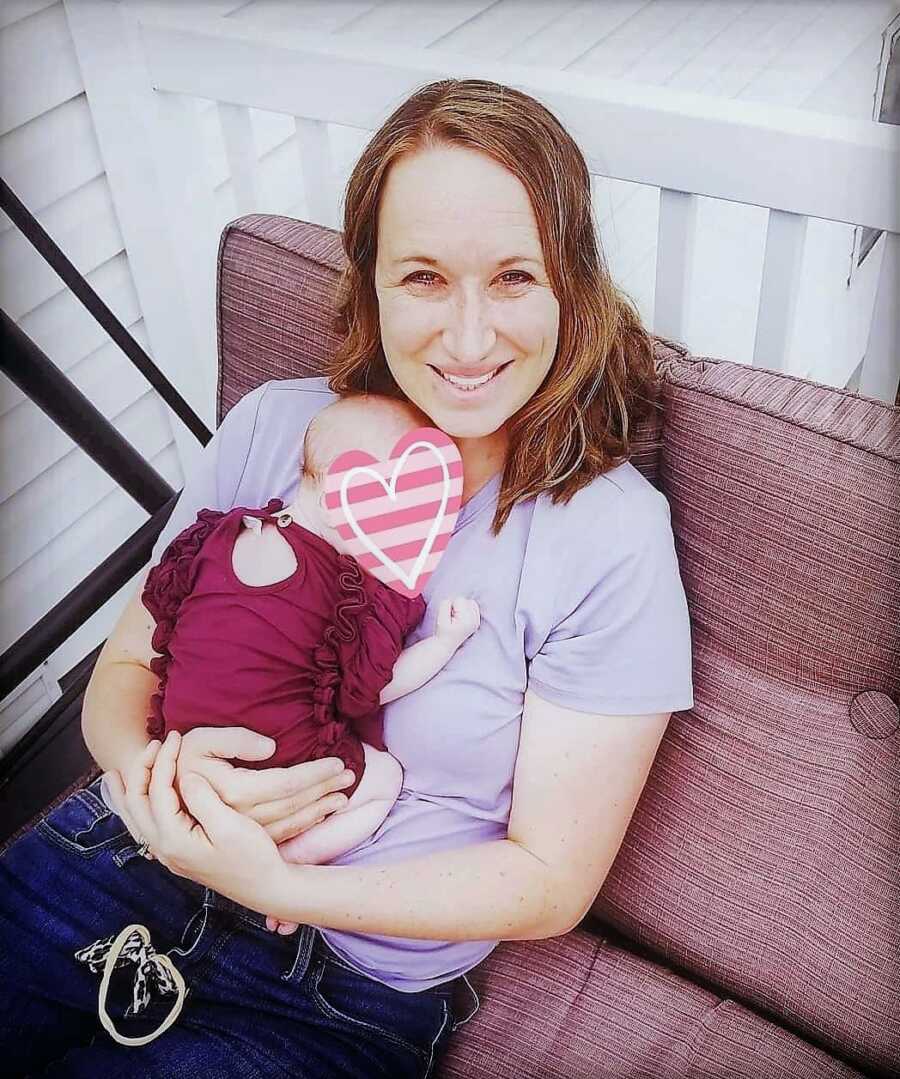
Mom of Five Carried a Baby for Another Couple — Then Three Weeks After Delivery, Her Own Life Was Suddenly at Risk
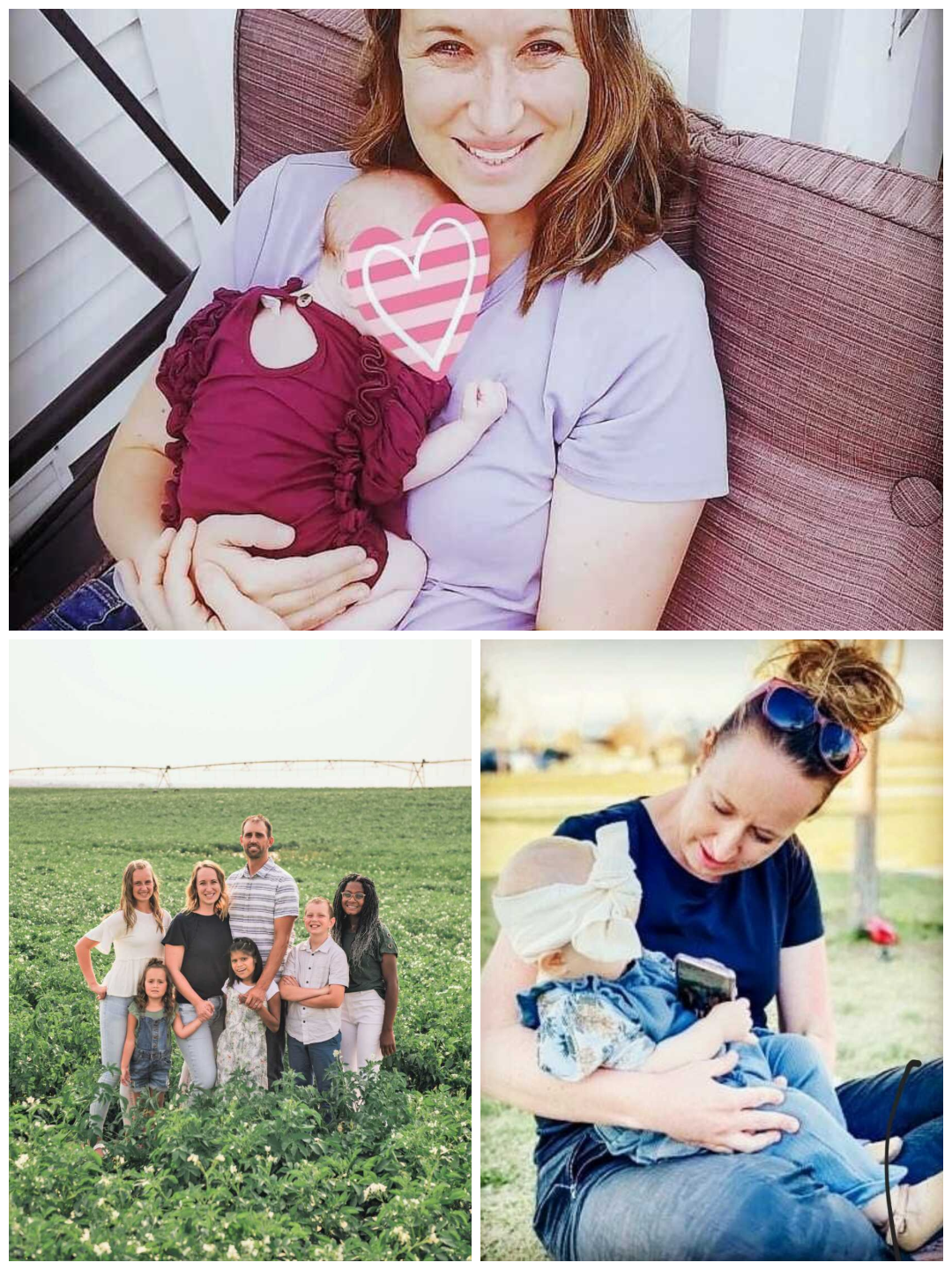
Kim Perry knew from the beginning that the baby growing inside her was not coming home with her.
That was exactly what she wanted.
A mother of five—three biological children and two adopted daughters—Kim had chosen to become a gestational carrier for a couple who had endured years of loss and heartbreak while trying to grow their family. She imagined the ending many times: giving birth, watching the baby’s parents finally hold their daughter and knowing she had helped make that moment possible.
What Kim never imagined was that three weeks after delivering the baby, she would be rushed to an emergency room with severe bleeding and wake from surgery to discover that doctors had performed an emergency hysterectomy.
The experience ultimately became both one of the happiest and most painful chapters of her life.
Years Around Infertility Changed the Way She Saw Surrogacy
Kim’s path toward becoming a gestational carrier began through her professional work in adoption.
For 14 years, she had spent time with people dealing with infertility and understood some of the grief that could accompany the struggle to become parents.
Then, during a professional meeting within the infertility community, she heard a presentation about surrogacy.
Something clicked.
Kim realized that she might actually be able to help another family in a very direct way.
Her own circumstances made the idea seem possible. She had already experienced three successful pregnancies, she was still young enough to carry another pregnancy, and she and her husband considered their own family complete.
A gestational carrier carries an embryo created for the intended parents and has no biological connection to the baby.
Kim began learning about the process and contacted a local fertility clinic.
Her husband initially approached the idea cautiously. After several conversations and time to consider what it would mean for their family, however, he supported her decision.
Kim remembered him essentially telling her that he would not stand in the way of something that could bring such an extraordinary gift into another family’s life.

Her First Match Fell Apart
The process did not move smoothly from there.
A fertility clinic initially matched Kim with another couple, and she began emotionally preparing herself to help them.
Months later, the arrangement fell through.
Kim was devastated.
After taking time to recover from the disappointment, she shared what had happened on Facebook.
During the same week, another couple posted about their own search for a gestational carrier after years filled with losses and heartache.
The connection was closer than it first appeared.
Kim and the couple shared several friends and acquaintances, and one of Kim’s close friends was a cousin of the intended mother.
They were introduced.
At first, everyone was understandably careful. Both sides had experienced disappointments on the road that brought them together.
But conversation gradually became trust.
Kim eventually became convinced that this was the family she was meant to help.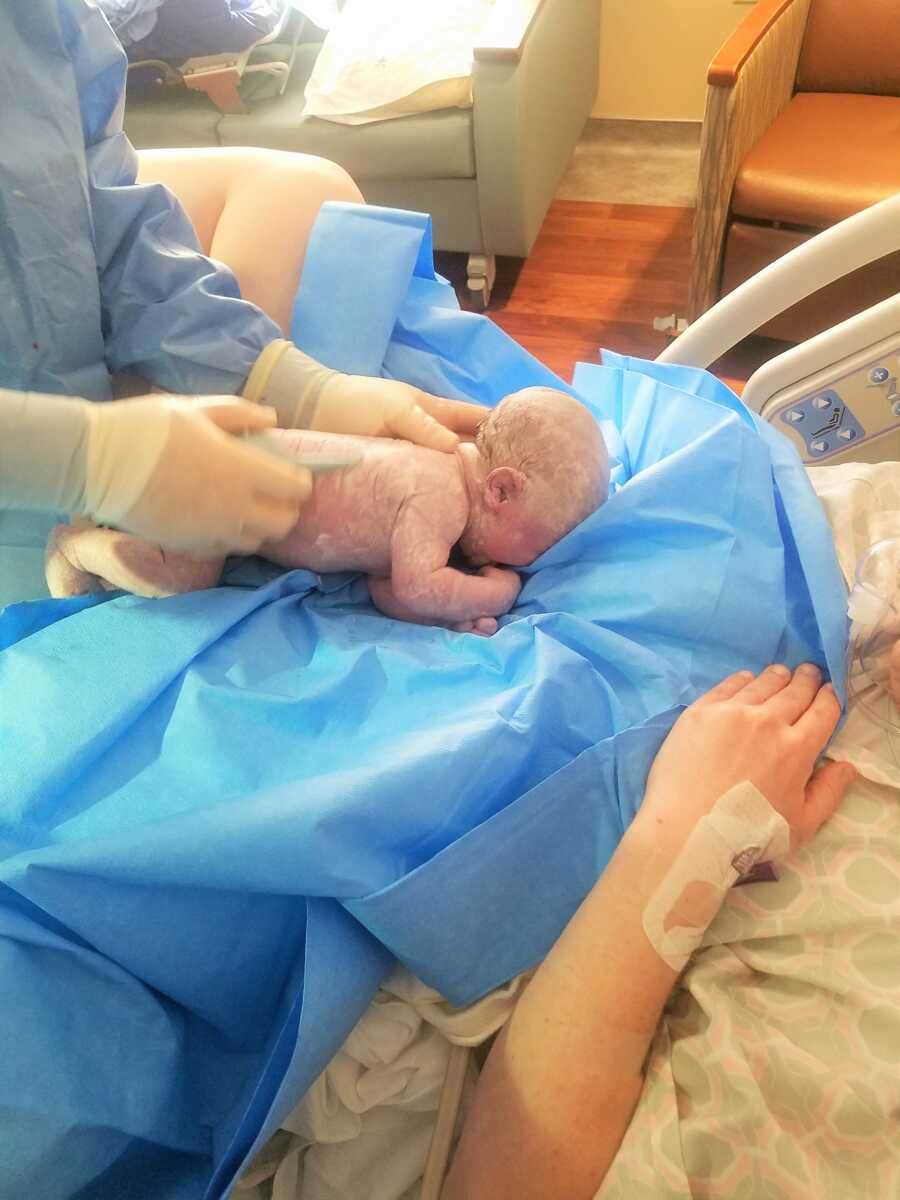
Their First Embryo Transfer Ended in Heartbreak
Becoming pregnant proved difficult.
The couple’s first embryo transfer failed.
Kim was traveling with high school friends when she realized she was experiencing an extremely early miscarriage.
She already knew the grief of pregnancy loss because she had previously miscarried one of her own pregnancies.
This time, however, she felt an additional kind of pain.
The embryo represented someone else’s long-awaited hope for a child.
Kim found herself grieving not only the loss but also what it meant for the intended parents.
And there was another frightening reality.
Only one embryo remained.
Several months later, they tried again.
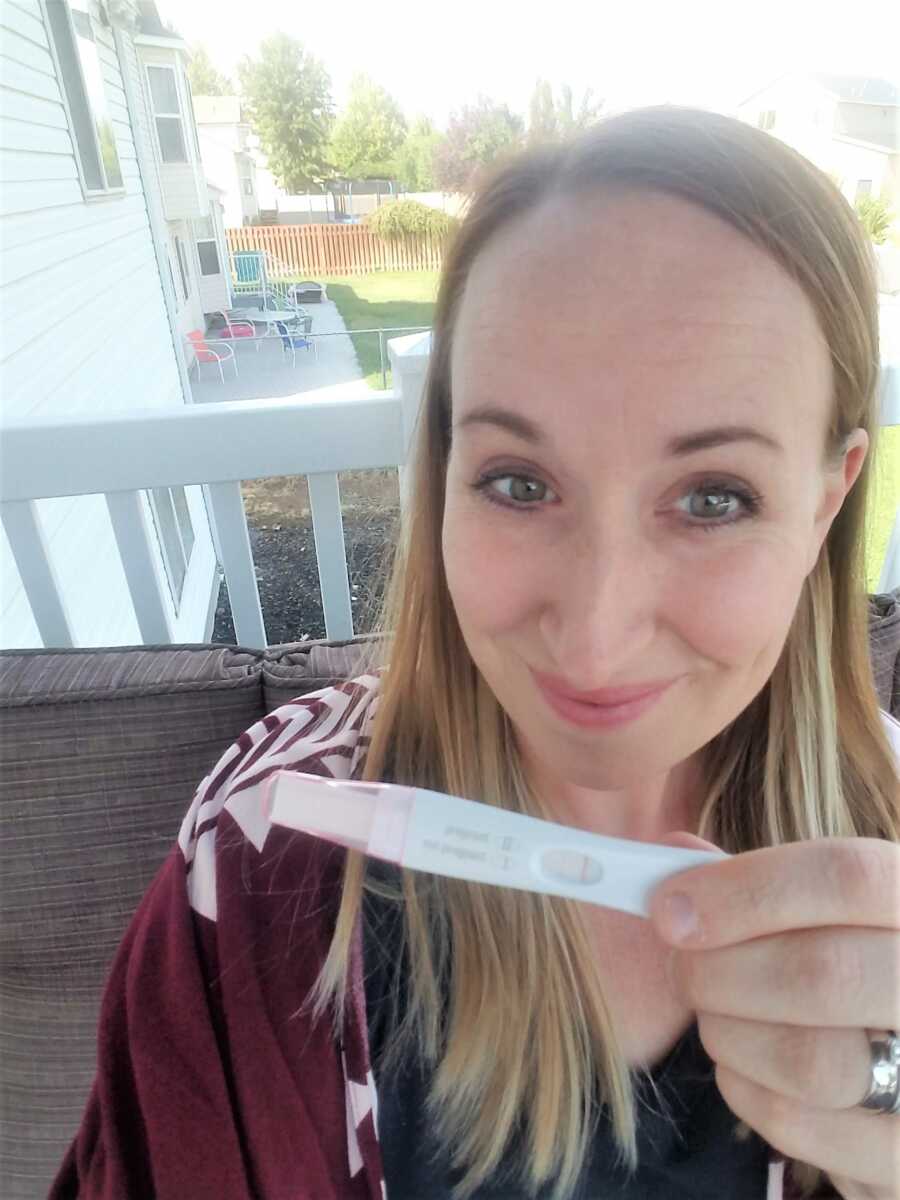
This time, Kim began secretly taking pregnancy tests about a week after the transfer.
Positive lines appeared.
The final embryo had implanted.
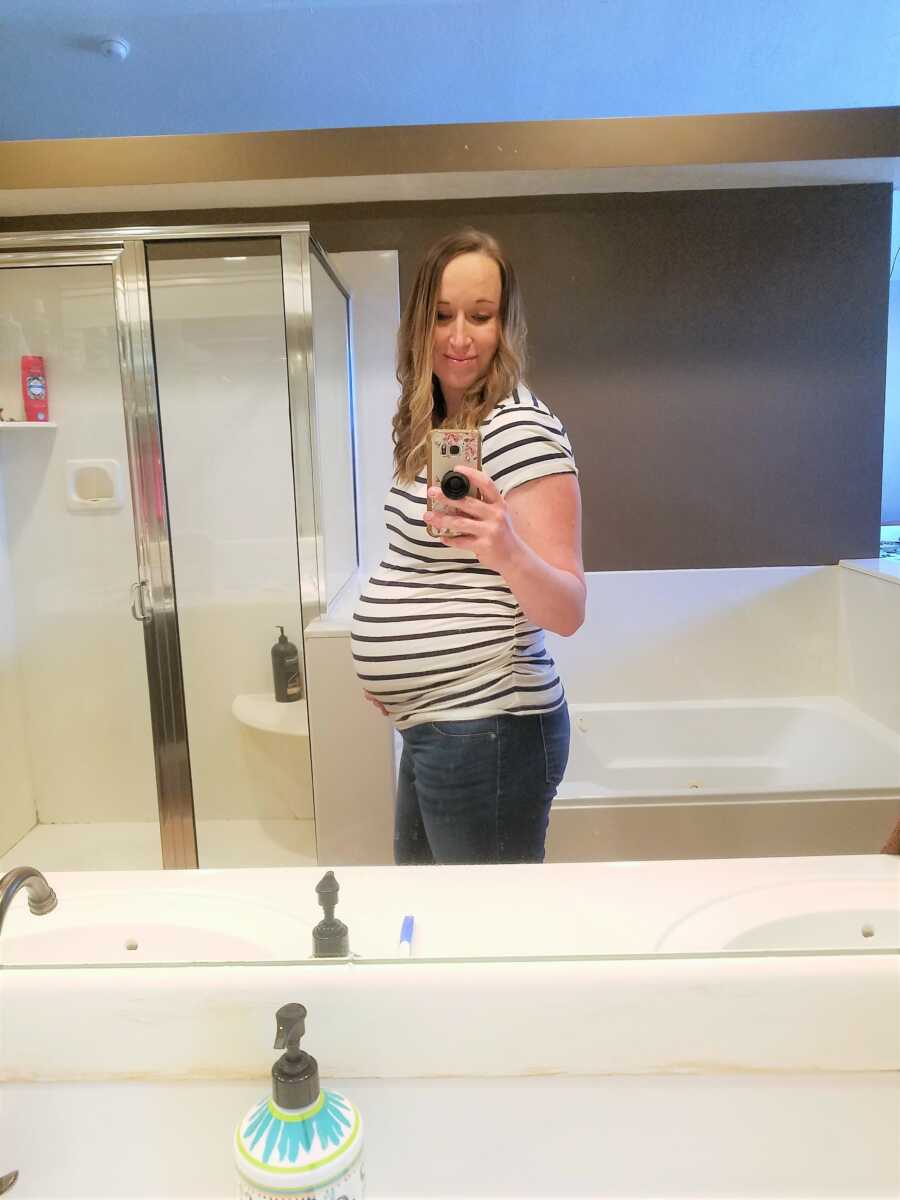
A Baby Girl Was Finally on the Way
Kim remained cautious through the early weeks because she knew another miscarriage was possible.
Once the pregnancy safely passed the first trimester, she finally allowed herself to believe that the journey might end the way everyone hoped.
The couple was going to have a daughter.
The pregnancy itself felt similar to Kim’s previous pregnancies, although she noticed one amusing difference: the baby seemed to have hiccups constantly.
Because the intended parents lived nearby, they initially attended Kim’s medical appointments and were able to experience much of the pregnancy alongside her. That involvement mattered deeply to Kim.
She had deliberately wanted to carry for a local family because she hoped the parents could participate as fully as possible.
Then COVID restrictions interrupted those appointments, preventing them from continuing to attend in the same way.
Still, the relationship between the families continued growing.
Kim cared about the little girl she was carrying, but she never confused that affection with being her mother.
She compared the pregnancy to an unusually long babysitting assignment.
At the end, the child would go home with her parents.
Kim was looking forward to handing her over.
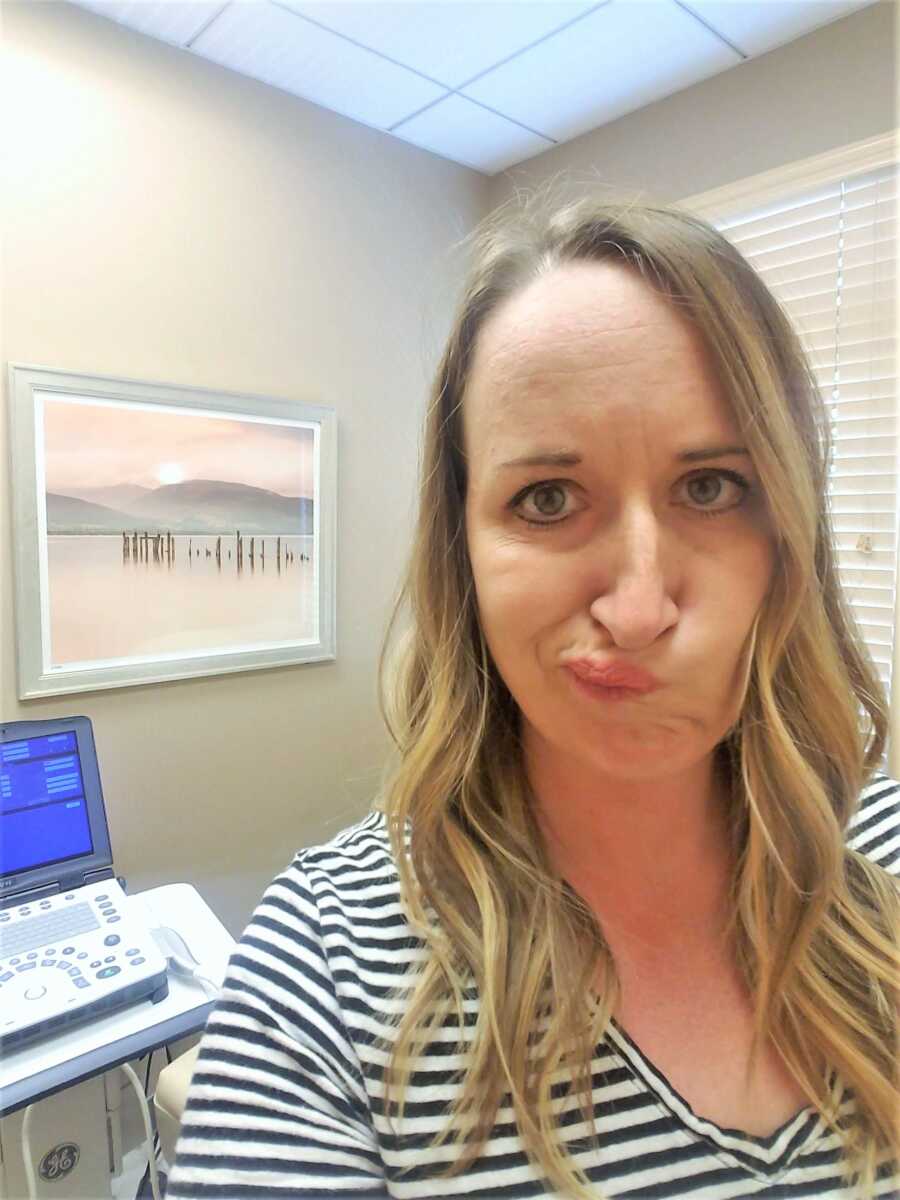
At 37 Weeks, Labor Began in the Middle of the Night
Kim had always been induced for her previous deliveries.
This time, at 37 weeks pregnant, labor began naturally around midnight.
Because her other deliveries had progressed quickly, the intended parents hurried to the hospital.
Then everything slowed.
Labor stalled, stretching the night into morning.
Finally, at around 9 a.m., Kim delivered the baby girl with her husband and both intended parents beside her.
The baby emerged loudly crying.
Her mother cut the umbilical cord.
Then staff carried the newborn across the room to be weighed.
Kim was overwhelmed.
She had cried after delivering each of her own children, but the emotion in this room felt different. She watched two people finally become parents to the daughter they had fought so hard to have.
Kim later described the atmosphere surrounding the birth as sacred.
She cried harder than she remembered crying after any previous delivery.
Seeing the baby in her parents’ arms made the long process—the failed match, the lost embryo, injections, appointments and pregnancy—feel worthwhile.
Going Home Without the Baby Was Harder Than Expected
Inside the hospital, Kim felt almost euphoric.
She visited the new family, watched them bond and experienced enormous satisfaction in knowing she had helped create the moment unfolding in front of her.
Then she went home.
The emotional impact hit unexpectedly hard.
For approximately eight months, the baby had been physically with her every moment. Suddenly, she was not there.
Kim did not regret giving the baby to her parents, nor did she want to raise her.
What she eventually realized was that she needed a goodbye.
The baby’s parents understood.
A few weeks after the birth, they brought their daughter to Kim’s house and allowed the two of them to spend approximately two hours alone together.
Kim held her.
She rocked her.
She cried.
And she spoke to the baby about why she had chosen to carry her, what she hoped for her future and how grateful she felt to have been part of her life.
Those hours gave Kim something she had not realized she needed: closure.
But another crisis was already approaching.
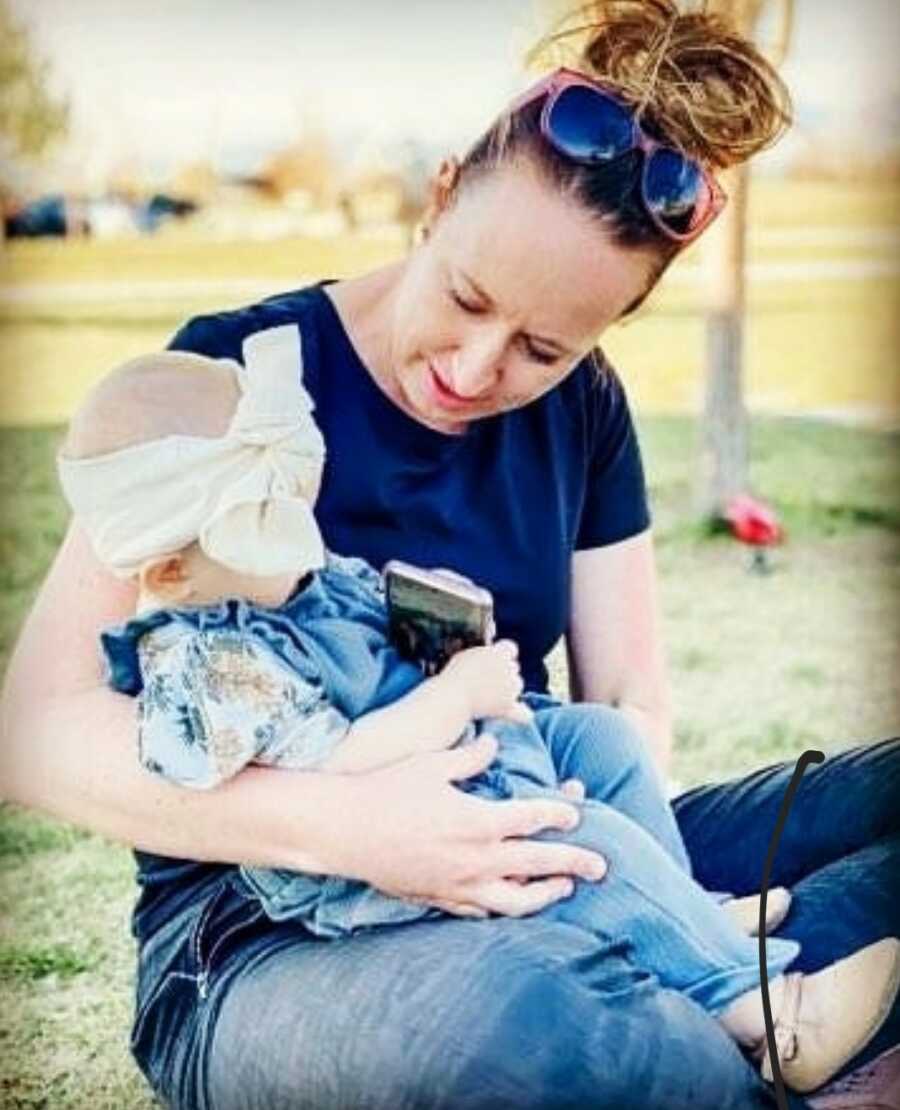
Three Weeks After Giving Birth, She Began Hemorrhaging
About three weeks postpartum, Kim developed unusual complications.
Eventually, the bleeding became severe enough that her husband took her to the emergency room.
Doctors suspected retained placental tissue and expected to perform a relatively straightforward dilation and curettage procedure.
Kim went under anesthesia believing that was what would happen.
When she woke in recovery, she overheard a nurse discussing her case with another staff member.
That was how Kim learned the procedure had become something far more serious.
She had undergone an emergency hysterectomy.
Doctors initially determined that Kim had placenta accreta. Later pathology also revealed subinvolution of the placental site.
Because the hysterectomy had become an emergency, it was performed as an open operation, and Kim remained hospitalized for three days.
The physical recovery was difficult.
Emotionally, the experience was devastating.
Kim had entered surrogacy believing she was giving another family something beautiful. She had never seriously considered that the process might permanently change her own body or put her life in danger.
The months after surgery became some of the hardest she had experienced.
Her husband and wider support system helped her through it, along with therapy, medication and time.
Gradually, she began finding her way forward.
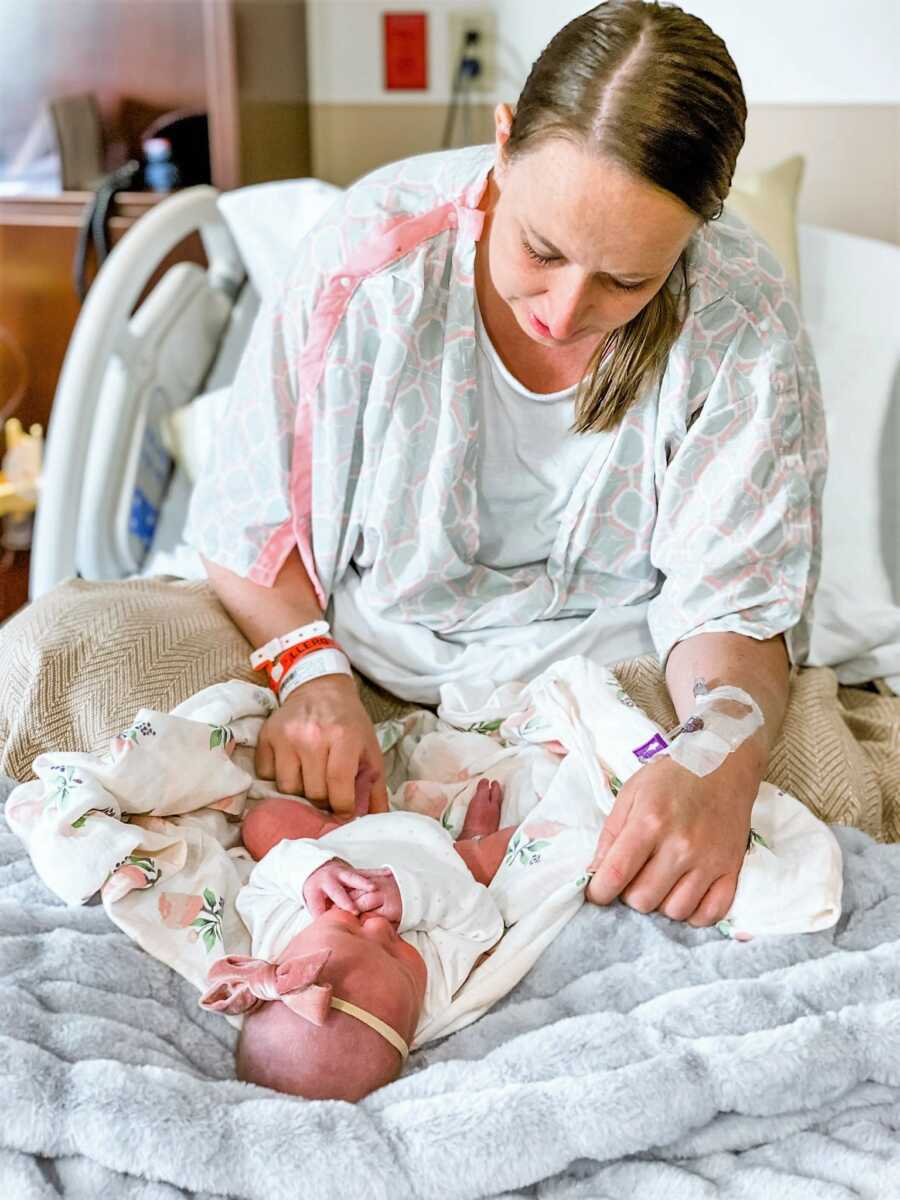
She Still Says She Would Make the Same Choice
The medical trauma did not erase what the surrogacy meant to Kim.
She acknowledged that helping create another family came at an unexpectedly high personal cost. The experience brought profound joy and profound pain, sometimes almost side by side.
But when she asked herself whether she would go back and make the same decision knowing everything that followed, her answer remained yes.
The little girl she carried became an enormous source of happiness for her parents.
Kim also received something she had hoped for from the beginning: the relationship did not disappear after delivery.
She continued receiving photographs several times a week and seeing the child and her family every few months.
That connection gave the story an ending very different from a simple goodbye in a hospital room.
Kim had carried the baby for eight months, delivered her into the arms of the people waiting to become her parents, survived a medical emergency afterward and endured a recovery she had never anticipated.
The journey took more from her than she ever expected.
But it also gave another family the child they had spent years hoping to meet.
For Kim, that moment when the baby girl finally reached her parents’ arms remained worth everything that came before—and everything that came after.