Linda Blair’s Dog Rescue Is Under Scrutiny—but The Exorcist Has Not Defined Her Life for Decades
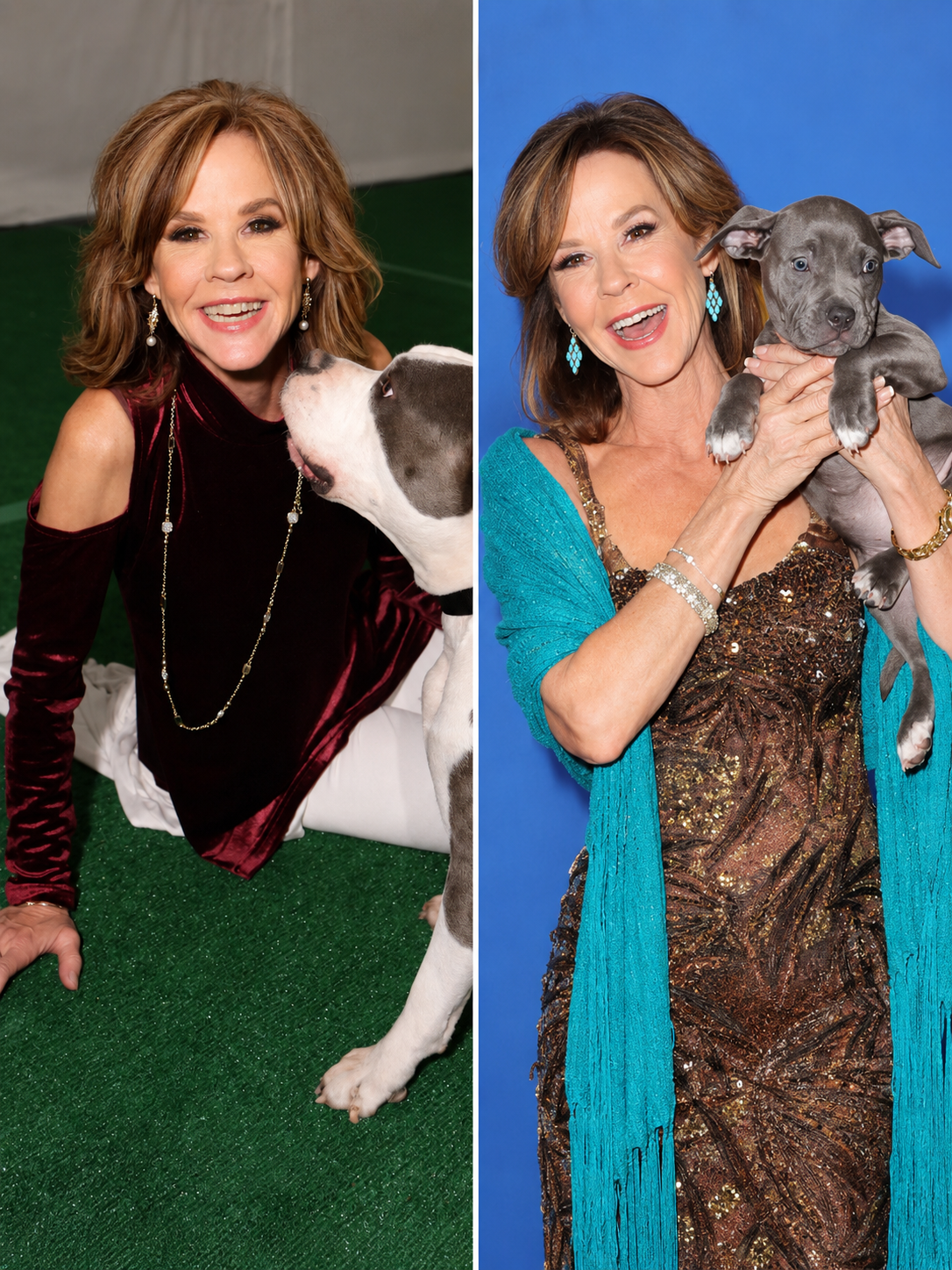
More than 50 years after Linda Blair became the terrified face of The Exorcist, authorities arrived at her Southern California property for a very different reason.
On July 31, 2026, Los Angeles County animal-care and regional-planning officials executed an inspection warrant connected to a kennel operation reportedly housing well over 100 dogs.
Officials said permits associated with the property had expired in 2023 and that earlier attempts to conduct inspections had been unsuccessful. The visit was intended to evaluate the animals’ welfare and determine whether the site complied with county rules.
Blair cooperated during the inspection. No dogs were removed, and authorities did not announce a finding that the animals had been harmed.
The investigation remains unresolved.
Blair described the dispute as largely involving paperwork, permits and property plans. She also said she hoped the attention would expose a wider crisis: overcrowded shelters, abandoned animals and rescue organizations struggling to absorb more dogs than their facilities were designed to hold.
The situation presents a complicated contrast.
Blair has spent decades building a second identity around rescuing animals. That history does not exempt her organization from oversight, licensing requirements or questions about capacity. At the same time, an inspection warrant is not proof that she neglected the dogs she says she devoted her life to saving.
To understand why the current scrutiny matters so deeply, it is necessary to look beyond the property.
Linda Blair has spent most of her adulthood trying to become someone other than the possessed child the world refused to forget.
The Girl Whose Face Became a Global Nightmare
Blair was 13 when director William Friedkin cast her as Regan MacNeil in The Exorcist.
Released in December 1973, the film follows a mother, played by Ellen Burstyn, whose daughter undergoes terrifying physical and behavioral changes before two priests attempt an exorcism.
The movie became a cultural event.
Audiences lined up around theaters. Reports circulated of viewers fainting, becoming ill or leaving screenings in distress. Religious groups condemned the film, while critics debated whether it was serious spiritual drama or calculated exploitation.
At the center of the reaction was Blair.
Her performance required her to move between ordinary childhood warmth and violent, frightening behavior. Makeup effects transformed her face, while mechanical equipment and physical staging created some of the movie’s most disturbing moments.
Although another performer supplied much of the demon’s voice, Blair became inseparable from the character’s horror.
She won a Golden Globe and received an Academy Award nomination for Best Supporting Actress. At an age when most children were beginning high school, she was attending award ceremonies and answering questions about demonic possession.
The recognition did not protect her from the consequences.
Blair later said she received threatening messages and required security. Some viewers treated her as though she had participated in something spiritually dangerous rather than performed in a film.
Reporters repeatedly questioned whether the production had psychologically damaged her. Blair denied suffering the breakdowns sometimes attributed to her, but the speculation followed her.
The world had difficulty separating the actress from Regan.

Hollywood Kept Returning Her to Distress
After The Exorcist, Blair continued acting in demanding roles.
In the 1974 television film Born Innocent, she played a runaway teenager sent into a brutal juvenile institution. A year later, she starred in Sarah T.—Portrait of a Teenage Alcoholic.
The projects demonstrated that she could handle serious material, but they also reinforced a public image built around endangered or troubled young women.
Blair reprised Regan in Exorcist II: The Heretic in 1977. The sequel received a far more negative response than the original and did little to free her from the franchise.
As she entered adulthood, her career moved through horror, exploitation films, action pictures and cult projects including Roller Boogie, Hell Night, Chained Heat and Savage Streets.
She kept working, but the prestigious future suggested by her Oscar nomination did not fully materialize.
Part of the difficulty was typecasting. Blair had become famous through an image so powerful that other performances struggled to compete with it.
Hollywood knew how to market the possessed child.
It seemed less certain about the adult woman she became.
Animals Offered an Identity Without a Camera
Blair’s involvement with animals developed into something far larger than a celebrity side project.
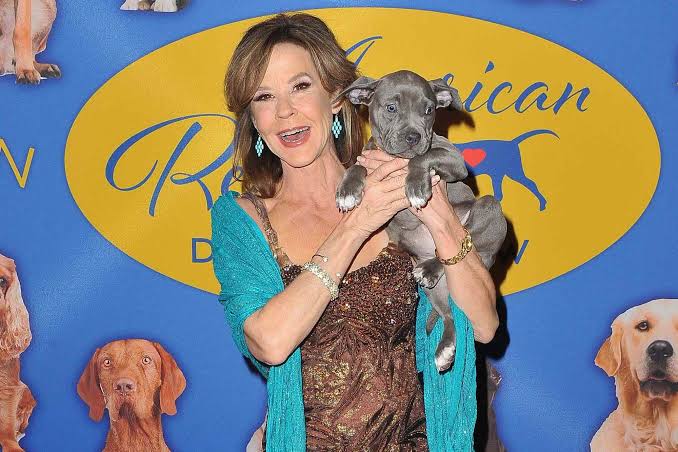
She became a vegetarian and later vegan, advocated against cruelty and devoted increasing amounts of time to rescuing dogs, particularly pit bulls and other breeds frequently abandoned or stigmatized.
In the early 2000s, she established the Linda Blair WorldHeart Foundation, a nonprofit focused on rescuing, rehabilitating and finding homes for neglected and abused animals.
The work intensified after major disasters and shelter crises. Blair helped transport dogs, arrange medical treatment and care for animals that might otherwise have been euthanized.
Unlike a movie set, rescue work offered little glamour.
There were kennels to clean, injured animals to treat, food to purchase and frightened dogs that required patience before they could safely enter new homes.
Blair has described periods when she operated the rescue property with limited help, rising early and working long days to care for the animals.
The foundation became the center of her public life.
When she appeared on The Masked Singer in 2022, she voluntarily removed herself from the competition and used the attention to discuss the animal-welfare crisis. She said the other contestants depended on performing for their careers, while her main purpose was drawing support to the rescue.
By then, the woman once known primarily for a horror film had spent years asking people to see something else.
Not Regan.
The dogs.
Why the Inspection Cannot Be Dismissed
Long-term dedication does not remove the practical risks involved in keeping a large number of animals.
Rescues must maintain appropriate space, sanitation, staffing, veterinary care and records. Local authorities also have a responsibility to inspect facilities and enforce zoning and licensing rules.
County officials said Blair’s kennel permits had expired and that repeated efforts to gain access had not produced an inspection. Reports indicated that the number of dogs found at the site may have exceeded the facility’s previously permitted capacity.
Those claims require examination.
Blair said the issue involved outdated paperwork and diagrams and maintained that the animals were safe. She also said the rescue had become overwhelmed partly because the pandemic years produced more unsterilized dogs, abandoned pets and overcrowded shelters.
Both realities can exist at once.
A person may be motivated by compassion and still operate beyond what a property is legally or practically equipped to handle. Oversight does not automatically insult the mission. It can be necessary to protect that mission from becoming unsustainable.
At the same time, language matters.
The action was an inspection conducted under a warrant, not a final judgment of cruelty. No dogs were taken from the property, and no completed investigation has established neglect.
Until authorities release findings, the fairest description is that Blair’s operation is under review.

A National Rescue Crisis Behind One Property
Blair has used the incident to direct attention toward the conditions feeding large rescues.
Across the United States, shelters and nonprofit organizations have struggled with overcrowding, rising costs and people surrendering pets they can no longer afford or accommodate.
Dogs with medical or behavioral needs are especially difficult to place. Larger breeds and pit bull-type dogs can remain in shelters longer because of housing restrictions, insurance rules and public fear.
Rescuers often face an agonizing calculation.
Turning away an animal may mean leaving it in danger. Taking in too many can overwhelm the space, money and workers available to care for them.
Compassion alone cannot solve that equation.
Blair has urged people to foster, adopt, sterilize their pets, volunteer and support legitimate rescue organizations. Her broader message is that the burden cannot remain with a small number of individuals attempting to absorb an endless emergency.
The current investigation may ultimately reveal administrative problems, capacity violations or issues requiring correction.
It may also reveal how easily rescue systems become strained when society expects private organizations to compensate for widespread abandonment.
Regan Returned, but Only Briefly
Blair made a surprise appearance in The Exorcist: Believer in 2023, briefly reuniting onscreen with Burstyn.
She had also served as an adviser on the production, particularly regarding the treatment of young performers working with disturbing material.
The involvement showed that Blair had reached a more peaceful relationship with the role that changed her life.
But she did not use the sequel to relaunch herself as the permanent face of the franchise.
By then, animal advocacy had occupied far more of her adult life than acting.
That is the deeper transformation behind the current headlines.
At 14, Blair became famous for portraying a child whose body was controlled by something terrifying. As an adult, she devoted herself to creatures that had also lost control over their circumstances—dogs abandoned, abused or left in shelters because no one wanted responsibility for them.
The connection should not be made too neatly. Real animals are not symbols, and rescue work is more complicated than a redemptive second act.
But Blair clearly found purpose in protecting beings that could not explain what had happened to them.
Her Mission Must Survive Scrutiny
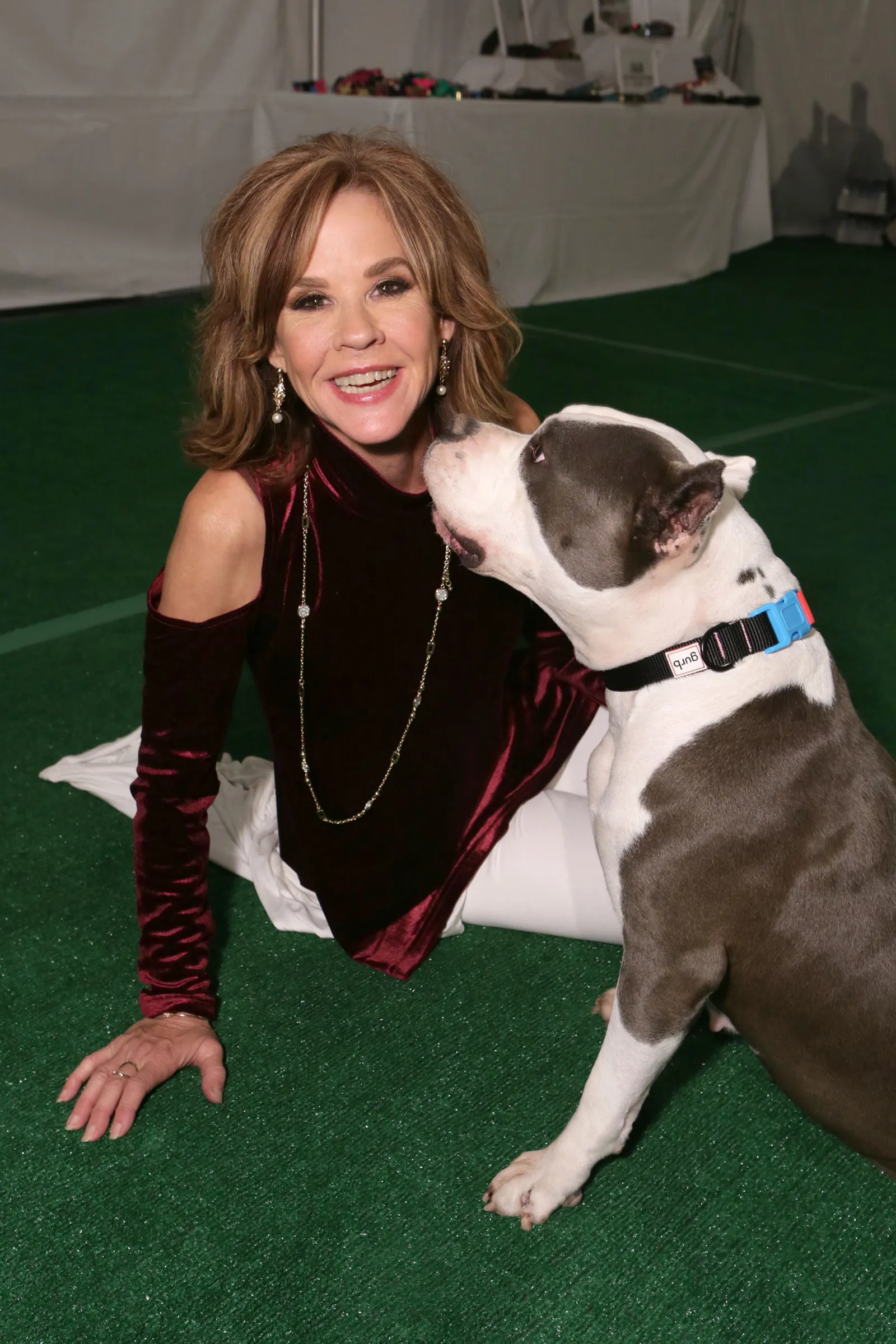
The inspection places Linda Blair’s two public identities in uneasy contact.
The celebrity attracts attention to the property. The rescuer asks that attention be used to help animals rather than merely produce another scandal.
Her decades of work deserve acknowledgment.
So do the legal standards intended to keep large numbers of animals safe.
If permits expired, they must be renewed or replaced. If capacity limits were exceeded, the organization must address how many dogs it can responsibly house. If officials identify problems, compassion for Blair’s intentions cannot substitute for corrections.
But it would be equally premature to transform an ongoing inspection into a verdict.
No animals were removed. Blair cooperated when the warrant was served. The authorities’ review is continuing.
For half a century, audiences have repeatedly pulled Linda Blair back toward a single bedroom, a frightening face and a film released when she was a child.
She spent the years afterward building a different life—one measured not by box-office success but by animals moved out of shelters and into safety.
The inspection may determine whether that mission must change how it operates.
It does not erase what the mission became.
The Exorcist made Linda Blair famous.
The dogs she chose to protect explain who she decided to be after the cameras moved on.