More Than a Role: How Andy Griffith Became a Real Father Figure to Ron Howard On and Off Screen
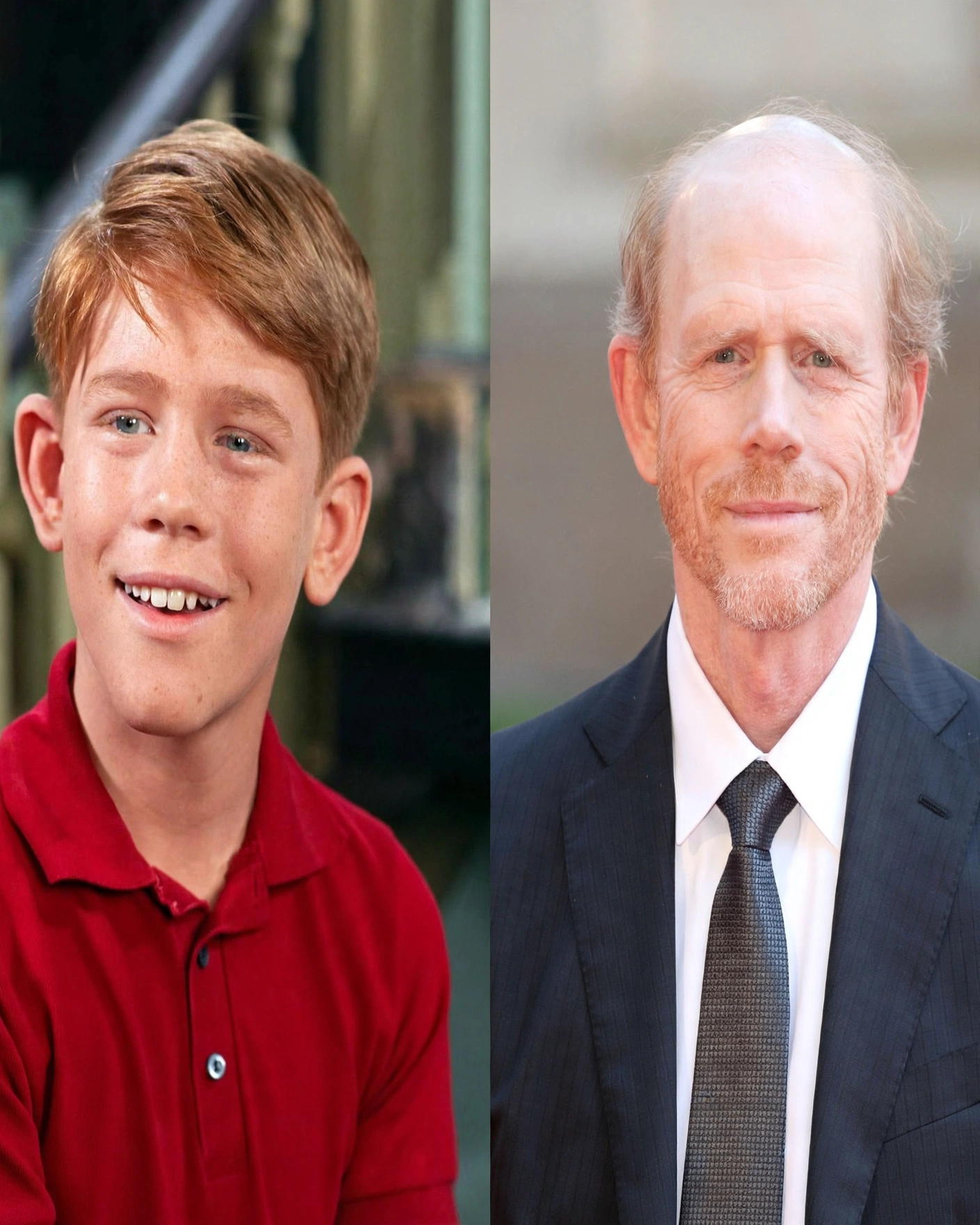
The cameras were rolling, but something about the moment felt real.
A young boy stood beside a calm, steady figure who spoke not with authority, but with warmth. The lines may have been written, but the connection wasn’t. What audiences saw on screen was something deeper than acting—it was trust.
For Ron Howard, that trust would become one of the most defining influences of his life.
And for Andy Griffith, it was never just about playing a role.
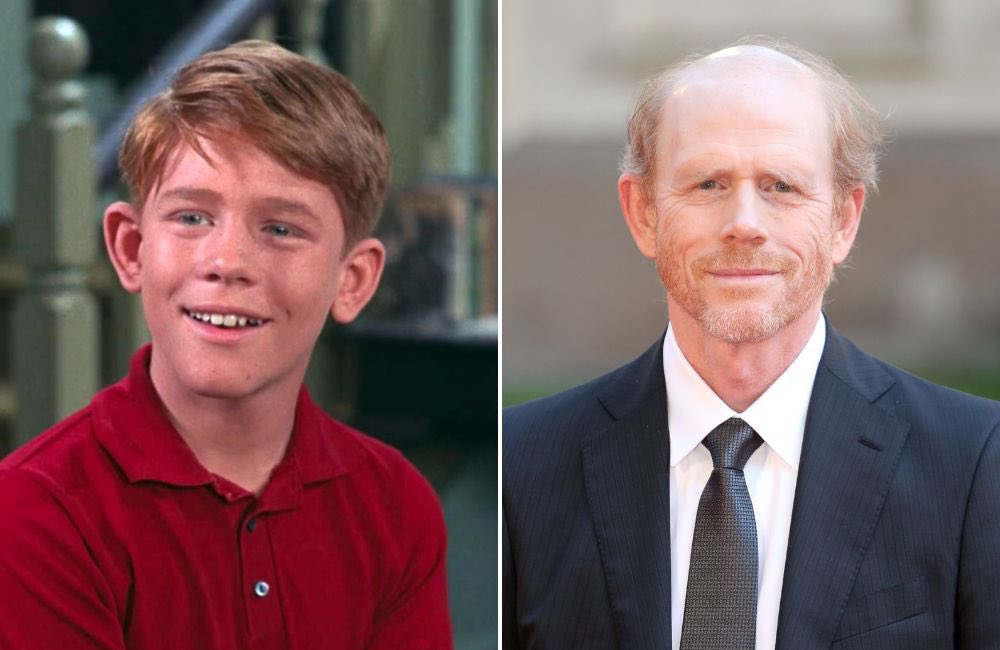
When The Andy Griffith Show premiered in 1960, it introduced viewers to the quiet town of Mayberry and its steady, thoughtful sheriff, Andy Taylor. At his side was his young son, Opie, played by a child actor who would grow up to become one of Hollywood’s most respected directors.
But in those early years, Ron Howard was simply a boy learning his way through an unfamiliar world.
Television sets can be overwhelming places, especially for children. There are lights, cameras, scripts, and expectations—all moving quickly, all demanding attention. For a young actor, it can feel like stepping into a world where every mistake is visible.
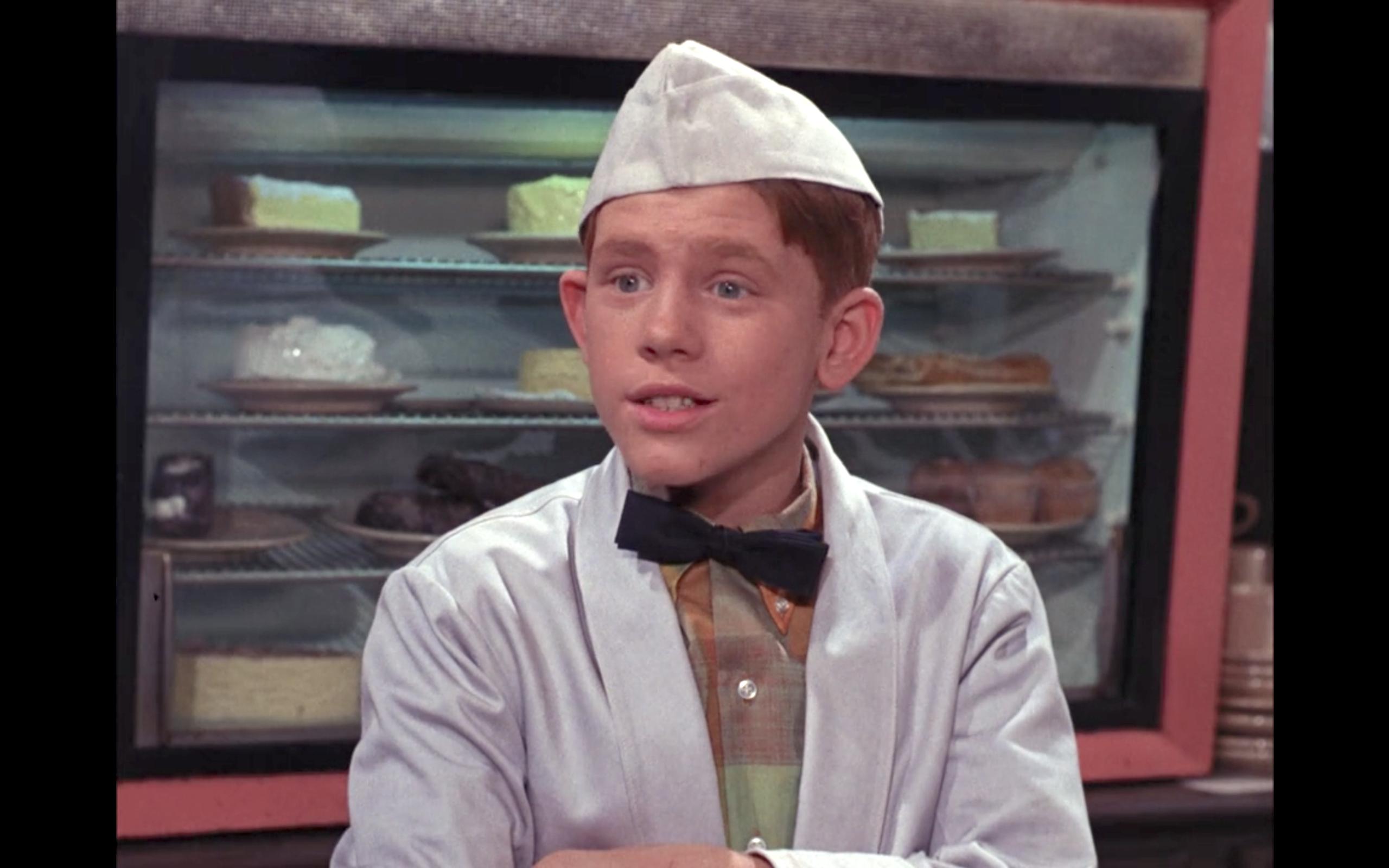
Andy Griffith understood that.
Rather than treating Howard as just another cast member, he approached him with patience. He created an environment where the child felt safe—not just to perform, but to learn.
That difference mattered.
Griffith did not rely on strict instruction or pressure. Instead, he guided gently. He allowed moments to unfold naturally, helping Howard understand not just what to say, but how to feel within a scene.
The result was something audiences could sense immediately.
The relationship between Andy Taylor and Opie did not feel forced. It felt lived-in, as if it existed beyond the script. That authenticity became one of the show’s most enduring qualities.
But what viewers saw on screen was only part of the story.
Behind the scenes, Griffith took on a role that extended beyond acting. He became a mentor, offering advice, encouragement, and a sense of stability in an environment that could easily become overwhelming.
For Howard, those moments left a lasting impression.
He has often reflected on the calm presence Griffith brought to the set—the way he handled situations, the way he interacted with others, the way he balanced professionalism with kindness. These were lessons that went far beyond acting.
They were lessons about character.
As the years passed, The Andy Griffith Show grew into a beloved part of American television. Its stories were simple, its humor gentle, its tone reflective of a world where problems could be solved with understanding rather than conflict.
At the center of that world was the relationship between father and son.
It was not built on grand gestures or dramatic speeches. Instead, it was shaped by quiet conversations, shared moments, and mutual respect.
That simplicity made it powerful.
For many viewers, it became a model of what a father-child relationship could look like—steady, supportive, and grounded in care.
And for Ron Howard, it was something even more personal.
Growing up in the spotlight can be challenging. The line between performance and reality often blurs, especially for child actors. But having someone like Griffith on set provided a sense of balance.
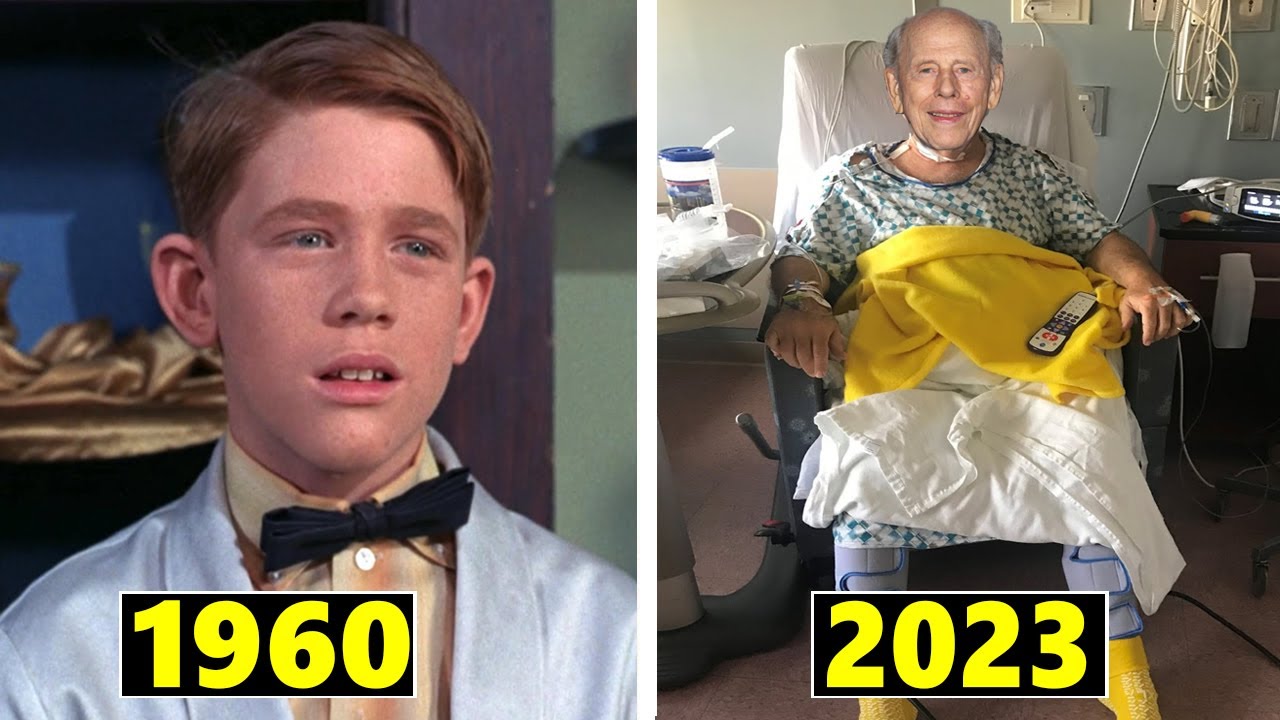
He was not just guiding a character.
He was guiding a child.
Over time, Howard’s career began to evolve. He moved from acting into directing, eventually becoming one of the most respected filmmakers in the industry. Films, awards, and recognition followed.
But the foundation had been built years earlier.
The lessons he learned on that set—about patience, about collaboration, about leading with respect—remained with him. They shaped the way he approached his work, the way he interacted with actors, and the way he built his own career.
Griffith’s influence did not fade with time.
It stayed.
Even as their paths moved in different directions, the connection between them remained a part of Howard’s story. It was not defined by constant contact or public acknowledgment, but by something quieter.
Respect.
Gratitude.
Understanding.
In an industry often defined by ambition and competition, their relationship stood out for its simplicity. It was not about fame or success. It was about the impact one person can have on another, especially during formative years.
Griffith did not set out to shape a future director.
He simply treated a young actor with kindness.
But that kindness mattered.
It created a space where confidence could grow, where learning felt natural, and where mistakes were part of the process rather than something to fear.
Those are the moments that stay with people.
Not the headlines.
Not the awards.
But the quiet acts that shape who someone becomes.
Today, when people look back at The Andy Griffith Show, they see more than a television series. They see a world that feels genuine, relationships that feel real, and performances that carry a sense of honesty.
At the heart of that is the connection between Andy Griffith and Ron Howard.
It began as a role.
It became something more.
And in the years that followed, it proved that sometimes, the most important parts we play are the ones no one writes into the script.