Nearly 30 Years After Tupac Shakur’s Murder, a Jury Has Finally Convicted a Man
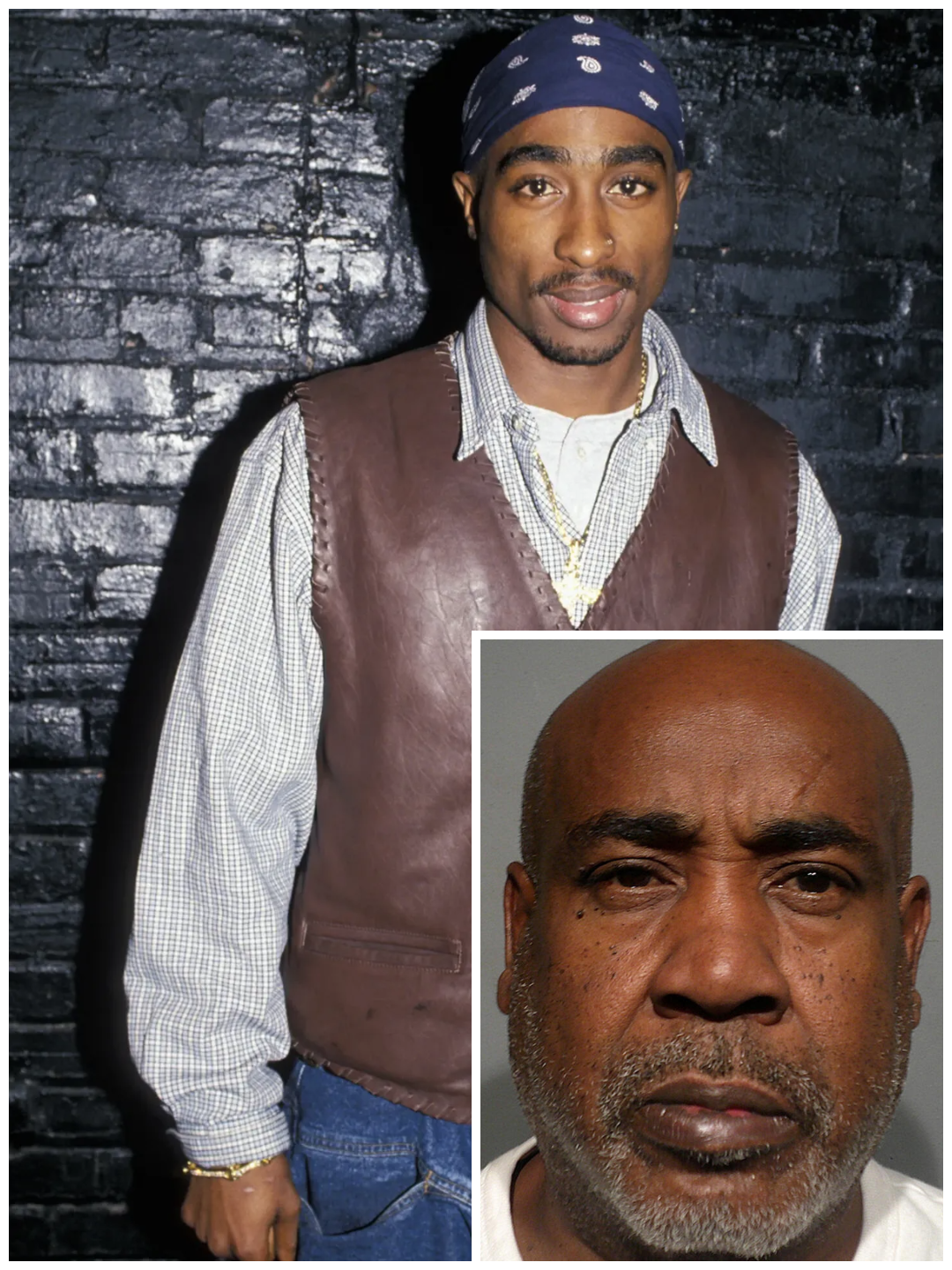
For nearly three decades, the murder of Tupac Shakur remained one of the most famous unsolved killings in music history.
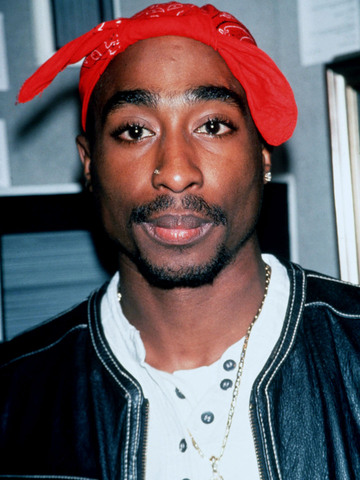
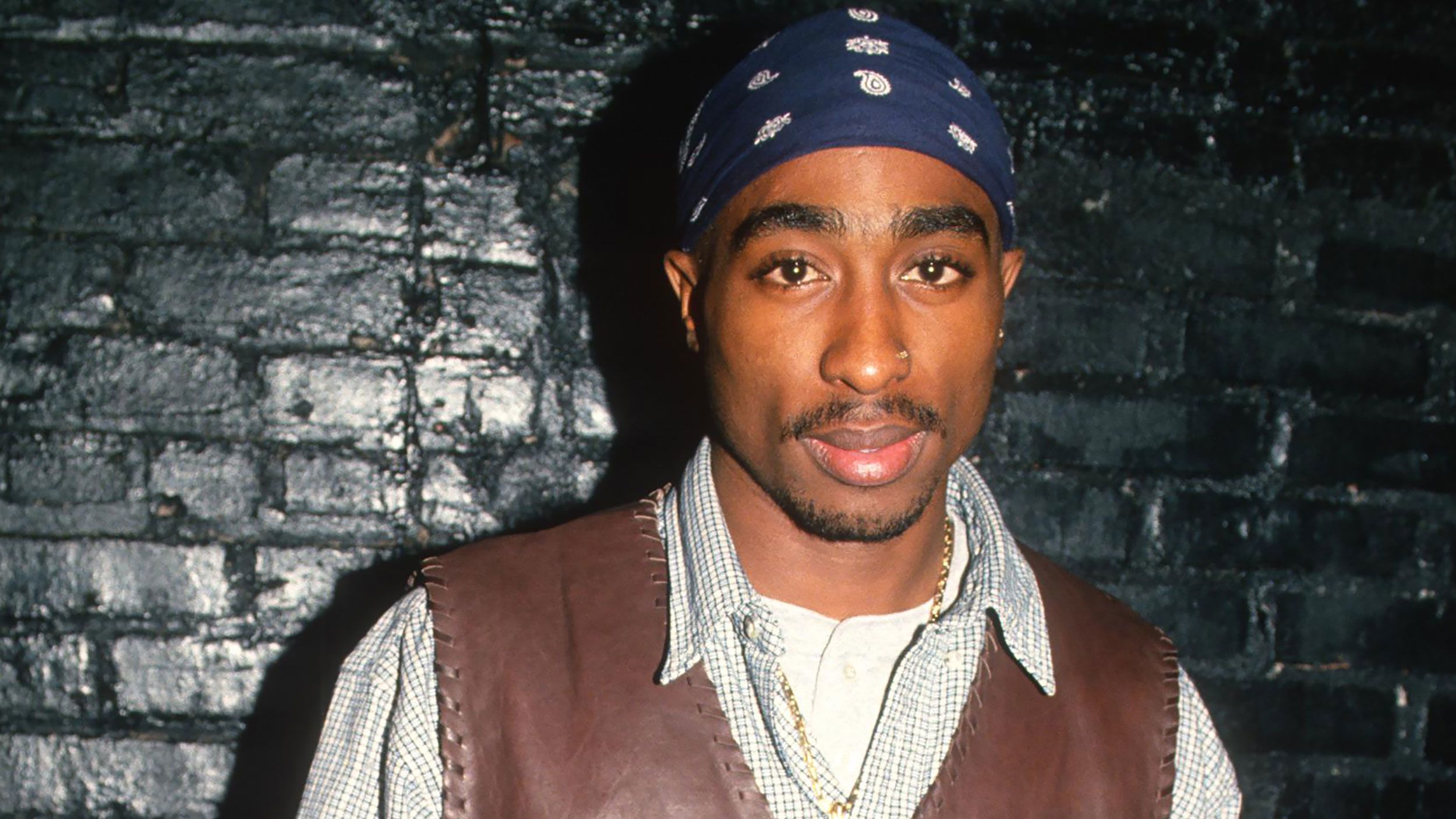
The rapper was only 25 when he was shot in Las Vegas in September 1996. His death became part of hip-hop mythology, spawning documentaries, books, conspiracy theories and endless debate over who was responsible.
Now, almost 30 years later, a jury has delivered a historic verdict.
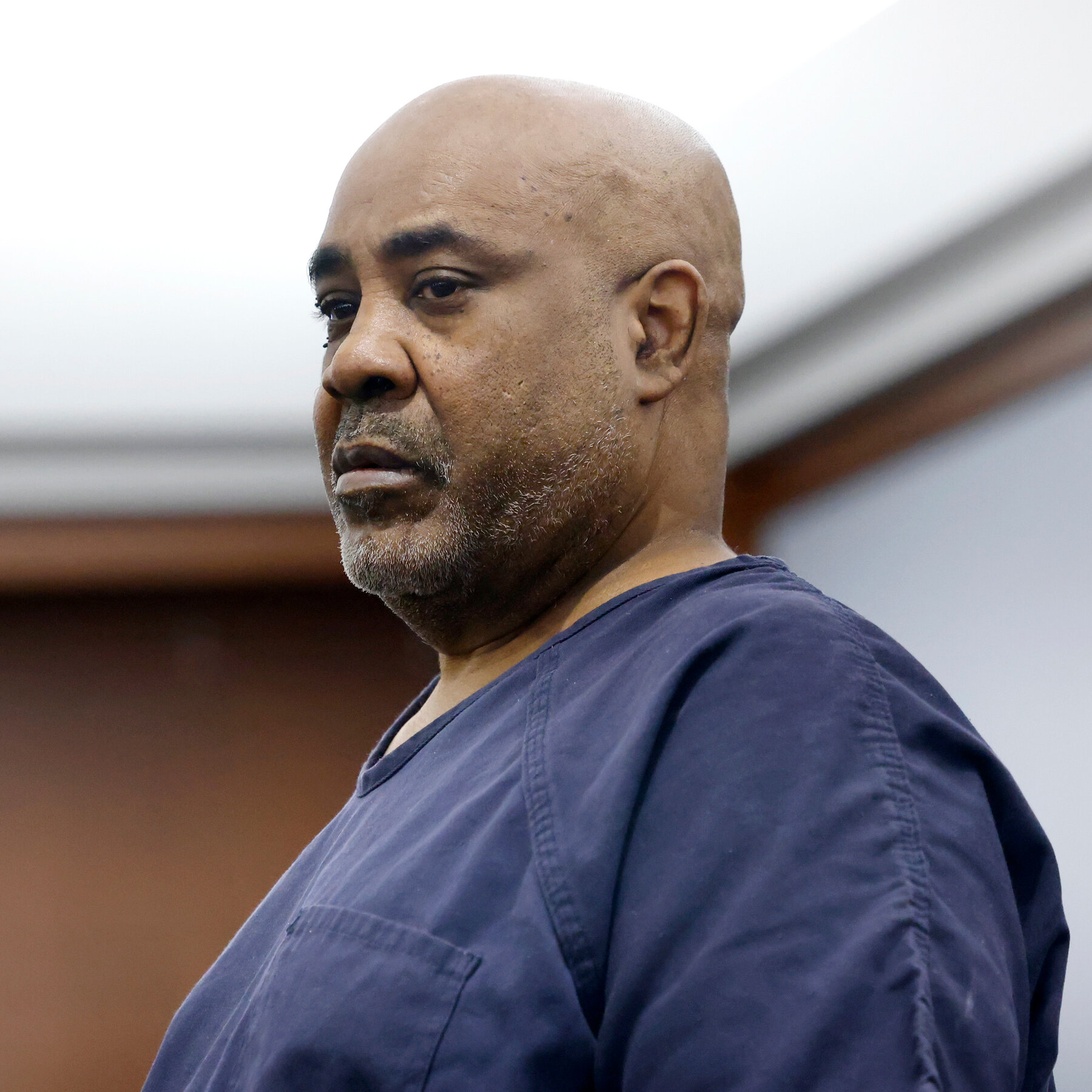
On Aug. 31, 2026, a Las Vegas jury found Duane “Keffe D” Davis guilty of first-degree murder with a deadly weapon in Shakur’s killing. Davis, 63, became the first and only person convicted in connection with the rapper’s death. Jurors deliberated for less than three hours before reaching their decision.
The verdict was remarkable not only because of how long the case remained unresolved, but because some of the most important evidence against Davis came from a source investigators could hardly have expected in 1996:
Davis himself.
Over the years, Davis publicly discussed the night Shakur was shot in interviews and later in his 2019 memoir, Compton Street Legend. He acknowledged being inside the white Cadillac from which the fatal shots were fired and described events surrounding the attack.
Those statements eventually became a central part of the prosecution’s case.
Davis was not accused of personally pulling the trigger.
Instead, prosecutors argued that he organized and facilitated the retaliatory attack that led to Shakur’s death, including obtaining the gun used by the group. Under Nevada law, prosecutors did not need to prove that Davis himself fired the weapon in order to hold him criminally responsible for the murder.
The case began nearly three decades earlier on the night of Sept. 7, 1996.
x
Shakur had attended a Mike Tyson boxing match at the MGM Grand in Las Vegas with Marion “Suge” Knight, the powerful head of Death Row Records.
After the fight, Shakur, Knight and members of their entourage became involved in an altercation inside the casino with Orlando Anderson, a member of the South Side Compton Crips and Davis’ nephew.
Hours later, Shakur was riding in the passenger seat of a BMW driven by Knight near the Las Vegas Strip.
While the car was stopped at a red light, a white Cadillac pulled alongside it.
Gunfire erupted.
Shakur was struck multiple times. Knight was also injured when a bullet grazed his head.
The rapper was rushed to a hospital, where he remained for several days before dying on Sept. 13, 1996.
He was 25 years old.
The murder immediately became one of the defining mysteries of the hip-hop era.
Despite years of rumors and investigative reporting, no one was charged for decades.
Davis, however, was never completely unknown to investigators. Authorities had long been aware of his connection to the people believed to have been inside the Cadillac.
What changed over time was how openly he began speaking about it.
In interviews conducted years after Shakur’s death, Davis described being in the Cadillac on the night of the shooting and discussed the circumstances surrounding the killing.
He later published similar accounts in his memoir.
At trial, prosecutors argued that these were not simply the exaggerated stories of a man trying to become famous. They contended that key elements of Davis’ accounts were supported by other evidence and testimony.
The defense took the opposite view.
Davis’ attorney argued that his client had repeatedly told sensational stories because there was money and attention to be gained from his connection to one of the most notorious murders in entertainment history. The defense questioned whether Davis’ own statements could be trusted, pointing to inconsistencies in different versions of his story.
That created an unusual dynamic inside the courtroom.
In many murder trials, prosecutors attempt to prove that a defendant is lying when he denies involvement.
In Davis’ case, the defense was essentially asking jurors to believe that some of his most incriminating public statements were the lies.
The jury was not persuaded.
After closing arguments on Aug. 31, jurors deliberated for roughly three hours before finding Davis guilty of first-degree murder with a deadly weapon.
Members of Shakur’s family were present in the courtroom when the verdict was read. Some became emotional and later embraced prosecutors.
Davis showed little visible reaction. Afterward, he told District Judge Carli Kierny that he intended to appeal.
His sentencing was scheduled for Oct. 13, 2026, and the judge ordered that he remain held without bail. He could face life in prison.
The conviction does not answer every question that has surrounded Shakur’s death.
Davis was one of four men prosecutors said were inside the Cadillac that night. Several of the other figures historically connected to the case have since died, including Anderson, who was killed in an unrelated shooting in 1998.
And because Davis was prosecuted as someone who allegedly helped orchestrate the attack rather than as the gunman, debates about exactly who fired the fatal shots may continue.
But legally, the case has crossed a threshold it had never reached before.
For the first time since Tupac Shakur was gunned down on a Las Vegas street, a jury has found someone guilty of his murder.
The significance extends beyond one criminal case.
Shakur’s death has occupied a unique place in American culture for decades. His killing, followed six months later by the murder of Christopher Wallace — The Notorious B.I.G. — became inseparable from the story of the East Coast-West Coast rivalry and one of the darkest periods in hip-hop history.
Both men died young.
Both became even larger cultural figures after their deaths.
And for decades, neither murder resulted in a criminal conviction.
That is why the Davis verdict represents such an extraordinary moment.
It also carries an unusual lesson about the way cold cases can evolve.
Investigators did not suddenly discover a forgotten murder weapon or a piece of DNA that solved everything overnight.
Instead, a man who had lived for years without being prosecuted repeatedly spoke publicly about the crime.
He gave interviews.
He told stories.
He published a book.
Those statements helped keep his connection to the case alive — and eventually became evidence inside a courtroom.
Davis has continued to maintain his innocence following the verdict and is expected to challenge the conviction.
So the legal story is not necessarily finished.
But the historical significance of Aug. 31, 2026, is already clear.
For almost 30 years, Tupac Shakur’s murder existed somewhere between a cold case and a cultural mystery.
Generations of fans grew up knowing the photographs, the theories and the unanswered questions.
Now, for the first time, there is also a conviction.
Nearly three decades after bullets struck a BMW near the Las Vegas Strip and silenced one of hip-hop’s most influential voices, a jury has finally held a man criminally responsible for Tupac Shakur’s death.