Neighbors Reportedly Saw Three Recurring Visitors at Hayden Panettiere’s Home as DEA Traces Possible Black-Market Pills

New accounts from neighbors of Hayden Panettiere are drawing attention to a pattern of visitors seen at her West Hollywood residence in the years before her death — including one man who was reportedly spotted at the building just days before the actress traveled to South Carolina.
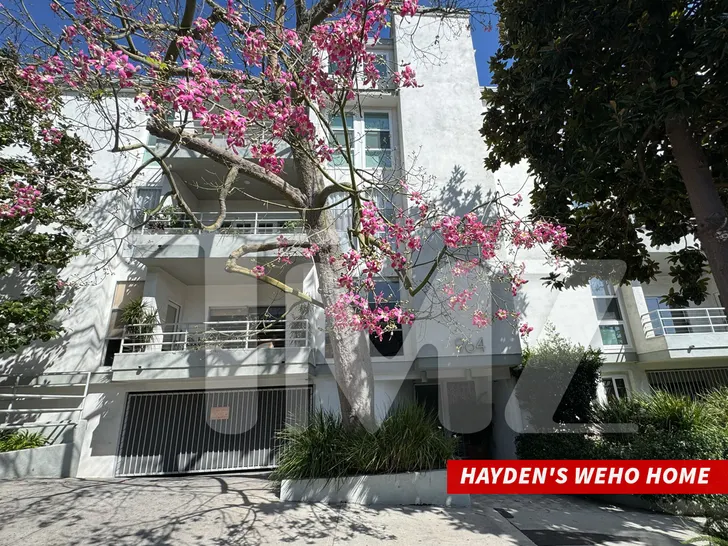
Residents have described three recurring visitors — two women and one man — who allegedly arrived separately at Panettiere’s condo and were sometimes seen carrying small bags.
One neighbor said the encounters were brief: the visitor would arrive, Panettiere would answer the door, take the bag, and the person would leave.
Neighbors told investigators and reporters they became suspicious of the visits and wondered whether the individuals could have been involved in supplying drugs.
But there is an important distinction.
None of the three publicly identified visitors has been established by authorities as a drug dealer, and there is currently no official evidence linking any particular visitor to the substance or substances that may have contributed to Panettiere’s death.
The accounts are emerging as federal investigators separately examine whether the 36-year-old actress obtained black-market prescription pills in Los Angeles before her death on August 16.
Neighbors Say the Visits Had Been Happening for Years
People who lived in Panettiere’s West Hollywood condominium complex said the three individuals had allegedly been visiting her residence periodically since approximately 2021.
The visitors reportedly never arrived as a group.
Instead, two young women and a man believed to be in his 30s allegedly appeared individually.
Residents described the visits as unusually short.
According to one account, the visitors would sometimes arrive carrying small bags, hand them over at the door and leave without remaining inside the apartment.
That pattern led some neighbors to privately suspect the exchanges could have involved drugs.
However, suspicion by witnesses is not proof of criminal activity.
There could be other explanations for brief deliveries, and no law enforcement agency has publicly accused all three individuals seen by neighbors of supplying illegal substances.
Sources close to Brian Hickerson, Panettiere’s on-and-off partner, have also reportedly suggested that deliveries to the residence sometimes involved food-ordering services.
What has attracted renewed attention is not simply that deliveries occurred, but that neighbors say they repeatedly recognized the same people over several years.

One Man Allegedly Returned Days Before Her Final Trip
A more specific account came from Panettiere’s next-door neighbor, Mia Terrazas.
Terrazas said she encountered a man at the building on the Tuesday before Panettiere died that Sunday.
According to her account, the visitor initially had difficulty entering the building and repeatedly buzzed Panettiere’s unit.
Terrazas eventually allowed him inside and rode in the elevator with him.
She said she believed he was carrying a small bag.
Terrazas later said she suspected the man might have been supplying Panettiere with drugs, based on what she had observed over time.
Again, that characterization reflects the neighbor’s suspicion, not an official finding.
Authorities have not publicly identified the man, charged him with a crime or confirmed what was inside the bag.
Other residents have also described seeing a male visitor during roughly the same period.
One account said a bag associated with that visit had the name “Brian” written on it, although there has been no public evidence establishing what the bag contained or what significance, if any, the name had.
DEA Investigation Is Looking at a Different Evidence Trail
The neighbor accounts have become more significant because they surfaced alongside a broader federal investigation into Panettiere’s access to prescription drugs.
Sources familiar with the investigation say federal agents are examining whether she obtained controlled substances outside legitimate medical channels in Los Angeles.
Investigators have reportedly focused particularly on alleged purchases of black-market prescription pills, including oxycodone.
They are also reviewing communications said to contain discussions about pill purchases.
According to sources familiar with the inquiry, Panettiere exchanged numerous messages over an extended period with an alleged supplier.
Those messages reportedly continued into the week before her death and are now being examined as investigators try to reconstruct where her medications and other substances came from.
Federal Agents Searched Her Los Angeles Home
Nine days after Panettiere died, federal drug agents executed a search warrant at her Los Angeles residence.
The August 25 search reportedly focused on evidence connected to controlled substances.
Investigators were said to be looking for medications, recreational drugs and other evidence that could help determine whether any pills found at the residence came from the same source as substances connected to her final days.
Agents were also reportedly interested in drug paraphernalia and anything that might identify suppliers.
The search illustrates how the investigation has expanded beyond the South Carolina apartment where Panettiere died and back to California, where she lived and where authorities believe some of the relevant substances may have originated.

Her Final Trip Began in Los Angeles
Panettiere traveled from Los Angeles to South Carolina shortly before her death.
She was staying temporarily at an apartment in Greenville with Brian Hickerson and his brother Zach Hickerson when she was found unresponsive on August 16.
A police report confirms both men were at the residence when emergency services were contacted.
Responders arrived following a report involving an unresponsive woman and cardiac arrest.
Emergency personnel attempted resuscitation, but Panettiere could not be revived.
She was pronounced dead shortly after 2:30 p.m.
Authorities have said there were no signs of trauma or evidence indicating foul play.
A bag containing medications was reportedly provided to investigators at the scene, making the origins and contents of those medications another potentially important part of the inquiry.
Investigators Are Examining Reports of Counterfeit Oxycodone
Sources familiar with the investigation have said authorities are examining a theory that Panettiere may have taken counterfeit oxycodone containing fentanyl.
Counterfeit prescription pills are especially dangerous because they can resemble legitimate medication while containing fentanyl in unpredictable amounts.
Even very small quantities can be fatal.
Investigators are reportedly trying to determine whether Panettiere obtained such a pill from a supplier in Los Angeles and whether any other pills connected to that source remain in circulation.
But that theory remains unconfirmed.
The Greenville County Coroner’s Office has repeatedly stressed that Panettiere’s official cause and manner of death have not yet been determined.
Toxicology results remain pending.
Her Representative Has Warned Against Premature Conclusions
As reports about the alleged dealer, suspected fentanyl exposure and DEA investigation have spread, Panettiere’s representative has urged the public not to treat preliminary information as established fact.
The representative characterized some reports surrounding the cause of death as unverified and said investigators must be allowed to complete their work before conclusions are drawn.
That warning is particularly relevant to the neighbor accounts.
Residents may have witnessed a real pattern of visitors.
Investigators may ultimately determine those visits were important.
But it is also possible that some or all of them had no connection to Panettiere’s death.
Until authorities identify the visitors, determine what they were carrying and compare that evidence with toxicology and digital records, the significance of those encounters remains uncertain.
What the Autopsy Has Established So Far
Panettiere’s autopsy was completed shortly after her death.
The examination found no traumatic injuries that contributed to her death.
Her cause and manner of death remain pending additional studies, including toxicology testing.
Emergency dispatch audio referenced a possible overdose while CPR was underway, but dispatch information reflects the circumstances reported during an emergency response and is not itself a medical determination.
The coroner has said the investigation remains active.
Authorities have not publicly announced any arrest connected to supplying Panettiere with drugs.

Three Visitors, One Investigation — but No Proven Link Yet
The emerging timeline has created an intriguing overlap.
Neighbors say three familiar individuals repeatedly visited Panettiere’s West Hollywood residence.
One man was allegedly seen there only days before she left California.
Federal investigators, meanwhile, are examining Panettiere’s alleged access to black-market pills and reviewing years of communications connected to a suspected supplier.
Agents have searched her home.
They are tracing medications.
And toxicology testing may ultimately reveal which substances were in her body when she died.
But the most important connection has not yet been established.
There is no public evidence proving that the man seen during Panettiere’s final week — or either of the two women described by neighbors — supplied the substance that caused or contributed to her death.
That is now one of the unanswered questions surrounding the investigation.
For investigators, the challenge is to move beyond what neighbors believed they saw and establish what can actually be proven: who visited Panettiere, what they brought with them, where her pills came from and whether any of those substances played a role in her death.
Until the toxicology results and federal investigation provide those answers, the visitors remain potential pieces of a much larger puzzle — not proven suspects.