Operation Zamość: The Nazi Campaign That Tried to Erase an Entire Polish Homeland—and the Children Who Paid the Highest Price
Before dawn, soldiers surrounded quiet farming villages in southeastern Poland. Families awoke to barking dogs, shouted orders, and armed men demanding they leave everything behind. Parents had only minutes to gather what they could carry. Many never realized they were seeing their homes—or even their children—for the last time.
The brutal campaign became known as Operation Zamość, one of Nazi Germany’s largest forced population expulsions during World War II. Although it remains far less familiar than many other wartime atrocities, the operation devastated an entire region and forever changed the lives of tens of thousands of Polish civilians, especially children.
The campaign unfolded in the Zamość region of occupied Poland between late 1942 and early 1943. The fertile countryside had attracted the attention of Nazi leaders, who intended to transform it into a German settlement area as part of the broader Generalplan Ost, an ambitious plan to reshape Eastern Europe through ethnic cleansing and German colonization.
To make room for incoming German settlers, the local Polish population had to disappear.
That objective was carried out with ruthless efficiency.
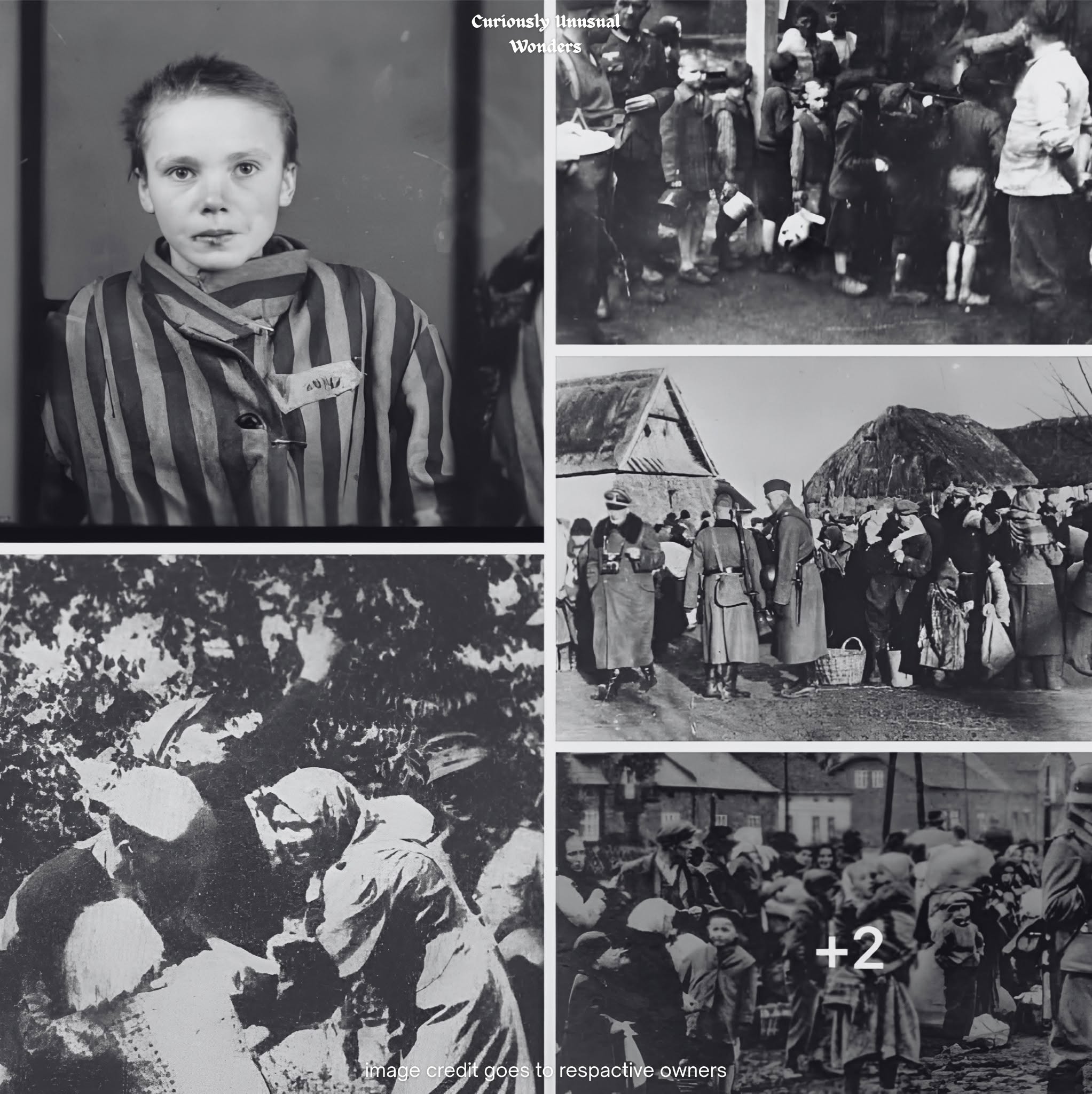
Beginning on the night of November 27–28, 1942, German police and SS units entered village after village, forcing residents from their homes. Entire communities were emptied in a matter of hours. Families were ordered onto carts or marched to collection points before being transported to transit camps, where their futures would be decided by Nazi racial policies.
By the end of the operation, historians estimate that approximately 116,000 Polish men, women, and children had been expelled from nearly 300 villages across the Zamość region.
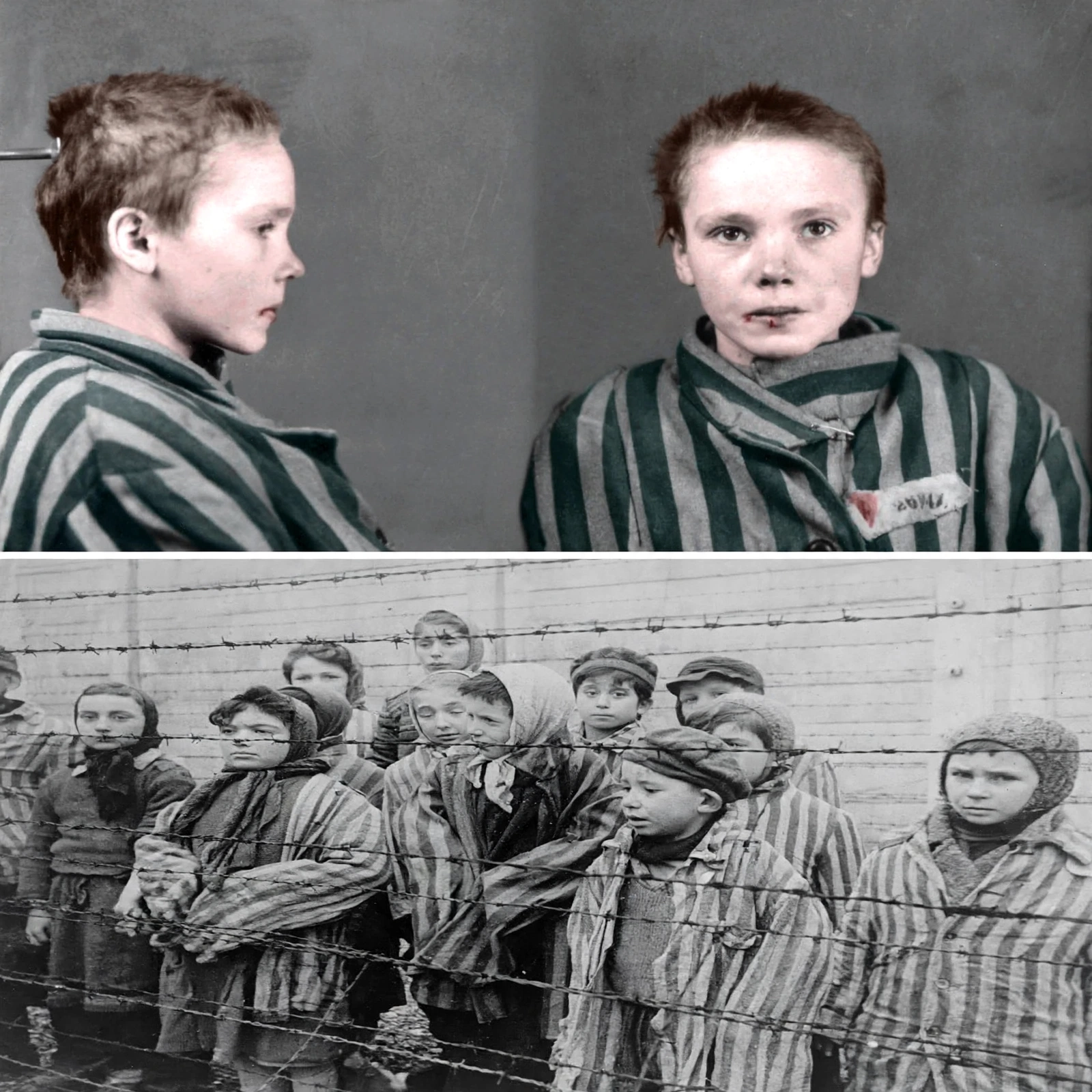
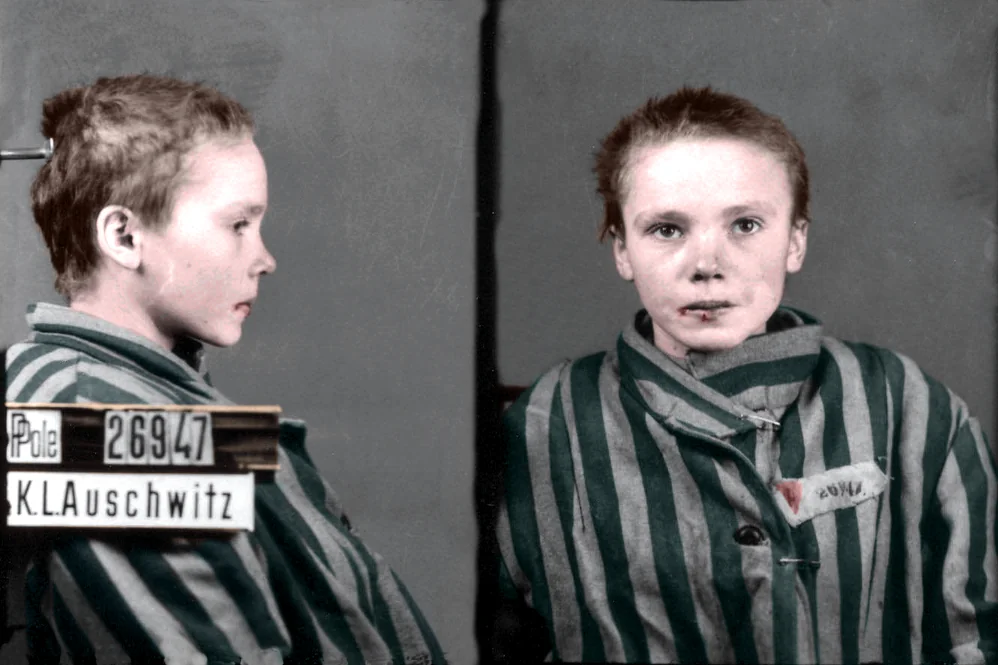
For adults, deportation often meant forced labor, imprisonment, or transportation to concentration camps such as Auschwitz or Majdanek. For children, the nightmare frequently became even more devastating.
Around 30,000 children were swept up during the campaign.
Upon arriving at transit camps, families were separated while Nazi officials conducted racial examinations. Children considered suitable for Germanization were removed from their parents and given new identities before being placed with German families or institutions. Many were never reunited with their relatives after the war.
Those who failed the racial selection process faced an equally grim fate.
Thousands were transported in overcrowded cattle wagons to concentration camps or labor facilities, where hunger, disease, freezing temperatures, and exhaustion claimed countless young lives. Others were sent to the notorious children’s camp in Łódź, where survival itself became a daily struggle.
The suffering of these children eventually gave rise to the enduring phrase “The Children of Zamość,” a name that has come to symbolize one of the darkest chapters of Nazi occupation in Poland.
The campaign extended far beyond simple relocation. Entire villages were systematically emptied, while German settlers were brought in to occupy confiscated farms, homes, and property. Families who had cultivated the land for generations vanished almost overnight, replaced according to Nazi racial ideology.
Yet despite the overwhelming force used against them, resistance soon emerged.
News of the deportations spread rapidly throughout occupied Poland. Railway workers secretly alerted nearby communities whenever trains carrying displaced families or children passed through their stations. In several towns, local residents risked execution by attempting to rescue children from the transports or provide food and assistance whenever possible.
At the same time, Polish underground resistance groups intensified their operations throughout the Zamość region. The forced expulsions sparked a determined partisan campaign that sought to protect civilians and disrupt German settlement plans. Fierce fighting continued across the countryside as resistance forces challenged the occupation.
Although the Nazis succeeded in depopulating hundreds of villages, they never fully achieved their long-term objective of permanently transforming the region into a German colony.
Still, the human cost remained staggering.
Parents spent years searching for missing sons and daughters. Some children returned home only after the war, unable to remember their original names or families after years of forced Germanization. Others were never found, leaving countless families with unanswered questions that endured for generations.
The destruction reached beyond individual households. Communities lost their schools, churches, traditions, and social bonds. Entire villages that had existed for centuries were shattered within weeks, their populations scattered across camps, forced labor sites, or unfamiliar territories.
For many survivors, the emotional wounds lasted far longer than the war itself.
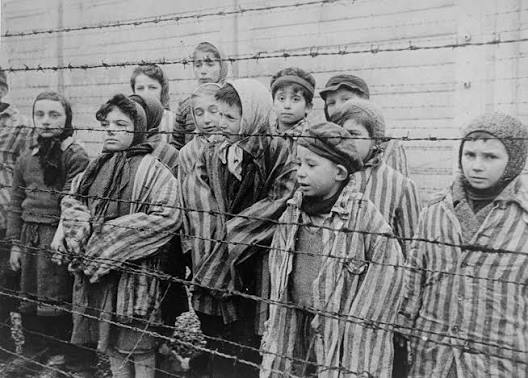
Children who lived through the deportations carried memories of sudden separation, hunger, fear, and uncertainty into adulthood. Parents who survived often lived with the pain of never learning what became of their sons or daughters.
Despite its enormous scale, Operation Zamość has often remained overshadowed by other well-known atrocities of World War II. Yet historians continue to recognize it as one of the clearest examples of how Nazi racial policy targeted not only military opponents but entire civilian populations whose very existence stood in the way of ideological goals.
Today, the story serves as a reminder that war is measured not only by battles fought on front lines, but also by the lives destroyed far from them. Behind every statistic were ordinary farming families, frightened children, and communities that disappeared almost overnight.
The legacy of Operation Zamość lives on through those survivors and the descendants who continue preserving their memories. It stands as a powerful testament to the resilience of a people who endured forced displacement, unimaginable loss, and systematic attempts to erase their identity—while ensuring that the children of Zamość, once nearly forgotten, are remembered by history.