Perez Hilton Hospitalized After Viewers Alert Police to Disturbing Livestream From His Miami Home
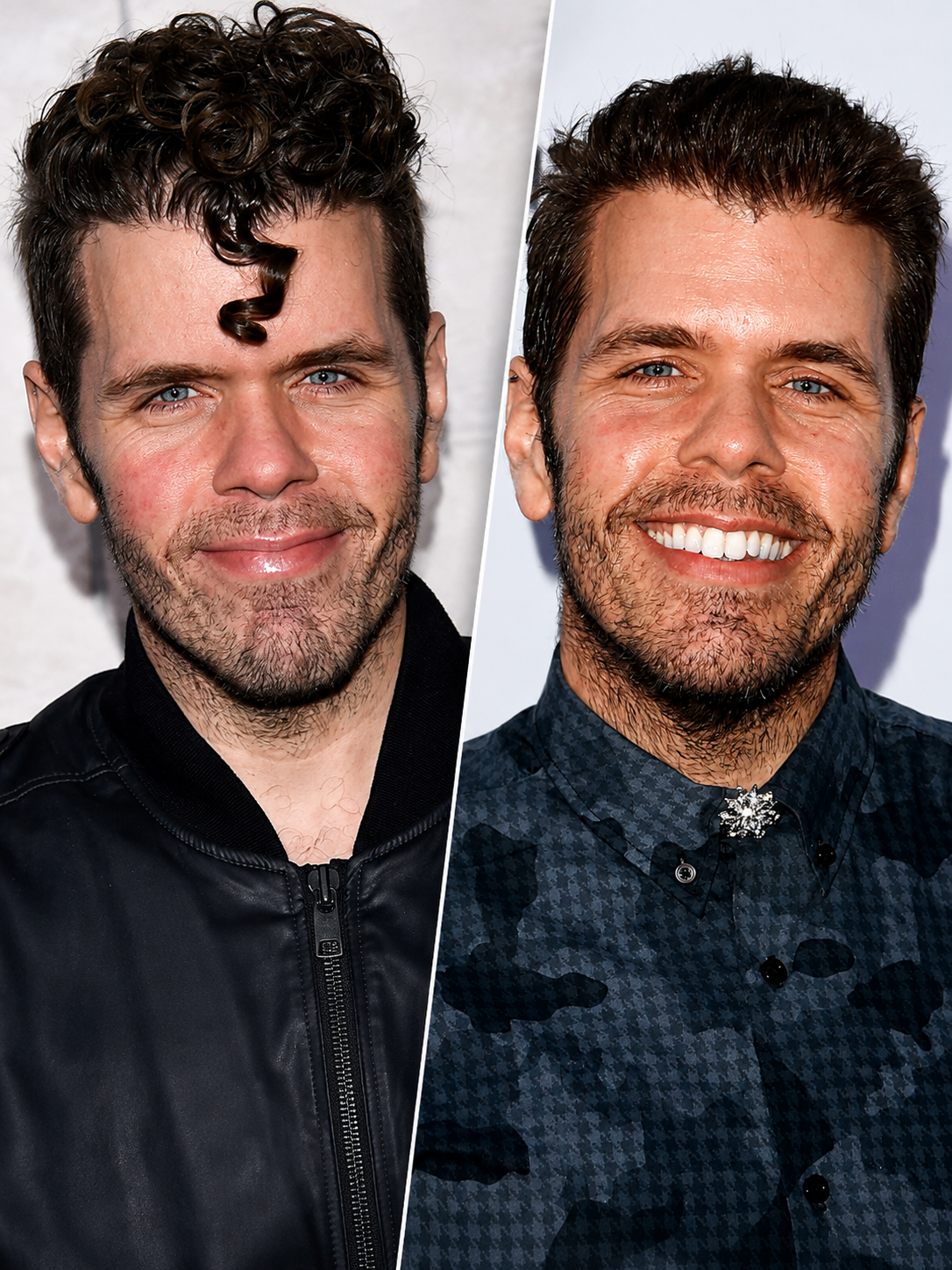
A social media broadcast from Perez Hilton’s Miami home ended not with another celebrity commentary or entertainment update, but with emergency responders taking the longtime blogger to a hospital.
Multiple viewers contacted authorities Tuesday night, Aug. 4, after seeing a livestream in which Hilton appeared to be harming himself.
Deputies with the Miami-Dade Sheriff’s Office were sent to the residence. They found the 48-year-old media personality alone inside and treated the situation as a mental health crisis rather than a criminal matter.
After attempting to calm the situation and avoid escalating the danger, deputies safely reached Hilton. Miami-Dade Fire Rescue then transported him to a local hospital for medical care.
Officials did not immediately release further information about his condition.
The incident brought a sudden wave of concern around a man who built his career by making other people’s private struggles public. This time, the crisis was his own—and it unfolded before an online audience in real time.
Viewers Became the First Line of Response
Authorities said they received numerous calls from people who had witnessed the troubling broadcast on social media.
Those viewers were not physically present at Hilton’s home, but the livestream gave them enough information to recognize that urgent intervention might be necessary.
Their calls brought deputies to the property while the situation was still unfolding.
Social media can create distance between a person in distress and the people watching. A crisis appears on a phone screen, where viewers may feel uncertain about whether what they are seeing is genuine, staged or already being handled by someone nearby.
In Hilton’s case, multiple people chose not to assume that another person would act.
They contacted emergency services.
The response demonstrated how online audiences can play an important role when a livestream moves beyond disturbing content and begins to suggest immediate danger.
Deputies Chose De-Escalation
When deputies arrived, they determined that Hilton was alone inside the home.
The sheriff’s office explained that officers responding to a person experiencing a mental health crisis may deliberately slow the encounter rather than rush into a confrontation.
Deputies used distance, time and communication while continuing to monitor what was happening.
Officials described the approach as a form of tactical disengagement.
The purpose was not to abandon the scene. It was to reduce pressure and create an opportunity to resolve the crisis without provoking further harm.
Law enforcement officers responding to mental health emergencies must often make rapid decisions under uncertain conditions. Moving too aggressively can increase fear or confusion. Waiting too long can carry its own risks.
In this case, authorities said the individual was eventually “safely recovered” and placed into medical care.
No threat to the public was reported.
Mental Health Professionals Supported the Family
The response extended beyond deputies and paramedics.
Members of the sheriff’s Crisis Response Unit and licensed mental health professionals also became involved, providing resources and assistance to Hilton’s family.
The presence of those specialists reflected the way officials classified the episode.
Hilton was not described as a suspect facing arrest. He was a person in need of immediate medical and psychological support.
His family members communicated with authorities and helped provide information during the response.
The involvement of crisis professionals also acknowledged that such an emergency affects more than the person at its center. Family members may be frightened, confused and unsure what will happen next, particularly when a distressing incident becomes widely shared online before they have complete information themselves.
Representatives Said They Could Not Reach Him
As concern spread Tuesday night, Hilton’s representatives issued a statement saying they were aware of the material circulating online.
Dante Rusciolelli and Rebekah Kochan, co-CEOs of Golden Artists Entertainment, said they had been attempting to contact him but had not yet been able to speak with him directly.
They emphasized that their primary concerns were Hilton’s health and the well-being of his family.
The representatives declined to speculate before obtaining confirmed information.
Their statement arrived while much of the public was still trying to understand what had happened. Clips and descriptions of the livestream were already moving across social media, where incomplete details could quickly become rumor.
The request for restraint placed the focus on Hilton’s immediate care rather than on explanations that were not yet available.
A Public Career Built on Celebrity Exposure
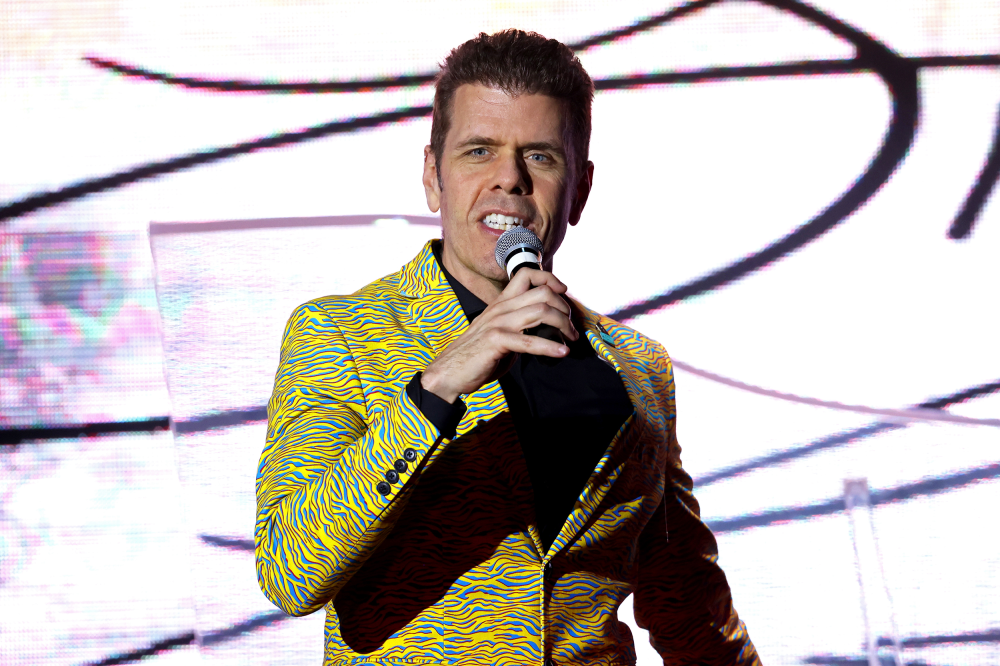
Hilton, whose legal name is Mario Armando Lavandeira Jr., became one of the most recognizable figures in the celebrity-blogging culture of the early 2000s.
His website attracted an enormous audience through aggressive coverage of actors, musicians and other public figures. He became known for writing commentary directly over celebrity photographs and for publishing rumors, personal disputes and private details with an openly provocative style.
The approach made him famous and deeply controversial.
Hilton became part of the entertainment world he covered, appearing on reality television, red carpets and talk shows. He later expanded into podcasting, video platforms and other forms of online commentary.
His career has included public feuds, criticism over his treatment of celebrities and efforts to soften aspects of the persona that first brought him attention.
For years, Hilton occupied a position between observer and participant.
He reported on celebrity crises while also turning himself into a celebrity whose own arguments, mistakes and personal changes became public material.
Tuesday’s emergency reversed that familiar dynamic.
The person who had spent decades documenting the lives of others was now the subject of a deeply personal story moving rapidly across the internet.
The Livestream Raised Questions About Online Crisis Response
The incident also highlighted the difficult role social media platforms play when users broadcast signs of serious distress.
Livestreaming offers immediacy. That quality can connect people, document breaking events and allow audiences to communicate directly with creators.
It can also expose viewers to a crisis before moderators or emergency responders can intervene.
Once a troubling broadcast begins, several systems may need to work at the same time. Viewers must recognize the seriousness of what they are seeing. Platforms must respond to reports. Emergency services must identify the person and location. Officers must then decide how to approach safely.
In Hilton’s case, concerned viewers made repeated calls, and authorities were able to respond to his home.
His TikTok account was no longer available after the incident, though the article did not establish the precise circumstances under which access changed.
The larger issue remained clear: A livestream can transform a private emergency into a public event within seconds, but public visibility does not automatically guarantee effective help.
Intervention still depends on people choosing to act.

Privacy Becomes Difficult After a Public Crisis
Hilton has spent much of his adult life in an industry where attention has value.
A mental health emergency requires a different standard.
The public may want updates, explanations and reassurance, particularly after witnessing or hearing about a disturbing broadcast. Yet hospitalization also begins a period in which medical privacy and family needs become important.
At the time authorities confirmed the incident, there was no detailed public account of what led to the livestream.
There was also no confirmed timeline for Hilton’s recovery or return to his work.
Those unanswered questions did not change the central facts officials provided: Deputies responded after receiving multiple reports, found him alone, used crisis-intervention methods and helped transport him safely to a hospital.
Everything beyond that remained secondary to his medical care.
The Most Important Action Happened Offscreen
The livestream drew attention because of what viewers believed they saw.
The more consequential part of the story occurred afterward.
People watching from a distance called for help. Deputies arrived and resisted turning the encounter into a forceful confrontation. Paramedics transported Hilton for treatment. Crisis professionals supported his family.
The episode moved from a phone screen into a coordinated emergency response.
Hilton’s public life has often depended on speed—the first post, the newest rumor, the reaction delivered before a story has settled.
This moment called for the opposite.
It required slowing down, creating distance and allowing trained responders to take control.
The questions surrounding his health may remain unanswered until Hilton or his family chooses to address them.
For now, the outcome that matters most is the one authorities confirmed.
A deeply troubling livestream did not end with viewers simply watching.
They reached beyond the screen, and help arrived.