Pretty Woman Cast Then and Now: How One Unlikely Love Story Changed Five Careers
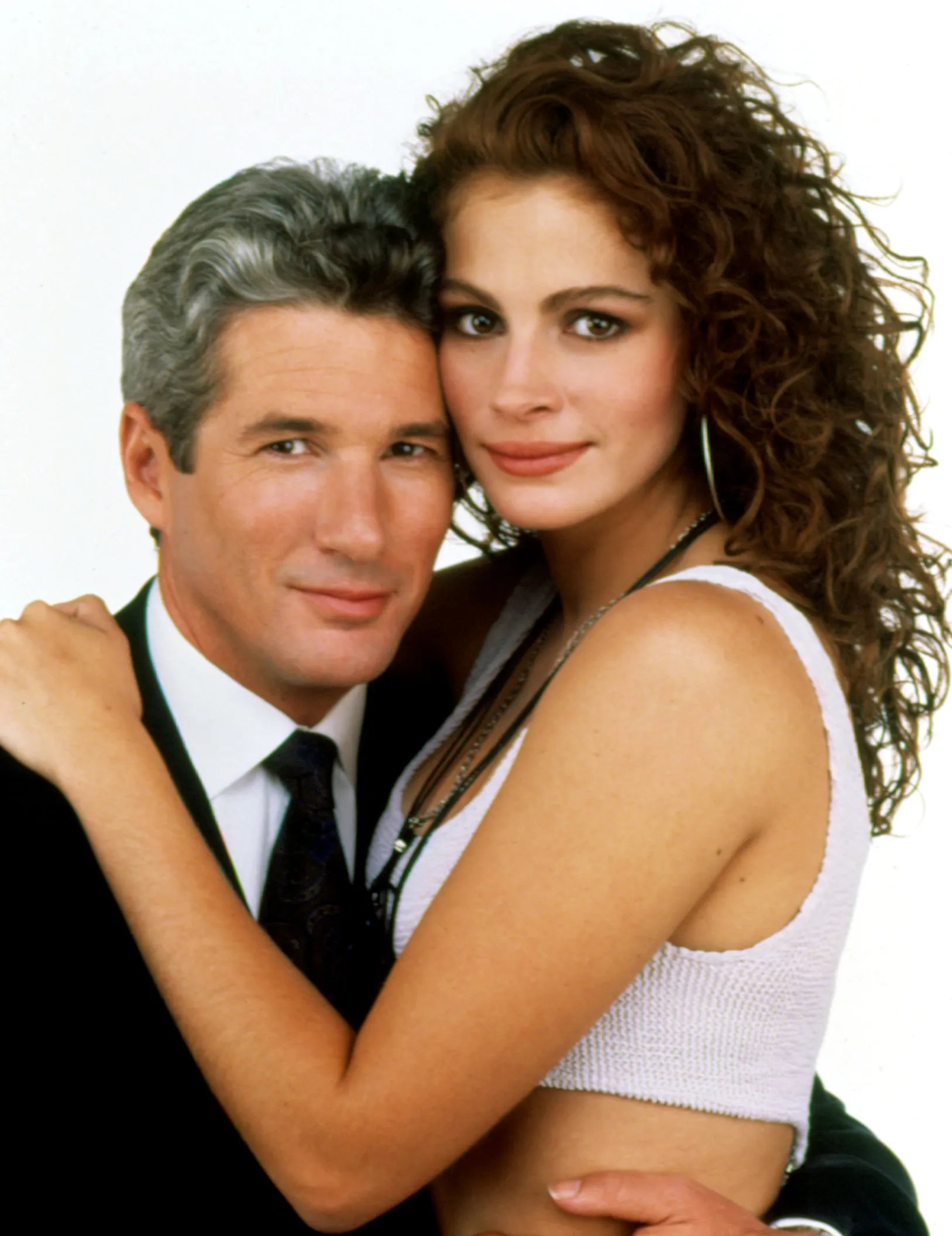
When Pretty Woman opened in March 1990, Julia Roberts was not yet the commanding Hollywood figure audiences know today.
She was 22, with one Oscar nomination and a handful of notable performances behind her. Richard Gere was already an established leading man, but he initially viewed Edward Lewis as an underwritten character. Jason Alexander had only recently begun playing George Costanza on a new television series called Seinfeld.
Héctor Elizondo and Laura San Giacomo completed a central cast that turned a potentially uncomfortable premise into one of the most successful romantic comedies ever released.
The movie earned more than $460 million worldwide against a reported budget of about $14 million. It made Roberts an international star, revived Gere’s position as a romantic lead and created scenes that remain instantly recognizable more than three decades later.
Yet its fairy-tale treatment of class, money and sex work has also inspired growing criticism. The movie many viewers remember as comforting escapism began as a much darker story—and its survival depends partly on how completely the cast transformed it.
Julia Roberts — Vivian Ward
Roberts was 21 during much of the production and 22 when the movie reached theaters.
She had already attracted attention in Mystic Pizza and earned an Academy Award nomination for Steel Magnolias. But Vivian Ward changed the scale of everything.
Vivian could easily have become a stereotype. She is a sex worker hired by wealthy corporate raider Edward Lewis to accompany him during a week of business events in Beverly Hills. The story surrounds her with luxury, judgment and the possibility of transformation through romance.
Roberts gave her something the plot alone could not provide: control over the audience.
Her wide smile, sudden laughter and emotional directness made Vivian feel more observant than the wealthy people dismissing her. Even in the famous Rodeo Drive sequence, the satisfaction comes not merely from new clothes but from watching Vivian confront the saleswomen who had treated her as though she did not belong.
The role earned Roberts a Golden Globe and her first Academy Award nomination for Best Actress. It also established the combination that would define much of her career—romantic warmth supported by stubbornness, intelligence and comic timing.
She followed Pretty Woman with films including The Pelican Brief, My Best Friend’s Wedding, Notting Hill and Runaway Bride, which reunited her with Gere and director Garry Marshall. In 2001, she won the Academy Award for Erin Brockovich, playing another woman underestimated because of her appearance and social position.
Roberts became one of the highest-paid and most bankable actresses of her generation. Yet Vivian remains the performance through which many audiences first encountered her—not as a polished star, but as a young actress discovering in real time how powerfully she could hold the screen.
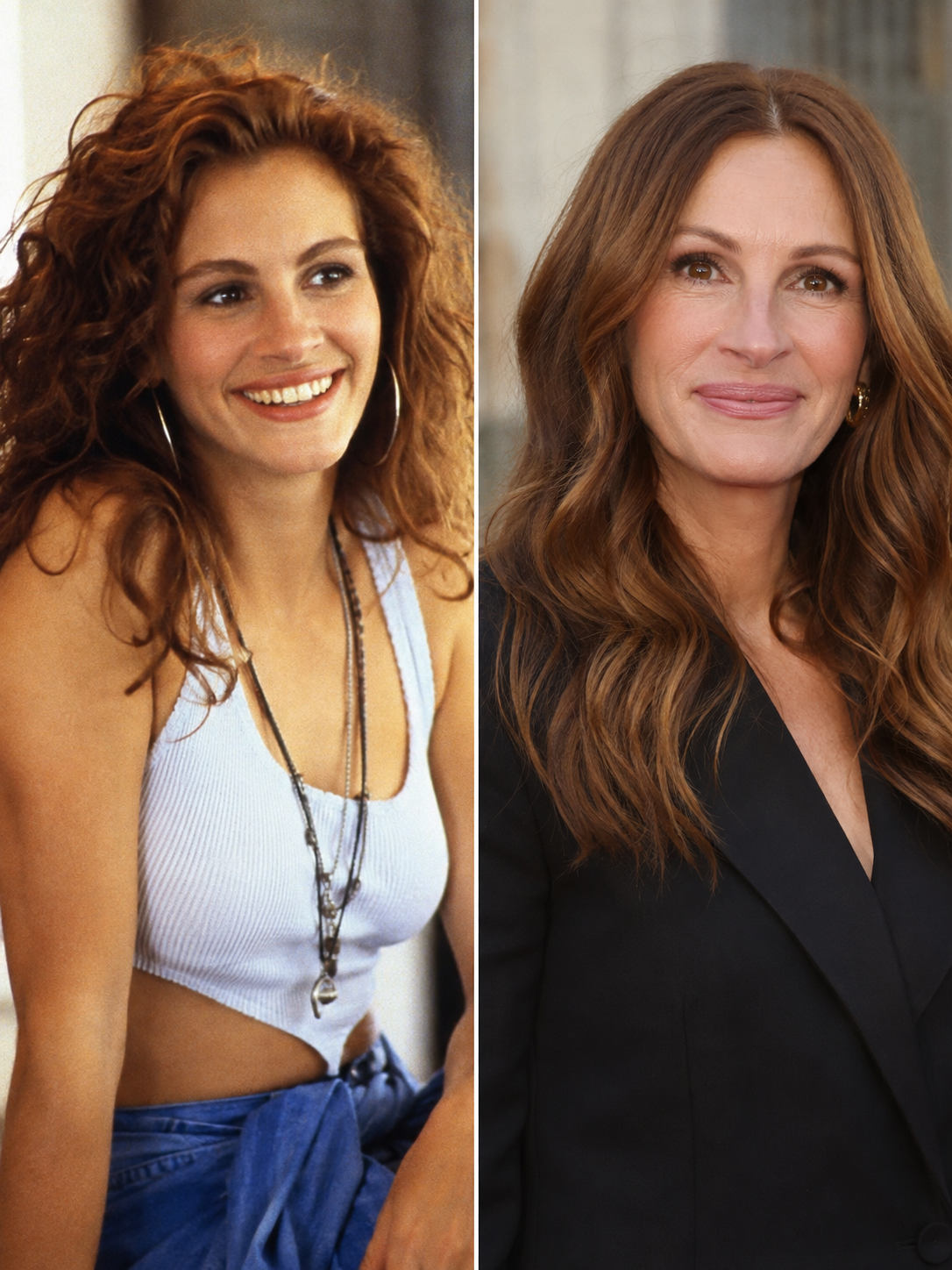
Richard Gere — Edward Lewis
Gere was 40 when Pretty Woman was released and had already starred in American Gigolo, An Officer and a Gentleman and The Cotton Club.
He was not immediately convinced that Edward Lewis offered enough to play. In early versions, Edward functioned mainly as a wealthy man moving Vivian through an unfamiliar world. Gere reportedly felt the character lacked depth.
Roberts helped change his mind.
Their chemistry gave the relationship its emotional movement. Edward begins as a man who buys and dismantles companies, avoiding genuine attachment in business and private life. Vivian gradually forces him to recognize the emptiness behind that control.
Gere’s restrained style balanced Roberts’ openness. He rarely attempted to overpower her performance, allowing Edward’s transformation to emerge through small changes in expression and behavior.
After Pretty Woman, Gere continued alternating between romance, drama and thrillers. His later films included Primal Fear, Runaway Bride, Unfaithful, Chicago and Arbitrage. His performance in Chicago earned him a Golden Globe.
He also became widely associated with humanitarian work and his support for Tibetan causes. In 2025, he received an International Goya Award honoring his film career and social engagement. He has remained cautious about a Pretty Woman sequel, saying the decision would depend on whether a worthwhile script existed.
The Edward audiences remember ends the movie climbing a fire escape with flowers. Gere’s later career proved that the scene did not trap him permanently inside the romantic-leading-man role, even though it remains one of his defining screen images.
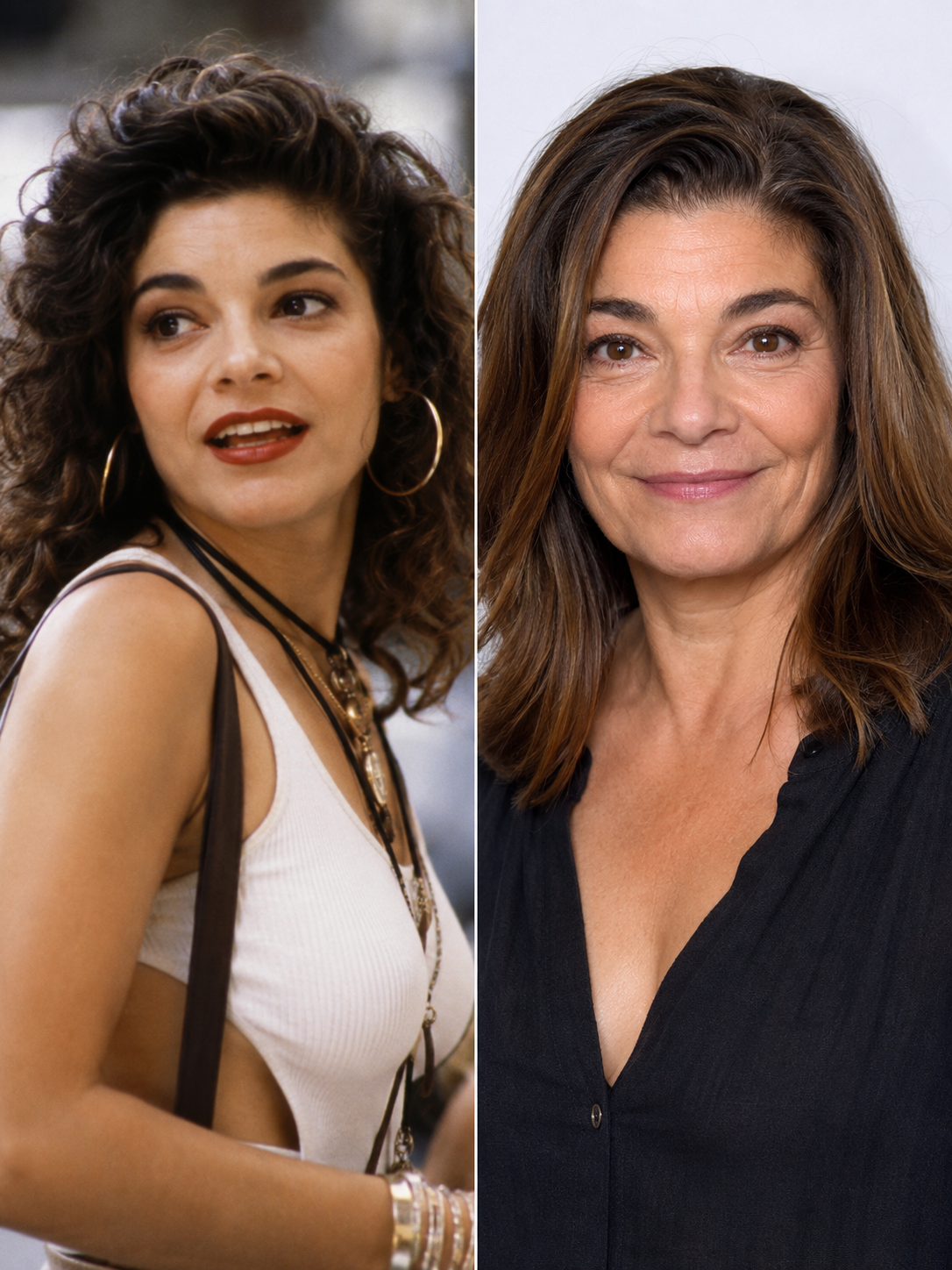
Laura San Giacomo — Kit De Luca
Laura San Giacomo played Kit De Luca, Vivian’s friend, roommate and fellow sex worker.
Kit could have existed only to deliver jokes or illustrate the life Vivian was expected to leave behind. San Giacomo instead made her energetic, defensive and deeply loyal.
Her performance also preserved traces of the film’s original darkness. In earlier versions of the screenplay, Vivian struggled with drug use, and the ending offered no romantic rescue. As the project evolved into a modern fairy tale, some of that harsher material shifted toward Kit.
San Giacomo was already known for Steven Soderbergh’s sex, lies, and videotape, which had earned her major critical attention. After Pretty Woman, she starred in films such as Quigley Down Under and became a familiar television presence.
From 1997 to 2003, she played journalist Maya Gallo on the NBC sitcom Just Shoot Me!, earning a Golden Globe nomination. She later appeared in Saving Grace and had a recurring role as Dr. Grace Confalone on NCIS.
Kit does not receive Vivian’s luxurious transformation. However, the final scenes suggest she has begun imagining a future beyond surviving one night at a time.
San Giacomo ensured that the movie’s most important female relationship did not disappear beneath the central romance.
Héctor Elizondo — Barney Thompson
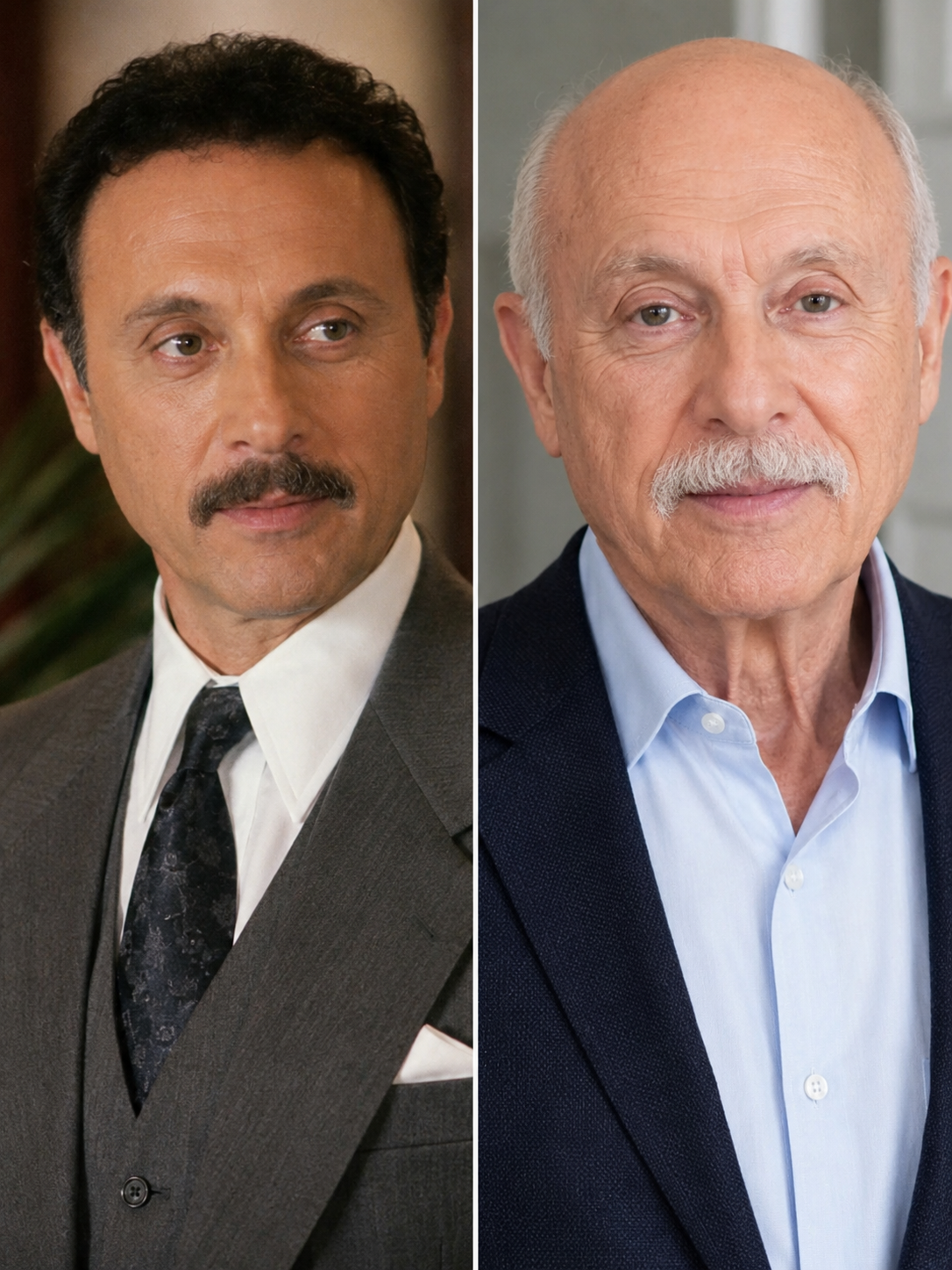
Héctor Elizondo played Barney Thompson, the manager of the Beverly Wilshire Hotel.
Barney initially appears capable of exposing Vivian and removing her from Edward’s expensive world. Instead, he becomes one of the first people in that environment to treat her with dignity.
He teaches her about place settings, helps her obtain appropriate clothing and protects her without demanding anything in return. His kindness provides an important contrast to characters who judge Vivian according to wealth, clothing and social background.
Elizondo was a trusted collaborator of director Garry Marshall and appeared in numerous Marshall projects. The actor later joked that his brief work on Pretty Woman produced far more attention than he expected, but Barney became one of the film’s most beloved characters.
His later roles included Chicago Hope, which earned him an Emmy Award, and The Princess Diaries, another Marshall-directed story about a young woman learning to navigate an elite environment. He also spent several seasons playing Ed Alzate on Last Man Standing.
Barney’s appeal remains simple. In a movie obsessed with appearance, he recognizes Vivian’s humanity before her makeover is complete.
Jason Alexander — Philip Stuckey
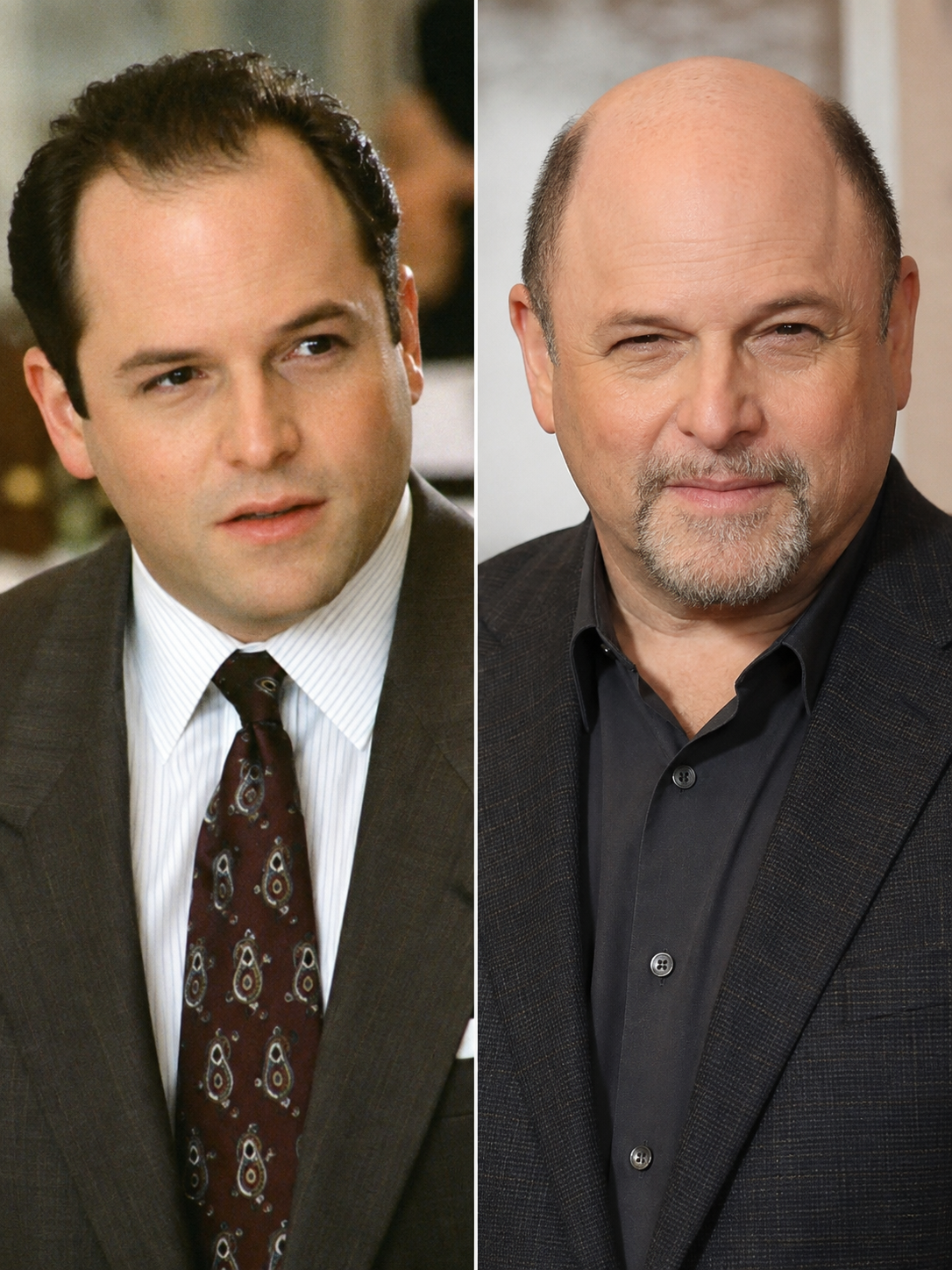
Jason Alexander played Philip Stuckey, Edward’s lawyer and business associate.
Philip initially seems like an irritating but useful member of Edward’s professional world. His behavior becomes increasingly ugly as Vivian disrupts their plans and Edward begins reconsidering the ruthless acquisition at the center of the story.
Alexander’s performance reveals the threat beneath the movie’s polished wealth. Philip considers Vivian disposable and later attacks her, forcing Edward to choose between his old values and the person he is becoming.
The role arrived at almost the same moment Alexander began playing George Costanza on Seinfeld. That series premiered in 1989 but did not immediately become a phenomenon. As it grew into one of television’s defining comedies, Alexander became famous for playing a character far more anxious and absurd than Philip.
He won a Tony Award before his screen breakthrough and continued working in television, theater, directing and voice acting after Seinfeld. Younger audiences also know his voice from projects including Disney’s The Hunchback of Notre Dame.
Alexander has acknowledged that Pretty Woman sometimes created uncomfortable public reactions because viewers associated him with Philip’s cruelty. It was evidence of how effectively he had made the character repellent.
The Cast Members the Film Has Lost
The five central performers featured here lived to see the movie’s reputation extend across several generations, but other important members of the production did not.
Ralph Bellamy, who played shipbuilding executive James Morse, died in 1991. Pretty Woman was his final film performance after a career stretching back to the 1930s.
Director Garry Marshall died in 2016. His ability to find comedy inside unlikely relationships shaped not only this movie but also later hits including The Princess Diaries.
The principal cast reunited with Marshall for the film’s 25th anniversary in 2015. Their conversation showed how much of the finished movie had depended on personality, improvisation and chemistry rather than the darker project originally envisioned.
Why the Fairy Tale Still Creates Arguments
The original screenplay, titled 3,000, was conceived as a grim story about class and prostitution in Los Angeles. Vivian did not receive a romantic ending. Disney’s Touchstone label and the filmmakers gradually reshaped it into the glossy love story audiences recognize.
That transformation remains central to modern criticism.
The film minimizes the violence, coercion and economic vulnerability experienced by many sex workers. Its makeover narrative can also imply that Vivian becomes worthy of respect only after expensive clothing allows her to pass within Edward’s social class. Former sex workers and critics have offered sharply different assessments, with some condemning its fantasy and others recognizing Vivian’s humor, negotiation and agency.
The movie’s appeal therefore cannot be separated from its contradictions.
Edward has money, but Vivian carries the emotional authority. He introduces her to luxury, yet she pushes him toward a less destructive way of living. The rescue fantasy moves in both directions, even if the difference in their power never disappears.
More than 35 years later, Pretty Woman remains memorable not because its premise became less complicated, but because its actors made an artificial fairy tale feel emotionally immediate.
Roberts became an Oscar-winning superstar. Gere built a career that moved far beyond Edward Lewis. San Giacomo found lasting success on television. Elizondo became one of America’s most trusted character actors, while Alexander helped define an entirely different kind of comedy on Seinfeld.
The characters entered the film expecting one week together.
The performances gave them an afterlife that has lasted for decades.