Ryan Gosling Got The Notebook for Almost the Opposite Reason You’d Expect
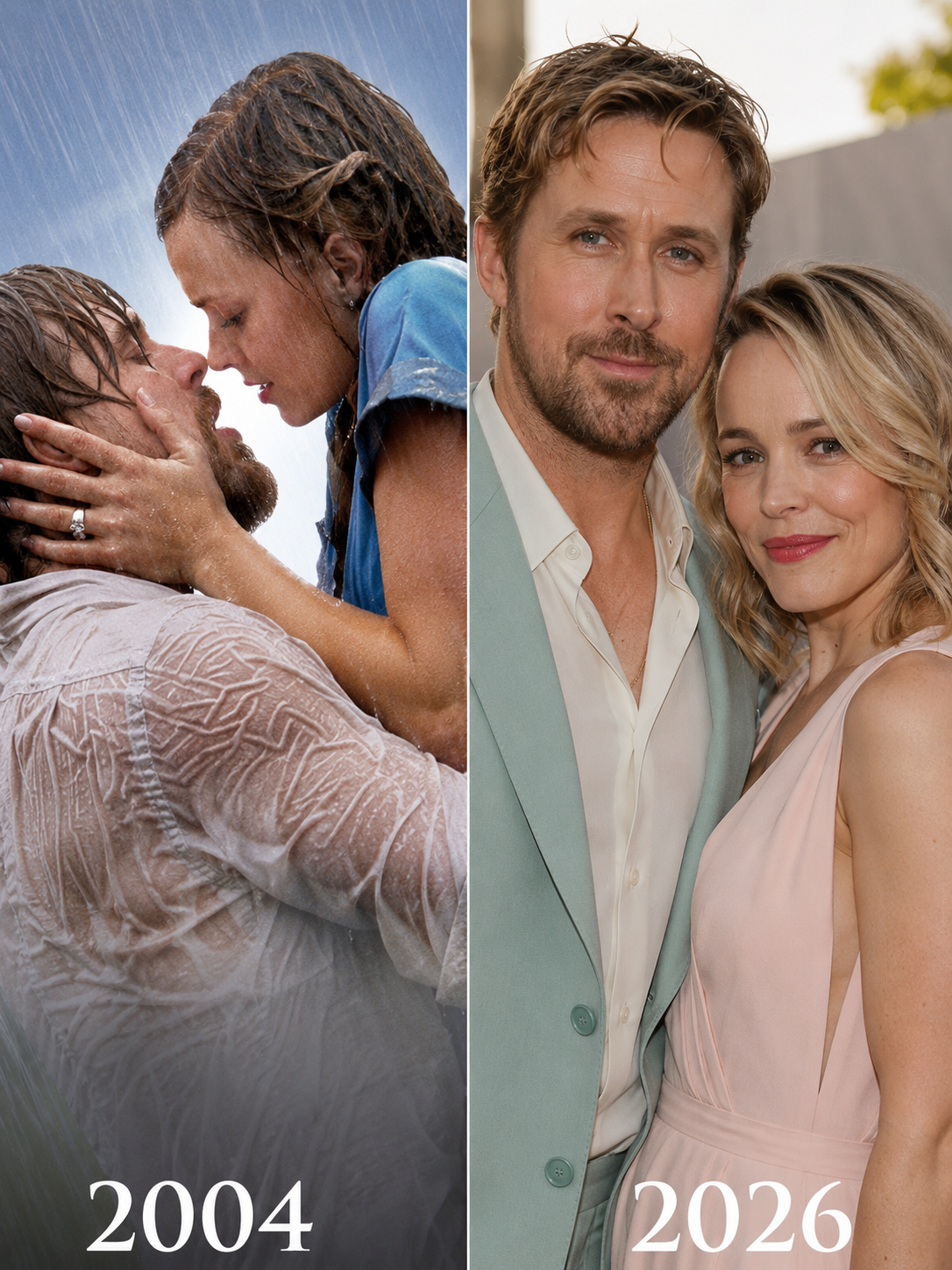
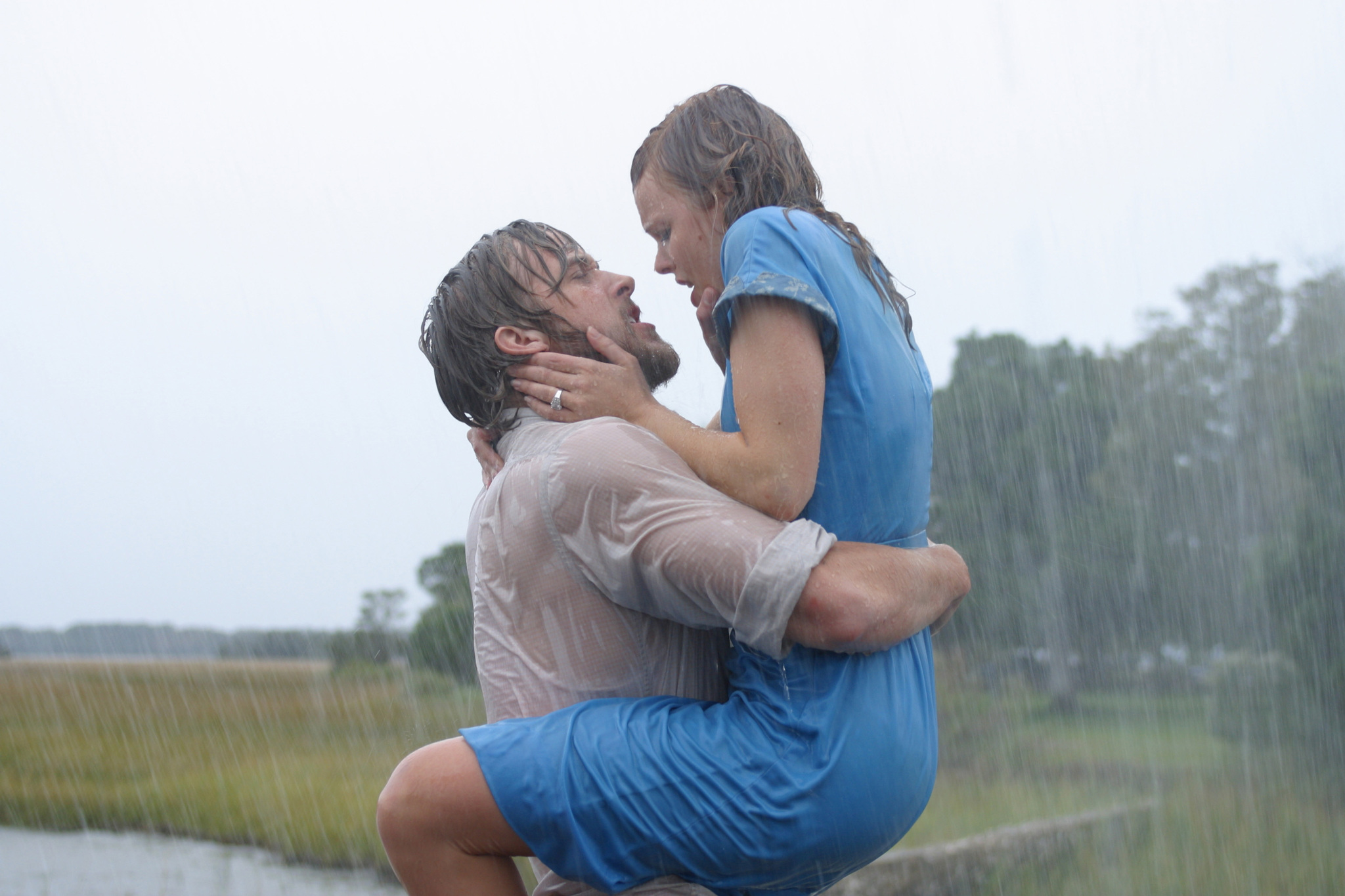
When Ryan Gosling stands in the rain opposite Rachel McAdams in The Notebook, there is nothing uncertain about his place in the movie.
As Noah Calhoun, he became one half of one of the most recognizable screen romances of the 2000s. The rain-soaked kiss, the letters, the restored house and Noah’s decades-long devotion to Allie turned the 2004 film into a romantic drama audiences would revisit for years.
Looking back now, Gosling seems like an obvious leading man.
Nick Cassavetes did not see him that way.
In fact, Gosling later recalled that when the director invited him over to discuss The Notebook, the explanation for why Cassavetes wanted him sounded almost like the opposite of a standard Hollywood casting pitch.
He did not tell Gosling he was the most handsome young actor available.
He did not tell him he had the polished confidence of a conventional romantic hero.
Cassavetes essentially told him that those were the reasons he was interested.
Noah Needed to Feel Like Someone Who Could Actually Live That Life
The challenge with Noah was not simply finding an actor audiences would enjoy watching.
The character had to feel believable as a working-class young man whose attachment to one woman shapes years of his life.
Noah is romantic, but he is not polished.
He works with his hands. He lives simply. He can be stubborn, angry and emotionally direct. After losing Allie, he eventually restores an old house that had become tied to their dreams together.
That detail is central to the character.
Noah does not merely say he remembers her.
He physically builds the life they once imagined.
Cassavetes needed an actor who could make that behavior feel sincere rather than calculated for a romance movie.
According to Gosling, the director believed he fit precisely because he did not seem like the obvious Hollywood choice.
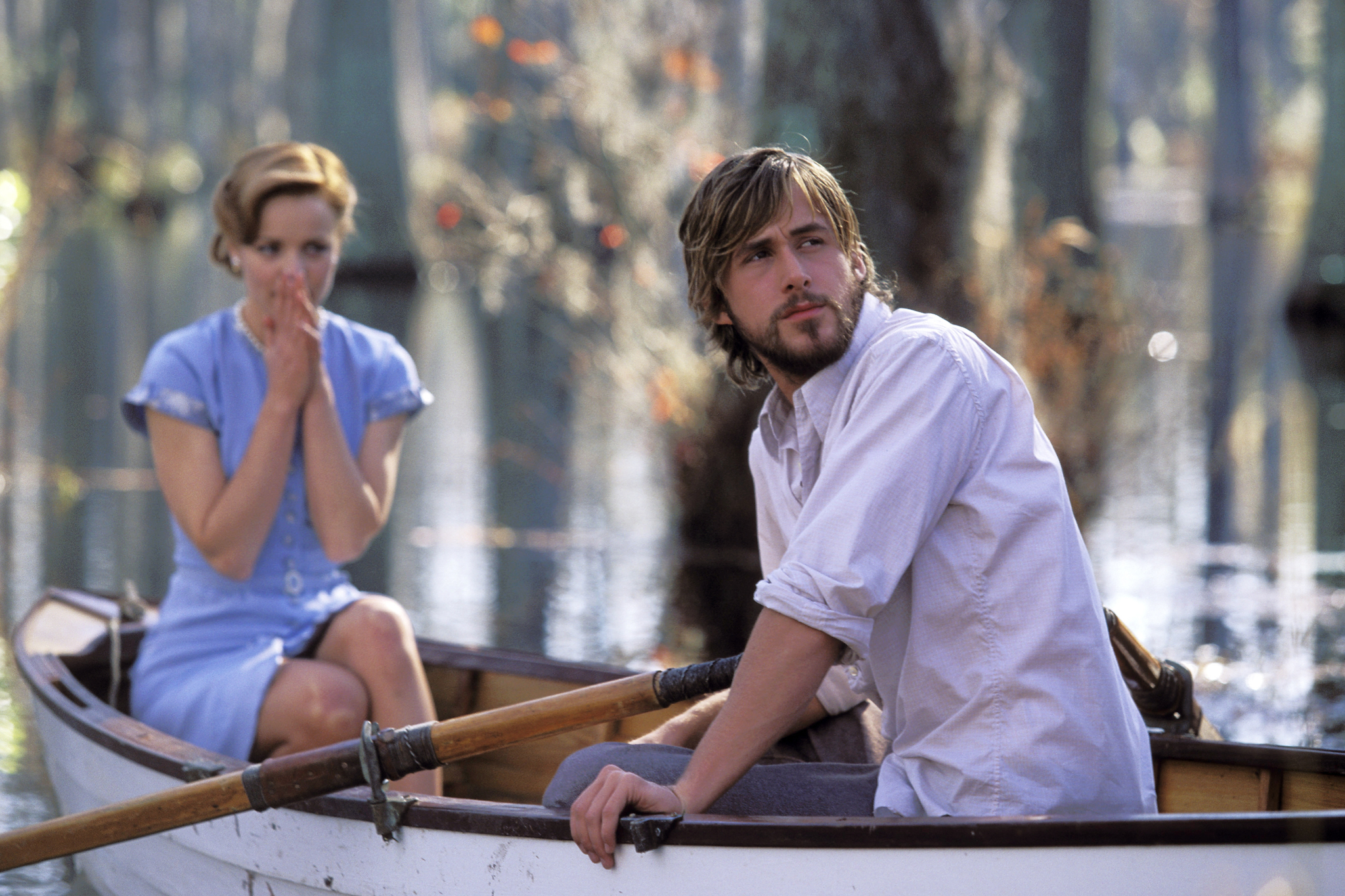
Cassavetes Invited Gosling to His House
Gosling has described meeting Cassavetes at the director’s home before taking the role.
It was there, in a casual setting away from a formal audition room, that Cassavetes explained what he saw in him.
The message was unusual.
Cassavetes did not think Gosling looked like every other young male star Hollywood was producing at the time.
He saw something less polished.
Less conventionally “cool.”
Something a little unusual.
Gosling has joked about the conversation over the years because it hardly sounded like a flattering explanation for why someone wanted him to headline a romantic movie.
But Cassavetes had a specific character in mind.
And that is where the seemingly strange assessment started to make sense.
He Thought Gosling Looked Like a Man Who Might Spend Years Building a House
The answer to the central question is that Nick Cassavetes told Ryan Gosling he wanted him because he was not like the typical young Hollywood leading men — he was unusual enough that Cassavetes could actually believe he might be the kind of man who would spend years building a house for the woman he loved.
That was the quality the director wanted in Noah.
The supposed shortcomings became evidence.
Gosling did not seem too slick.
He did not seem like someone performing romantic perfection.
Cassavetes could look at him and imagine a man living alone, working on an old house and refusing to completely let go of someone who had disappeared from his life.
In another movie, Gosling’s unconventional quality might have counted against him.
For The Notebook, Cassavetes saw it as authenticity.
The Studio Wasn’t Immediately Convinced
Cassavetes’ confidence did not mean everyone around the movie shared his vision.
He later recalled that bringing up Gosling for Noah produced confusion.
The studio did not immediately see what he saw.
That reaction makes sense in hindsight only because the Ryan Gosling audiences know today had not fully emerged yet.
Before The Notebook, Gosling had already built a reputation as a serious actor, including acclaimed work in smaller films.
But he was not yet the romantic movie star the role would help create.
There was no rain-scene image.
No Noah-and-Allie cultural memory.
No reason to assume that millions of viewers would eventually associate him with one of the era’s most famous love stories.
Cassavetes was asking others to imagine something that had not happened yet.
And the thing that convinced him was precisely the quality that made the casting look odd to them.
Rachel McAdams Completed the Equation
Of course, Noah only works if Allie works too.
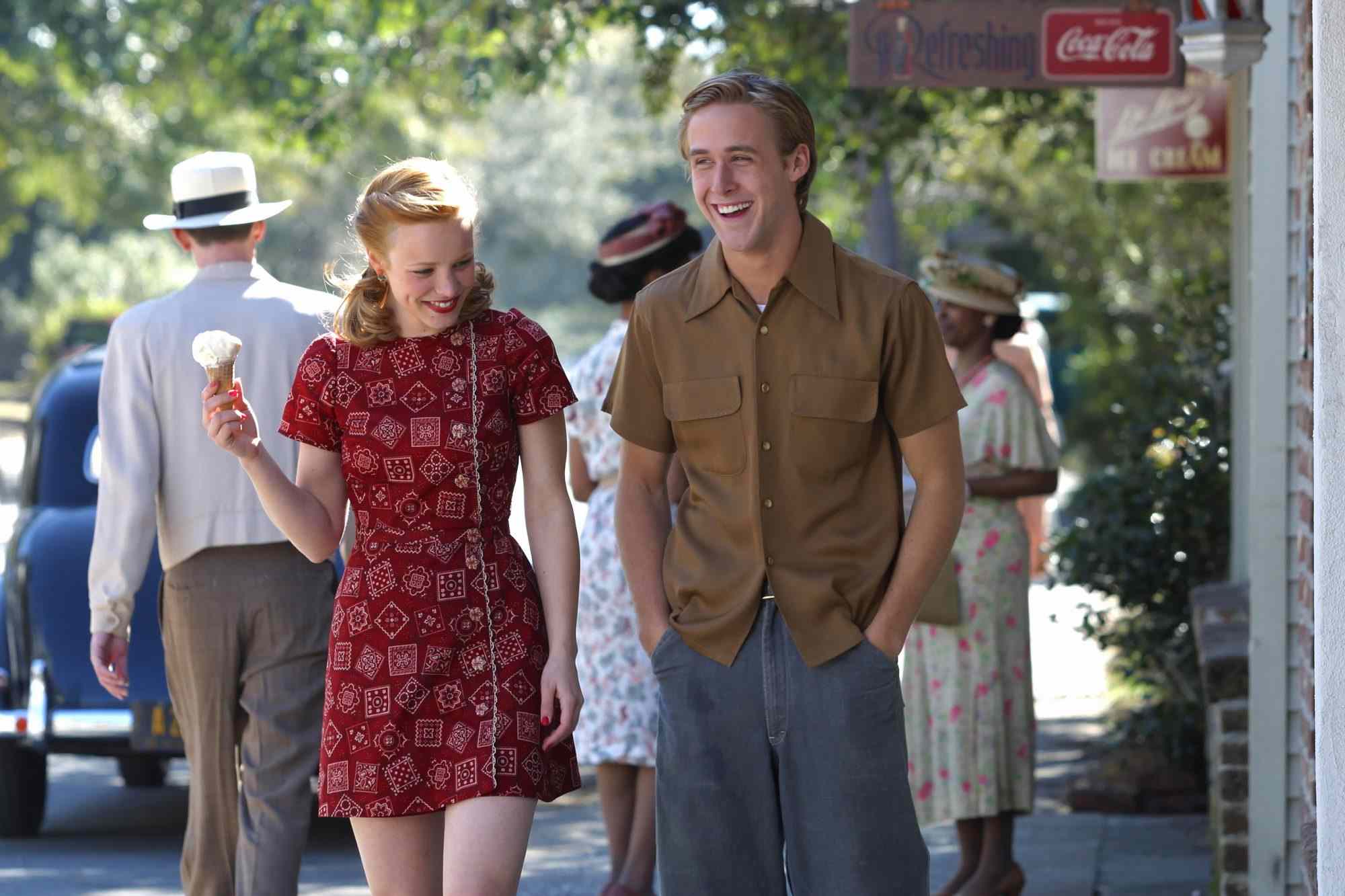
Rachel McAdams brought a completely different energy to the film.
Allie comes from privilege. Noah does not.
She is spirited, intelligent and capable of matching his stubbornness. Their relationship is not built on endless harmony. They argue, separate, hurt each other and keep being drawn back together.
That friction became essential to the movie.
Gosling’s Noah feels rougher around the edges beside McAdams’ Allie, reinforcing the class and personality differences that help keep them apart.
But when the two connect, the contrast also gives the romance its intensity.
Cassavetes had not needed Gosling to resemble a flawless romantic fantasy.
He needed him to feel like Noah.
Once Gosling and McAdams were together on screen, the supposedly unconventional choice stopped looking unconventional.
The Role Helped Change How Hollywood Saw Gosling
There is another irony in the story.
Cassavetes cast Gosling partly because he did not see him as a standard Hollywood leading man.
The Notebook helped turn him into one.
After the film, Gosling’s career expanded dramatically. He would move between dramas, comedies, thrillers, musicals and major studio projects while becoming one of the most recognizable actors of his generation.
But the image of Noah never fully disappeared.
For many viewers, Gosling remains connected to the young man standing in the rain, demanding honesty from Allie.
That is a very different cultural position from the one he occupied when Cassavetes sat with him and essentially explained that he wanted Gosling because he did not look like everybody else.
What looked like a potential disadvantage became part of his identity.
Noah Worked Because He Wasn’t Too Perfect
That may be the deeper reason the casting lasted.
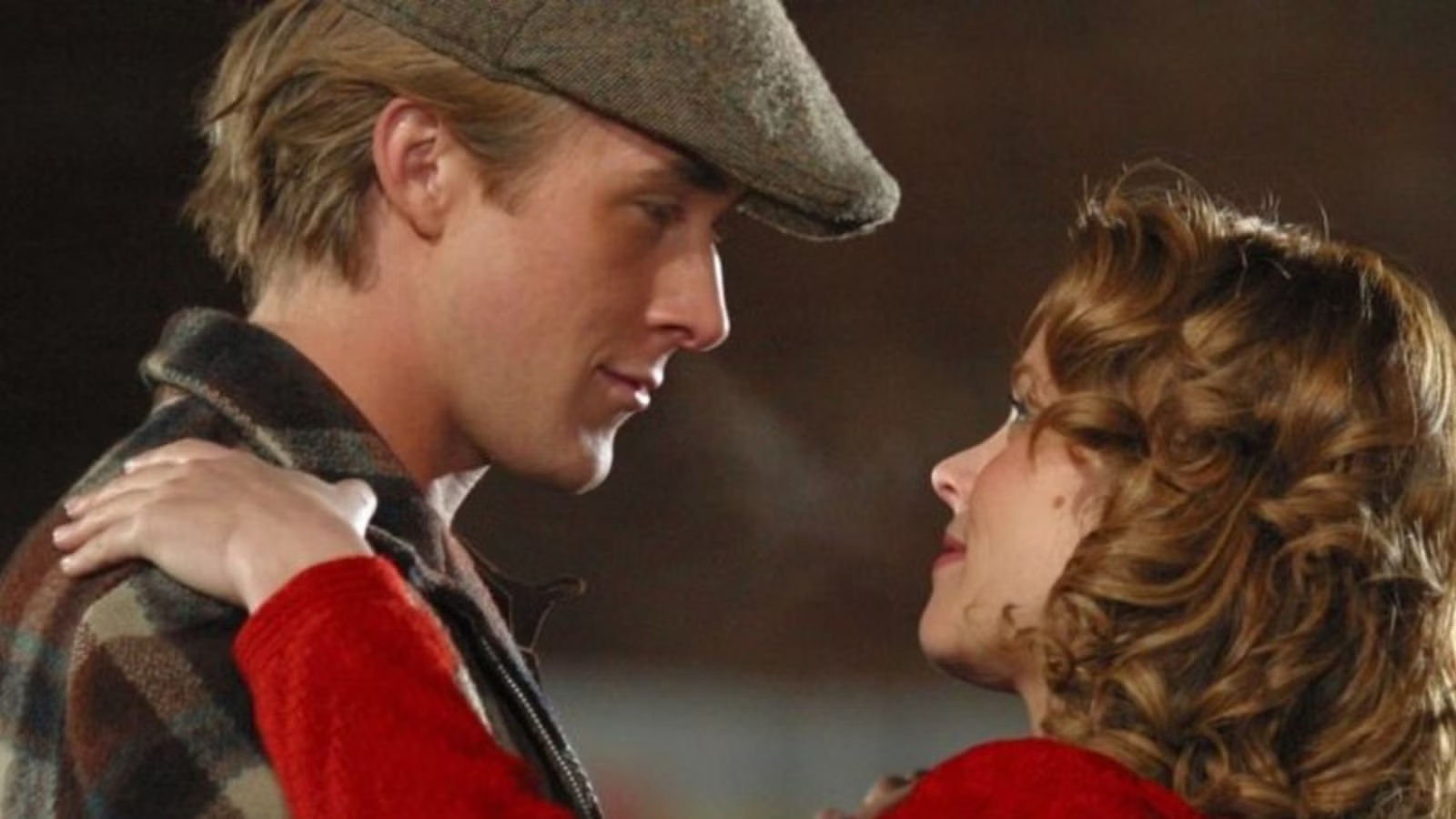
Noah is not memorable because he behaves like an idealized romantic hero at every moment.
He can be difficult.
He makes impulsive decisions.
He carries hurt for years.
His devotion is enormous, but the movie does not make him elegant.
It makes him persistent.
That was what Cassavetes apparently recognized in Gosling before audiences did.
He saw a young actor who could make the house, the waiting and the stubbornness believable.
The director did not need the coolest man in Hollywood.
He needed someone who could look like he might really spend years restoring an old house because of a promise connected to one woman.
Ryan Gosling eventually became the romantic leading man millions of viewers remember from The Notebook.
But according to his own story, he got Noah partly because Nick Cassavetes looked at him and thought he was not a conventional leading man at all.