Sadie Sink’s Rise: How a Broadway Kid Became One of Hollywood’s Most Promising Young Stars
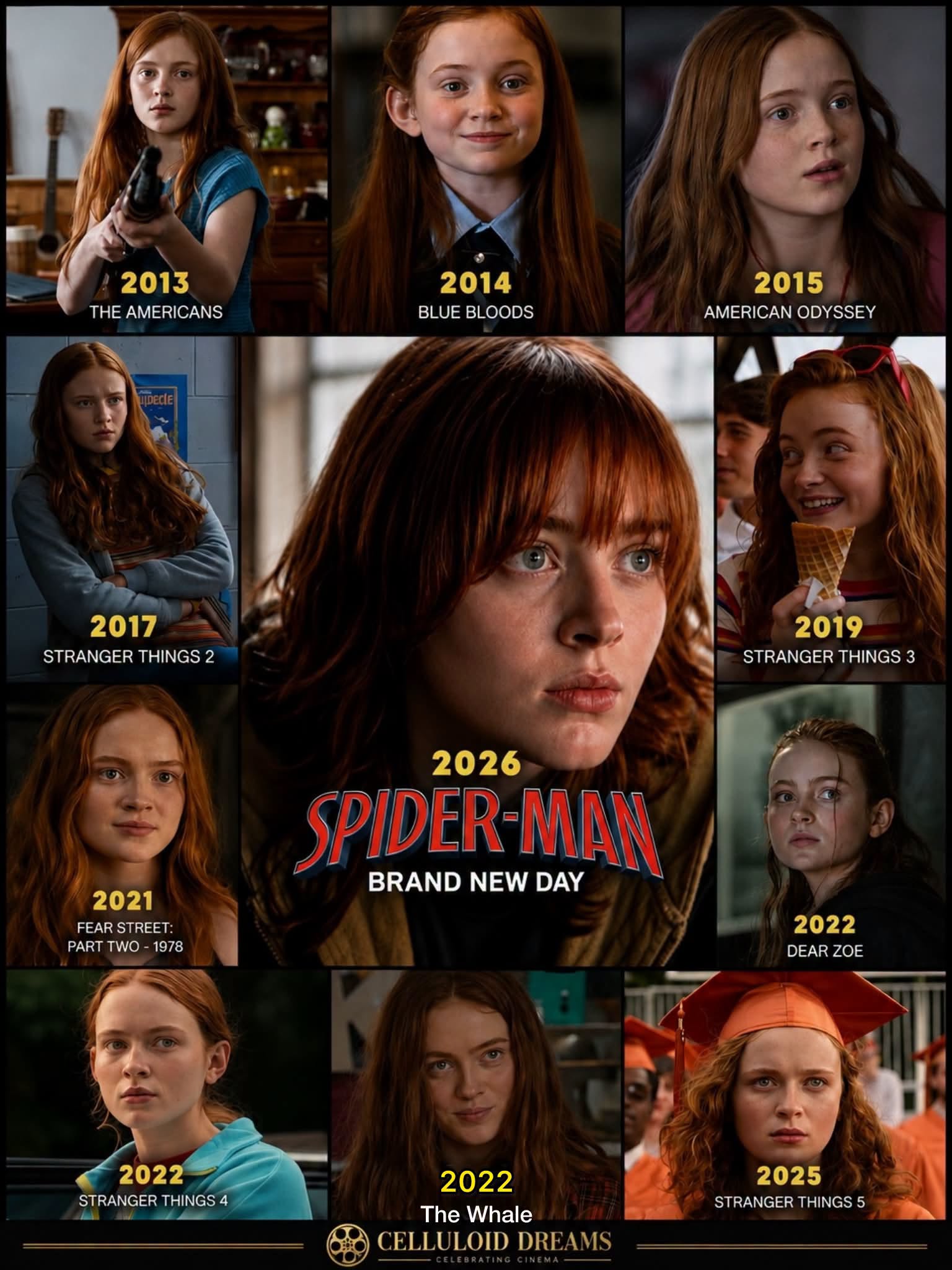
For years, Sadie Sink was one member of television’s most famous group of teenagers.
Then one episode changed the conversation.
In the fourth season of Stranger Things, Sink’s Max Mayfield runs desperately toward life as Kate Bush’s “Running Up That Hill” plays around her. The sequence in “Dear Billy” became one of the defining moments of the series, but its power came from more than visual effects or music. Sink had spent the episode portraying grief, isolation, guilt and fear with a maturity that made Max’s supernatural battle feel painfully human.
Even Stranger Things creators Matt and Ross Duffer singled out what she accomplished, saying they knew they could give Sink unusually demanding material and trust her to deliver.
By then, she was already famous.
What audiences were beginning to realize was that Sadie Sink might be capable of becoming something much bigger than the character who introduced her to millions.
Before Hawkins, There Was Broadway
Sink’s career did not begin in front of a television camera.
It began onstage.
In 2012, when she was still a child, Sink played the title role in a Houston production of Annie. Later that year, she joined the Broadway production, initially working as a standby before eventually performing as Annie and in other roles.
The experience gave her an unusually demanding education.
Broadway requires performers to repeat a role night after night in front of a live audience, without the safety of another take. For a young actress, it meant learning discipline and timing long before most children her age were thinking seriously about careers.
Sink remained connected to theater, appearing as young Queen Elizabeth II in The Audience in 2015.
Television work followed, but the role that would transform her life arrived in 2017.
Max Mayfield Changed Everything
Sink joined Stranger Things in its second season as Max Mayfield, the skateboard-riding new girl who immediately disrupted the established Hawkins group.
Max was independent and guarded. She could be sarcastic without becoming cold, vulnerable without losing her toughness.
Initially, she was another important character inside a large ensemble.
Over time, that changed.
The third season gave Max stronger relationships within the group, particularly with Eleven. But Season 4 pushed the character—and Sink—into significantly darker territory.
Following the death of her stepbrother Billy, Max withdrew from her friends while carrying enormous grief and guilt. Sink later explained that the character had essentially closed herself off again, returning to some of the emotional defenses audiences had seen when Max first appeared.
Then came Vecna.
The supernatural villain targeted characters carrying psychological wounds, placing Max at the center of the season’s most emotionally intense storyline.
“Dear Billy” became Sink’s showcase.
Suddenly, viewers who had known her primarily as part of the Stranger Things ensemble were watching an actress capable of carrying enormous dramatic weight almost alone.
Taylor Swift Saw Something Beyond Max
Even before that season premiered, Sink had already taken another important step outside Hawkins.
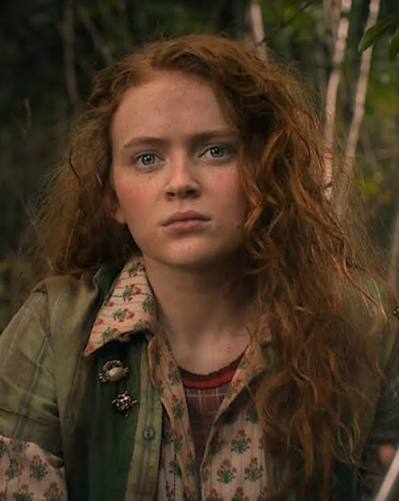
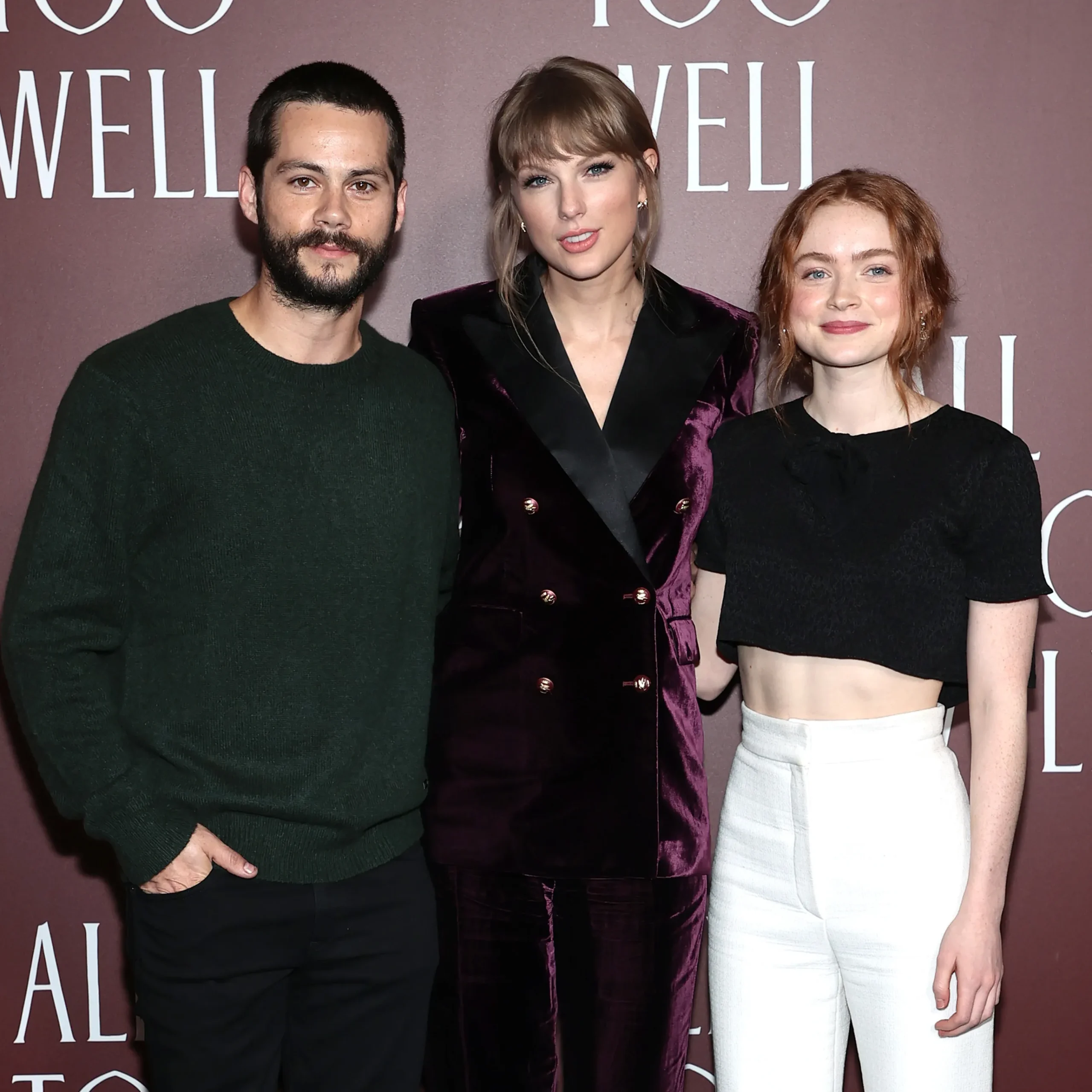
Taylor Swift cast her opposite Dylan O’Brien in All Too Well: The Short Film, released in November 2021.
Written and directed by Swift, the roughly 15-minute film follows a young relationship from intimacy to painful collapse, allowing Sink to perform a compressed romantic drama almost entirely through shifting emotions and escalating conflict.
It was an important transition.
There were no monsters, psychic battles or 1980s nostalgia to lean on.
The story depended on Sink making an emotional relationship believable.
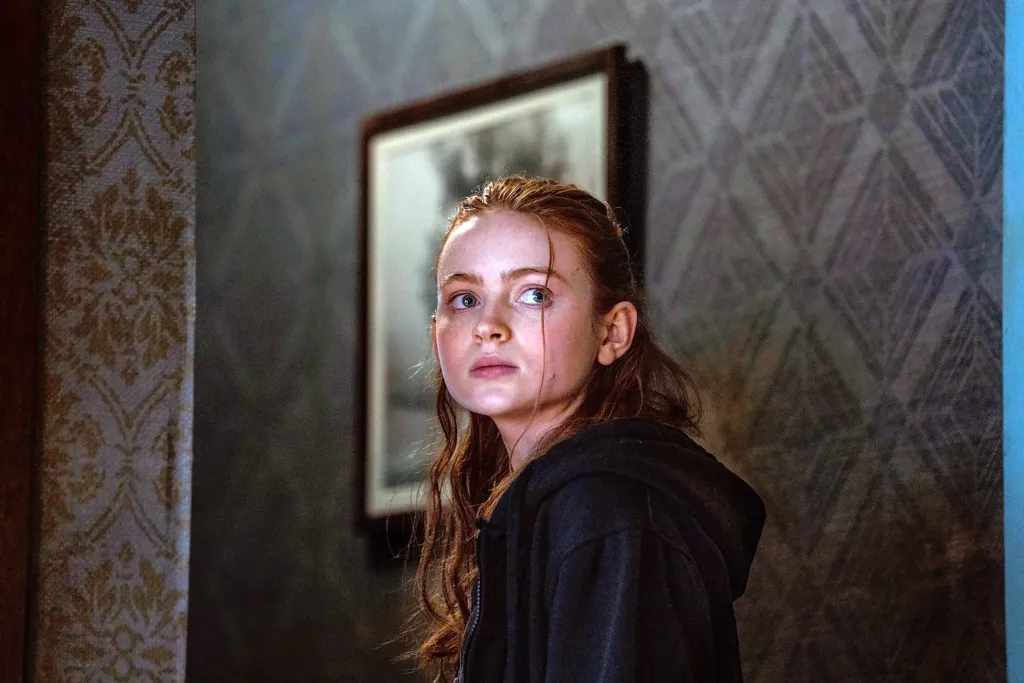
Around the same period, she also moved deeper into horror with Netflix’s Fear Street Part Two: 1978, playing Ziggy Berman in the streaming trilogy.
Those projects began establishing a pattern that would become crucial to her post-Stranger Things career: Sink was not rushing toward one obvious type of stardom.
She was trying very different things.
The Whale Put Her Beside Brendan Fraser
In Darren Aronofsky’s The Whale, Sink faced one of her most difficult film roles.
She played Ellie, the estranged teenage daughter of Brendan Fraser’s Charlie, a father desperately trying to reconnect with her.
Ellie is angry, cruel and deeply wounded. Playing her required Sink to resist the temptation to make the character easily likable.
The movie premiered at the Venice Film Festival in 2022, where Fraser’s performance drew enormous attention and eventually led to his Academy Award for Best Actor. Sink, meanwhile, was sharing intense dramatic scenes with Fraser, Hong Chau and Samantha Morton in a film far removed from the scale of Stranger Things.
It was another signal that she wanted a career beyond franchise recognition.
Rather than trying to become simply “the girl from Stranger Things,” she was choosing material that challenged that identity.
Then She Went Back to Where Everything Started
Perhaps the clearest sign of Sink’s ambitions came in 2025.
At a moment when many young actors with global television fame would have focused entirely on movies, she returned to Broadway.
Sink starred as Shelby Holcomb in Kimberly Belflower’s John Proctor Is the Villain, a contemporary play about high school students reconsidering Arthur Miller’s The Crucible while confronting questions about power, gender and their own community.
Sink described theater as something that had never really left her. She had watched fellow Stranger Things actor Gaten Matarazzo return repeatedly to the stage and began thinking seriously about doing the same.
The decision paid off.
John Proctor Is the Villain received seven Tony Award nominations, and Sink earned her first nomination for Best Performance by an Actress in a Leading Role in a Play.
She did not win—the award went to Sarah Snook for The Picture of Dorian Gray—but the nomination placed Sink in a very different professional category.
She was no longer simply a successful young screen actor returning to theater.
Broadway had recognized her as one of the season’s leading dramatic performers.
Saying Goodbye to Max
Stranger Things finally concluded with its fifth season, released across late 2025, with the series finale arriving around the turn of the year.
Sink returned as Max for the final chapter, bringing an end to a character she had played through much of her adolescence and early adulthood. Netflix’s finale placed Max alongside the original Hawkins group as the characters closed the door on their childhood years.
For Sink, the ending created a career moment that can be dangerous for any young actor.
The project responsible for making her internationally recognizable was over.
Now audiences would discover whether they wanted Sadie Sink—or simply Max Mayfield.
Her choices had already begun answering that question.
From Rock Opera to Spider-Man
In 2025, Sink took the lead in O’Dessa, an original post-apocalyptic rock opera from director Geremy Jasper.
She played a farm girl traveling through a strange dystopian world, with Kelvin Harrison Jr., Regina Hall and Murray Bartlett among the cast. The project demanded yet another combination of performance skills: acting, physicality and music.
Then came something much larger.
Sink joined Tom Holland, Zendaya, Jacob Batalon, Jon Bernthal and Mark Ruffalo in Spider-Man: Brand New Day, which opened in theaters on July 31, 2026. Sony officially lists her among the principal cast of the new Marvel adventure.
For an actress emerging from one of Netflix’s biggest franchises, joining one of Hollywood’s most valuable superhero properties could easily look like the obvious next step.
But her career makes the move more interesting.
Sink did not travel directly from Stranger Things into blockbuster filmmaking. Along the way she made an intimate Taylor Swift short film, played a furious daughter opposite an Oscar-winning performance, led an eccentric rock opera and returned to Broadway strongly enough to earn a Tony nomination.
That range is why her rise feels different from a simple story of childhood fame becoming adult celebrity.
The Real Test Begins Now
Sadie Sink is only 24, yet she already has the kind of résumé that crosses boundaries many actors spend decades trying to navigate.
She has performed on Broadway as a child and returned as a Tony-nominated adult. She has survived horror movies, carried some of Stranger Things’ most emotional scenes, worked in prestige drama and entered the Marvel universe.
More importantly, she has repeatedly chosen roles that do not resemble the one before them.
That may ultimately matter more than any individual franchise.
Stranger Things made Sadie Sink famous.
Max Mayfield proved she could command attention.
Broadway demonstrated that she could stand onstage without the protection of editing or special effects. The Whale showed she could hold her own beside experienced dramatic actors. And now Spider-Man introduces her to another enormous global audience.
The childhood performer who once stepped onto the Broadway stage in Annie is no longer preparing for a future career.
She is already building one—and Hollywood is beginning to see just how far it might go.