Scarlett Fondaw Kept Falling at 3. Her Family Kept Looking for an Answer
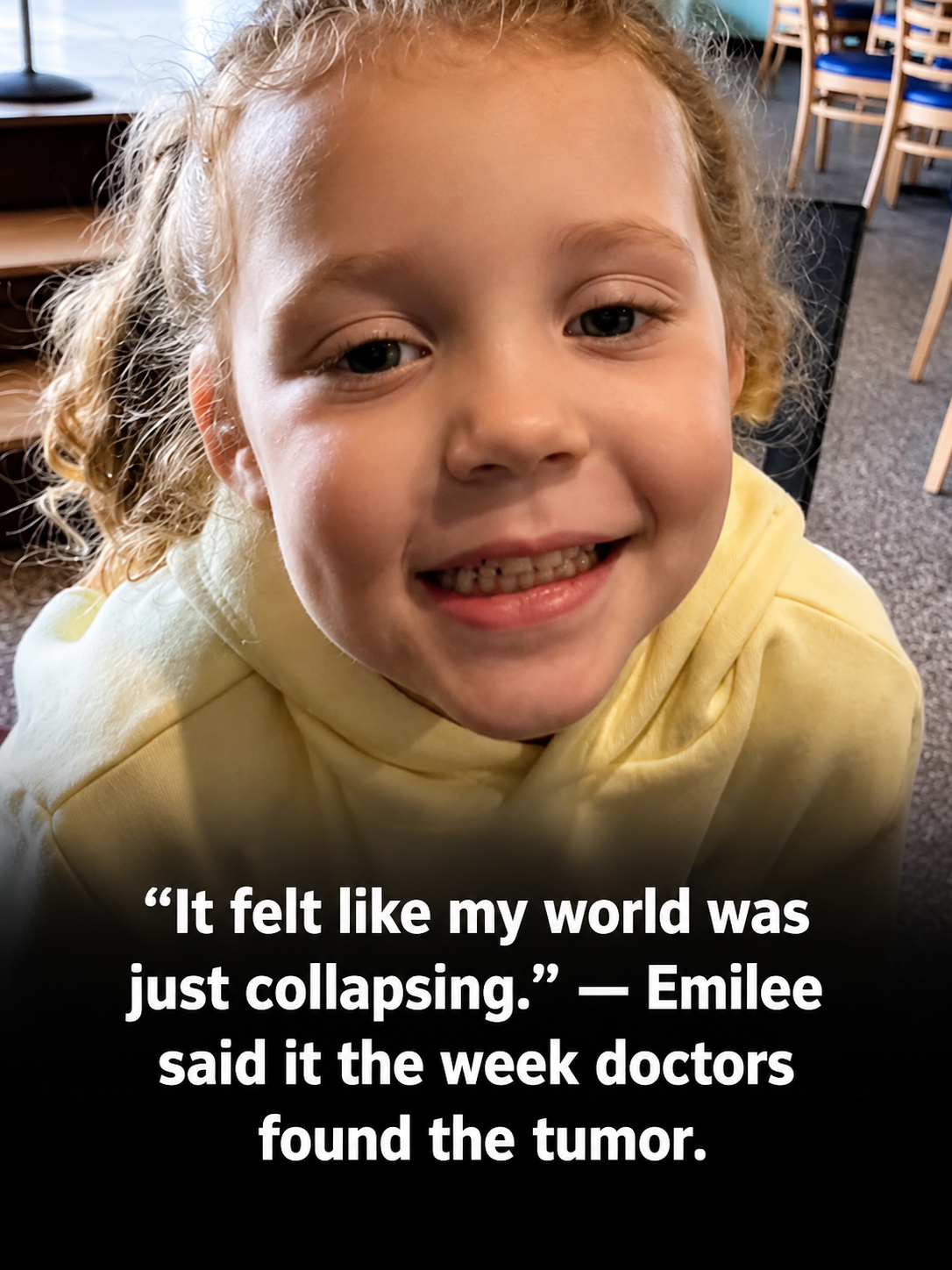
Around Mother’s Day, Emilee Fondaw was shopping with her 3-year-old daughter Scarlett when something about the way the little girl moved caught her attention.
Scarlett kept running into shelves. Then she would fall over.
Nothing about the scene came with an obvious explanation. There was only a toddler in a store doing something that could easily be read as ordinary clumsiness, and a mother who had begun to notice that it was happening enough to matter.
So Emilee kept paying attention.
Scarlett lives with her family in Stevens Point, Wisconsin. By late July, her mother was speaking publicly about those early moments because she wanted other parents to recognize the warning signs her family had seen.
The Falls Did Not Point to an Obvious Cause
At first, the family did not have a name for what was happening.
The detail Emilee could see was physical and simple: Scarlett was losing her balance. She was bumping into things. For a 3-year-old, neither action comes with an automatic explanation, and nothing in the store told her mother where the problem was coming from.
What mattered was that it kept happening.
The family sought medical help. The first explanation they received seemed far removed from the kind of diagnosis they would later face.
Doctors initially thought one of Scarlett’s legs was longer than the other, according to WSAW, which first reported the family’s story.
That possibility gave the falls a physical explanation without pointing to anything in her brain.
But the family kept looking for an answer.
They went through multiple hospital visits as doctors tried to work out what was causing the change in Scarlett’s movement. The repeated visits mattered because the first explanation did not account for where the case eventually led.
Multiple Visits Changed the Meaning of the First Sign
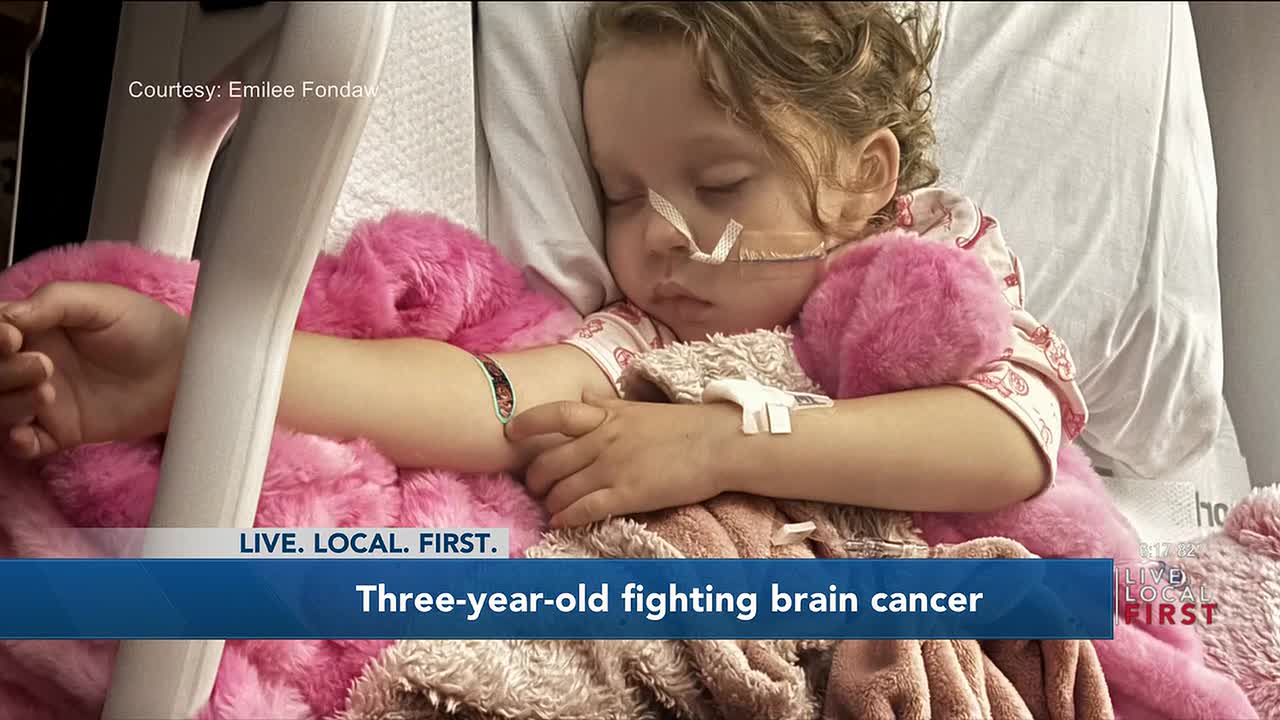
What began with running into shelves eventually led doctors to find a tumor.
Scarlett was diagnosed with medulloblastoma, which WSAW described as a fast-growing, cancerous brain tumor.
For Emilee, the diagnosis suddenly placed the earlier falls in a different frame.
“It felt like my world was just collapsing,” she said.
The answer had come only after the family returned for more medical care. What first looked like a problem with balance, and then possibly a difference in leg length, was connected to something no one had seen from the outside.
Marshfield Clinic referred Scarlett to Children’s Wisconsin in Milwaukee. Her family was now facing a cancer diagnosis and waiting to learn what doctors could do next.
Emilee also found herself thinking about how easy the beginning could have been to dismiss.
Before all of this, she described Scarlett as “super duper smart,” talkative, friendly and confident. The child her family knew had been active and full of personality.
That made those falls in the store stand out in hindsight.
There had been no dramatic sign with an obvious label attached to it. A little girl kept bumping into shelves and falling, and the first medical theory pointed toward her legs.
Then the diagnosis changed everything.
Doctors Were Able to Remove Most of the Tumor
A few weeks before WSAW spoke with the family on July 30, doctors at Children’s Wisconsin operated on Scarlett.
They removed most of the tumor.
The surgery gave the family something concrete to hold onto, but it did not return Scarlett at once to the child she had been before.
At the time of the interview, she could not speak or swallow. She struggled to move and was working with multiple therapists.
“Loss of, like, normal functions, like moving your hands, your legs,” Emilee said while describing what her daughter was facing.
Eating was difficult because Scarlett could not swallow well. Her mother said she was drooling and that the family did not yet know whether other issues, including possible mood changes, would become clear once she could speak again.
Then another result arrived.
Emilee learned that the cancer had not spread to Scarlett’s spine.
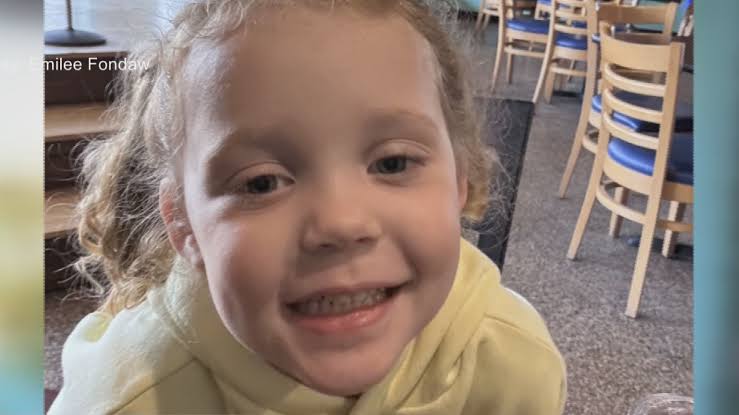
Her Family Could See Pieces of Her Coming Back
More answers were still ahead.
The week after the July 30 interview, Scarlett’s family expected to learn which type of medulloblastoma she had. Those results would determine what treatment she needed next. They also did not know when they would be able to return home to Stevens Point.
For now, progress could be measured in smaller things.
Scarlett had begun laughing at jokes again. She was continuing to work with therapists, while her family kept encouraging her through recovery.
“We’re all just trying to stay positive,” Emilee said.
Her mother also pointed to what she had been told about treatment outcomes, describing the success rate as “relatively high, like 70 to 80%.”
There were still treatment decisions ahead. Scarlett still could not speak or swallow at the time of the report, and therapy remained part of her days.
Yet the warning Emilee wanted other parents to know began long before cancer terminology, surgery or treatment plans.
It began in a store, with a 3-year-old who kept running into shelves and falling over.
Weeks later, doctors had removed most of the tumor. And amid everything Scarlett still had to relearn, one familiar part of her had already started showing up again.
She was laughing at jokes.