Should You Watch Netflix’s The Last House? A Brilliant Setup Leads to a Messy Mystery
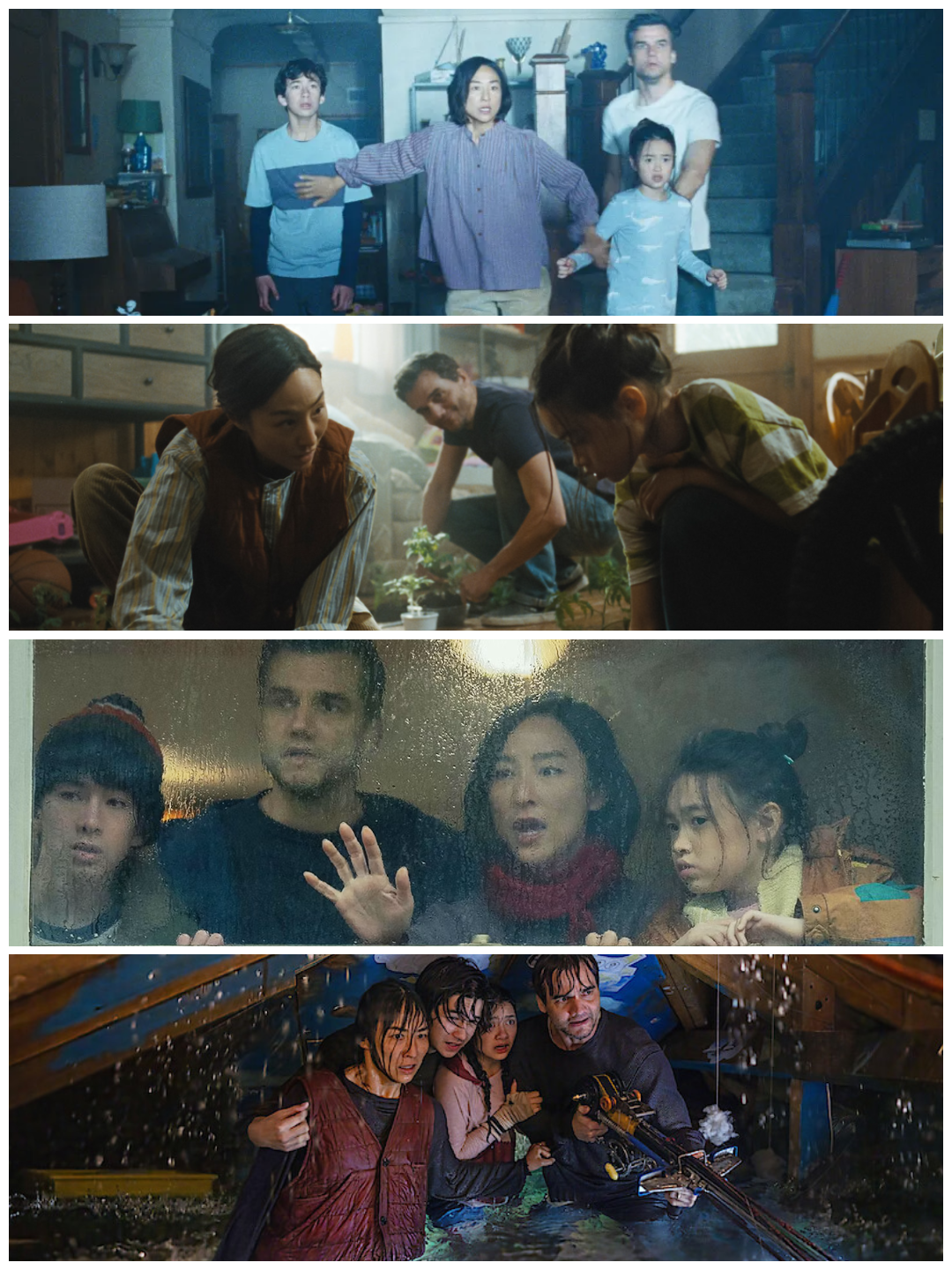
Imagine waking up to discover that your front door will not open.
Neither will the windows. The garage is sealed. Phones and internet stop being useful. Your neighbors appear to be trapped too, and whatever is happening outside seems far more dangerous than simply waiting for help.
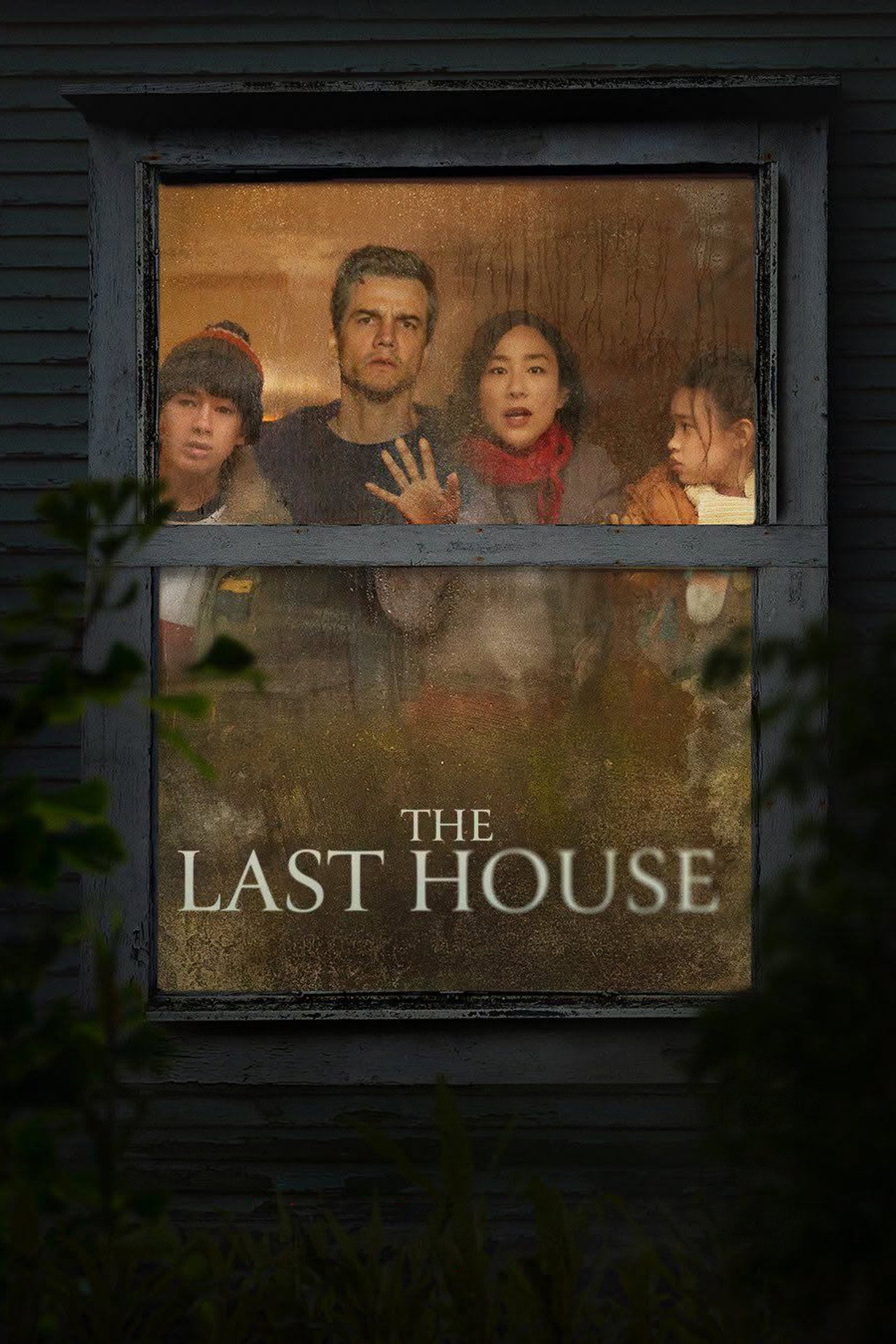
That is the wonderfully simple hook behind Netflix’s The Last House, a new sci-fi survival thriller starring Greta Lee and Wagner Moura.
It is also why the movie has been so easy to click.
After arriving on Netflix on Aug. 7, The Last House debuted at No. 1 on the streamer’s English-language film chart with 27.5 million views during its first reporting week. Yet the critical response could hardly look more different: as of Aug. 15, Rotten Tomatoes had it at 23% from 65 critic reviews, while Metacritic carried a score of 42.
So which side should you trust?
The answer depends on what you want from the mystery.
The 30-Second Reason People Are Pressing Play
Director Louis Leterrier, whose credits include Now You See Me and Fast X, takes an ordinary family home and turns it into a prison.
Moura plays Jason Delgado and Lee plays his wife, Ann. They live with their children, Graham and Ruth, when an unexplained event suddenly seals the family inside their house. Supplies are limited, no one knows how long the situation will last, and an ominous force appears to be keeping them there deliberately.
That setup is excellent because it starts with questions viewers can understand instantly.
How long would the food last? Where would you get water? Could you communicate with the neighbors? What happens when a place built to protect you becomes the one place you cannot leave?
The early stretch is where The Last House is strongest.
The Houston Chronicle praised the uncertainty of those scenes, especially the sight of neighbors communicating through windows while Jason and Ann begin figuring out how to stretch their resources. The Guardian similarly found the grounded survival material more effective than some of the bigger science-fiction ideas that arrive later.
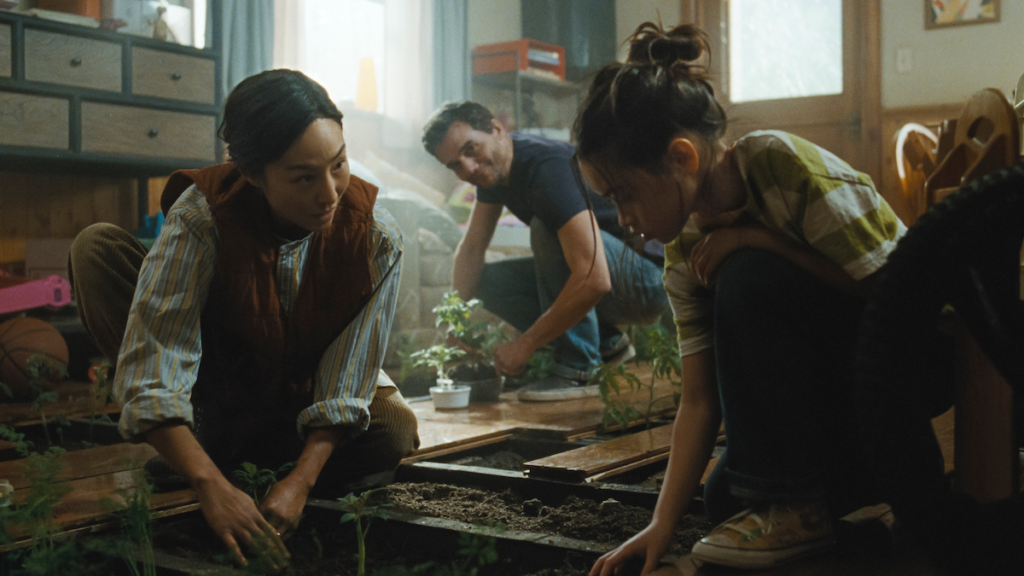
Wagner Moura and Greta Lee Give the Movie Something Real
Casting helps enormously.
Moura brings urgency to Jason without immediately turning him into a conventional action hero. Jason has practical skills and a strong need to protect his family, but the situation keeps growing beyond anything one person can control.
Lee’s Ann provides another kind of pressure. The confinement is physical, but the film is also interested in what extended isolation does to marriages, parents and children.
That wasn’t accidental. Lee told Reuters that portraying the emotional breakdown caused by the situation, and its effect on relationships inside the family, was one of the tougher parts of making the film. The cast even worked with survival consultant Megan Hine to better understand how people might respond under extreme conditions.
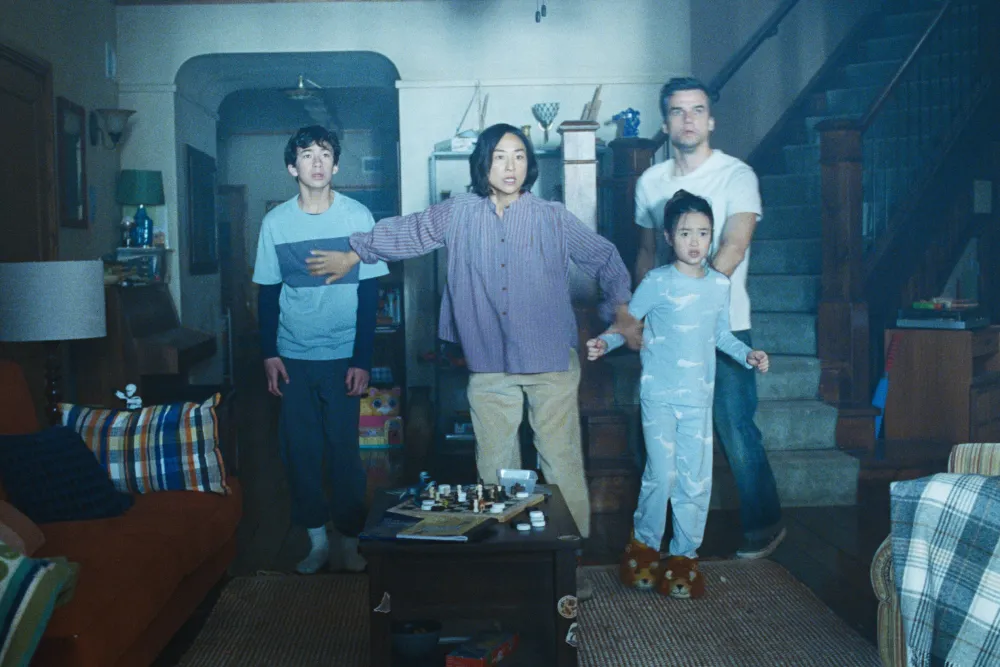
Netflix also built much of the production around one house that changes as the story progresses. Production designer details released by the streamer show how pieces of the home were gradually repurposed to reflect countless survival decisions rather than simply making the building look destroyed.
Those details matter because the movie is most convincing when it asks a small question inside a huge crisis: what can this family do with whatever is still inside these walls?
How Much Should You Know Before Watching?
Very little.
Netflix’s official synopsis is almost the ideal amount of information: a family is sealed inside its home, resources begin disappearing, and something outside is keeping them trapped.
Stop there if you can.
The story changes shape several times, and even critics who disliked the destination generally agreed that the initial mystery creates genuine curiosity. Moura himself teased Netflix viewers that the story develops in unexpected directions.
This is also one case where going in without studying trailers or ending explainers is probably an advantage.
The question “Why can’t they leave?” is the engine. Once you know too much about the answer, part of the movie’s best weapon is gone.
Is The Last House Actually Scary?
Sometimes, but this is not relentless horror.
Netflix tags it as sci-fi, horror and thriller, while Rotten Tomatoes lists it as a PG-13 horror/mystery thriller. The rating includes violent content and terror, among other material.
Its best scares come from confinement rather than monsters.
A door that should open suddenly feels more frightening when it does not. A window becomes a barrier. Everyday household supplies turn into a countdown.
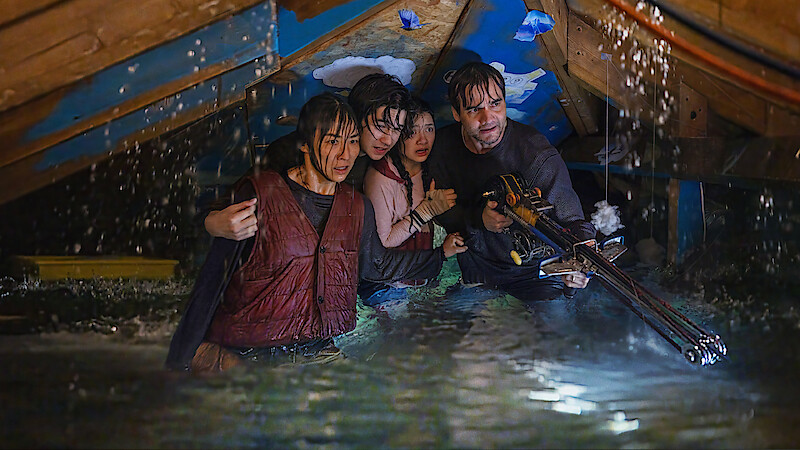
The film also gets darker as resources disappear, and there are some grim survival choices. Viewers sensitive to stories involving family pets may find one section particularly difficult.
But anyone expecting a nonstop creature feature may be surprised. The movie spends a lot of its roughly 112-minute runtime watching the Delgados adapt, argue, improvise and try to remain a family.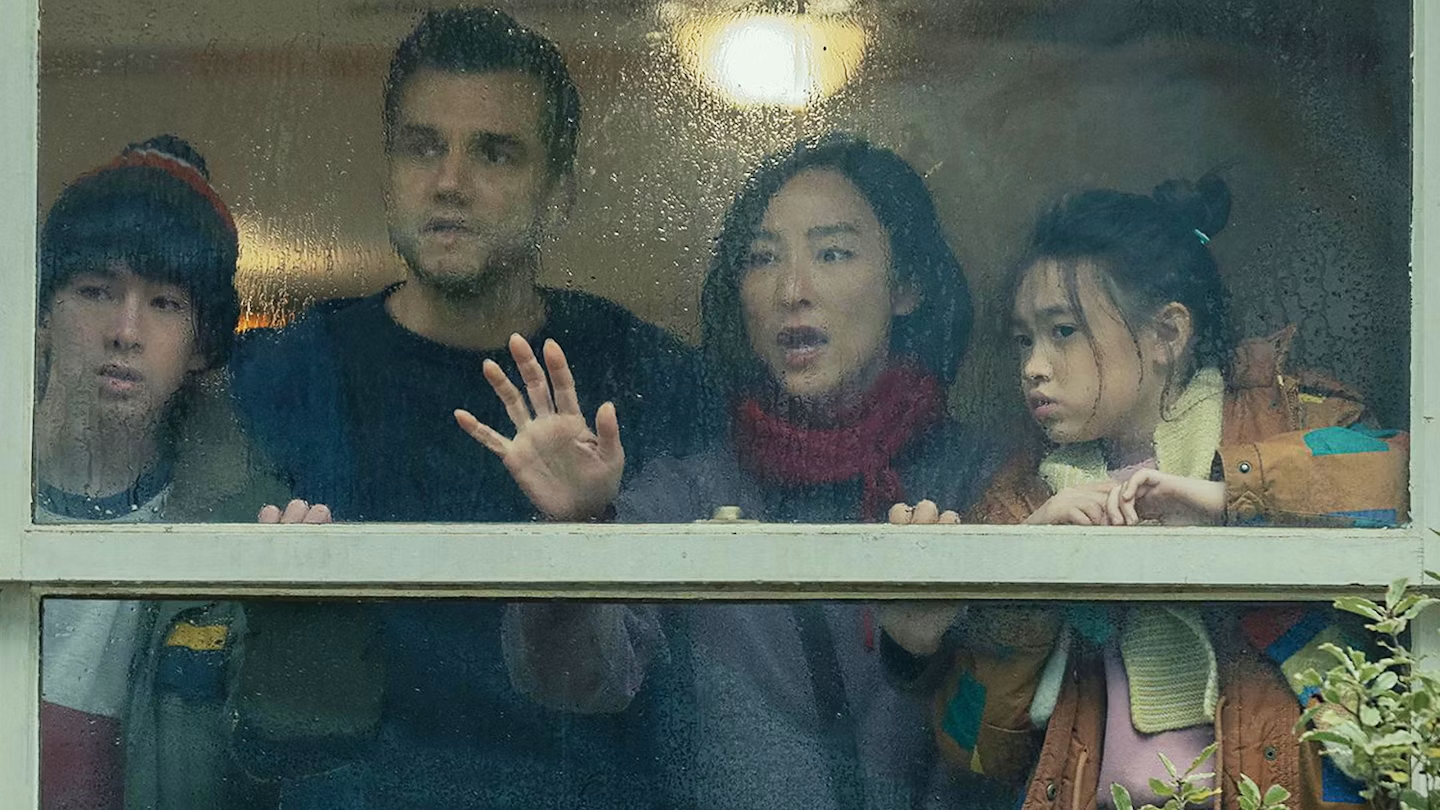
Does the Mystery Pay Off?
This is where the reviews turn.
Rotten Tomatoes’ current critical consensus argues that the film becomes repetitive and fails to extract enough suspense or thematic depth from its premise. Metacritic’s 42 score reflects a similar split: a few critics responded strongly to the family story, while many others landed in mixed or negative territory.
The problem is not that the movie refuses to explain itself.
It does.
The problem is that explaining the mystery forces The Last House to move away from the beautifully simple idea that made it gripping in the first place.
When Jason and Ann are solving immediate problems inside the house, the film has rules viewers can feel. Hunger matters. Space matters. Time matters. A blocked door matters.
Once the story starts reaching for larger ideas about humanity, nature and why this crisis is happening, those practical stakes have to share the movie with a much more ambitious message.
Some reviewers felt that expansion worked. Polygon gave the movie one of its strongest notices, praising the Delgado family story and the way they struggle to remain themselves as the world changes. Empire was more reserved but still considered the central premise entertaining enough to justify the film.
Others thought the movie lost its grip completely.
The Guardian argued that the later sci-fi material was less satisfying than the survival drama, while the Houston Chronicle said the film became less involving as it revealed more and leaned harder into effects.
That divide is the key to deciding whether you should watch.
Who Should Watch — and Who Should Skip?
Watch The Last House if you like high-concept Netflix thrillers where a single impossible rule drives the story.
Fans of Bird Box, A Quiet Place-style survival scenarios, domestic apocalypse stories and mysteries that slowly expand beyond one family are most likely to have fun with it.
Moura is another strong reason to try it, and the film has enough practical survival problem-solving to keep its middle stretch moving.
Skip it if mysteries live or die for you on airtight explanations.
The movie asks increasingly large questions, but its answers are unlikely to satisfy viewers who expect every piece of the premise to fit together cleanly. Critics repeatedly identified logic gaps, thin characterization and an underdeveloped final stretch as weaknesses.
Final Verdict
Yes, The Last House is worth trying, but lower your expectations after the setup.
This is not the hidden Netflix masterpiece its premise initially suggests. A 23% Rotten Tomatoes score makes more sense once the movie starts revealing what has actually trapped the Delgados.
But it also isn’t difficult to understand why 27.5 million views put it at No. 1 during its debut week.
Greta Lee and Wagner Moura are compelling company, the trapped-house idea produces several effective stretches of suspense, and the survival details are often more interesting than the larger mythology.
The best version of The Last House is hiding in its first question:
What would your family do if the safest place you knew suddenly refused to let you leave?
For a while, that question is enough to make the movie very hard to turn off.