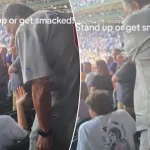
Kentucky Father Says Justice Failed After Son’s Killer Walked Free Nearly 11 Years Later

Nearly 11 years after 6-year-old Logan Tipton was stabbed to death while sleeping in his Kentucky home, the man responsible for the attack walked out of state custody.
Ronald Exantus was released on July 29 after completing the sentence imposed for assaulting Logan’s father and two sisters during the same 2015 home invasion.
The release reopened wounds the Tipton family says never healed.
Logan’s father, Dean Tipton, condemned the outcome as a failure of the justice system, arguing that his family had received a lifetime of grief while Exantus served less than 12 years behind bars.
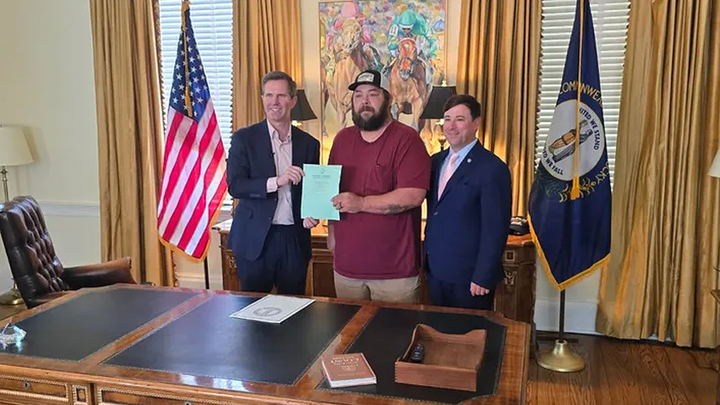
The case had already changed Kentucky law. Public outrage helped produce legislation known as Logan’s Law, signed by Gov. Andy Beshear in April 2026.
But the reform came too late to stop Exantus from leaving prison.
Because the law cannot be applied retroactively, it had no effect on the verdict, sentence or release date connected to Logan’s killing.
A Child Killed While He Slept
The attack occurred on Dec. 7, 2015, inside the Tipton family’s Woodford County home.
Prosecutors said Exantus entered the house and fatally stabbed Logan as the child slept. Dean Tipton and two of Logan’s sisters were also stabbed but survived.
The violence stunned the surrounding community.
A home that should have offered safety became the scene of a random and devastating attack. The surviving family members were left not only with physical injuries but also with the loss of a young boy whose death would follow them through years of hearings, appeals and legislative battles.
Exantus later faced murder, burglary and assault charges.
At trial, jurors found him not guilty by reason of insanity on the murder and burglary counts. They found him guilty but mentally ill on assault charges connected to the surviving members of the family.
That split verdict became the central source of the family’s anger.
Exantus was legally found not responsible for Logan’s killing because of insanity, yet he was punished for the attacks on those who survived.
The sentence tied to those assault convictions eventually became the limit of how long Kentucky authorities could keep him in prison.
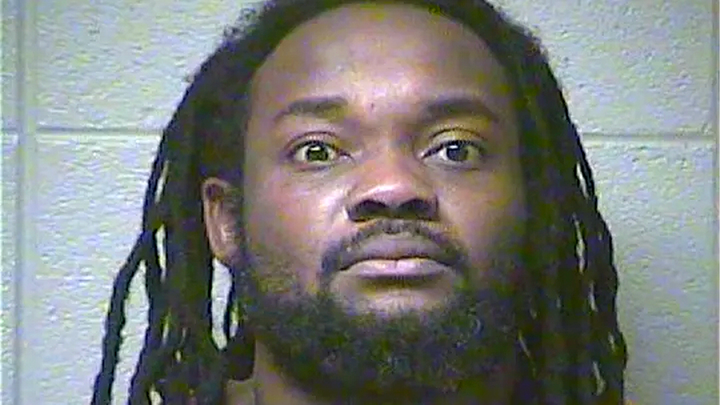
The Sentence Reached Its Legal End
The Kentucky Department of Corrections said Exantus served 11 years, nine months and 18 days before his release.
State officials emphasized that he was not freed through a discretionary early-release decision by the Parole Board.
According to the department, courts and juries determine the sentence, while corrections officials calculate how long an individual must remain incarcerated under state law. That calculation includes statutory sentence credits the agency is required to apply.
Prosecutors said Exantus received nearly nine years of credit toward his sentence.
Once his legally calculated expiration date arrived, the Department of Corrections said it no longer had the authority to hold him unless another lawful basis for detention had been established.
The department described the July 29 release as the completion of his sentence—not parole and not an act of leniency by corrections officials.
For the Tipton family, that explanation did little to change the emotional reality.
The man who killed Logan was free.
Logan was still gone.
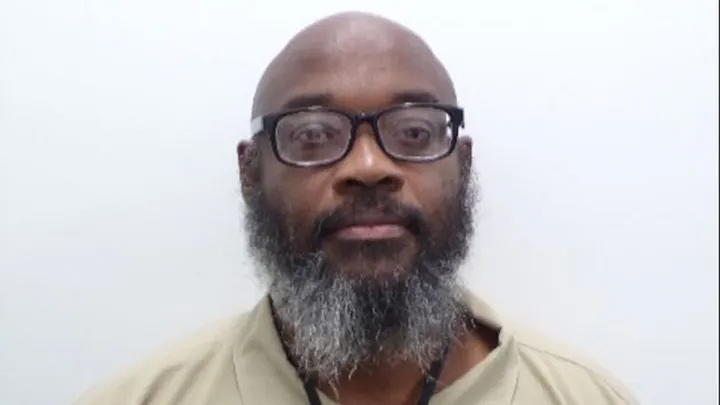
A Previous Release Ended With a Violation
Exantus had briefly left custody before completing the sentence.
In October 2025, he was released under mandatory reentry supervision and moved to Florida.
Authorities said he then violated the conditions of that supervision by failing to register as a convicted felon.
He was returned to Kentucky, where the Parole Board revoked his supervision and ordered him back to prison.
Kentucky Attorney General Russell Coleman urged the board to take that action. In a November 2025 letter, Coleman argued that public safety and common sense required Exantus to serve the remaining portion of his sentence behind bars.
The board agreed.
That decision delayed Exantus’ return to the community, but it could not extend the original sentence. He remained incarcerated only until the legal expiration date arrived in July.
Before that date, state officials notified the trial judge, prosecutors and defense attorneys that involuntary hospitalization proceedings could be pursued if they believed the legal requirements were met.
No additional legal basis kept him confined after the sentence ended.

Logan’s Father Says the Family Received the Real Life Sentence
Dean Tipton reacted to the release with anger, fear and exhaustion.
He warned people to protect their homes and children and accused Kentucky’s courts of treating Exantus too lightly.
In one of his most painful statements, Tipton contrasted Exantus’ freedom with the permanent consequences inside his own family.
He wrote that Exantus could now continue living while Logan remained in the grave and he remained in bed, still carrying the effects of the attack.
“This may be my breaking point,” Tipton said.
His response reflected more than frustration with one release date.
For years, the family had attended legal proceedings and pushed lawmakers to change the rules that allowed the case to end this way. They had turned Logan’s death into a public campaign in the hope that another family would not face the same outcome.
They succeeded in changing the law.
They could not change what happened to them.
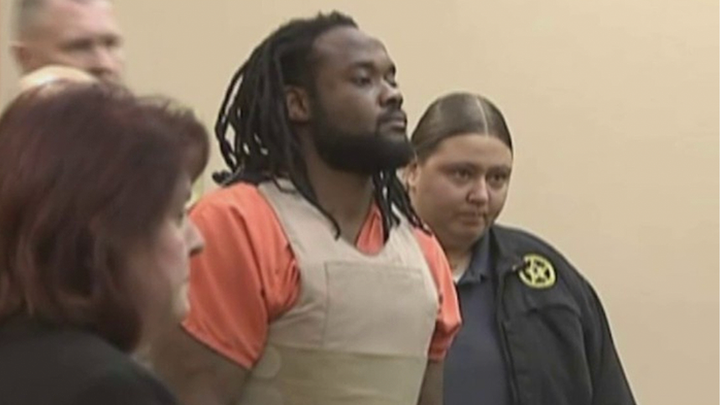
Logan’s Law Changes Future Cases
The public reaction surrounding the case helped lead Kentucky lawmakers to pass House Bill 422, widely known as Logan’s Law.
Beshear signed the measure in April 2026 with members of the Tipton family present.
The legislation revised parts of Kentucky’s insanity-defense system and rules governing mandatory reentry supervision. It was designed to address concerns exposed by Exantus’ case and strengthen protections in future cases involving violent crimes.
However, constitutional restrictions prevent lawmakers from increasing punishment after a person has already been convicted and sentenced.
That meant Logan’s Law could not be used to keep Exantus imprisoned.
State Rep. Daniel Fister, one of the lawmakers who supported the measure, described the release as heartbreaking. He said the law was an important step but argued that Kentucky must continue strengthening its criminal statutes.
State Rep. T.J. Roberts called the outcome a gross miscarriage of justice and said Exantus should have remained imprisoned for life.
Roberts also said he plans to pursue additional legislation aimed at expanding the availability of life-without-parole sentences, improving victim notifications and limiting ways violent offenders can reduce their time in custody.
The lawmakers’ statements reflected the uncomfortable truth surrounding Logan’s Law.
The measure may protect future families.
It could not deliver the outcome Logan’s family wanted in their own case.
A System Divided Between Legal Rules and Public Anger
The case exposes the difficult space between what the law permits and what victims’ relatives experience as justice.
Corrections officials said they followed the sentence issued by the court and applied credits required under Kentucky law. They also stressed that the Parole Board did not choose to release Exantus on July 29.
From an administrative perspective, his sentence ended.
From the Tipton family’s perspective, the punishment never reflected the full horror of what occurred inside their home.
Exantus was not convicted of murder because jurors found him not guilty by reason of insanity on that charge. The prison term came from the assaults on the family members who survived.
That legal distinction determined the sentence.
Emotionally, the family cannot separate those assaults from Logan’s death. It was one attack, in one house, carried out during the same terrifying night.
The law divided the charges.
The family lived through them as a single tragedy.
The Fight Continues After the Prison Gates Opened
The Tipton family says its campaign is not finished.
They have launched a fundraising effort to help cover legal expenses as they explore additional remedies and continue advocating for criminal-justice reform.
On the fundraising page, the family described turning profound grief into a determined effort to change Kentucky law.
They celebrated the passage of Logan’s Law while acknowledging its most painful limitation: It could not prevent the person responsible for Logan’s death from being released.
Dean Tipton has said the state must go further, particularly in limiting how much time people convicted of violent crimes can remove from their sentences through credits.
The family’s goal is no longer confined to Exantus.
They want Logan’s name to shape laws that will affect defendants, victims and courts long after his case leaves the headlines.
Exantus has completed the sentence the justice system imposed and is no longer in Kentucky corrections custody.
For the Tiptons, no sentence could return the child they lost.
Their struggle now rests on a harsher question: whether a legal outcome can be considered complete when the family most affected believes justice was never fully delivered.
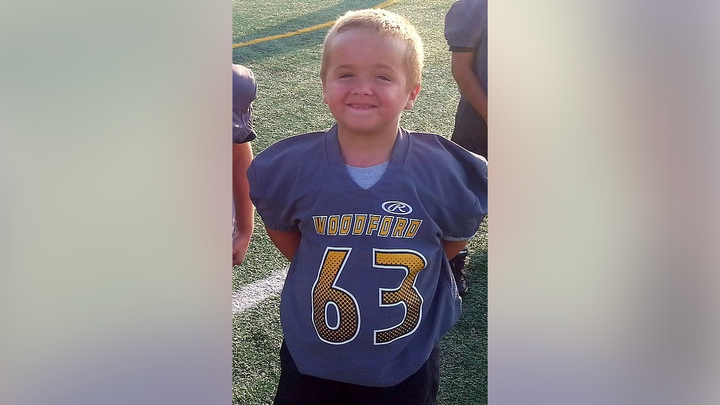
Logan was six years old when he was killed.
Nearly 11 years later, the man who ended his life walked free—and the family left behind began another chapter of a fight they never chose.