Sigourney Weaver’s Ghostbusters Audition Got So Strange Ivan Reitman Called Harold Ramis the Moment She Left
- NgoPhong
- August 29, 2026
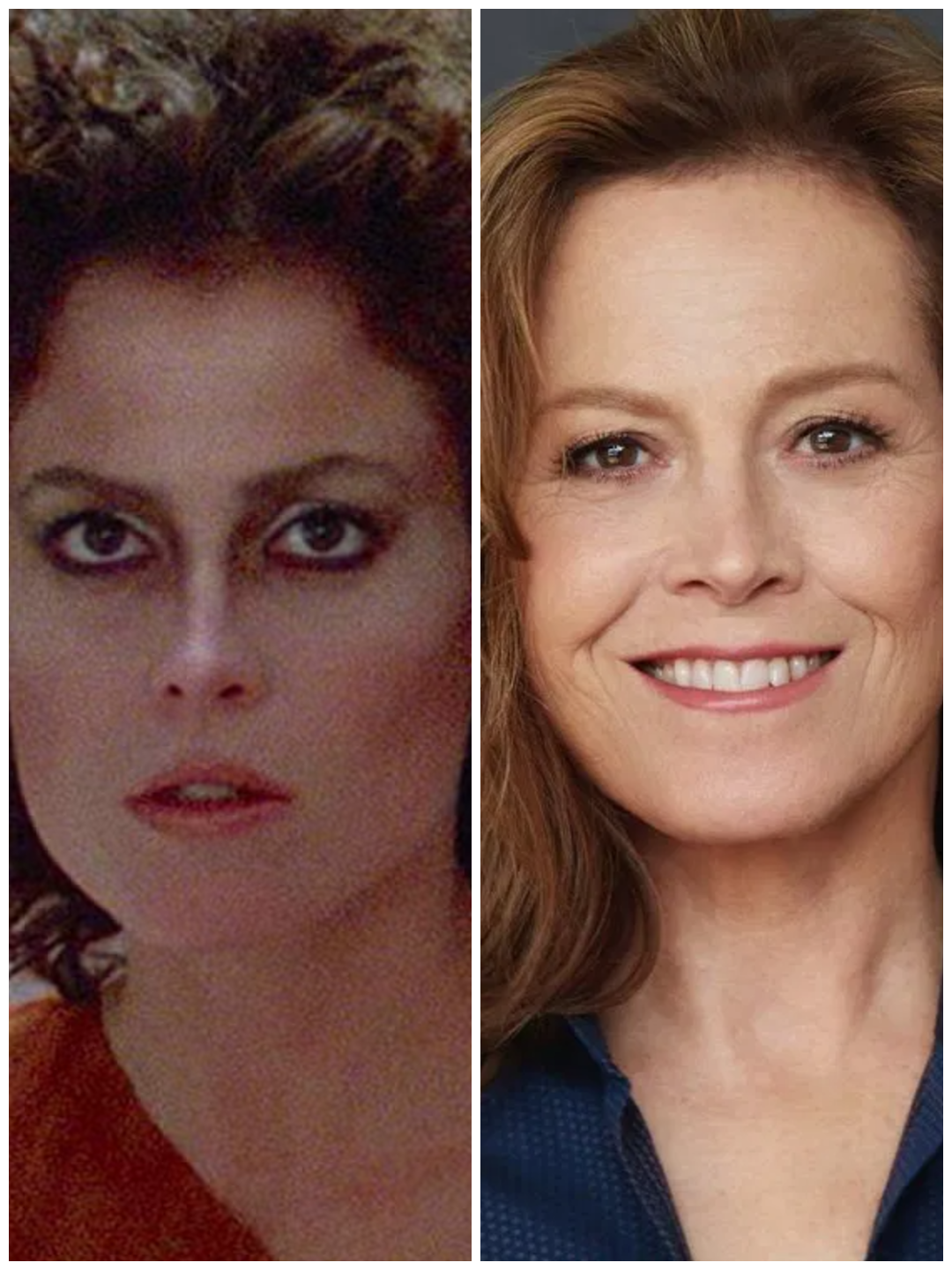
When Sigourney Weaver appears as Dana Barrett in 1984’s Ghostbusters, she initially seems like one of the few completely sensible people in a movie rapidly filling with ghosts, possessed refrigerators and men carrying unlicensed nuclear accelerators on their backs.
Dana is poised, skeptical and understandably unimpressed by Peter Venkman’s attempts to charm her.
Then Zuul enters the picture.
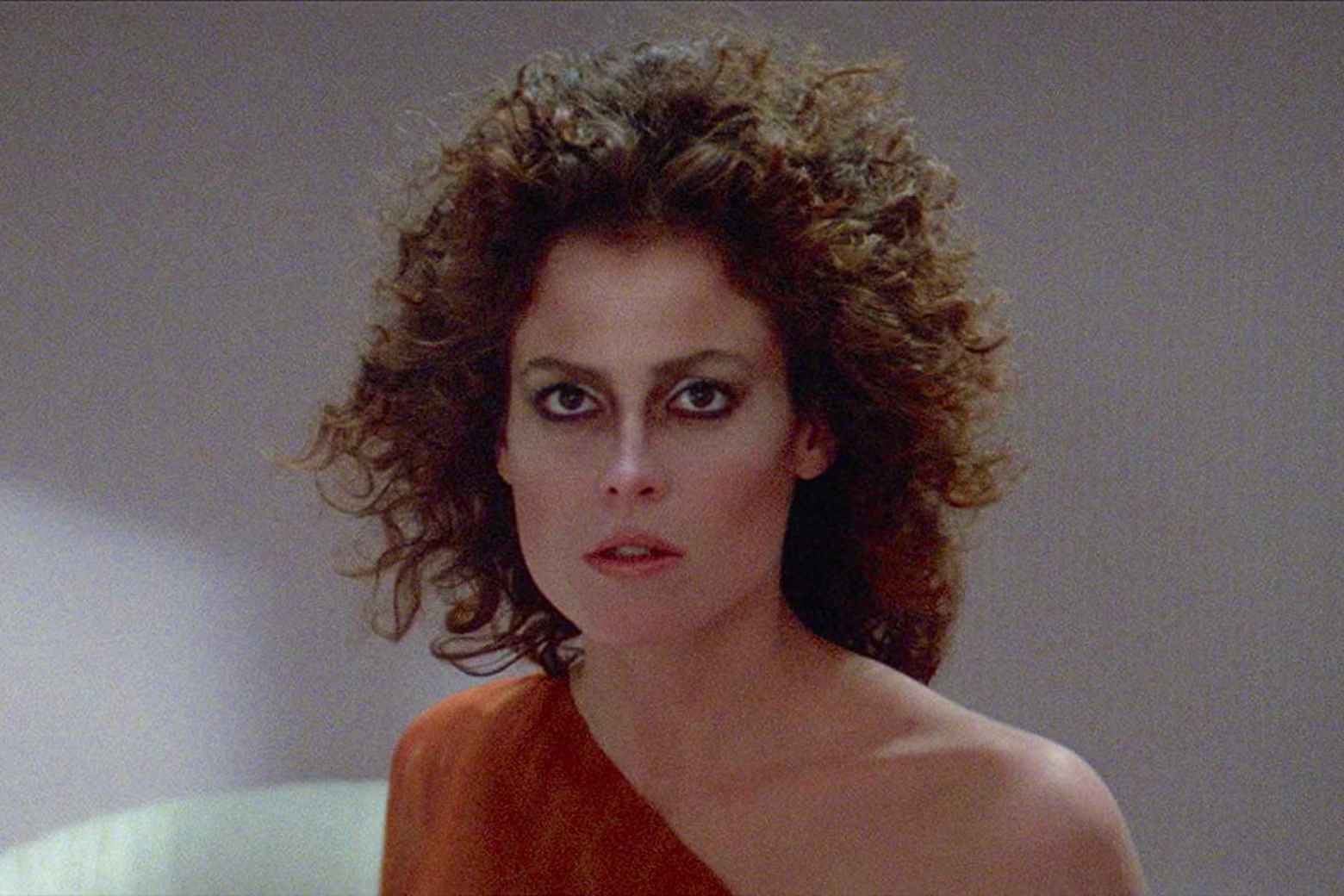
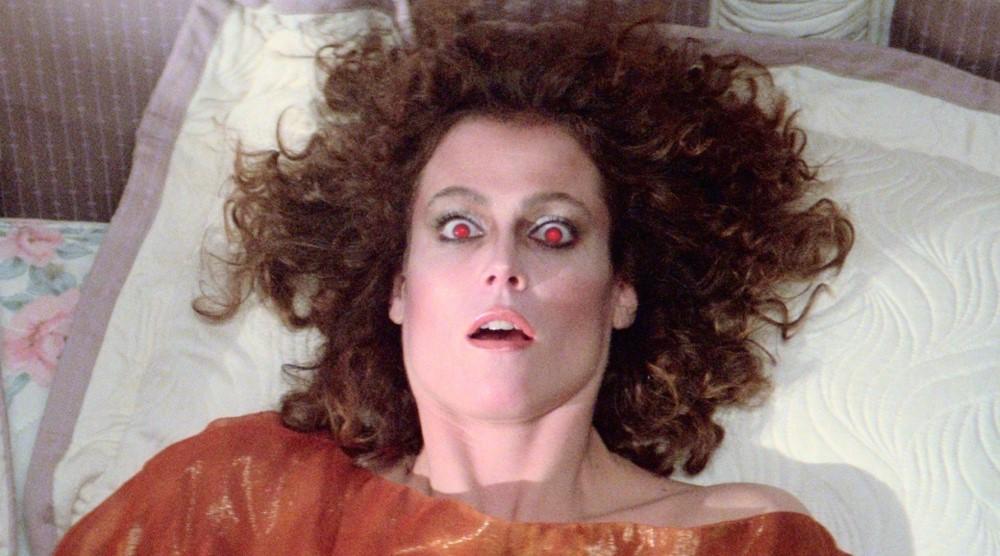
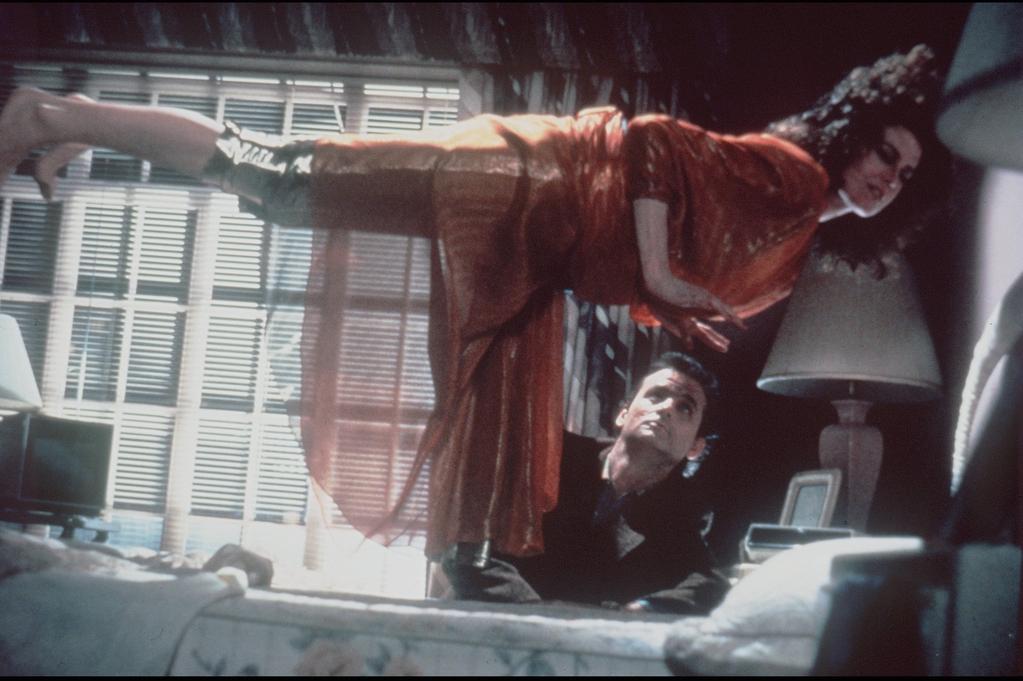
By the final stretch of the movie, the elegant Manhattan musician has become something completely different: possessed, otherworldly and connected to the supernatural creatures waiting to bring Gozer into the world.
For audiences, the transformation is simply part of the strange logic of Ghostbusters. But that piece of the movie did not arrive fully formed.
One of the people who helped push it into place was Weaver herself — during an audition that became so bizarre that director Ivan Reitman called co-writer Harold Ramis almost immediately after she walked out of his office.
Dana Barrett Needed the Right Kind of Actress
By the time Weaver was being considered for Ghostbusters, she was already closely associated with a very different kind of supernatural threat.
Her performance as Ellen Ripley in 1979’s Alien had established her as a commanding dramatic presence. She had also appeared in The Year of Living Dangerously, but Ghostbusters required something different.
Dana needed to be credible enough to ground the film.
She was surrounded by Bill Murray, Dan Aykroyd and Harold Ramis, performers whose characters could turn even the apocalypse into a joke. If Dana became just another broad comic personality, the balance would be different.
Reitman later remembered Weaver arriving at the audition looking elegant and sophisticated. He also recognized her intelligence and seriousness.
Then the audition took a sharp turn.
Weaver had been thinking about what happened to Dana after the supernatural forces surrounding her apartment finally took control.
And she had an idea about how far that transformation should go.
Weaver Thought Dana Should Become Something Much More Animalistic
The film’s mythology involved Zuul, Vinz Clortho, the Gatekeeper and the Keymaster — concepts that would eventually become central to the climax.
But while Ghostbusters was still being developed, Reitman and the writers had not completely settled how all of those pieces should connect dramatically.
Weaver noticed something about Dana’s possession.
Her own recollection has varied slightly from Reitman’s over the years. Weaver has said she initially misunderstood the script and assumed that the actress playing Dana would physically perform the transformation into the Terror Dog. Reitman remembered her more directly proposing that Dana should become like the dog herself.
Either way, Weaver did not simply explain the idea.
She demonstrated it.
She Got on All Fours — Right on Reitman’s Coffee Table
During the audition, Weaver climbed onto Reitman’s low coffee table, dropped onto her hands and knees and began behaving like a possessed animal.
She howled.
She growled and snarled.
In Weaver’s own recollection, she also grabbed a cushion, gnawed or shook it around and fully committed to becoming the creature she believed Dana could turn into.
It was an extraordinary contrast with the woman who had walked into the room.
Reitman remembered being fascinated by it.
The actress auditioning to play the sophisticated Dana Barrett was suddenly on all fours on his furniture, demonstrating what Dana might look like if the supernatural possession became physical and animalistic.
Weaver later remembered Reitman stopping the audition camera and warning her never to do that again, joking that an editor might actually want to use the footage.
But behind that reaction, something had clicked.
Her strange performance had given Reitman an idea.
Reitman Called Harold Ramis Almost Immediately
After Weaver left, Reitman did not simply move on to the next actress.
He called Harold Ramis.
Reitman later remembered essentially telling him that Weaver had suggested Dana become a dog-like creature — and that he thought they should seriously consider it.
That mattered because Reitman, Ramis and the creative team were still wrestling with the mechanics of the Keymaster and Gatekeeper storyline.
The mythology was imaginative, but it needed to become personal.
If Dana was directly possessed and transformed by the force threatening New York, the strange supernatural concept suddenly had a human connection the audience already cared about.
Reitman later credited Weaver’s idea with helping them figure out where that part of the story should go. In one retrospective, he recalled that they had been struggling with the Keymaster/Gatekeeper material when Weaver’s audition supplied a useful direction.
The woman auditioning for a part had effectively participated in solving part of the movie.
The Idea Became Part of Ghostbusters’ Most Memorable Stretch
In the finished film, Dana is possessed by Zuul while her neighbor Louis Tully, played by Rick Moranis, becomes Vinz Clortho.
They become the Gatekeeper and Keymaster.
By this point, the relatively ordinary New York comedy that began with Dana finding something strange inside her refrigerator has expanded into a full supernatural spectacle involving Terror Dogs, Gozer and a rooftop portal.
Yet because Dana and Louis have been pulled directly into it, the mythology does not remain abstract.
Peter is no longer dealing only with an unexplained paranormal event. Someone he knows has been consumed by it.
And Ghostbusters can still make the whole thing funny.
Reitman later pointed to Peter’s wonderfully simple reaction to what has happened to Dana: his girlfriend is now, essentially, a dog.
It is exactly the type of joke the movie does so well — treating something visually outrageous with a perfectly matter-of-fact response.
And part of the path toward that joke began with Weaver crawling onto a coffee table.
Weaver Was Already Helping Shape Dana Beyond the Audition
The possession idea was not Weaver’s only contribution to the character.
Dana had originally been conceived as a model, but Weaver pushed for her to be a musician instead. Dana ultimately became a cellist, giving the character a more specific identity and helping distinguish her from a conventional romantic interest.
Weaver later explained her thinking in terms of Dana’s personality: she could be controlled and somewhat strict, but playing the cello suggested another side of her.
It was another example of Weaver approaching Ghostbusters not simply as a collection of jokes, but as a story in which the characters needed enough reality for the absurdity around them to work.
That balance became essential to Dana.
Before the possession, she is often the person reacting to the madness rather than creating it. Weaver plays her with enough seriousness that Peter Venkman’s behavior seems even more ridiculous.
Then, when Dana finally becomes part of the madness herself, the contrast is enormous.
One Strange Audition Left a Permanent Mark on the Movie
More than four decades later, it is difficult to imagine Ghostbusters without possessed Dana Barrett.
The flowing costume, the changed voice, the transformation of her apartment and the Terror Dogs all feel inseparable from the movie’s mythology.
But the path to that version of Dana included an audition that could easily have looked ridiculous out of context.
An actress who had become famous facing a creature in Alien walked into Ivan Reitman’s office, climbed onto his coffee table and started acting like a dog.
Instead of dismissing it, Reitman saw something useful enough to call Harold Ramis as soon as she was gone.
That may be the most Ghostbusters detail of all: one of the movie’s strangest ideas became clearer because Sigourney Weaver was willing to make herself look completely absurd in a room where she was trying to get the job.