Ingrid Bergman’s 67th Birthday Became Her Final Day — Hollywood Still Had One Award Left for Her
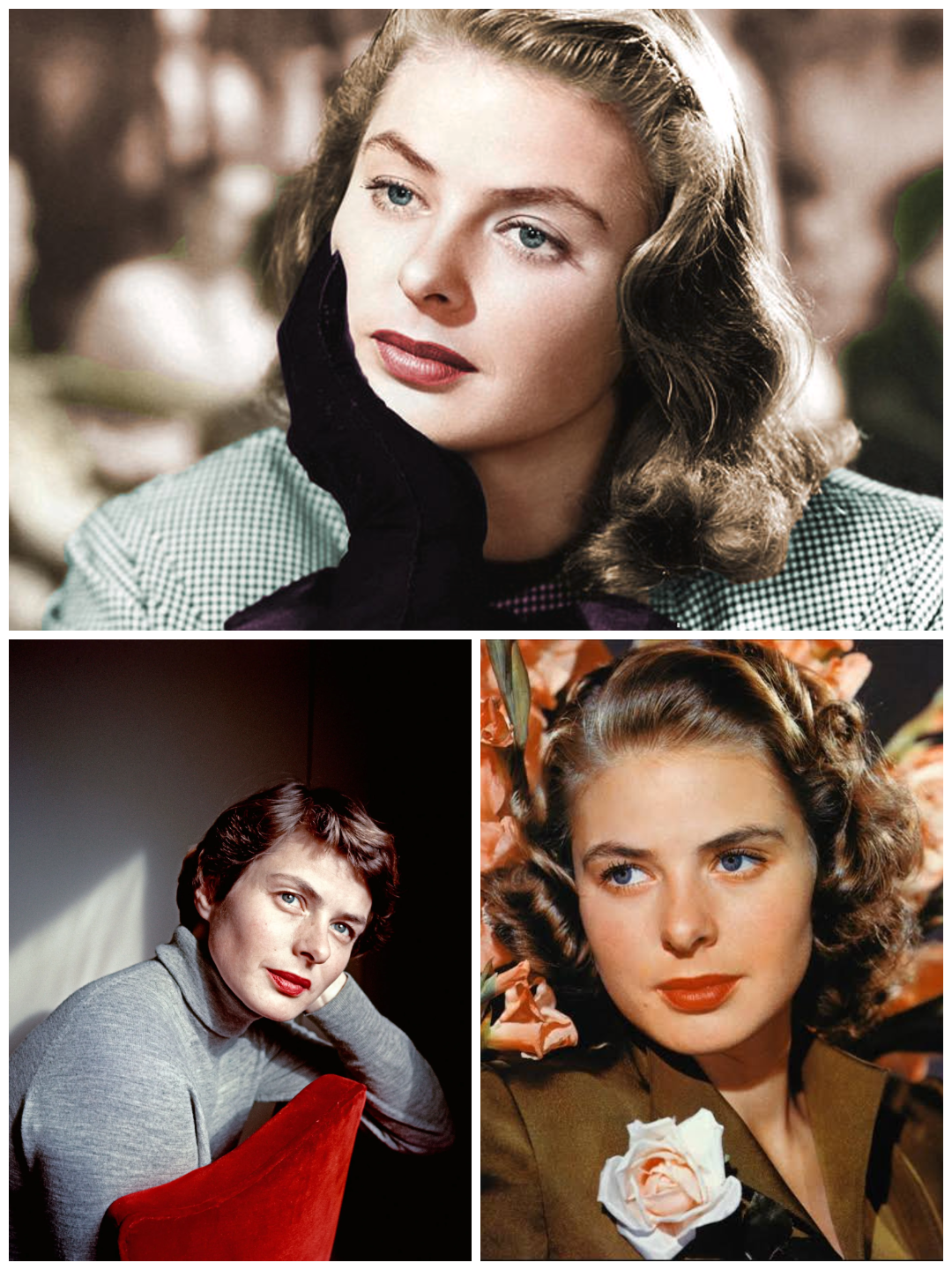
On Aug. 29, 1915, Ingrid Bergman was born in Stockholm, Sweden.
Exactly 67 years later, on Aug. 29, 1982, she died.
Today marks 44 years since the passing of the woman whose face became permanently associated with one of Hollywood’s most beloved films, Casablanca.
The coincidence alone is remarkable: Bergman’s birthday and the final day of her life fell on exactly the same date.
But there was another chapter still unfinished when she died.
Bergman had spent years battling cancer. By the time she accepted what would become her final acting role, her health was deteriorating badly enough that she knew time was becoming increasingly precious.
She nevertheless agreed to portray Israeli Prime Minister Golda Meir in the television film A Woman Called Golda.
Bergman completed the performance.
The film aired.
Then, only months later, she was gone.
Three weeks after her death, her name was announced at the Emmy Awards.
Ingrid Bergman had won again.
By 1982, Bergman Had Nothing Left to Prove
Few actresses entered the final years of their careers with a résumé remotely comparable to Bergman’s.
After establishing herself in Swedish cinema, she came to Hollywood and quickly became one of its biggest stars.
Then came Casablanca.
Released in 1942, the film paired Bergman’s Ilsa Lund with Humphrey Bogart’s Rick Blaine in a wartime romance that would outlive almost everyone involved in making it.
Bergman followed it with acclaimed performances in For Whom the Bell Tolls, Gaslight, The Bells of St. Mary’s, Spellbound and Notorious.
She won the Best Actress Oscar for Gaslight.
Years later, after a highly publicized personal scandal temporarily damaged her standing in America, she made one of Hollywood’s most famous comebacks with Anastasia and won another Best Actress Oscar.
Her third Academy Award came for her supporting performance in Murder on the Orient Express.
By the late 1970s, Bergman was already a legend.
Then illness began taking more from her.
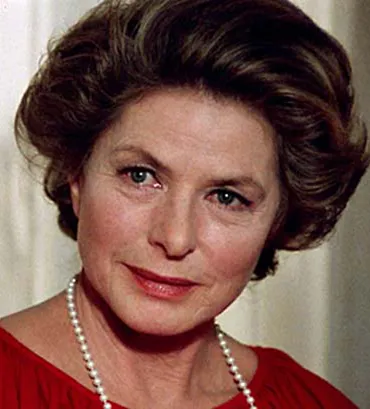
Cancer Had Been Part of Her Life for Years
Bergman discovered breast cancer in the 1970s and underwent major surgery.
The disease did not disappear permanently.
She continued acting while undergoing further treatment, refusing to allow illness to completely dictate what remained of her career.
Her acclaimed 1978 performance in Ingmar Bergman’s Autumn Sonata earned her another Academy Award nomination.
But by the early 1980s, her physical condition was becoming much more serious.
Bergman later spoke openly about accepting cancer rather than pretending it was not happening.
She understood that her time was shrinking.
In an interview published only months before her death, she said every day she continued surviving the disease felt like another victory.
She had even discussed retirement.
Then A Woman Called Golda appeared.
And Bergman changed her mind.
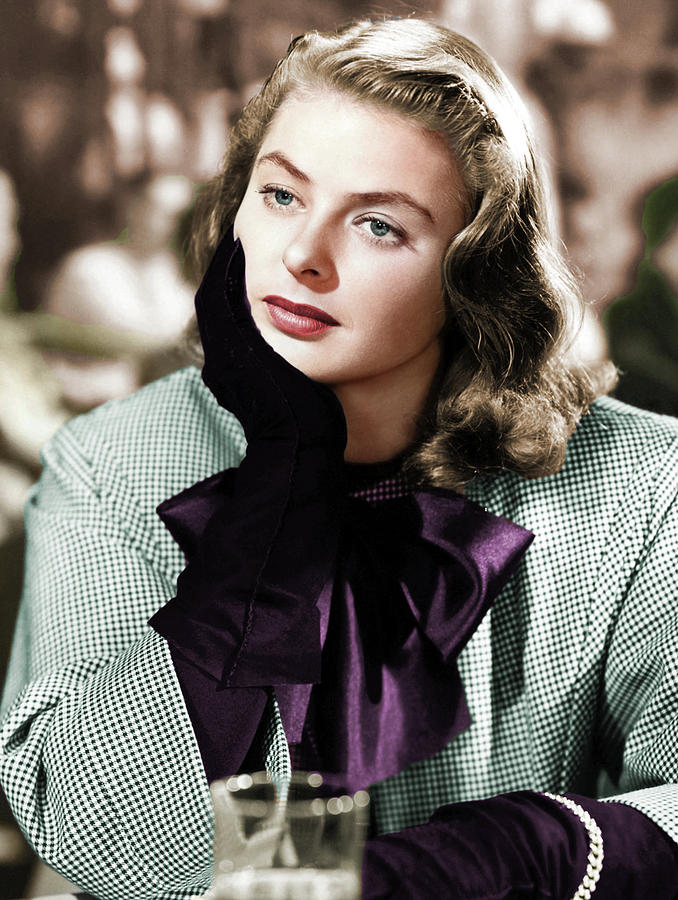
Golda Meir Offered One Last Challenge
The role was unlike the glamorous women many audiences associated with Ingrid Bergman.
Golda Meir had served as prime minister of Israel from 1969 to 1974 and was one of the most recognizable political figures of her era.
Bergman would have to disappear beneath the physical characteristics, voice and mannerisms of a real woman audiences remembered.
She approached the assignment seriously.
Bergman traveled in Israel, studied news footage and learned from people who had known Meir.
Her voice changed.
Her posture changed.
Her appearance changed.
The polished international movie star of Casablanca was largely buried beneath Golda’s heavy features, wigs, cigarettes and distinctive manner of speaking.
It was the kind of demanding character performance an actress might hesitate to attempt even in perfect health.
Bergman was doing it while seriously ill.
Her cancer had weakened her considerably.
Yet she completed the production.
People Around Her Could See How Sick She Was
There was no illusion among those close to the film that Bergman was simply another healthy actress completing another job.
By the time A Woman Called Golda was made, cancer had already taken a significant physical toll.
The production filmed on location in Israel, requiring Bergman to summon the energy necessary not merely to perform but to carry a major historical drama.
Leonard Nimoy, best known as Spock from Star Trek, played Golda’s husband Morris Meyerson.
Decades later, his work with Bergman remained memorable partly because everyone understood they were watching a great actress near the end of her life.
Yet when cameras rolled, the illness did not become the performance.
Golda did.
That distinction would become especially important once the film reached audiences.
Critics Saw a Transformation, Not a Farewell
A Woman Called Golda aired in the spring of 1982.
Bergman was still alive when audiences first saw it.
Reviews emphasized her transformation into Meir rather than treating the production simply as the final appearance of an aging star.
The role gave her an opportunity to use nearly everything she had learned during decades of acting.
She did not try to make Golda glamorous.
Instead, she embraced the character’s age, physicality and forcefulness.
It became the final completed acting performance of her career.
Bergman would not live long enough to see what the Television Academy decided about it.
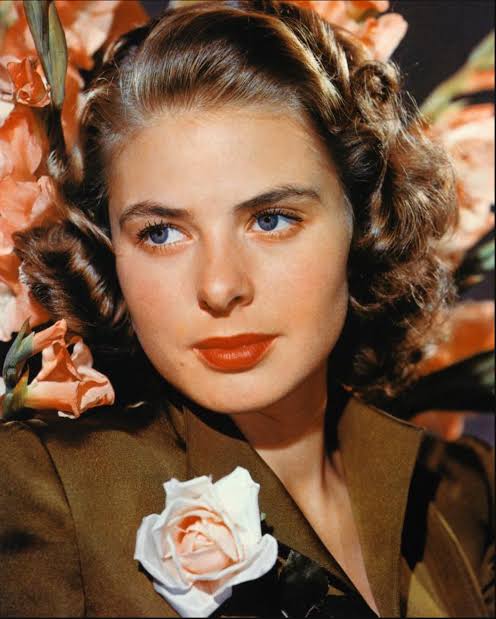
Aug. 29 Had Always Been Her Day
Bergman turned 67 on Aug. 29, 1982.
That same day, cancer ended the fight she had been waging for years.
She died in London.
The symmetry immediately became part of the way people remembered her passing.
Born Aug. 29.
Died Aug. 29.
Exactly 67 years separated the two events.
For an actress whose life had contained extraordinary reversals — international fame, scandal, exile from Hollywood, triumphant return and multiple generations of success — even the date of her death seemed strangely cinematic.
But her career had not quite finished speaking.
The Emmy votes had already been cast.
Three Weeks Later, Her Name Was Called
At the 34th Primetime Emmy Awards in September 1982, the nominees for Outstanding Lead Actress in a Limited Series or Special included some formidable competition.
Then the winner was announced.
Ingrid Bergman.
A Woman Called Golda.
It was a posthumous victory.
The Television Academy records the award as Bergman’s second Emmy, and A Woman Called Golda itself had a remarkable night, also winning Outstanding Drama Special and an award for film editing.
For Bergman, however, there could be no acceptance speech.
The actress who had spent her final months creating Golda Meir had died only weeks earlier.
Her daughter Pia Lindström accepted the honor in her place.
The timing gave the award an emotional weight that no one involved in the production could have planned.
Bergman had not made the film as an elaborate farewell.
She had taken another difficult role because she was still an actress and still wanted to work.
Only afterward did it become her final performance.
Only afterward did it become an Emmy-winning farewell.
Her Final Victory Looked Very Different From ‘Casablanca’
Bergman’s most famous image will probably always remain Ilsa in Casablanca.
Young.
Elegant.
Caught between Rick and Victor Laszlo while the world collapses into war around them.
But A Woman Called Golda offers a very different final image of her career.
This was no romantic Hollywood heroine.
This was an older woman transformed into another older woman, carrying political responsibility, conflict, loss and history.
Bergman did not finish her career by trying to recreate the beauty that had first made Hollywood fall in love with her.
She finished it by disappearing into a character.
And she did so while her own body was failing.
That may be why the final Emmy feels so appropriate.
Forty-four years ago today, Ingrid Bergman reached her 67th birthday.
It also became the final day of her life.
But Hollywood was not quite finished with her.
Weeks later, after Bergman was already gone, one final performance produced one final victory — an Emmy for the role she had fought through illness to complete.