The 10 Best Denzel Washington Movies, Ranked — From Training Day’s Corrupt Cop to the Performance Many Still Consider His Greatest
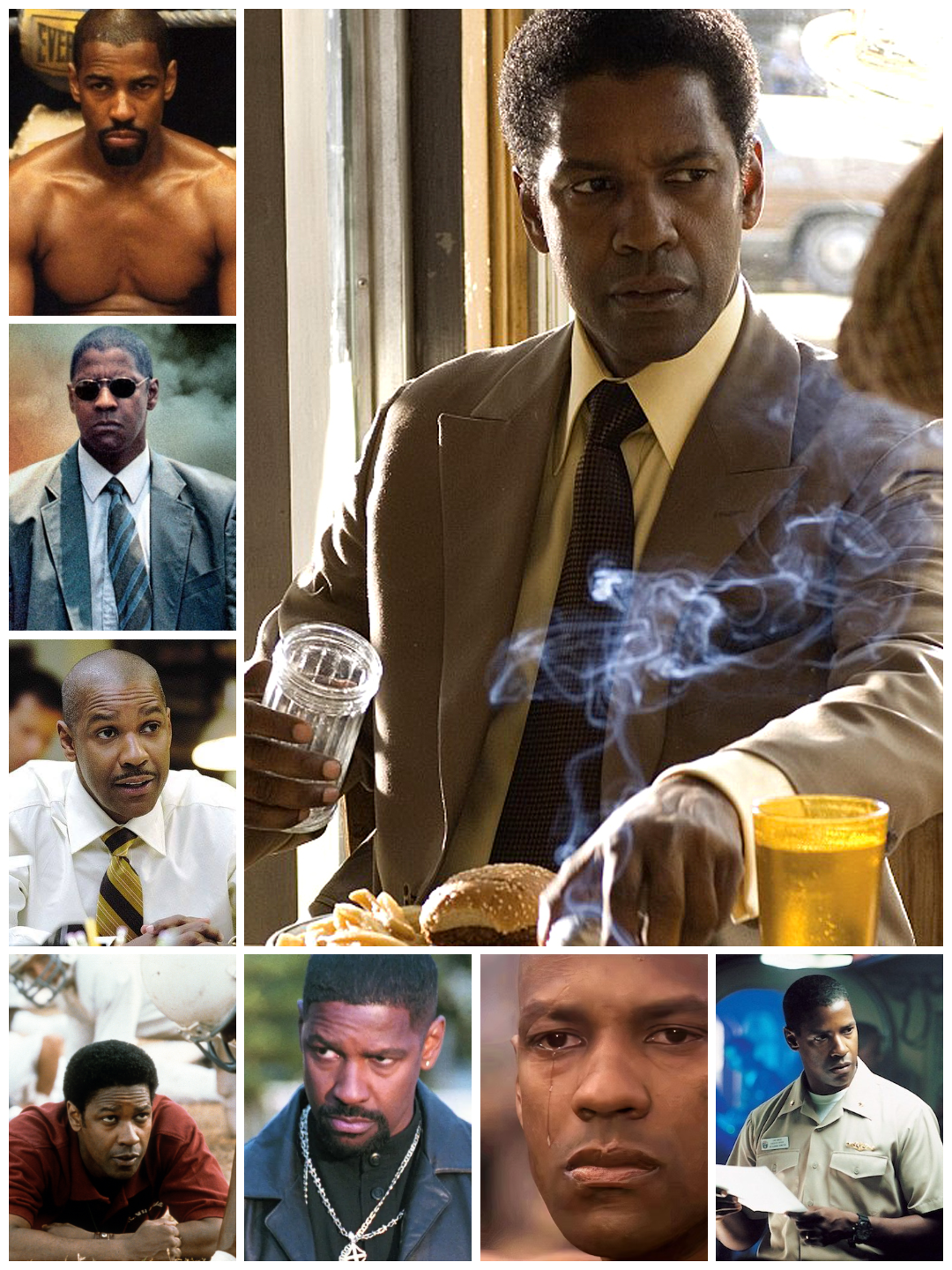
Denzel Washington has spent more than four decades building one of the most formidable careers in American movies.
He can command a submarine thriller without raising his voice, turn a football coach into an inspirational icon, make an aging bodyguard terrifying, and transform a corrupt detective into one of the most magnetic villains of the 21st century.
Yet Washington’s greatest strength has never been limited to one genre.
His career stretches from historical epics and intimate family dramas to crime thrillers, action movies and biographical performances. The Academy has awarded him two acting Oscars—for Glory and Training Day—while also nominating him for performances including Malcolm X, The Hurricane, Fences and Flight.
Taking into account overall film quality, Washington’s performance, cultural impact and lasting rewatch value, these are his 10 greatest movies.
10. Crimson Tide (1995)
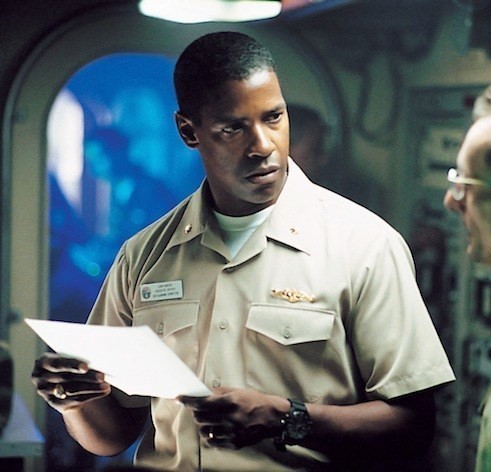
Few actors could stand opposite Gene Hackman in a confined submarine and make a battle over military authority feel this explosive.
Washington plays Lieutenant Commander Ron Hunter, executive officer aboard a U.S. nuclear submarine commanded by Hackman’s Captain Frank Ramsey. When incomplete orders create uncertainty over whether the crew should launch nuclear missiles, the two men find themselves on opposite sides of an increasingly dangerous confrontation.
The brilliance of Crimson Tide is that neither man can simply overpower the other.
Washington’s controlled intensity clashes perfectly with Hackman’s aggressive certainty.
It also marked the beginning of Washington’s productive collaboration with director Tony Scott, a partnership that would later produce Man on Fire, Déjà Vu, The Taking of Pelham 123 and Unstoppable.
9. Inside Man (2006)
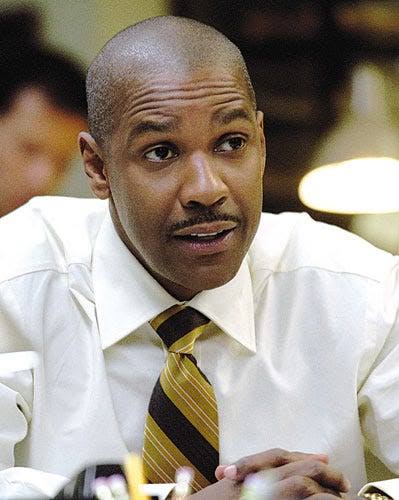
Spike Lee and Denzel Washington had already created important films together before Inside Man, but this sleek bank-heist thriller showed how entertaining their partnership could be without carrying the weight of a historical epic.
Washington plays Detective Keith Frazier, a New York hostage negotiator facing an unusually calculated bank robber played by Clive Owen.
The apparent robbery gradually becomes something far more complicated.
Washington gives Frazier humor, confidence and irritation without turning him into an invincible detective. His verbal exchanges with Owen and Jodie Foster are as important as the mechanics of the heist.
The result is one of the most purely entertaining films of Washington’s career.
8. Remember the Titans (2000)
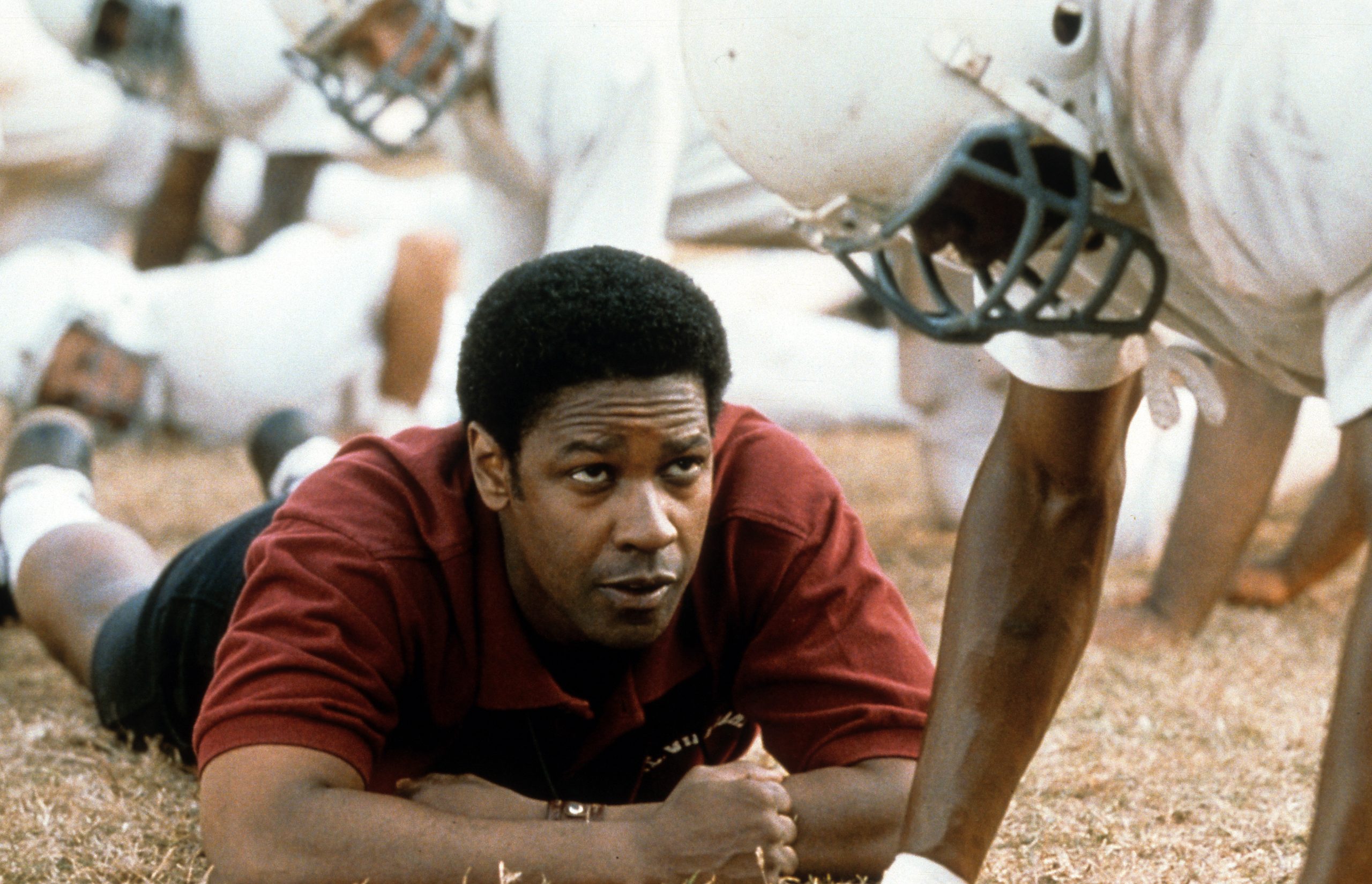
For an entire generation, Denzel Washington’s Coach Herman Boone became the image of leadership under pressure.
Set in 1971 Virginia, Remember the Titans follows the integration of a high-school football program and the difficult relationship between Boone and coach Bill Yoast, played by Will Patton. Disney describes Boone as the tough new coach tasked with bringing a divided group of young players together.
Washington could have played Boone as a conventional inspirational mentor.
Instead, he makes him demanding, proud and sometimes difficult.
That edge gives the film more force because the players are not following a flawless man. They are learning to function together under someone willing to demand change before everyone is comfortable with it.
Even viewers who have never cared about football often remember the speeches.
7. Man on Fire (2004)
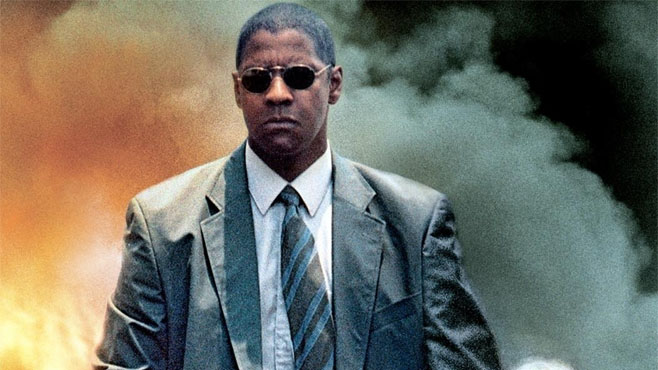
John Creasy begins Man on Fire as a man who has almost stopped caring whether he lives.
Then he meets Pita Ramos.
Washington plays the burned-out former CIA operative hired to protect the 9-year-old girl, portrayed by Dakota Fanning, in Mexico City. Their initially distant relationship gradually becomes affectionate, giving Creasy a reason to reconnect with life.
When Pita is kidnapped, the movie transforms.
20th Century Studios describes Creasy as a former operative who rediscovers purpose through Pita before unleashing vengeance against those responsible for taking her.
Washington makes the revenge work because the audience has first watched him become human again.
The violence is memorable.
The relationship with Fanning is what gives it meaning.
6. American Gangster (2007)
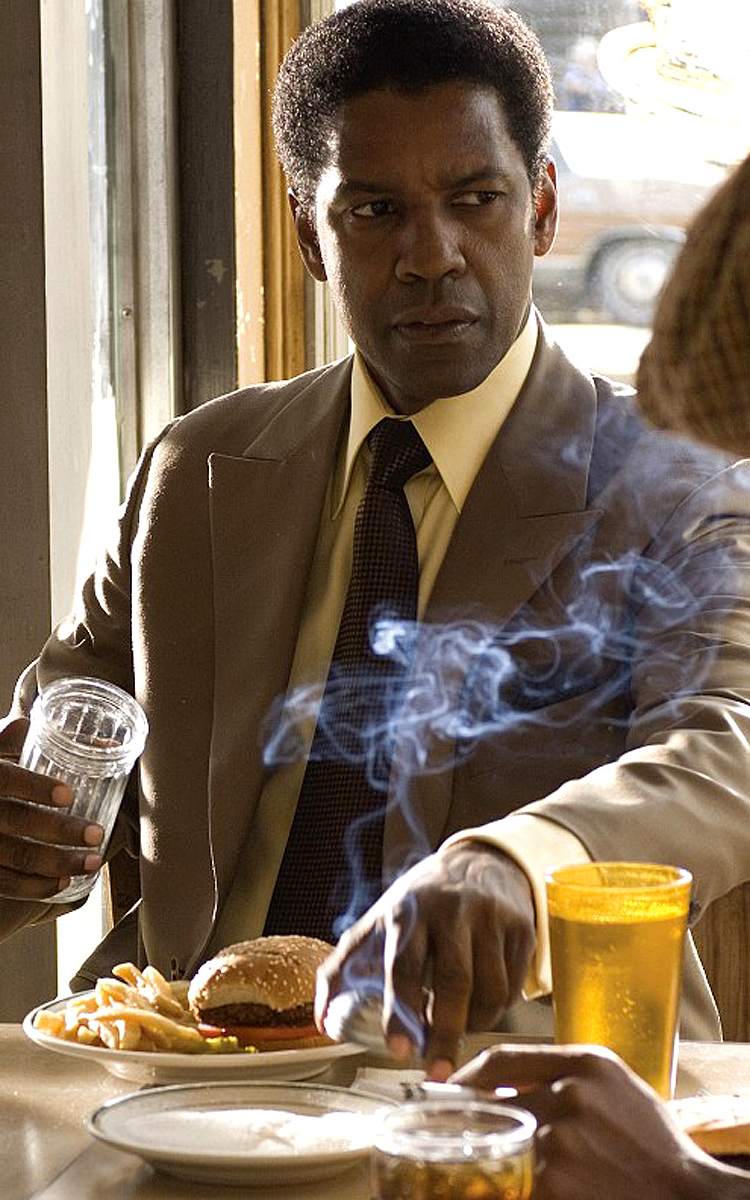
Ridley Scott’s American Gangster places Washington opposite Russell Crowe in a crime epic inspired by the rise of Harlem drug trafficker Frank Lucas.
Washington’s Lucas is fascinating because he does not behave like someone desperate to appear powerful.
He is organized.
Patient.
Businesslike.
That calmness makes him more intimidating.
The movie operates on two parallel tracks, following Lucas as he builds a criminal empire while Crowe’s detective Richie Roberts works to dismantle it.
Washington refuses to turn Lucas into either a cartoon gangster or a romantic antihero. His charisma remains visible, but so does the damage created by the world he builds.
It remains one of his strongest crime performances.
5. The Hurricane (1999)
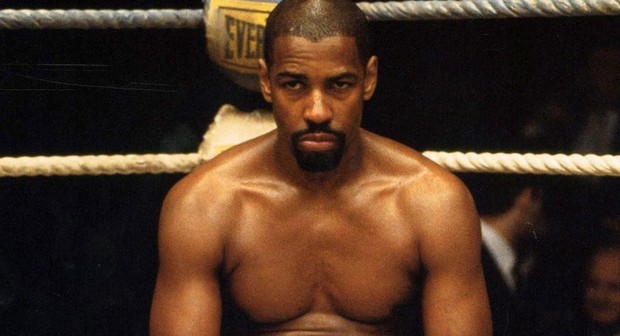
Washington earned an Academy Award nomination for portraying boxer Rubin “Hurricane” Carter, who spent years in prison following a murder conviction before eventually being released after a federal judge overturned it. The Academy lists The Hurricane among Washington’s Best Actor nominations.
The role demands several transformations.
Washington must be convincing as a fighter, prisoner, angry young man and older figure increasingly forced to decide whether hope is worth the pain of disappointment.
The boxing scenes matter less than the emotional imprisonment.
Washington captures the exhaustion of someone who has spent years insisting on his innocence while watching time disappear around him.
It is a physically impressive performance, but the quiet scenes leave the deeper mark.
4. Fences (2016)
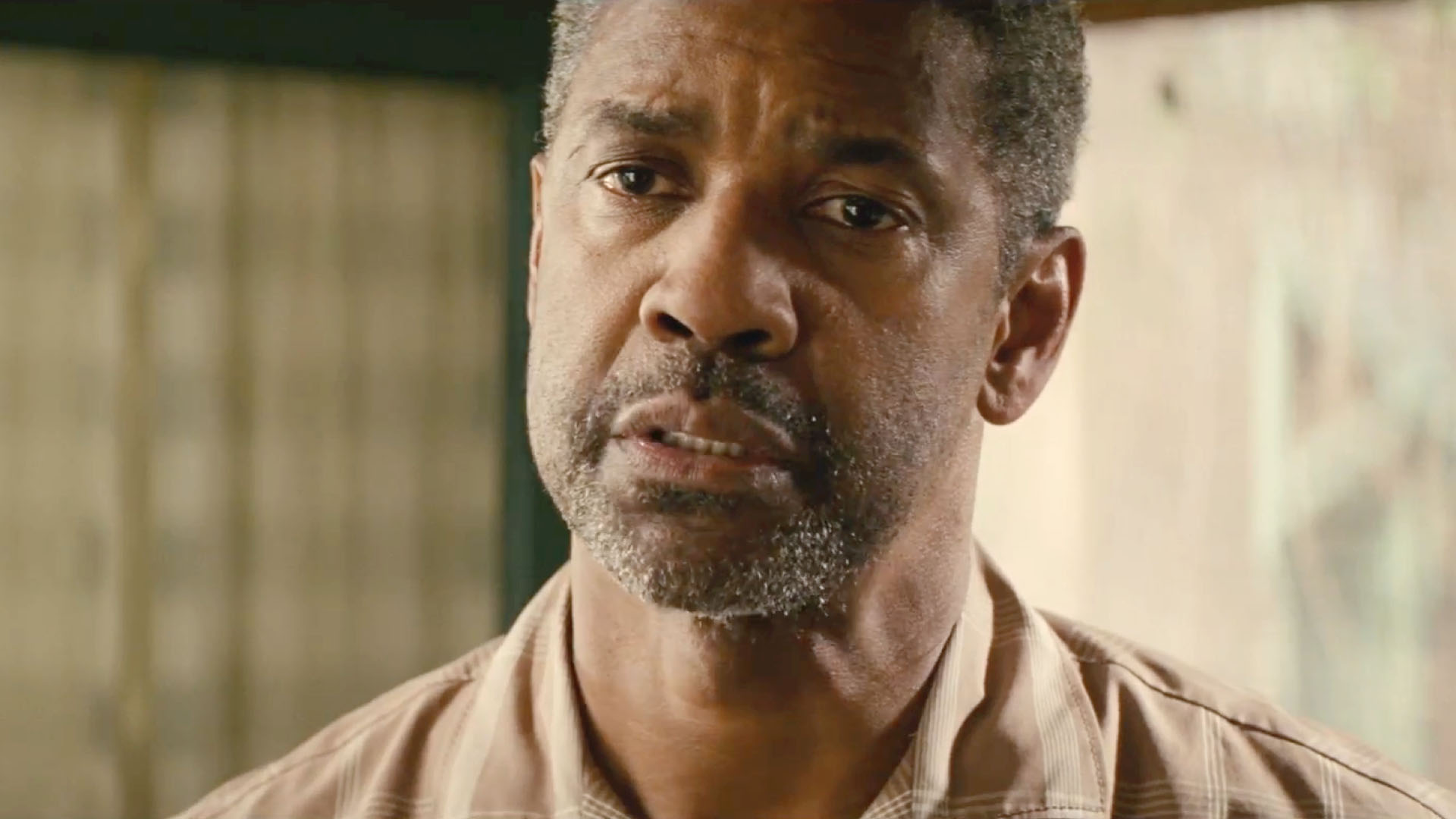
In Fences, Washington plays Troy Maxson, a former Negro League baseball player living with his family in 1950s Pittsburgh.
He also directed the movie.
Adapted from August Wilson’s Pulitzer Prize-winning play, the film centers on Troy’s relationships with his wife Rose, played by Viola Davis, and the family members forced to live with his pride, resentment and contradictions. Paramount describes him as a man struggling to provide for the people he loves while confronting the limitations surrounding his life.
Washington does not ask the audience to excuse Troy.
That is what makes the performance so strong.
Troy can be funny and charismatic, then selfish and devastating minutes later.
Washington earned another Best Actor Oscar nomination, while Davis won Best Supporting Actress.
3. Glory (1989)
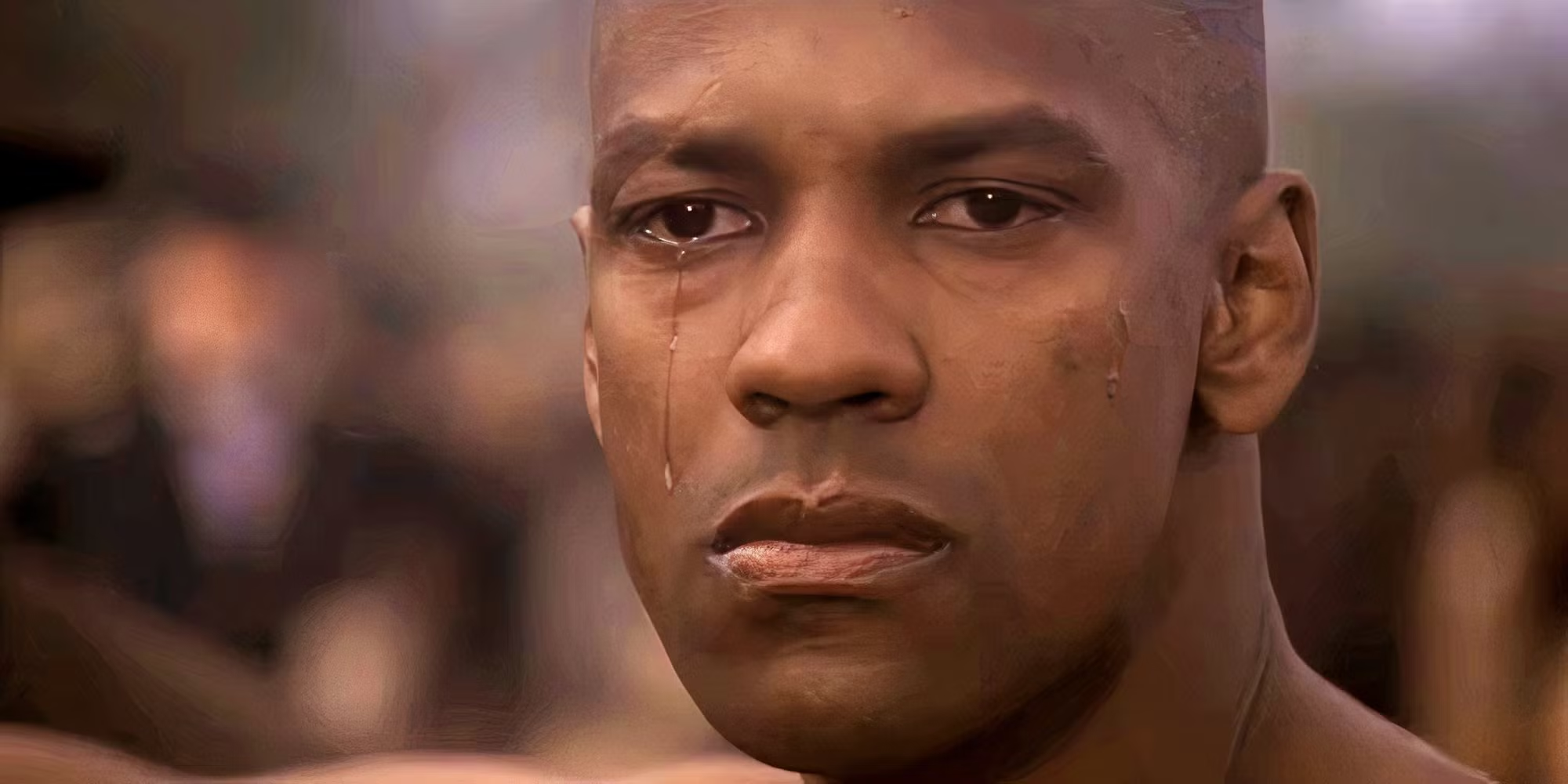
Glory gave Washington his first Academy Award.
He plays Private Silas Trip, a formerly enslaved soldier serving in the 54th Massachusetts Infantry Regiment during the American Civil War.
The role is supporting in terms of screen time, but Washington’s presence is enormous.
Trip is angry for good reason. He understands that wearing a Union uniform does not suddenly erase racism, inequality or everything slavery has taken from him.
One of Washington’s most famous early moments comes when Trip is punished while refusing to surrender his dignity.
The Academy awarded Washington Best Supporting Actor for the performance.
It was the first Oscar of his career—and an early indication of how much emotional weight he could create with relatively limited screen time.
2. Training Day (2001)
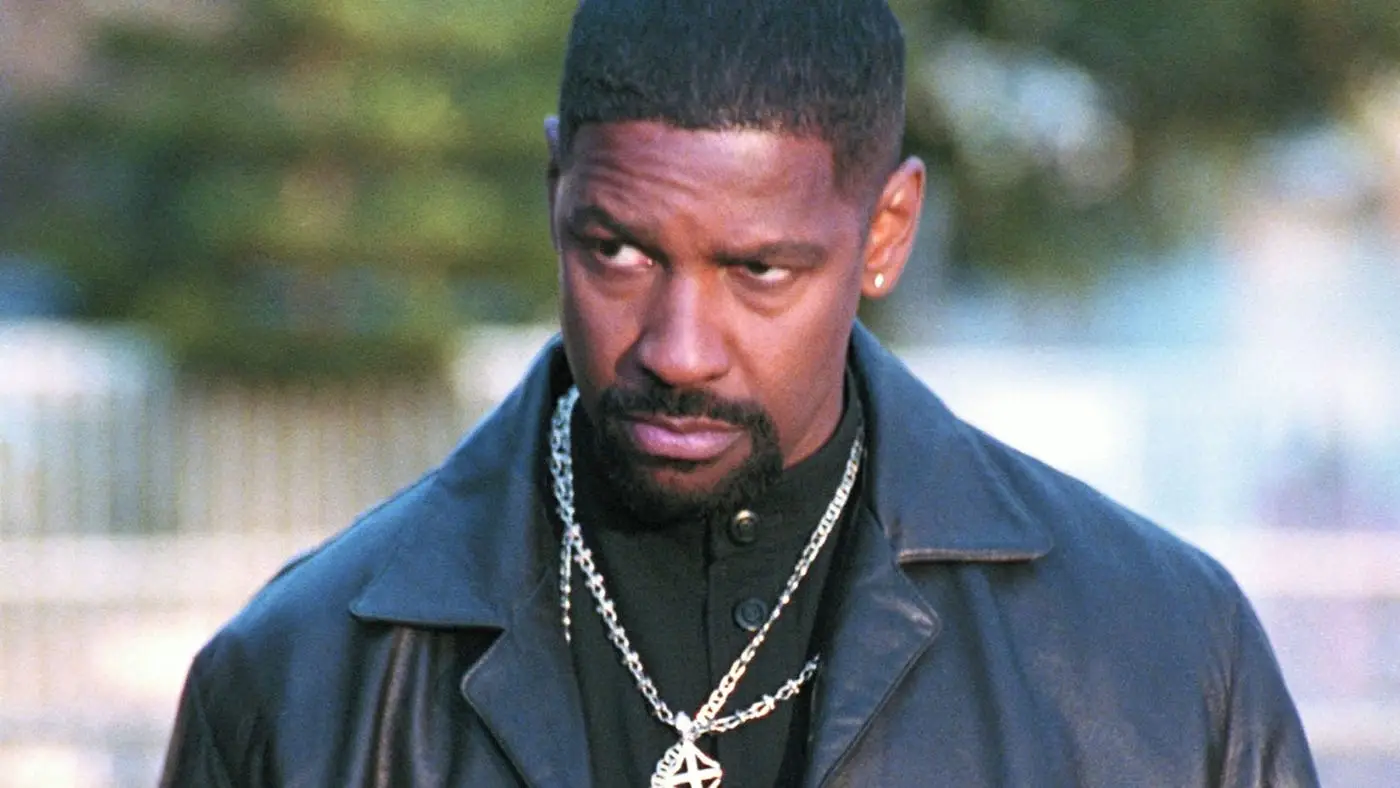
Alonzo Harris is unlike almost every hero Washington had built his reputation playing.
He is charming, funny, frightening and profoundly corrupt.
In Antoine Fuqua’s Training Day, rookie officer Jake Hoyt, played by Ethan Hawke, spends a day with veteran Los Angeles narcotics detective Alonzo and gradually realizes his mentor operates according to rules almost entirely of his own making.
Warner Bros. describes Washington’s work as his Academy Award-winning performance in the gritty drama.
Washington understands that Alonzo would be less dangerous if he behaved like an obvious villain.
Instead, he makes him seductive.
For much of the film, viewers understand why people follow him even when they know something is wrong.
The performance won Washington the Oscar for Best Actor.
For many actors, it would be the unquestioned No. 1.
Denzel Washington has another performance that goes even further.
1. Malcolm X (1992)
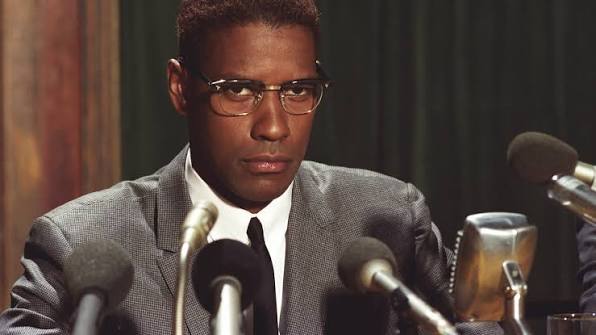
Washington does not simply play Malcolm X in Spike Lee’s 1992 epic.
He seems to age, transform and rethink the world in front of the audience.
The film follows Malcolm from his younger years through crime, imprisonment, conversion to Islam, rise within the Nation of Islam, pilgrimage to Mecca and final evolution before his assassination.
Criterion describes the film as being built around Washington’s extraordinary central performance and traces the many transformations in Malcolm’s life.
That scope is what makes the acting achievement so remarkable.
The Malcolm at the beginning does not move, speak or think exactly like the man near the end.
Washington changes the rhythm of his speech, his physical confidence and even the emotional energy behind his eyes as Malcolm’s worldview develops.
The performance earned an Academy Award nomination for Best Actor.
He did not win.
Three decades later, that fact has done little to diminish the role’s reputation.
Training Day gave Washington his most famous Oscar victory. Glory announced him as a major dramatic force. Fences showed how commanding he remained decades into his career, while Man on Fire helped make him an enduring action star.
But Malcolm X asks him to contain almost an entire lifetime inside one performance.
He succeeds.
And that is why, in a career filled with unforgettable men, Malcolm remains the role that best shows the full power of Denzel Washington.