Bryan Kohberger Admitted to Killing Four Idaho Students—but the Question of Why Remains Unanswered
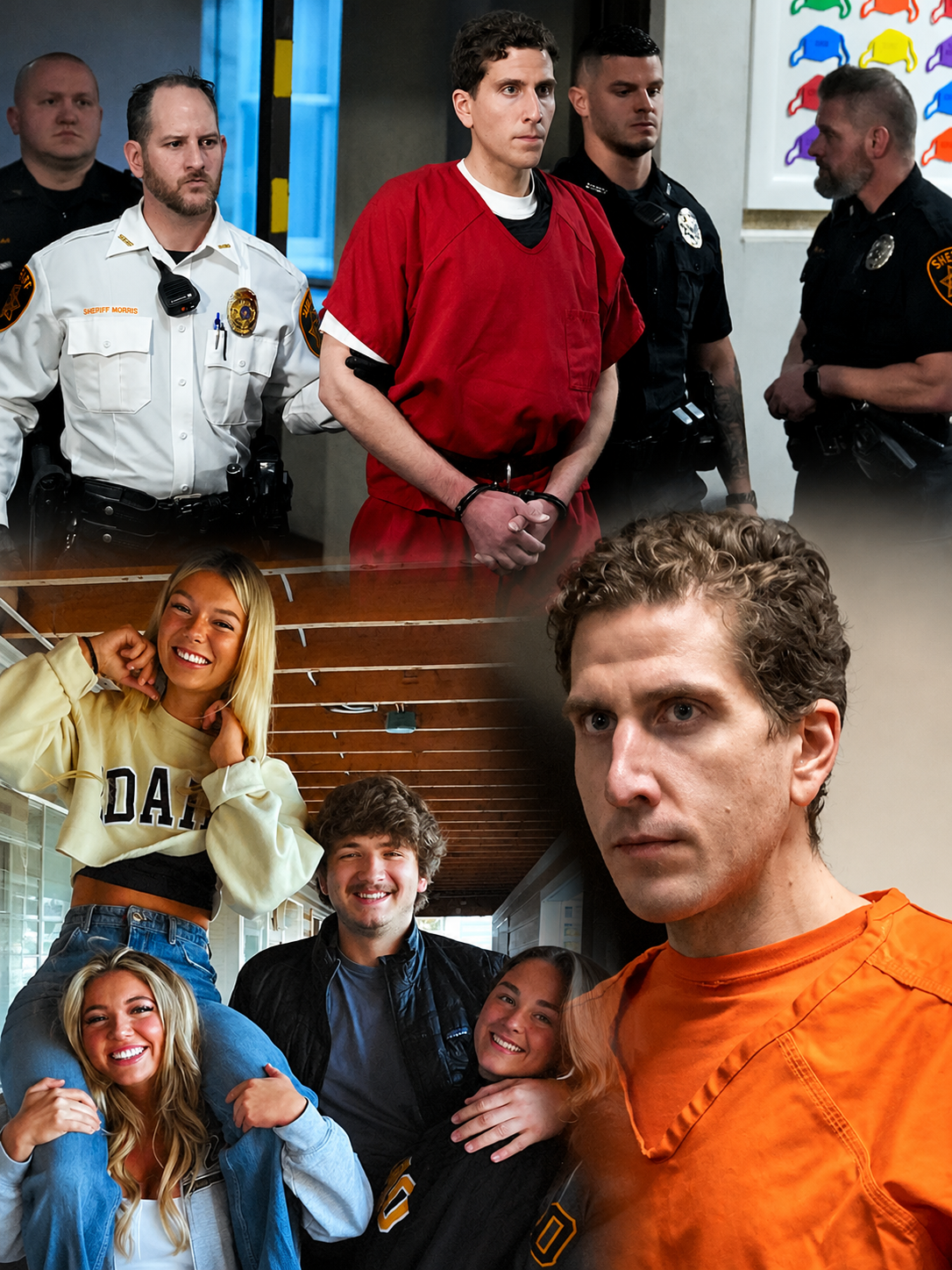
Bryan Kohberger has admitted responsibility for one of the most closely followed murder cases in recent years. He has been sentenced to spend the rest of his life behind bars. Yet one crucial piece of the story remains missing: why he did it.
The killings of University of Idaho students Kaylee Goncalves, Madison Mogen, Xana Kernodle and Ethan Chapin stunned the college community of Moscow, Idaho, in November 2022. Nearly four years later, Kohberger still has not publicly explained what drove him to enter an off-campus home and kill the four students.
His decision to accept a plea agreement prevented a trial where prosecutors might have presented evidence offering more insight into his thinking. Instead, the unanswered question has fueled competing theories from investigators, attorneys, forensic experts and relatives of the victims.
Now, as Kohberger attempts to undo his guilty plea from prison, the possibility of renewed legal proceedings has once again raised a question that has followed the case from the beginning.
Could the motive ever finally emerge?
Four Students Killed in a College Town
The murders occurred on Nov. 13, 2022.
At the time, Kohberger was a Ph.D. student at Washington State University, located near the University of Idaho campus.
He drove to an off-campus residence in Moscow where five female students lived. Inside, he fatally stabbed roommates Kaylee Goncalves, Madison Mogen and Xana Kernodle, along with Kernodle’s boyfriend, Ethan Chapin.
The investigation stretched for more than a month before authorities arrested Kohberger in Pennsylvania after connecting him to the case through DNA evidence.
He was charged with four counts of first-degree murder and initially maintained his innocence.
That appeared to set the stage for a major criminal trial in August 2025, where prosecutors and defense attorneys would publicly confront the evidence collected during the investigation.
Then the case changed dramatically.
Shortly before trial, Kohberger agreed to plead guilty.
The agreement spared him from the death penalty, but it also eliminated the trial itself—and with it, one of the most likely opportunities for prosecutors to publicly explore what may have motivated the murders.
Prosecutors Found No Clear Connection
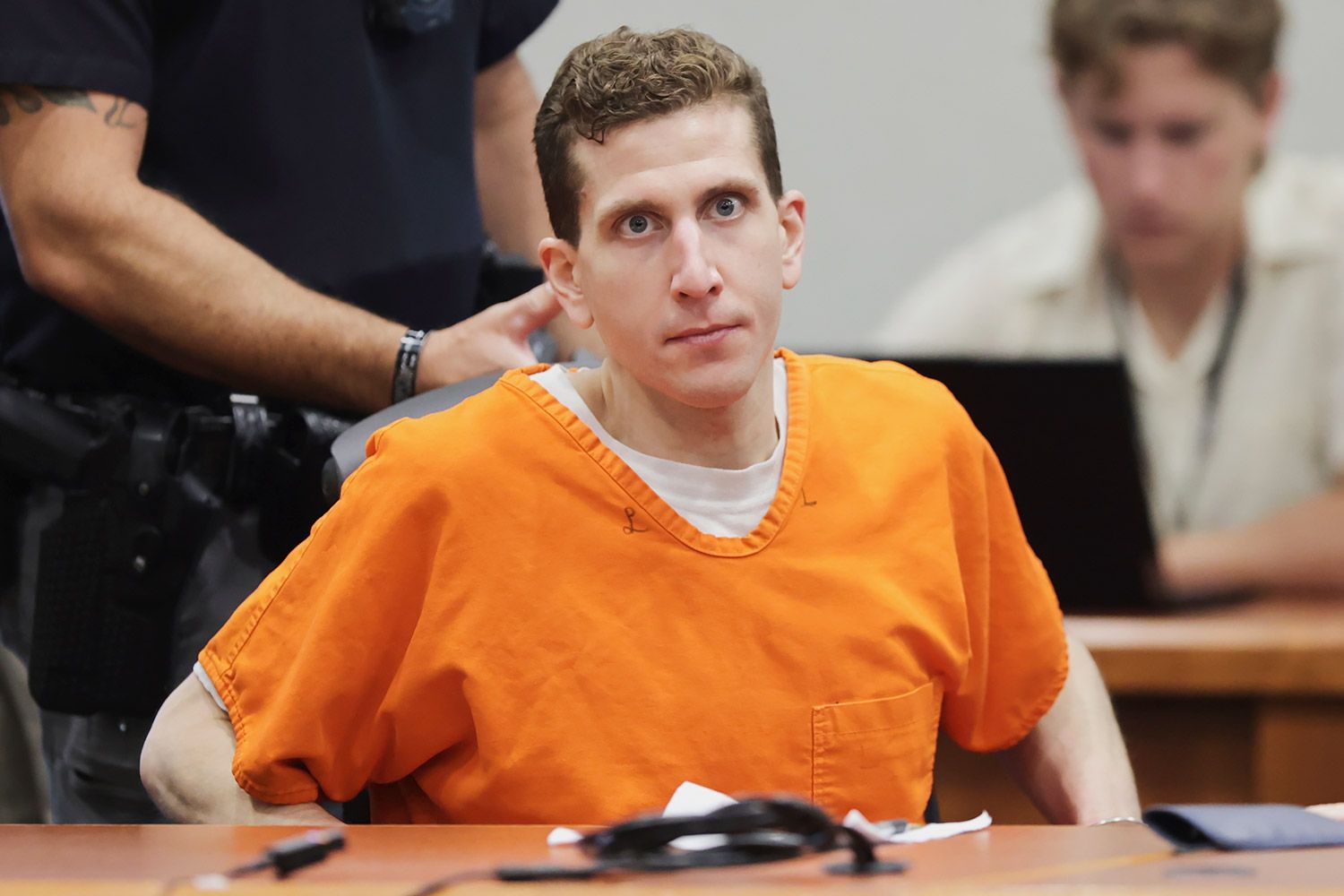
One of the biggest obstacles to understanding Kohberger’s motive has been the apparent absence of a confirmed relationship between him and the victims.
During the proceedings surrounding Kohberger’s plea, Latah County Prosecutor Bill Thompson discussed evidence investigators had gathered.
Among it was cellular data indicating that Kohberger’s phone had connected to a tower serving the area around the students’ home multiple times during the months before the killings.
That information suggested he had been in the general area.
But prosecutors could not establish direct contact between Kohberger and the house or its occupants.
“We do not have evidence that he had direct contact with [the home],” Thompson said, while explaining that investigators could nevertheless place his phone in the surrounding area.
The murder weapon was also never recovered.
Those gaps left investigators with evidence of Kohberger’s movements and his responsibility for the killings, but without a clear explanation for why these four young people became his victims.
Prosecutor Rejected a Sexual-Assault Theory
Another major question emerged around whether the killings had a sexual component.
At Kohberger’s plea hearing in early July 2025, Thompson specifically attempted to shut down that speculation.
The prosecutor said there was no evidence of sexual assault or a sexual component involving any of the four victims.
But Kaylee Goncalves’ father, Steve Goncalves, publicly challenged that assessment days later.
Steve said people connected to the investigation contacted his family after becoming frustrated by what they heard in court. According to him, those individuals shared information about material allegedly found on Kohberger’s phone and searches they believed pointed toward a sexual motivation.
Steve further alleged that someone connected with the investigation told him about disturbing pornography interests supposedly associated with Kohberger, including content involving intoxicated or unconscious women and women being gagged.
His interpretation differed sharply from Thompson’s public statement.
Steve argued that certain circumstances at the crime scene were consistent with information he said had been shared with his family. He also suggested that the absence of an actual sexual assault did not necessarily settle the question of motivation.
Still, Kohberger himself has offered no explanation supporting that theory—or any other.
An Expert Sees Possible Clues in the Injuries
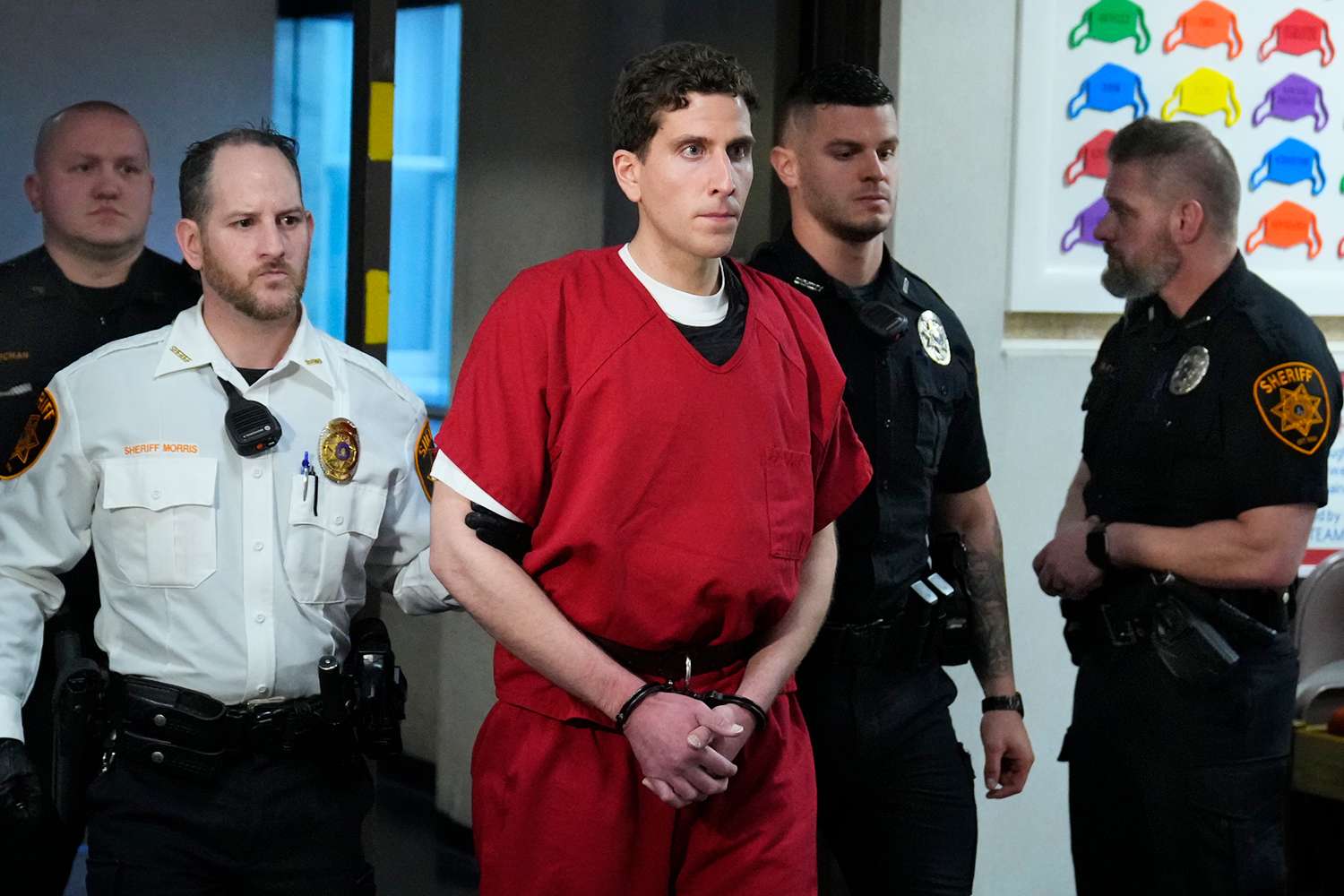
Forensic pathologist Dr. Mary Jumbelic, a former chief medical examiner of Onondaga County, has pointed toward another aspect of the case: differences in how the victims were attacked.
Jumbelic said the injuries suffered by the three women showed what she characterized as a pattern of “overkill.”
In forensic terminology, overkill refers to injuries that go beyond the amount of force required to cause death.
According to Jumbelic, that kind of pattern can sometimes suggest powerful emotional rage and a desire by an attacker to dominate a victim.
The distinction between the injuries inflicted on the three women and those suffered by Chapin led her to believe that Kohberger’s motive could be connected to the women.
But without an explanation from Kohberger, such interpretations remain expert theories rather than a definitive answer.
His Digital Silence Raised Different Questions
Investigators who examined Kohberger’s electronic devices encountered another unusual element.
Members of the technology forensic evidence team who analyzed his phone and computer later described finding a notable lack of contacts, searches and applications that might have revealed more about his activities.
Rather than viewing that absence as meaningless, they believed it suggested Kohberger was cautious.
Their interpretation was that he may have deliberately taken steps to avoid leaving behind digital evidence that could connect him to his actions.
If that assessment is correct, the same precautions that may have been intended to prevent investigators from identifying him could also have made uncovering his motive more difficult.
Given a Chance to Speak, Kohberger Said Almost Nothing
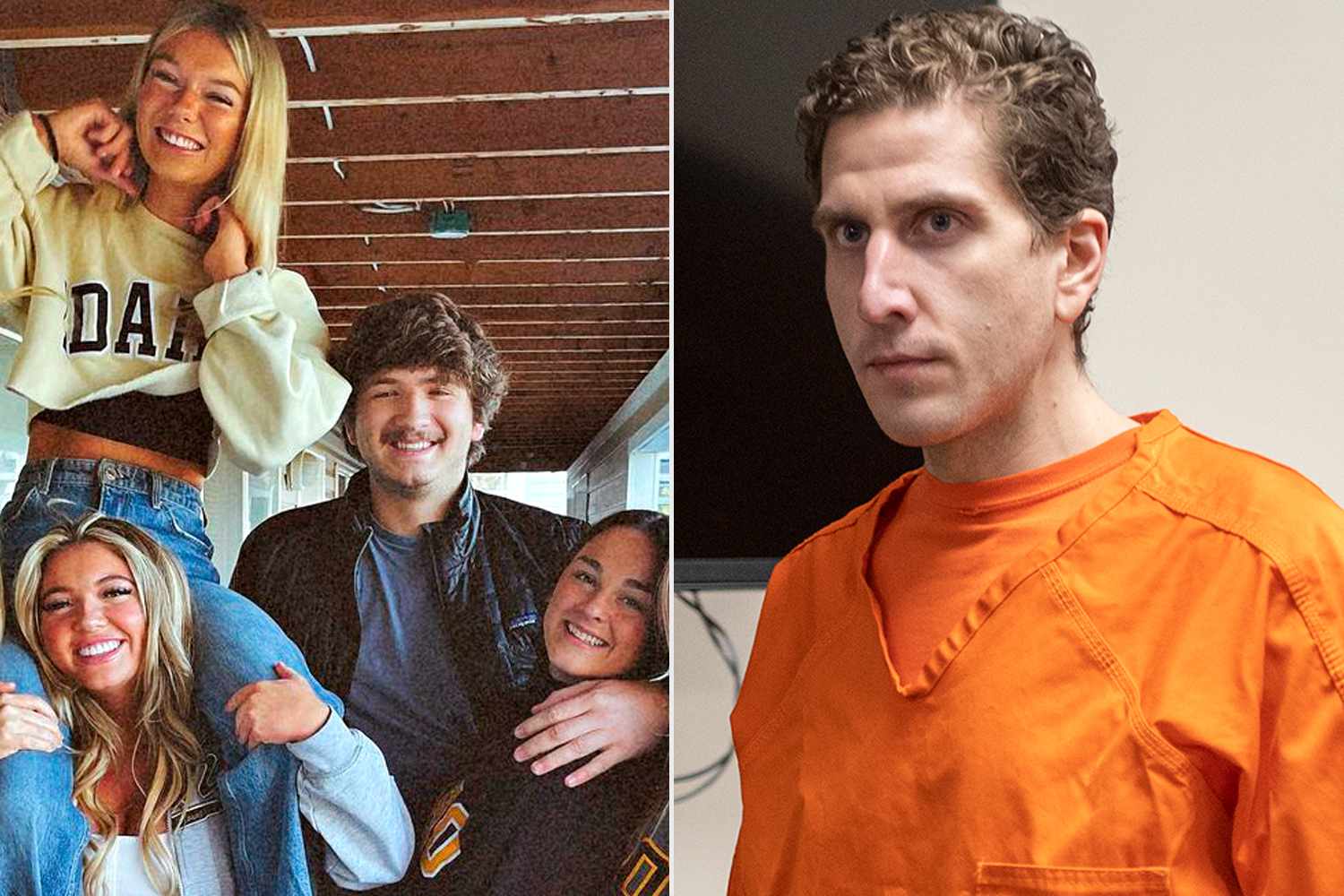
Kohberger eventually had an opportunity to address the courtroom directly before receiving his sentence.
For families desperate for answers, it could have been the moment when he explained himself, apologized or offered some indication of what had been going through his mind.
He chose not to.
When the judge gave him a final opportunity to speak, Kohberger responded with only three words:
“I respectfully decline.”
He then left the courtroom without acknowledging his mother and sister.
On July 23, 2025, Kohberger received four consecutive life sentences for the murders. He was also sentenced to an additional 10 years for burglary and ordered to pay $270,000 in fines and civil penalties.
For the victims’ families, the punishment brought a legal conclusion without providing an explanation.
Now Kohberger Wants to Undo His Guilty Plea
One year later, the case took another unexpected turn.
Kohberger filed a petition seeking to reverse his plea agreement and obtain a trial.
From Idaho Maximum Security Institution, where he is serving his sentences, Kohberger claimed he had been convinced to falsely confess through coercion, misinformation, false promises and the withholding of evidence he considered favorable to his defense.
Among his claims was an allegation involving an unidentified hair reportedly found in Ethan Chapin’s hands.
Kohberger argued that his attorneys failed to tell him about that evidence before he pleaded guilty.
Whether the petition will succeed is another matter.
Former federal prosecutor Neama Rahmani said he expects the request to be denied. Rahmani reasoned that if Kohberger’s defense lawyers had known prosecutors failed to disclose genuinely exculpatory evidence, they would have had powerful reasons to challenge it before the plea agreement.
A successful attempt to reopen the case could potentially lead to a trial, however, and a trial could expose evidence that was never fully presented in open court.
That possibility has given the unresolved motive question renewed significance.
The One Answer Only Kohberger May Have
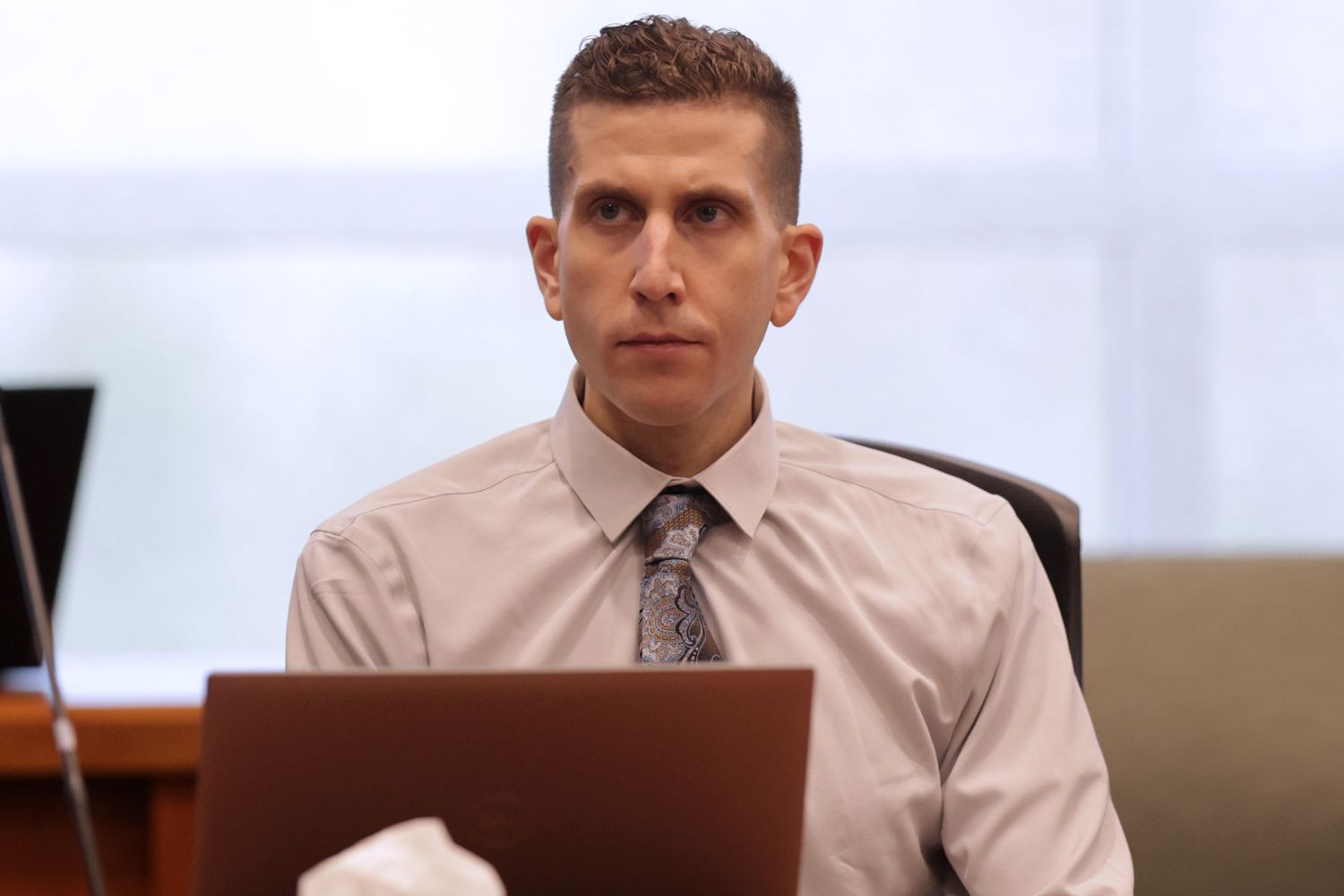
Investigators know when the murders happened. They know where they occurred. Kohberger ultimately admitted that he killed all four students.
But knowing who committed a crime does not automatically explain why it happened.
Despite years of investigation, prosecutors said they could not establish a specific connection between Kohberger and his victims. Experts have examined the injuries. Digital investigators have studied his devices. Relatives have shared information they say was provided by people familiar with the investigation.
None of it has produced a definitive motive.
Idaho State Police Lt. Darren Gilbertson summarized the problem after Kohberger’s plea: the person who possesses the answer is Kohberger himself, and whatever explanation exists may make sense only to him.
For the families of Kaylee Goncalves, Madison Mogen, Xana Kernodle and Ethan Chapin, the criminal case produced guilty pleas and four life sentences.
What it did not produce was the answer to perhaps the most haunting question left behind by the murders.
Why these students?
Unless Kohberger eventually chooses to explain his actions—or future legal proceedings uncover evidence capable of answering for him—that question may remain one of the enduring mysteries of the case.