The 10 Best Racing Movies Ever Made — From Steve McQueen’s Le Mans to the Modern Blockbusters That Put You Inside the Cockpit
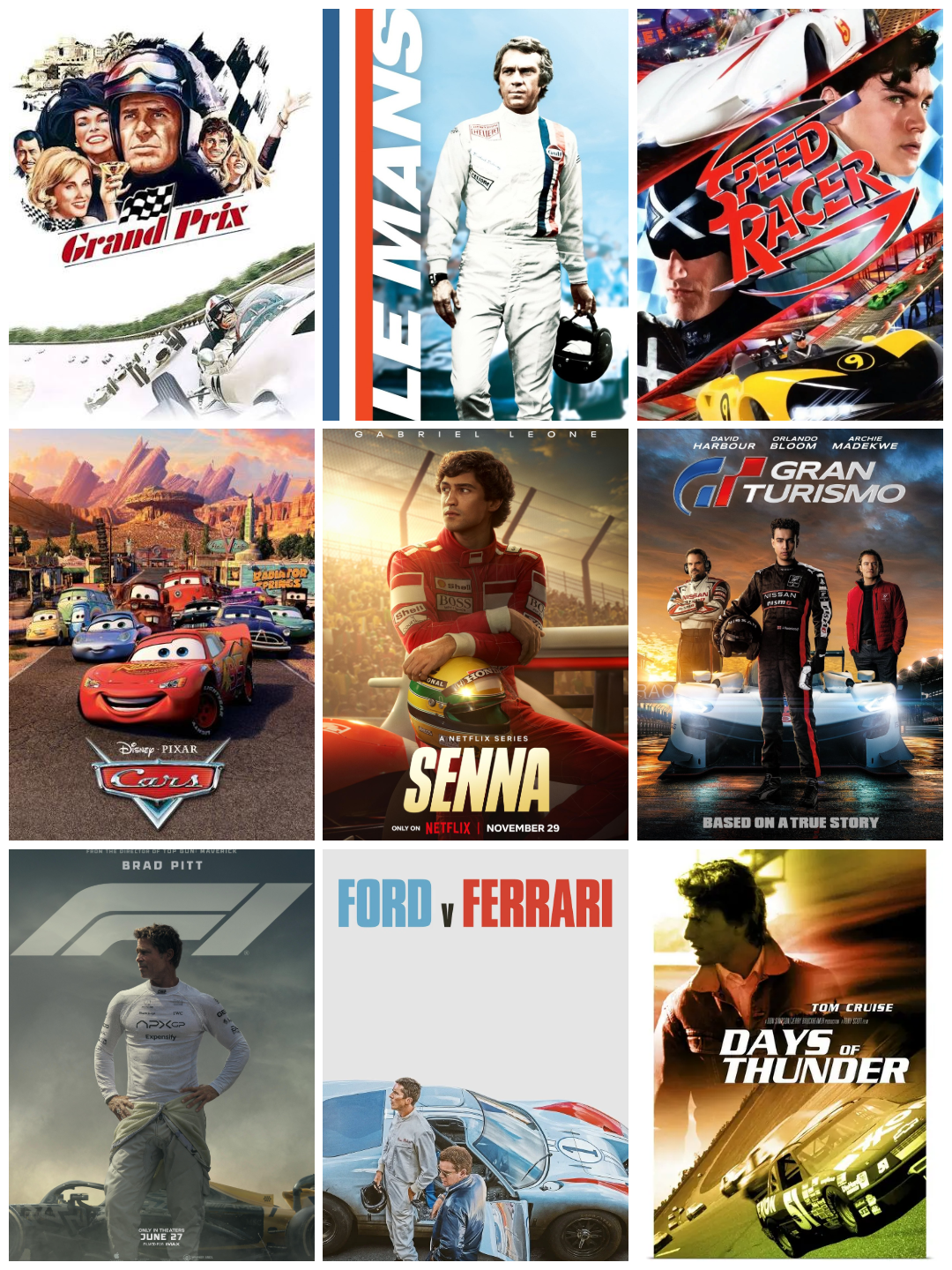
Few movie genres can create tension as quickly as a racing film.
A driver tightens a helmet. An engine climbs toward the redline. The starting lights disappear, and suddenly everything depends on braking a fraction of a second later than the person beside you.
The best racing movies understand that speed alone is not enough.
They need rivalry, risk, obsession and characters willing to sacrifice almost everything for a few minutes on a racetrack. Some recreate famous motorsport battles. Others turn racing into fantasy. A few are so technically immersive that the machines become as important as the actors.
Taking into account filmmaking quality, racing authenticity, cultural impact, emotional power and sheer excitement, these are 10 of the greatest racing movies ever made.
10. Speed Racer (2008)
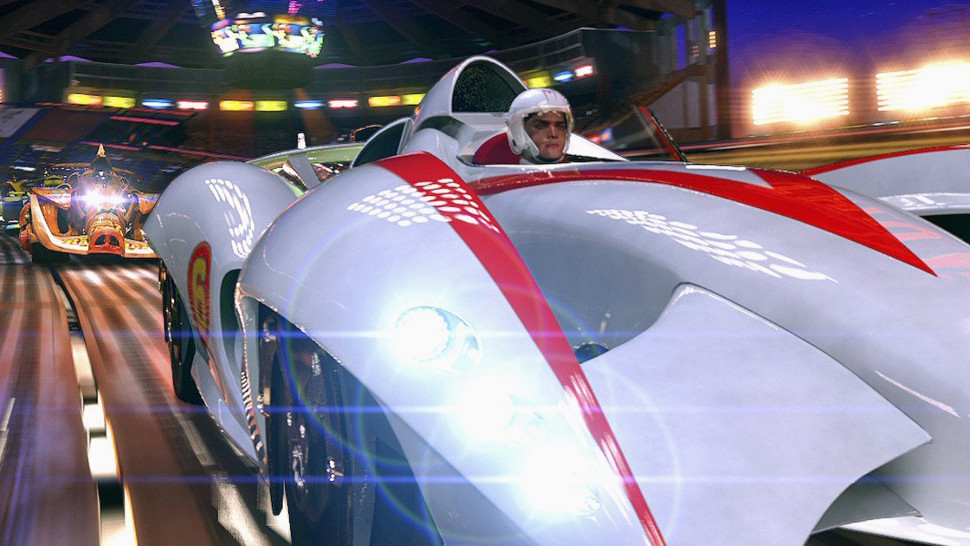
The Wachowskis did not try to make racing realistic in Speed Racer.
They tried to make it impossible.
Based on the Japanese franchise, the film stars Emile Hirsch as Speed, a fearless young driver whose family lives and breathes racing. After discovering that powerful corporations manipulate major competitions, he decides to challenge the system on the track.
Warner Bros. describes Speed as instinctive, aggressive and fearless, which perfectly matches the movie’s hyper-stylized racing sequences.
The film struggled during its original theatrical run, but its reputation has improved dramatically over time.
With neon colors, impossible tracks and cars behaving like acrobats, Speed Racer feels less like watching a conventional race and more like entering a racing video game.
9. Gran Turismo (2023)
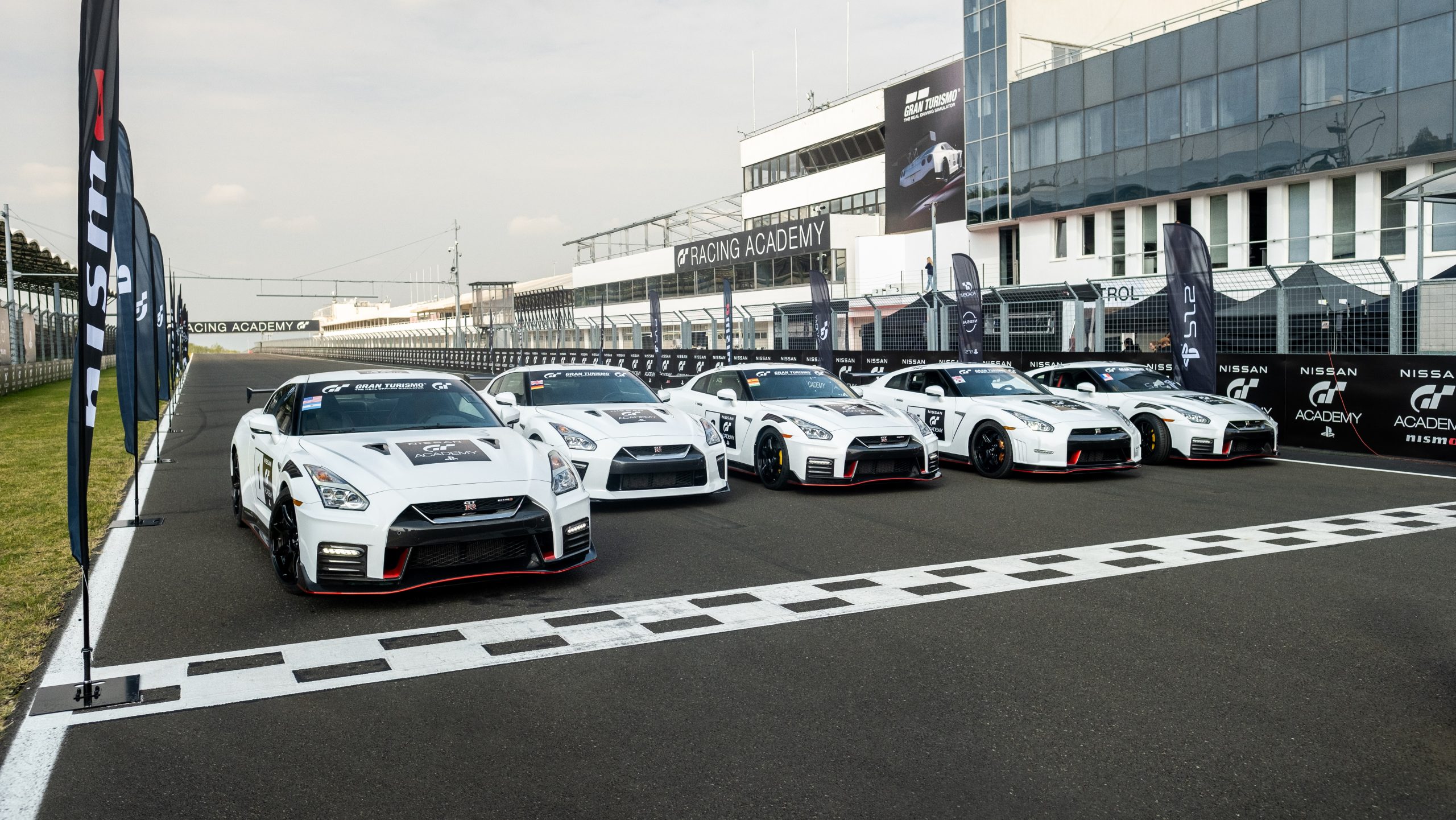
Gran Turismo begins with an idea that sounds almost too convenient for a movie: a talented video-game racer gets the opportunity to drive a real racing car.
But the film is inspired by the real GT Academy program and the career path of Jann Mardenborough.
Archie Madekwe plays Jann, while David Harbour portrays Jack Salter, the veteran racer responsible for turning gamers into legitimate competitors.
The movie works because it understands the enormous difference between being fast on a PlayStation and surviving inside an actual race car.
Physical conditioning, fear, crashes and pressure become just as important as lap times.
Sony positioned Gran Turismo as one of its major efforts to bring PlayStation properties to film, making it a particularly fitting bridge between racing simulation and motorsport cinema.
8. Days of Thunder (1990)
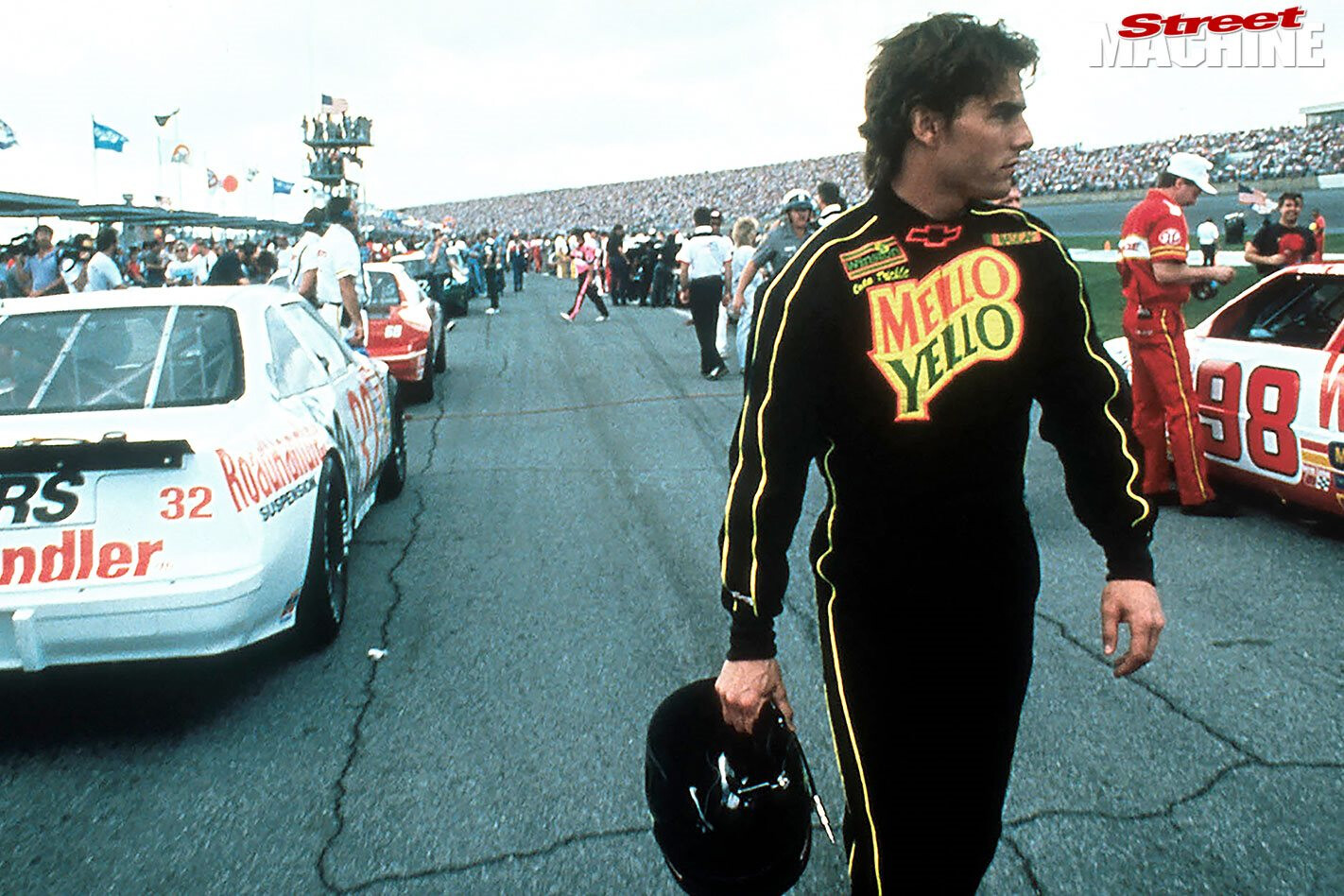
Before Top Gun: Maverick, Tom Cruise was already combining movie-star intensity with extremely fast machines.
In Days of Thunder, he plays Cole Trickle, a talented but inexperienced stock-car driver trying to survive the aggressive world of NASCAR.
The movie reunites Cruise with Top Gun director Tony Scott, and that relationship is visible everywhere.
Cars are photographed like fighter jets.
Engines roar.
Rivalries become personal.
Cole’s greatest opponent is often his own confidence.
The film is not the most realistic racing drama ever made, but its influence on popular images of NASCAR is difficult to ignore.
For viewers who want loud engines, spectacular crashes and pure 1990s star power, it remains essential.
7. Cars (2006)
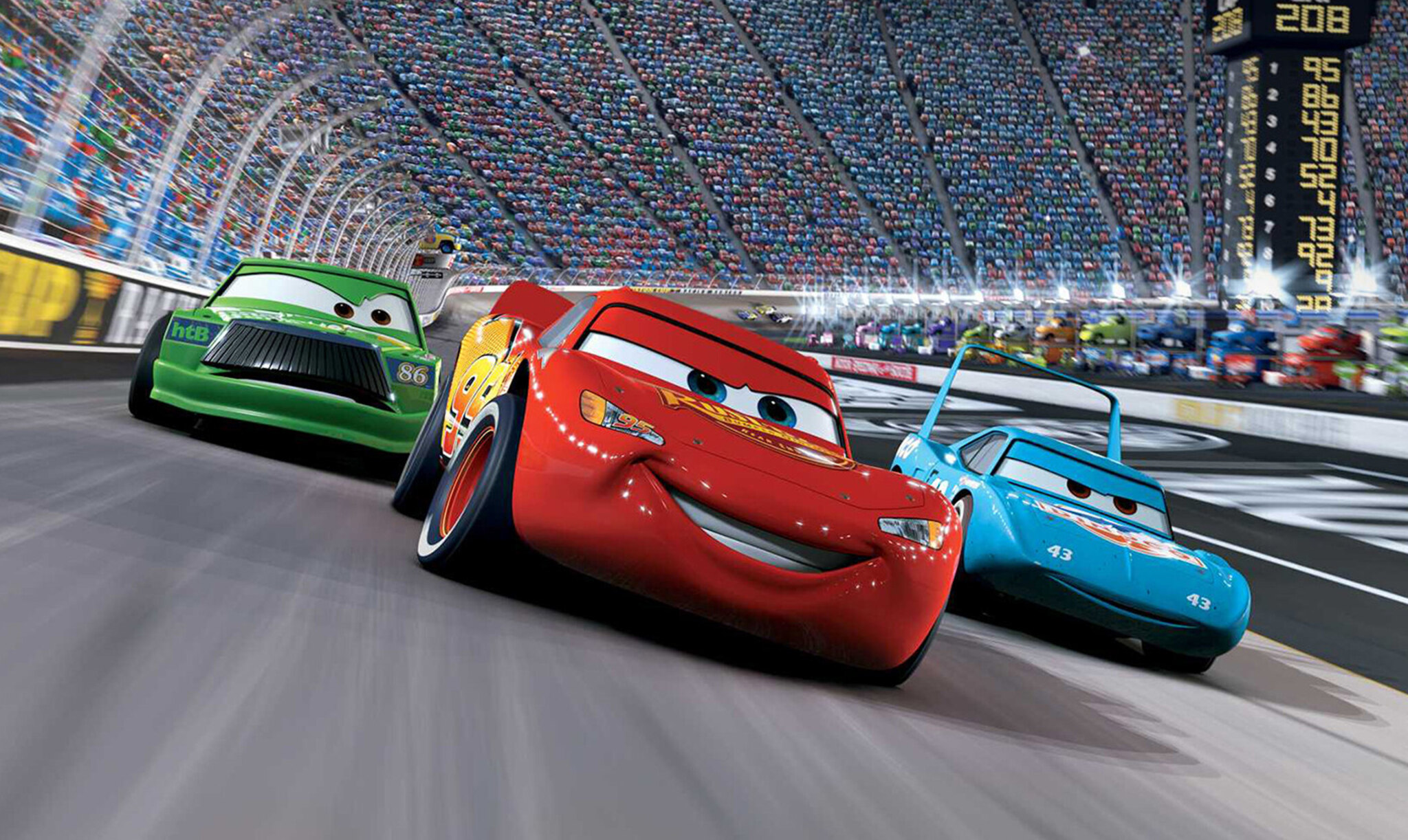
A Pixar movie about talking automobiles might seem out of place beside films about Formula 1 and Le Mans.
It belongs here.
Cars is fundamentally a racing story.
Lightning McQueen begins as a rookie obsessed with winning the Piston Cup. When he becomes stranded in Radiator Springs, however, he slowly learns that championships mean less without friendship, community and respect for the racers who came before him.
Disney describes Lightning as a hotshot rookie headed toward the biggest race of his life before an unexpected detour changes his perspective.
That emotional simplicity is exactly why the film works.
Children see colorful race cars.
Adults often find themselves watching a surprisingly thoughtful story about ambition, aging and learning that finishing first is not always the same thing as winning.
6. Le Mans (1971)
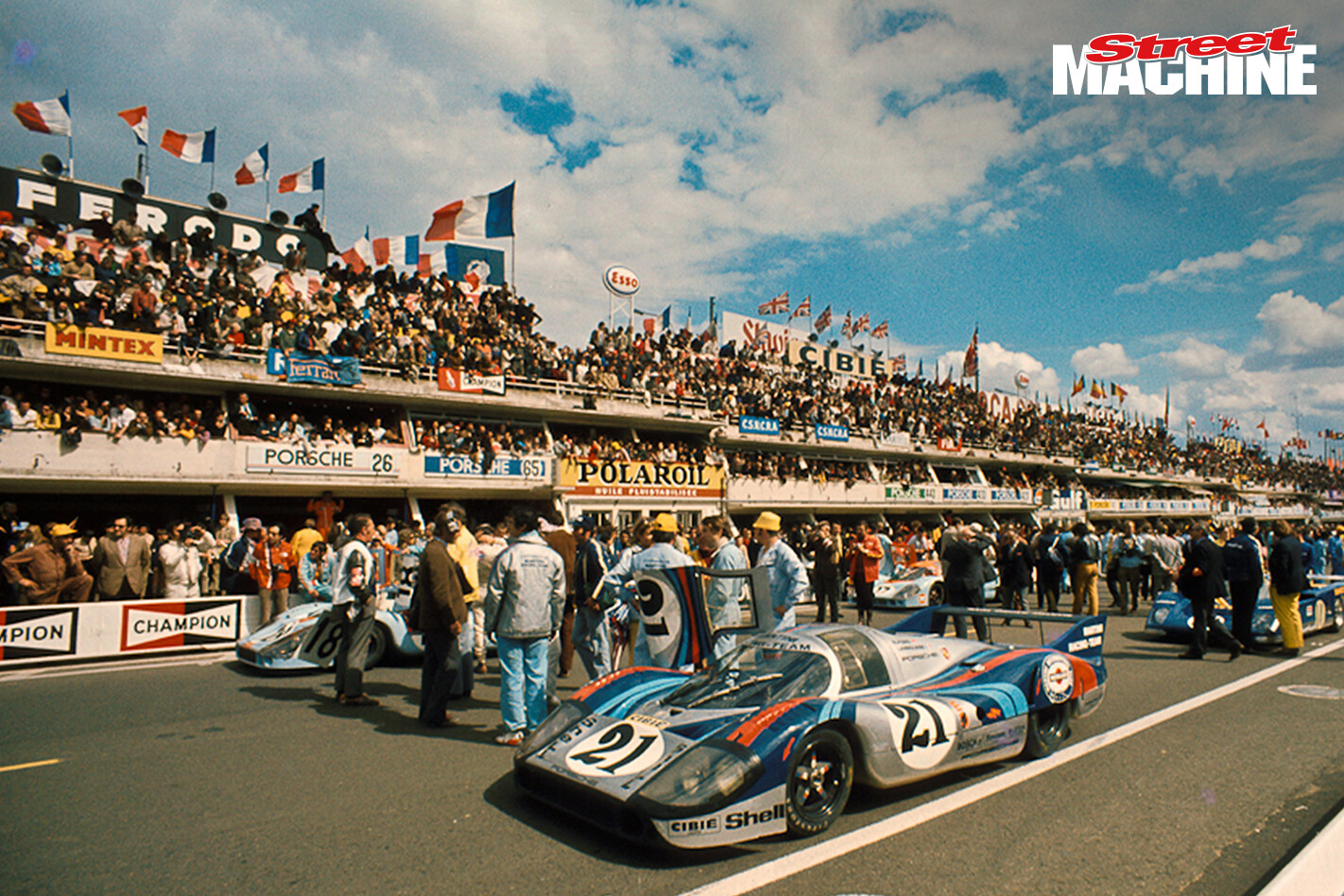
If other racing movies use competition to support a story, Le Mans often does the opposite.
The race is the story.
Steve McQueen stars as Michael Delaney, a Porsche driver returning to the 24 Hours of Le Mans after surviving a previous crash.
Dialogue is famously sparse.
For roughly the first 40 minutes, the film allows engines, pit crews and the rhythm of endurance racing to carry the experience.
McQueen was deeply involved in motorsport himself and wanted the film to capture racing with unusual authenticity. Parts of the movie were shot during the actual 1970 Le Mans event, giving the footage a texture that is extremely difficult to reproduce.
For dedicated racing fans, few films have ever treated the machines and the race itself with more reverence.
5. F1 The Movie (2025)
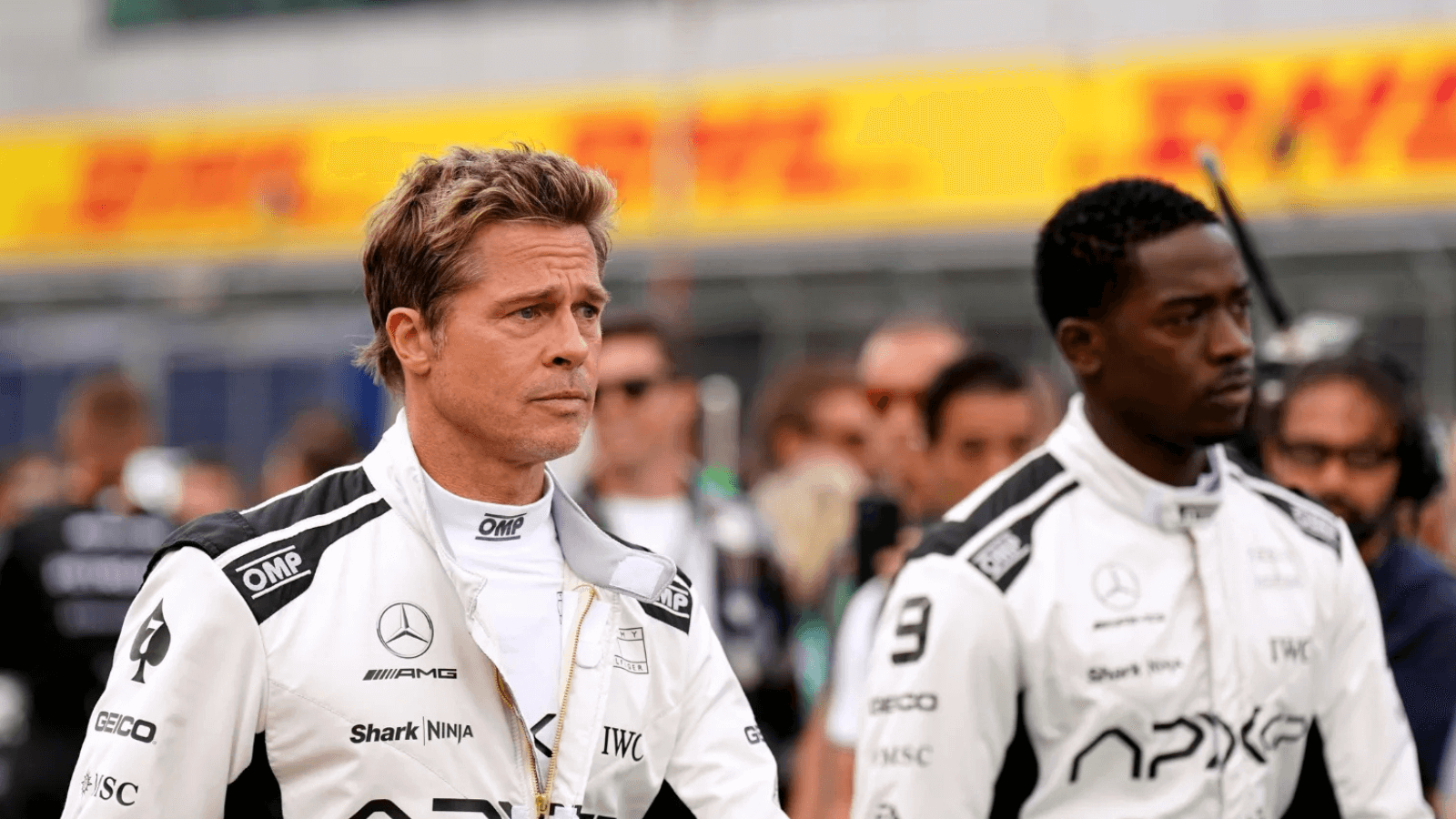
Joseph Kosinski brought many of the techniques that made Top Gun: Maverick feel immediate into the world of Formula 1.
Brad Pitt stars as veteran driver Sonny Hayes, who returns to F1 to help a struggling fictional team and guide a younger teammate.
The production worked closely with Formula 1, filming around real Grand Prix weekends and placing its fictional APXGP team into environments alongside actual F1 machinery.
Apple’s official material lists seven-time world champion Lewis Hamilton among the film’s producers, alongside Jerry Bruckheimer, Kosinski and Pitt.
The result is racing footage designed to make the viewer feel physically close to the cockpit.
Rather than treating F1 as a glamorous background, the film emphasizes the violence of braking, acceleration and wheel-to-wheel competition.
Its arrival also proved that racing movies could still operate as major global theatrical spectacles.
4. Grand Prix (1966)
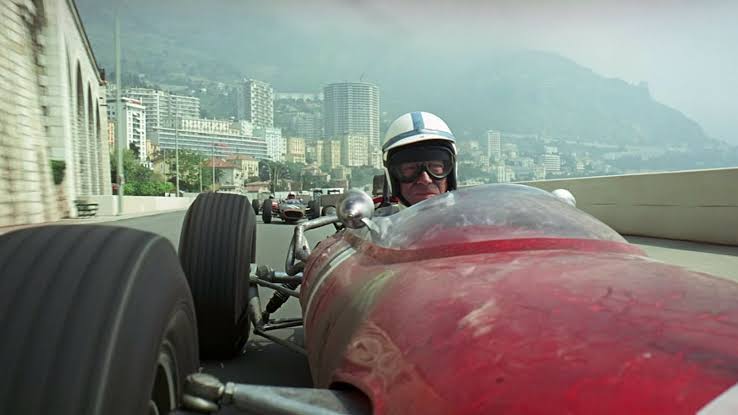
Long before digital cameras could be attached almost anywhere, John Frankenheimer found ways to put audiences terrifyingly close to Formula 1 cars.
Grand Prix follows several drivers through a fictionalized F1 season, mixing personal rivalries with extraordinary racing photography.
James Garner leads an international cast that also includes Yves Montand, Eva Marie Saint and Toshiro Mifune.
The Academy later described Frankenheimer’s approach as exceptionally immersive, noting his use of multiple 70mm cameras during full-scale racing sequences.
The technical achievement was recognized immediately.
Grand Prix won three Academy Awards—for film editing, sound and sound-effects work.
Nearly 60 years later, some of its racing footage still feels remarkably dangerous.
3. Senna (2010)
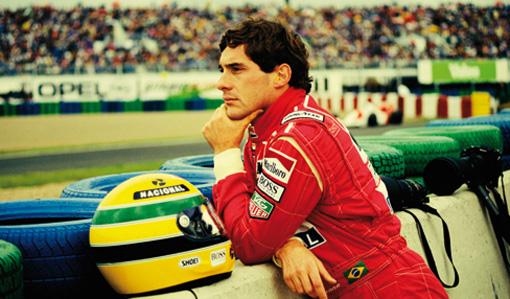
Most films on this list use actors to recreate racing history.
Senna does not need them.
Asif Kapadia’s documentary tells the story of Brazilian Formula 1 legend Ayrton Senna primarily through archival footage, following his rise from his 1984 F1 debut through his championships, rivalry with Alain Prost and death at Imola in 1994.
Formula 1 itself has described the film as a documentary masterpiece capable of gripping viewers even if they are not already motorsport fans.
The racing is extraordinary.
But the real power comes from Senna himself.
He is charismatic, intense, spiritual and uncompromising, particularly during his battles with Prost and Formula 1’s political establishment.
Because audiences know where the story is heading, victories gradually acquire a tragic weight.
The film later won BAFTAs for documentary and editing.
2. Ford v Ferrari (2019)
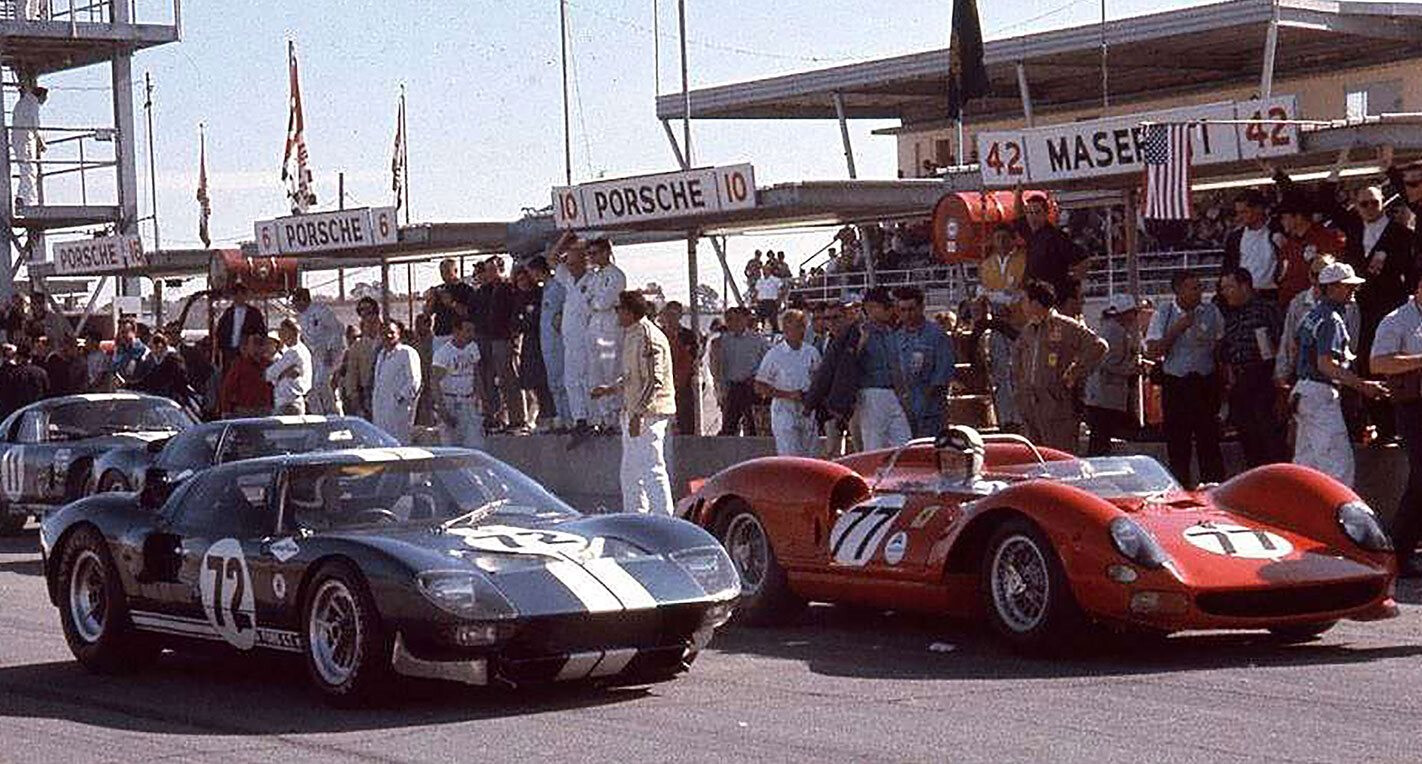
James Mangold’s Ford v Ferrari understands that some of motorsport’s greatest battles happen before the cars reach the grid.
Matt Damon plays Carroll Shelby, while Christian Bale plays British driver Ken Miles.
Together, they attempt to build a Ford capable of defeating Ferrari at the 24 Hours of Le Mans in the 1960s.
The film works on several levels at once.
It is an engineering story.
A friendship story.
A corporate battle.
And, ultimately, a film about the difference between people who understand racing and executives who want to control it.
Bale’s Miles is brilliant, difficult and completely alive behind the wheel.
Damon’s Shelby must protect both the car and the driver from corporate interference.
The racing sequences are excellent, but the human relationship is what gives them weight.
The film received a Best Picture Oscar nomination and won Academy Awards for film editing and sound editing.
1. Rush (2013)
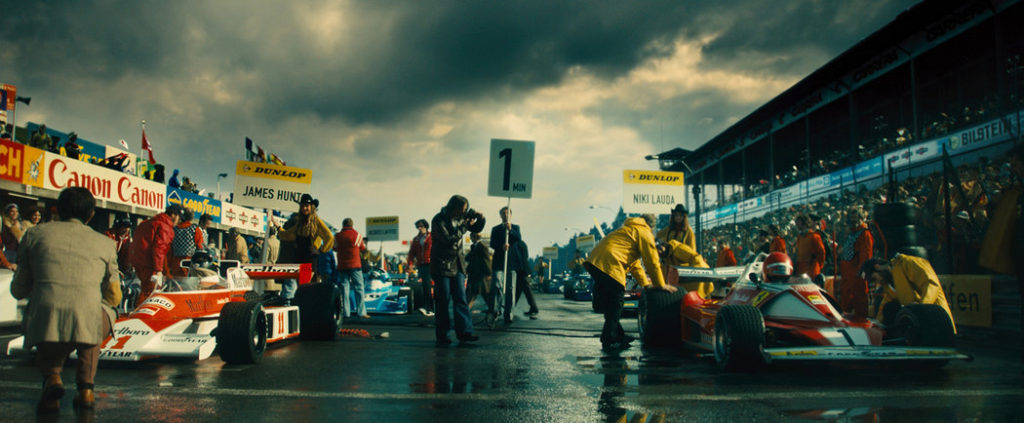
No racing movie combines rivalry, danger and character quite like Rush.
Directed by Ron Howard, the film dramatizes the extraordinary 1976 Formula 1 championship battle between James Hunt and Niki Lauda.
Chris Hemsworth plays Hunt as instinctive, charismatic and reckless.
Daniel Brühl’s Lauda is analytical, disciplined and brutally honest.
They appear to be complete opposites.
That is exactly what makes the rivalry so compelling.
The season becomes increasingly dramatic after Lauda suffers a devastating crash at the Nürburgring, then makes an astonishing return to racing only weeks later.
Formula 1 still regards the Hunt-Lauda fight as one of the sport’s defining championship battles, and the 2013 film turned that history into a story accessible even to viewers who had never watched a Grand Prix.
Most importantly, Rush refuses to reduce either driver to hero or villain.
Hunt’s recklessness contains courage.
Lauda’s cold calculation contains enormous bravery.
They irritate each other, challenge each other and, in a strange way, help define each other.
That is why Rush earns the top position.
The fastest racing movies can make your palms sweat.
The greatest ones make you understand why someone would willingly climb back into the cockpit after discovering exactly how dangerous it can be.
From the documentary realism of Senna and the mechanical obsession of Le Mans to the Hollywood scale of Ford v Ferrari and F1 The Movie, racing cinema has spent decades chasing that feeling.
But Rush captures it most completely.
It is not really about who has the fastest car.
It is about the kind of person who cannot stop racing.