The Genius Hidden in Plain Sight: How Gracie Allen Turned Simplicity Into One of Comedy’s Sharpest Weapons
- NgoPhong
- July 29, 2026
She would pause just long enough to make you wonder if she had forgotten the question.
Then came the answer—slightly off, perfectly timed, and completely unexpected. The audience would laugh, convinced they were watching confusion unfold in real time.
But the truth was far more deliberate.
Behind the soft voice and seemingly scattered logic, Gracie Allen was quietly controlling every beat of the moment. What looked like spontaneity was, in fact, precision.
And what appeared to be innocence was actually genius.
Gracie Allen rose to prominence during a time when comedy followed clear patterns. Jokes were structured, punchlines were obvious, and performers often relied on predictable setups. Women in comedy, in particular, were rarely given the space to lead with intelligence or complexity.
Allen didn’t challenge those expectations directly.
She slipped inside them.
By creating a persona that seemed naive—someone who misunderstood simple ideas and delivered answers that didn’t quite fit—she disarmed audiences. They lowered their guard, expecting light humor, only to find themselves caught in something far more sophisticated.
Her comedy didn’t announce itself.
It revealed itself slowly.
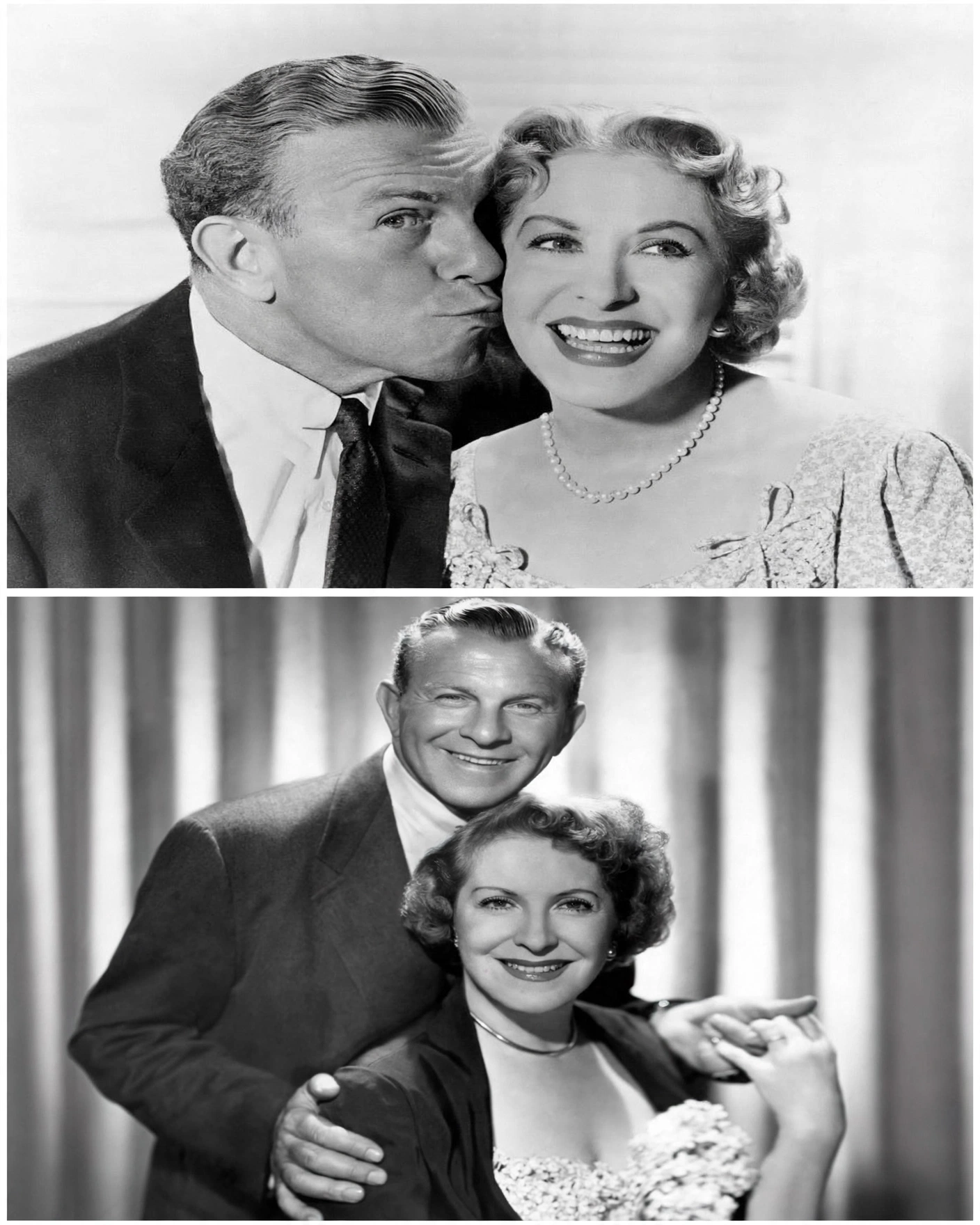
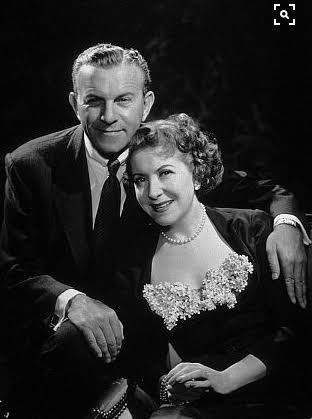
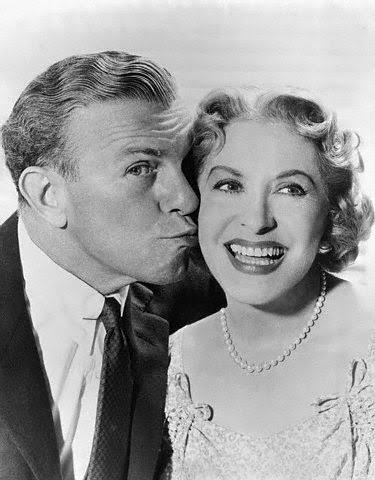
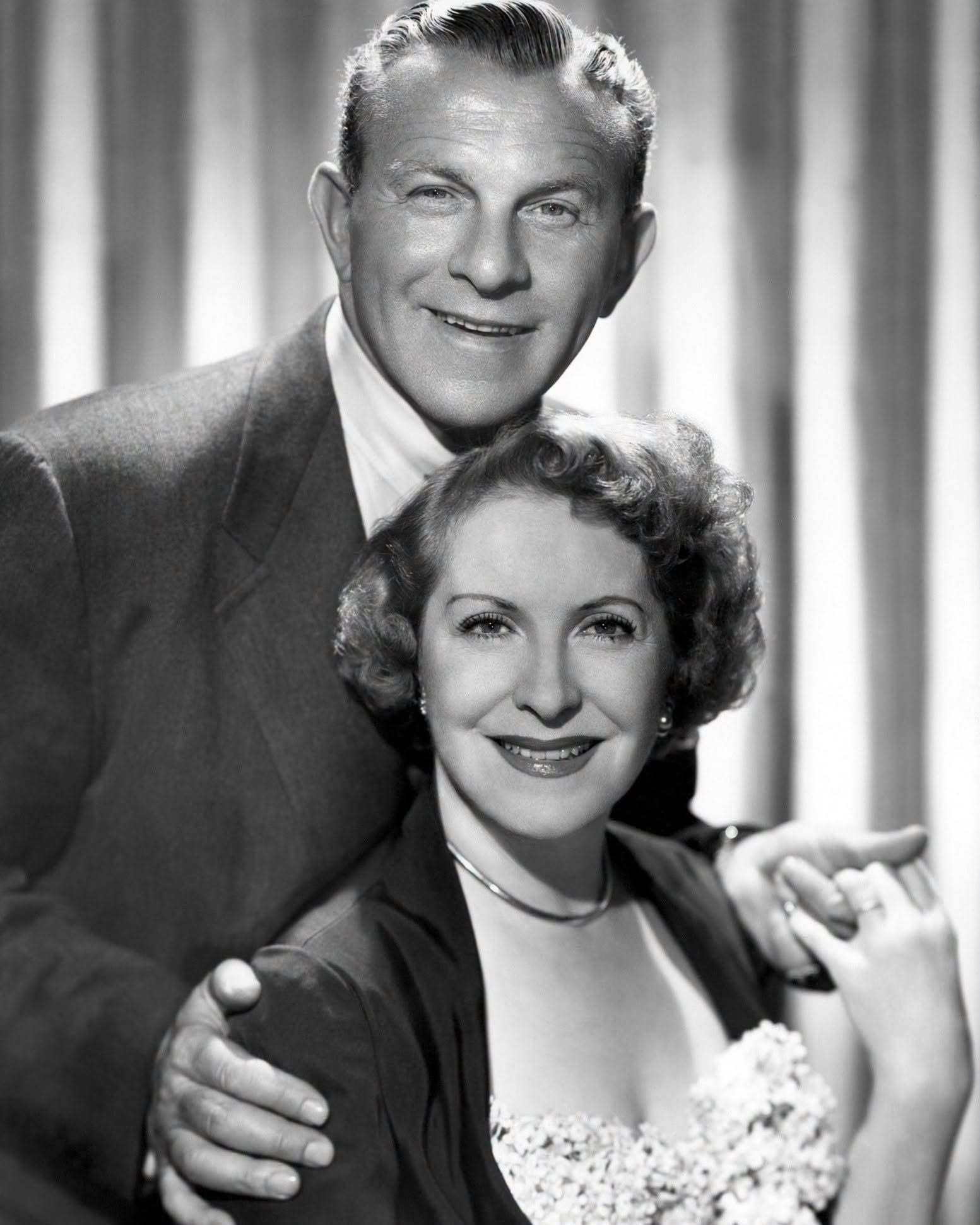
Much of her career was built alongside George Burns, her husband and stage partner. Together, they became one of the most recognizable duos in entertainment, performing across radio, film, and television.
On the surface, the dynamic seemed simple.
Burns played the rational counterpart, reacting to Allen’s unpredictable remarks with confusion and mild frustration. It created the illusion that he was guiding the conversation while she wandered off course.
In reality, Allen was often leading.
She understood timing in a way that allowed her to shape entire exchanges. A misplaced word, a slight delay, a shift in tone—each element was carefully chosen to build toward a moment that felt natural but landed with precision.
Her humor relied on misdirection.
Instead of delivering jokes directly, she would approach them from unexpected angles. A question would lead somewhere entirely different. A logical statement would unravel into something absurd.
Yet it never felt forced.
That was the brilliance.
Allen committed fully to the character she created. She never broke from it, never signaled to the audience that she was in control. The illusion remained intact, allowing her to guide the humor without drawing attention to the craft behind it.
This approach set her apart.
While other comedians focused on clarity and impact, Allen embraced confusion as a tool. She allowed the audience to fill in the gaps, to connect the pieces, and in doing so, made the experience more engaging.
Her work extended beyond simple entertainment.
She was part of a shift in how comedy could function. By blending character and structure, she introduced a style that would later influence generations of performers.
But at the time, much of that influence went unrecognized.
Because she played the “fool,” many assumed she lacked the intelligence behind the act. The persona was so convincing that it obscured the skill required to maintain it.
Yet those who worked closely with her understood.
Allen contributed ideas, shaped scripts, and refined performances in ways that were not always visible to the audience. Her role was not limited to delivering lines—she was involved in building the entire comedic framework.
One of the most memorable examples of her creativity came when she launched a fictional campaign for the presidency.
What started as a comedic bit quickly gained traction. Audiences followed the campaign, engaged with the concept, and treated it with a surprising level of interest. It blurred the line between satire and reality, demonstrating her ability to connect with people beyond traditional formats.
Even then, she remained true to her character.
The same gentle confusion, the same unexpected logic, the same careful timing—all of it remained consistent, even as the scale of the idea expanded.
It was not just a performance.
It was a method.
As her career evolved, Allen continued to adapt while maintaining the core elements of her style. Whether on radio, in films, or on television, she brought the same approach—subtle, controlled, and deeply effective.
Her influence began to surface more clearly over time.
Comedians who came after her adopted similar techniques, using understatement, character-driven humor, and misdirection to create something new. The idea that intelligence in comedy could be hidden rather than displayed became more widely accepted.
Allen had been doing it all along.
Her legacy is not built on a single performance or a single moment.
It is built on the way she changed perception.
She showed that humor does not need to be loud to be powerful. That control does not need to be visible to be effective. And that sometimes, the smartest move is to let others believe you are not in control.
In a world that often rewards obvious talent, Gracie Allen chose a different path.
She made people laugh without revealing the full extent of how.
And in doing so, she created something lasting.
Because behind every “mistake,” every unexpected answer, and every moment of confusion was a mind that understood exactly what it was doing—and chose to let the audience discover it one laugh at a time.