The Girl Who Turned a Quiet Presence Into a Lasting Impact in Hollywood

When Kaylee Hottle first appeared on the big screen as Jia in Godzilla vs. Kong, audiences were introduced to a young actress in a role unlike many they had seen before.
She was deaf. She communicated through American Sign Language. And she found herself at the center of a story involving two of cinema’s most iconic monsters.
But what made Hottle’s performance memorable was not simply the fact that she was deaf.
It was everything she communicated without having to say it aloud.
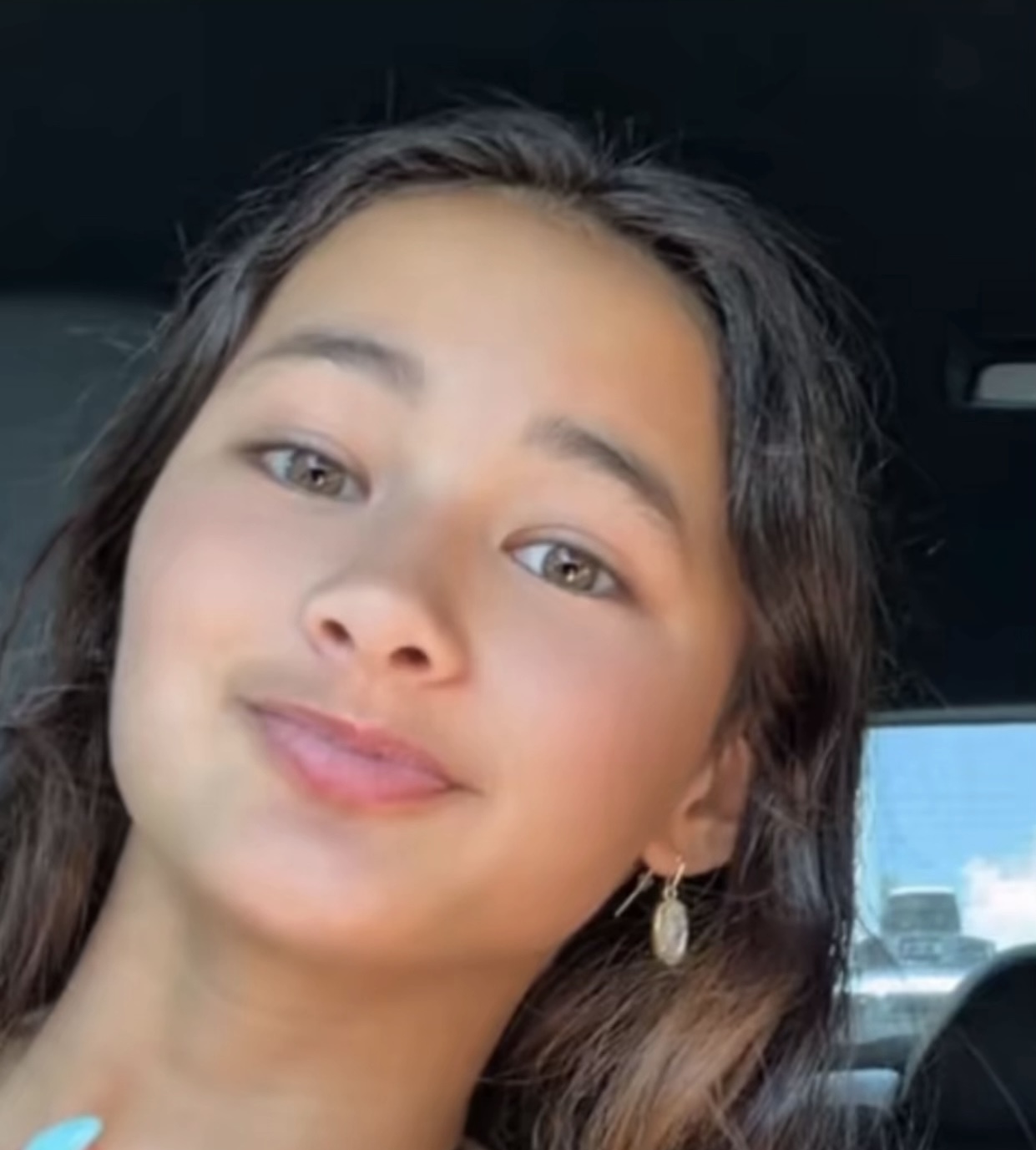
Jia is a character who experiences the world visually. Her communication is built around signs, expressions and gestures, and Hottle brings that experience naturally to the screen.
Instead of making Jia’s deafness a limitation that defines the entire character, the story allows her to be curious, emotional and courageous.
She has her own fears.
She forms meaningful connections.
And she plays an important part in the story.
That approach gave Hottle something many young performers rarely receive so early in their careers: the opportunity to let audiences connect with a character before thinking about the label attached to the actor portraying her.
One of the strongest examples is Jia’s relationship with Kong.
The two characters have almost nothing in common on the surface. One is a young girl; the other is a gigantic creature capable of changing the course of an entire conflict.
Yet their relationship works because they understand something about each other.
Their communication is visual and emotional rather than conventional.
For Hottle, that meant relying on subtle acting choices.
A look can reveal fear.
A gesture can express trust.
A small reaction can tell the audience exactly what Jia is thinking.
Those moments are easy to overlook in a movie filled with enormous battles, but they give the story a human center.
Hottle’s return in Godzilla x Kong: The New Empire also demonstrated that Jia was more than a one-film experiment in representation.
She had become part of the wider MonsterVerse.
That matters because meaningful representation is not only about appearing once.
It is about being allowed to remain.
To develop.
To become part of a world audiences already care about.
For deaf viewers, especially young people, seeing a deaf actress repeatedly appear in a major Hollywood franchise can send a powerful message.
They are not being shown a character who exists only to teach the audience about deafness.
They are seeing someone who belongs in the adventure.
Someone who gets to have relationships and emotions.
Someone who gets to be part of the story.
That may be one of Hottle’s most important contributions.
She helps make the presence of deaf performers feel less unusual.
And the more natural that presence becomes, the easier it is for future performers to imagine themselves doing the same thing.
Hottle’s career is still young, so her story is far from finished.
There will be new roles, new challenges and opportunities to discover what kind of performer she ultimately wants to become.
But her early work has already demonstrated something worth remembering:
A performer does not need to be loud to be unforgettable.
Sometimes, the quietest presence can leave the biggest impression.