The Little Car That Conquered the World: How the Volkswagen Beetle Became an Automotive Legend
Few automobiles have become instantly recognizable across generations.
With its unmistakable rounded silhouette and compact proportions, the Volkswagen Beetle evolved from a practical family car into one of the most celebrated vehicles ever built. Produced for more than six decades, the Beetle achieved a level of global popularity that few automobiles have matched, earning its place as both a cultural icon and one of the most successful cars in automotive history.
Its story is remarkable not only because of its distinctive appearance, but also because of the extraordinary numbers behind its success.
Officially known as the Volkswagen Type 1, the Beetle entered production in 1938. What began as a small family car manufactured by the German company Volkswagen would eventually become one of the longest-running automobile designs ever placed into mass production.
For the next 65 years, the Beetle remained in continuous production.
That remarkable lifespan, stretching from 1938 until 2003, gave it the longest production run of any single automobile generation. While many cars undergo complete redesigns every few years, the Beetle retained its core identity for decades, allowing multiple generations of drivers to recognize it instantly.
Its unmistakable shape became one of its greatest strengths.
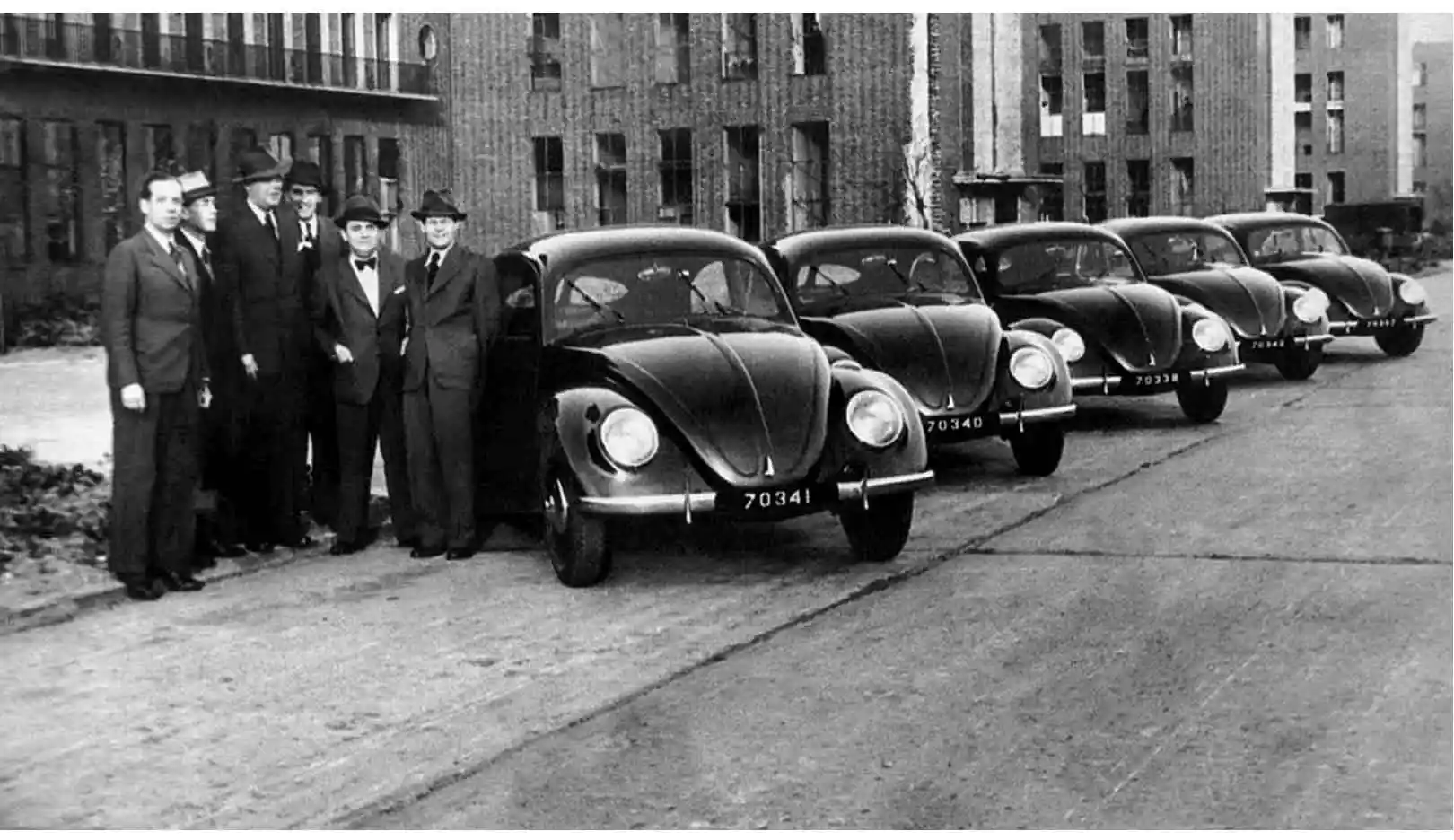
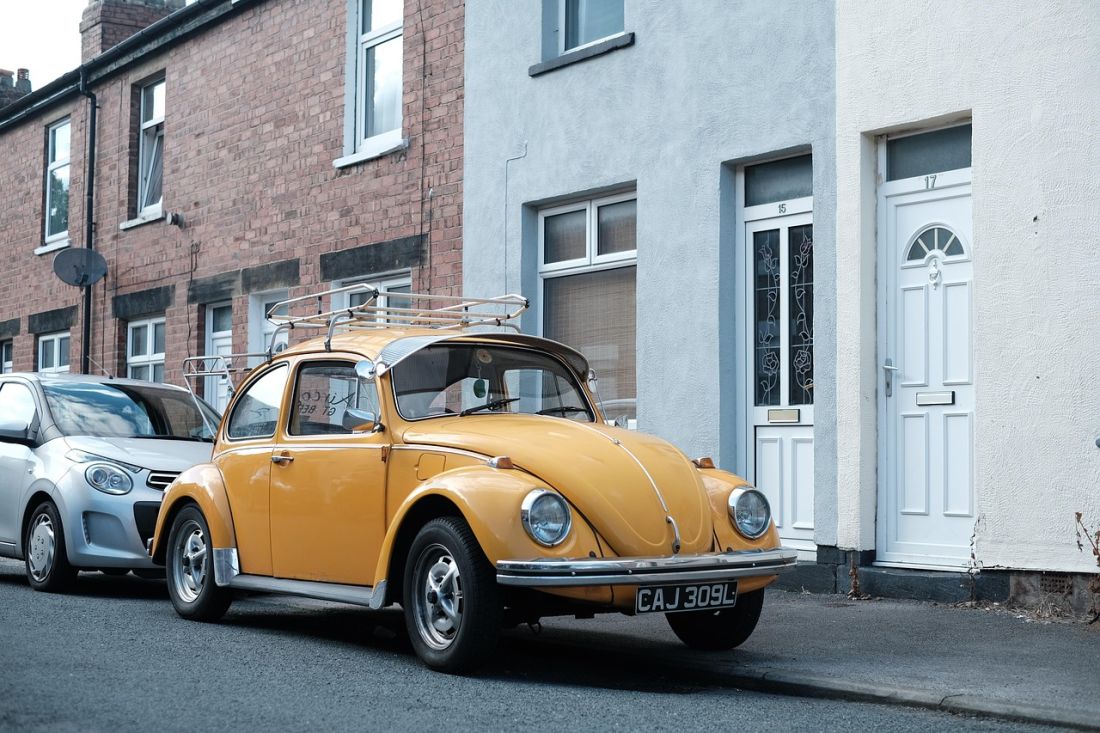
The car’s rounded body earned it the nickname “Beetle” because of its resemblance to the insect. Over time, that bug-like profile became one of the most recognizable automotive designs in the world, transforming the vehicle into far more than just a means of transportation.
It became a cultural symbol.
Whether parked on city streets or traveling rural roads, the Beetle’s unique appearance distinguished it from virtually every other car of its era. Its enduring design helped it become widely regarded as one of the most influential automobiles of the twentieth century.
Popularity soon translated into extraordinary production numbers.
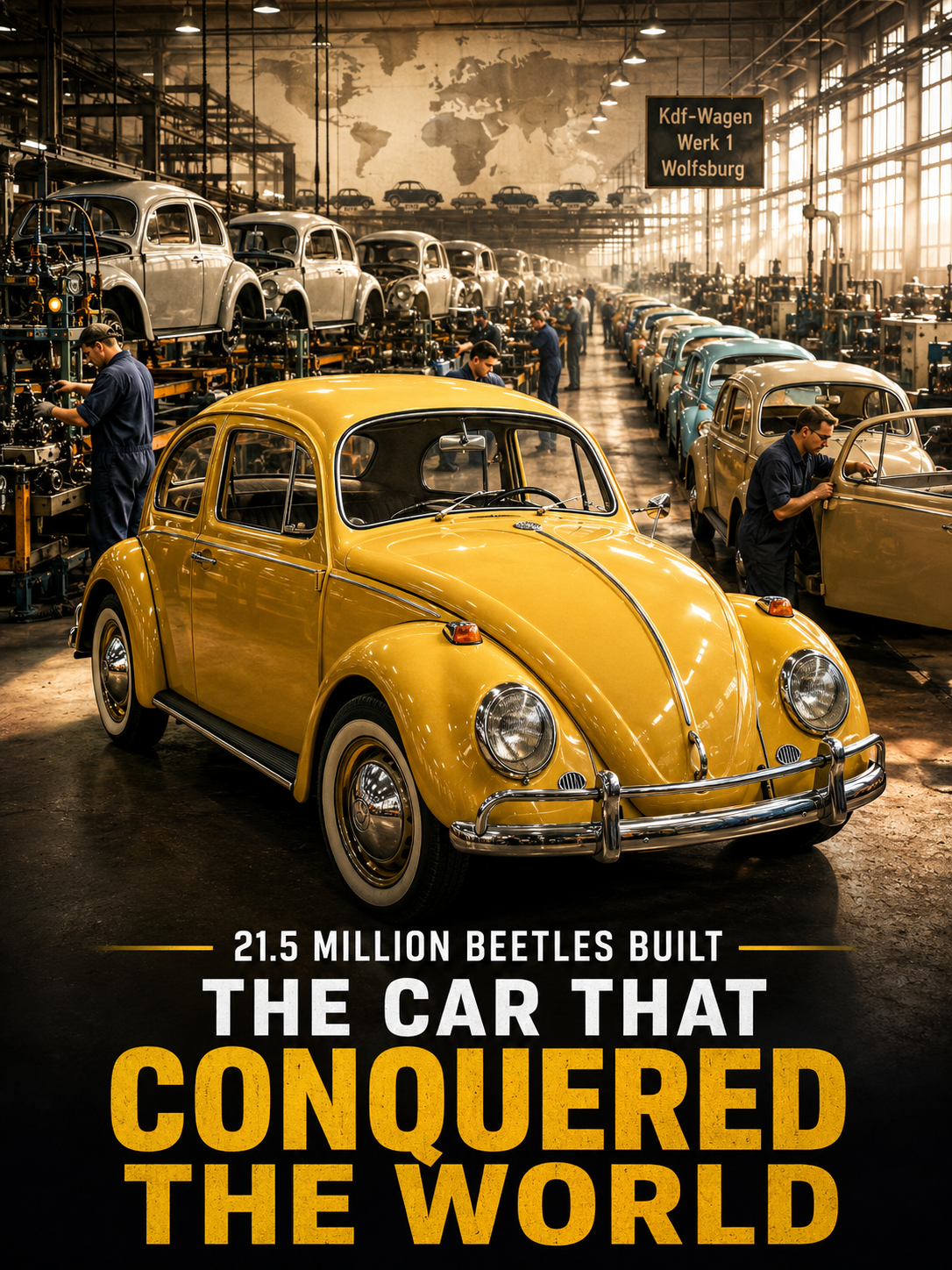
Over its six-and-a-half decades of manufacturing, approximately 21.5 million Beetles were produced across more than twenty manufacturing locations worldwide.
Those figures placed the vehicle in a category reached by very few automobiles.
The Beetle became the best-selling car ever built on a single platform, demonstrating the enduring appeal of a design that remained successful for generations. It also earned recognition as the second best-selling automobile nameplate of the twentieth century, further cementing its legacy within the global automotive industry.
Such enormous production would not have been possible without highly efficient manufacturing.
Central to the Beetle’s success was the use of the assembly line, a production system designed to increase speed while reducing labor requirements.
Rather than having workers build an entire vehicle in one location, the assembly process moved unfinished automobiles from one workstation to the next. At each station, specific parts and components were added in sequence until the vehicle reached its completed form.
The approach dramatically improved manufacturing efficiency.
Mechanically moving the vehicle through each stage of production allowed workers to specialize in individual tasks instead of transporting parts to a stationary automobile. The result was a faster, more organized process capable of producing vehicles on a massive scale.
This method became one of the defining characteristics of modern automobile manufacturing.
By streamlining production, assembly lines enabled manufacturers to build large numbers of vehicles while maintaining consistency throughout the process. For a model produced in the tens of millions, such efficiency proved essential.
The Beetle’s manufacturing success reflected more than engineering alone.
Its ability to remain in production for 65 consecutive years demonstrated an extraordinary level of acceptance across different countries, cultures, and generations. Few products of any kind remain relevant for such an extended period without undergoing complete reinvention.
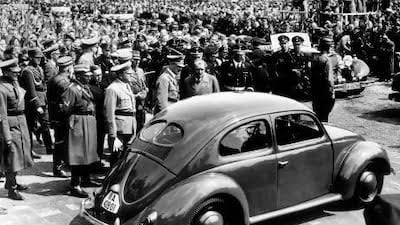
Yet the Beetle managed to do exactly that.
Its familiar design endured while production expanded across numerous facilities around the globe. The combination of recognizable styling, efficient manufacturing, and widespread consumer appeal helped transform the Beetle into one of the defining automobiles of modern history.
Even after production finally ended in 2003, the Beetle’s influence continued.
Collectors, enthusiasts, and everyday drivers alike have continued to celebrate the model for its distinctive appearance and historical significance. The vehicle remains closely associated with an era in which simple, recognizable design could become known around the world.
Looking back, the Beetle’s achievements are difficult to overstate.
A production run lasting 65 years, more than 21.5 million vehicles built, manufacturing across over twenty locations, and recognition as the best-selling car on a single platform all reflect a level of success achieved by only a handful of products in industrial history.
The Volkswagen Beetle ultimately became much more than a small family car.
It represented the power of enduring design, efficient manufacturing, and global appeal. From its first production in 1938 to its final year in 2003, the Beetle proved that an automobile could become more than transportation—it could become a lasting symbol recognized by people around the world, securing its place among the most iconic vehicles ever created.