The World Lost Kaylee Hottle Too Soon — But Her Story Will Not Be Forgotten
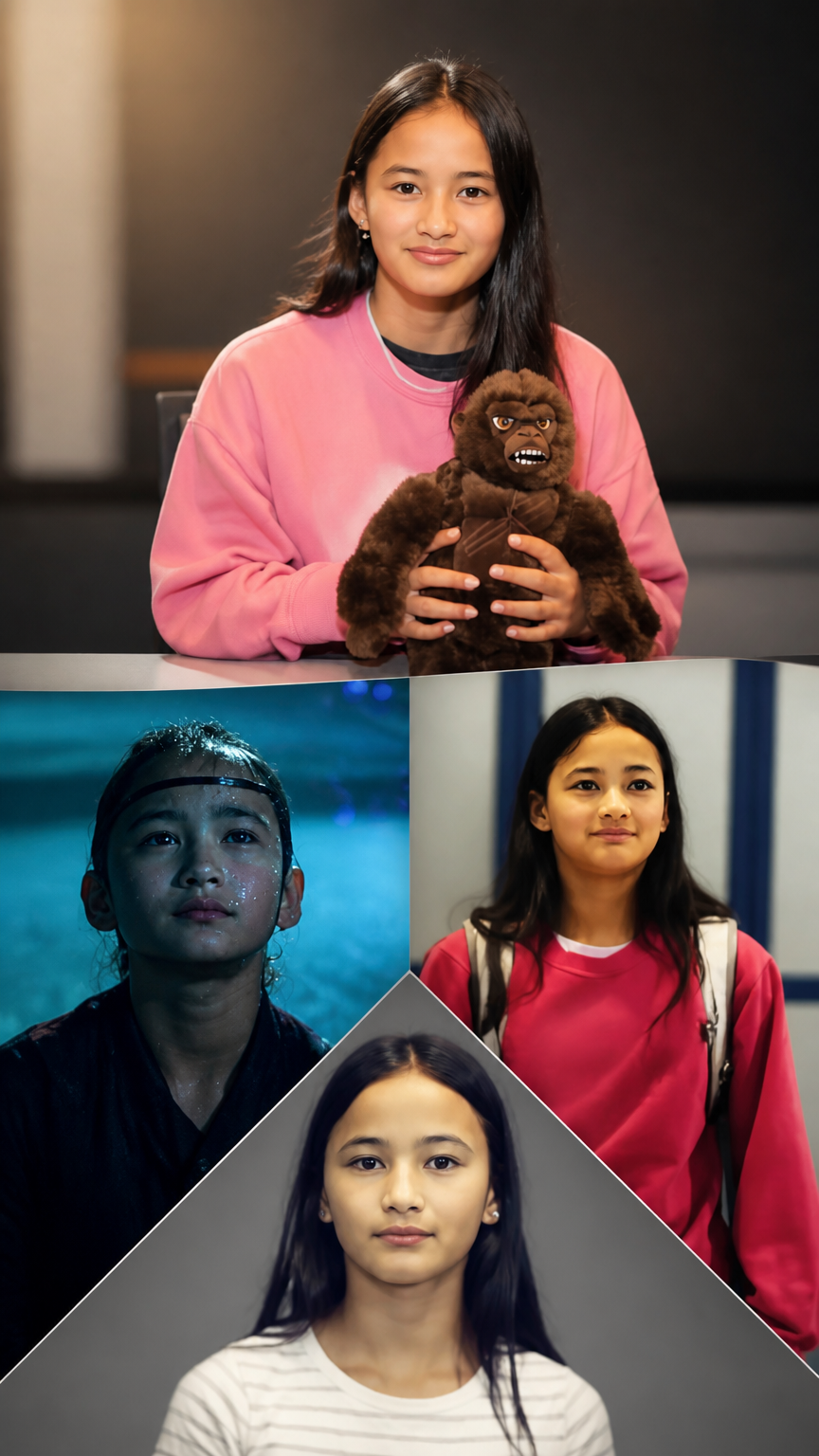
The remarkable story of Kaylee Hottle: From a silent world to the Hollywood big screen
For fans of the MonsterVerse, the name Kaylee Hottle will always be tied to the heart of the franchise. Playing Jia—the young Iwi orphan who forms an unbreakable bond with King Kong—she brought a deeply human touch to massive blockbusters like Godzilla vs. Kong and Godzilla x Kong: The New Empire. But behind her captivating on-screen presence lies a real-life journey that is just as extraordinary.

1. Born into a Deaf legacy
Kaylee was born into a world where silence was not an obstacle, but a shared heritage. Coming from a family with four generations of Deaf members on her father’s side, American Sign Language (ASL) was naturally her very first language. Growing up surrounded by a strong, supportive Deaf community shaped her identity, giving her a quiet confidence that resonated through her performance.
2. A discovery driven by expression
Without any prior traditional acting training, Kaylee’s journey to Hollywood began through community awareness projects and local commercials. What caught the attention of casting directors wasn’t just her skill in ASL, but her extraordinarily expressive eyes. In a film dominated by towering CGI monsters, she could convey fear, empathy, warmth, and determination without speaking a single spoken word.
3. Breaking barriers for Deaf representation
Kaylee wasn’t just performing; she was opening doors. Before her breakout role, representation for Deaf actors in major action tentpoles was exceptionally rare. She proved to international audiences and Hollywood producers alike that a Deaf actor could comfortably anchor a multi-hundred-million-dollar franchise. She once expressed her hope that her work would show Deaf youth everywhere that their dreams have no bounds.
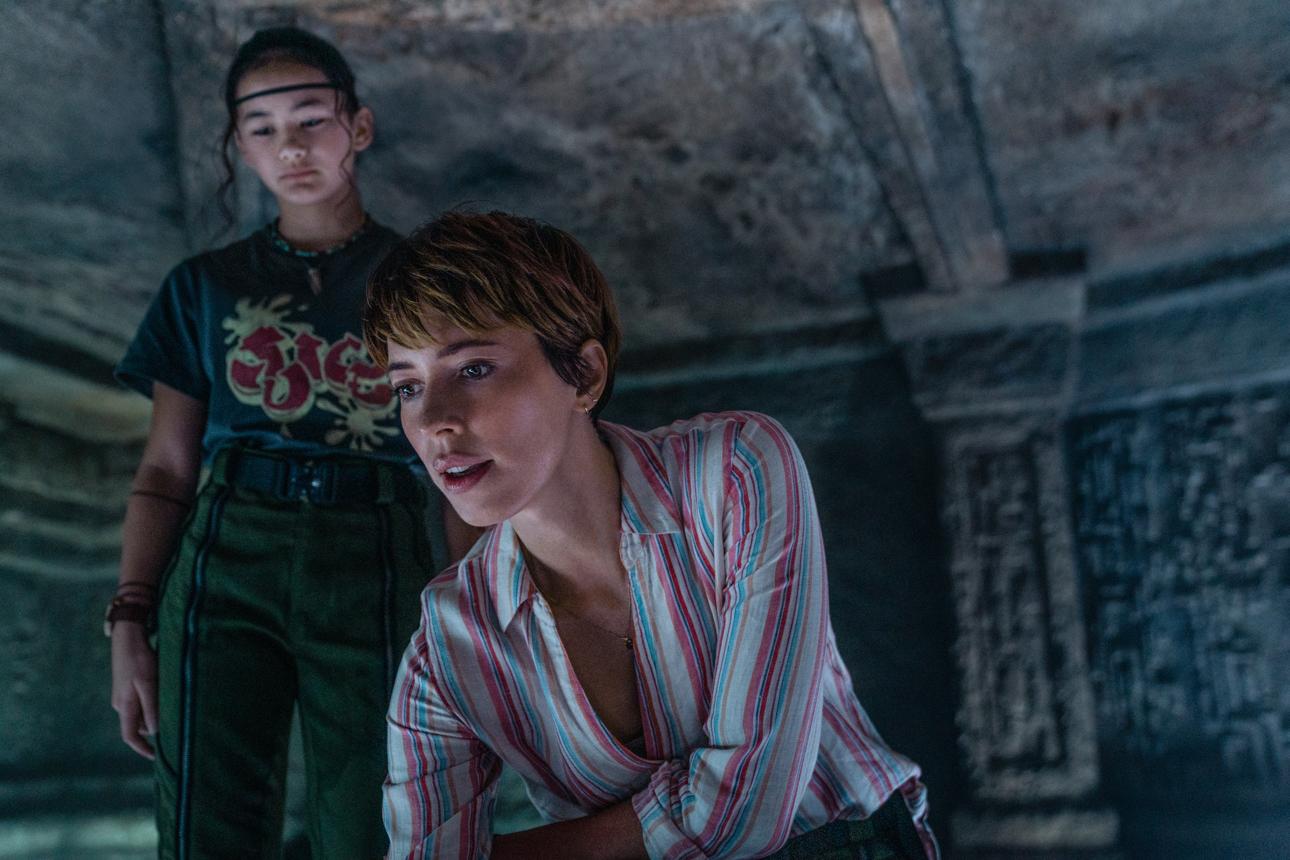
Though her sudden passing left fans and the film community heartbroken, the legacy of her talent remains untouched. She showed us that the most powerful connections don’t always require voice—sometimes, a simple touch and an understanding look are more than enough