Lindsay Clancy Murder Trial: Prosecution and Defense Clash Over Her State of Mind
Lindsay Clancy Murder Trial: Prosecution and Defense Clash Over Her State of Mind
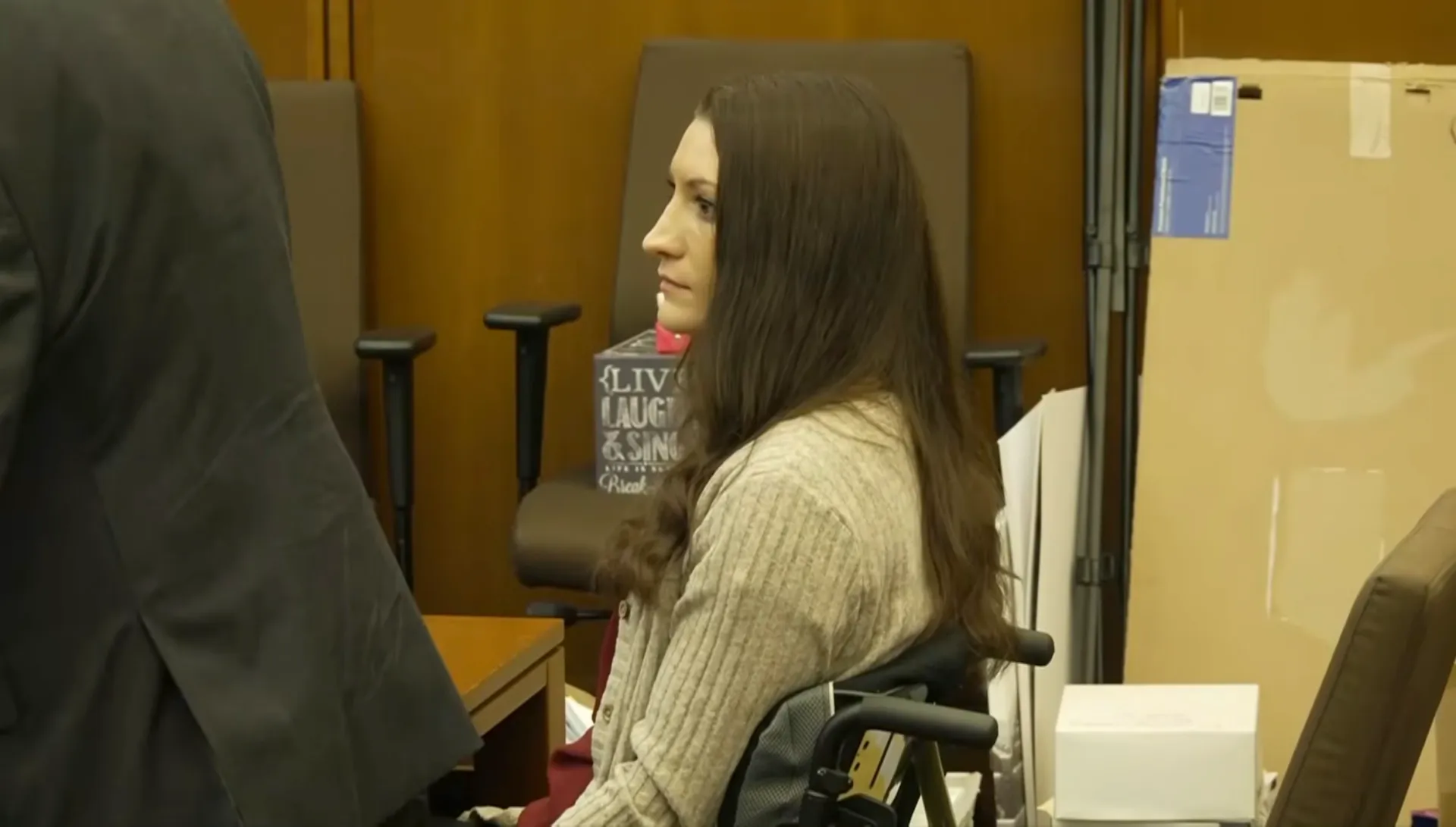
PLYMOUTH, Massachusetts — The murder trial of Lindsay Clancy has centered on one devastating question: Was she criminally responsible when her three young children were killed in their Duxbury home in January 2023?
Clancy, a former labor and delivery nurse, is accused of killing her children — 5-year-old Cora, 3-year-old Dawson and 8-month-old Callan. She has not disputed that she caused their deaths, but her defense argues that she was suffering from severe postpartum psychosis and other psychiatric problems and therefore should not be held criminally responsible.
A Case Focused on Mental Illness
From the beginning of the trial, Clancy’s defense has sought to portray a mother whose mental health deteriorated dramatically in the months before the tragedy.
Defense attorneys have pointed to her repeated attempts to obtain psychiatric help, numerous medications and reports of disturbing thoughts and hallucinations.
Experts who testified for the defense argued that Clancy’s condition had reached the level of postpartum psychosis and that she was experiencing a severe break from reality when she killed her children.
The defense has therefore asked jurors to find her not criminally responsible, rather than guilty of murder.
Prosecutors Present a Different Picture
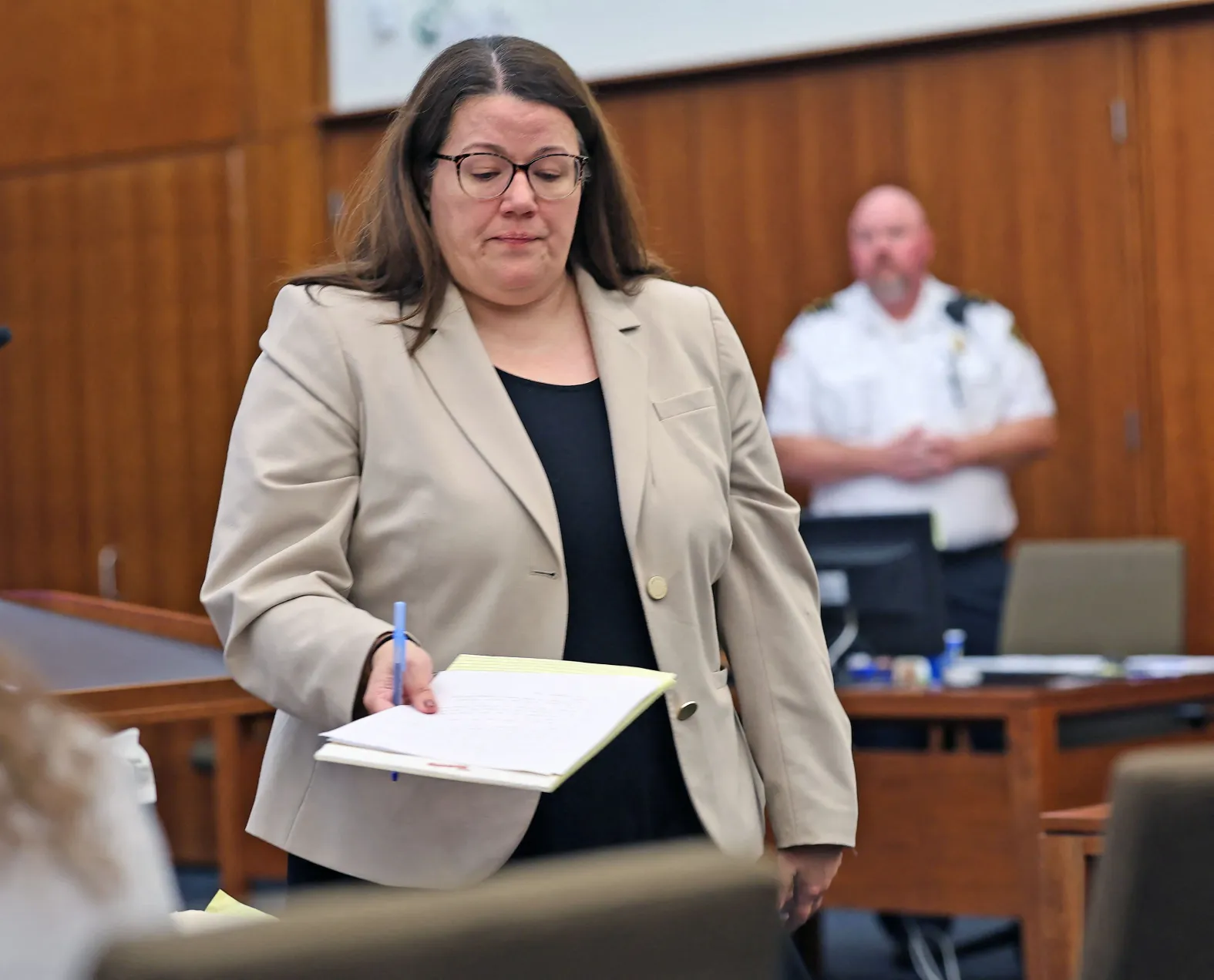
Prosecutors acknowledge that Clancy was struggling psychologically, but they argue that mental illness does not automatically mean she was incapable of understanding that her actions were wrong.
The prosecution has pointed to evidence suggesting that Clancy behaved deliberately before and after the killings.
Prosecutors argue that she waited until her husband, Patrick Clancy, left the home before attacking the children and then attempted to take her own life.
Their central argument is that Clancy understood what she was doing and understood that it was wrong.
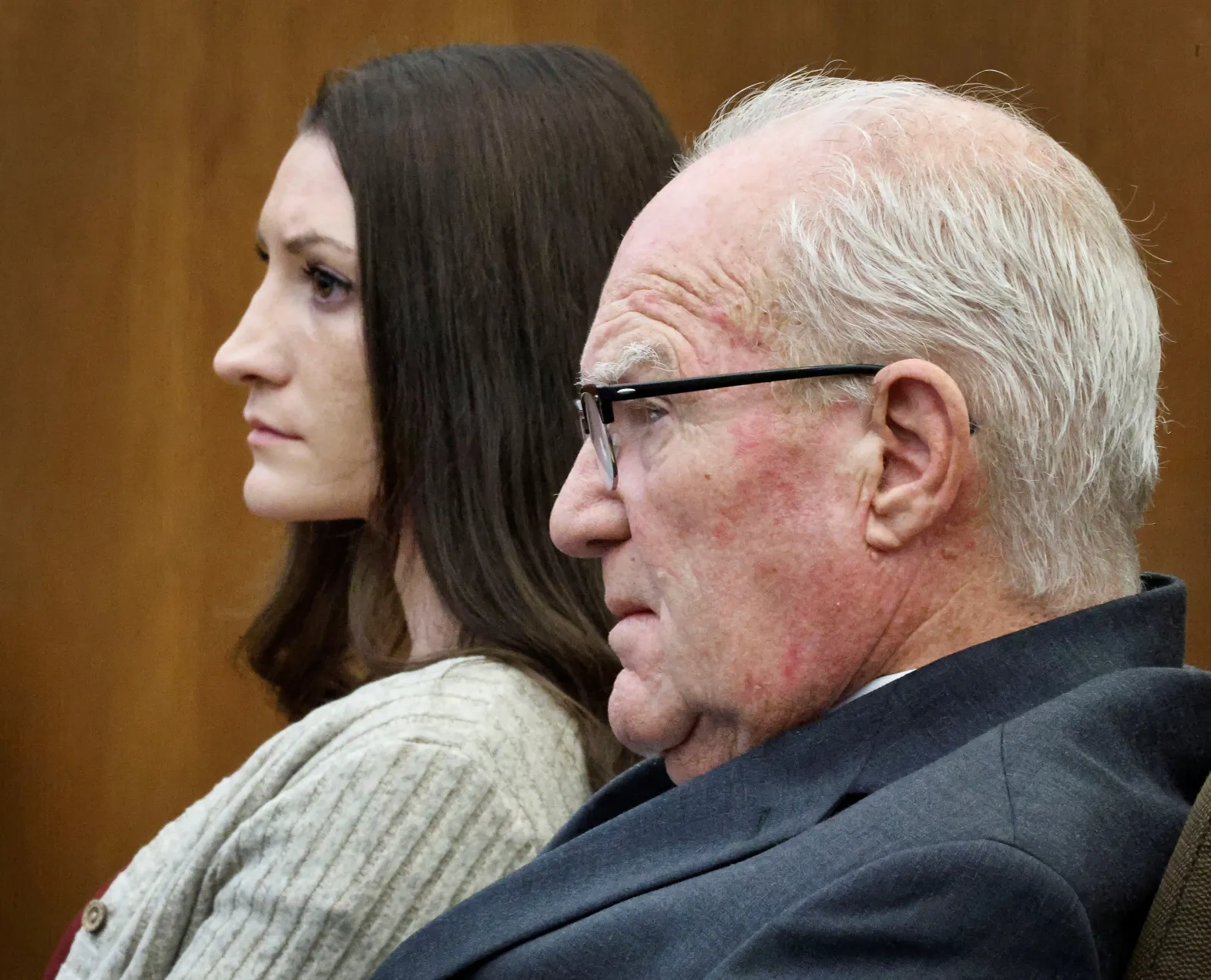
Experts Disagree
Psychiatric testimony has become one of the most important parts of the trial.
Defense experts described severe psychiatric symptoms and argued that Clancy’s behavior was consistent with postpartum psychosis.
The prosecution’s experts reached a very different conclusion.
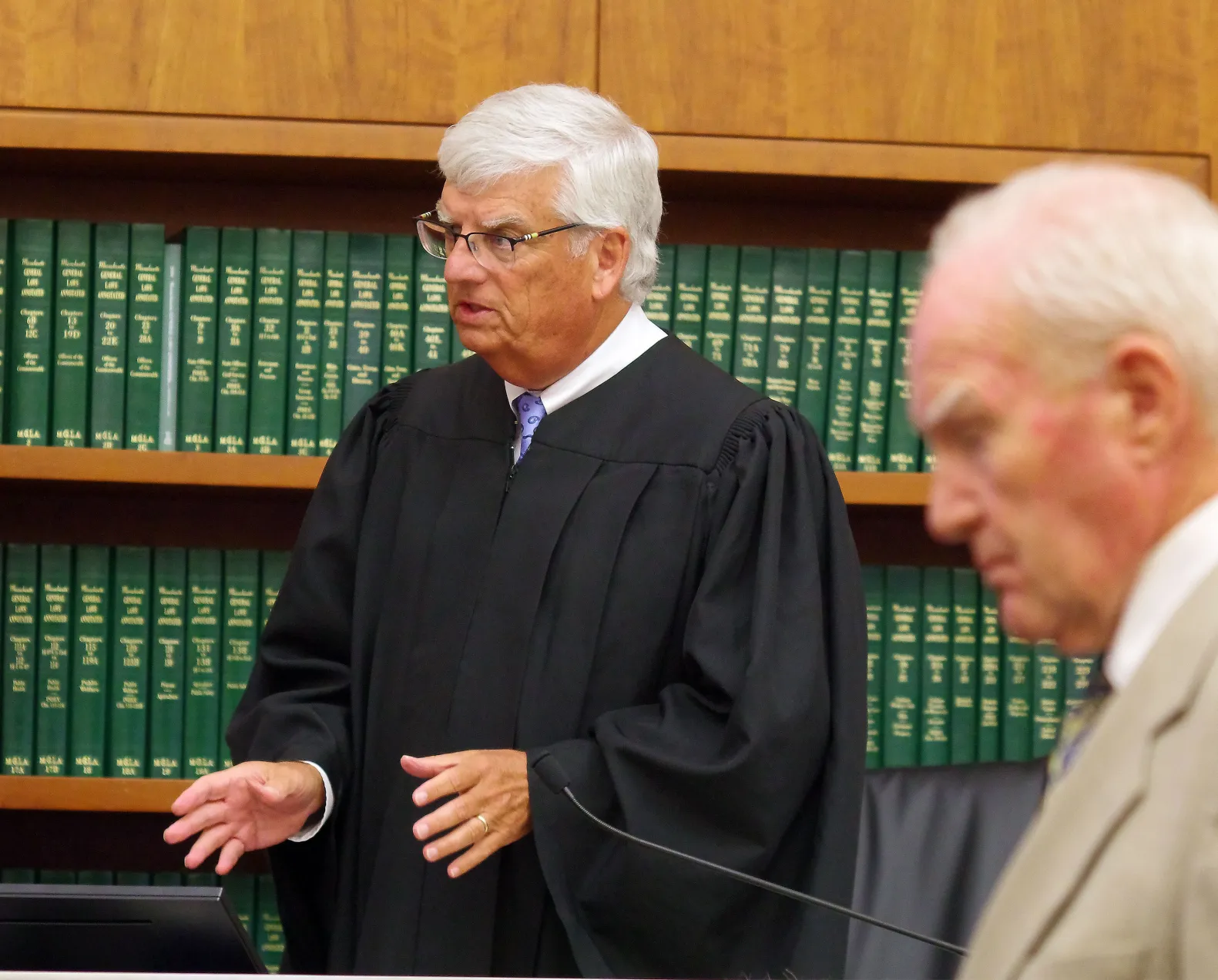
FBI forensic psychiatrist Dr. Gregory Saathoff testified that he did not believe Clancy was experiencing hallucinations in the way she described during the killings. He also argued that some aspects of her behavior appeared inconsistent with someone experiencing the type of psychosis claimed by the defense.
The competing medical opinions have left jurors with two sharply different interpretations of Clancy’s mental state.

More Than 80 Witnesses Testify
The trial has lasted weeks and featured testimony from dozens of witnesses.
Jurors heard from family members, law-enforcement officers, medical professionals and psychiatric experts.
Patrick Clancy, Lindsay’s husband at the time, also testified about his wife’s condition and the events surrounding the tragedy.
Overall, 84 witnesses testified during the evidentiary portion of the trial.
The extensive testimony has focused not only on what happened inside the Duxbury home, but also on Clancy’s behavior, medical treatment and mental state during the months leading up to the killings.
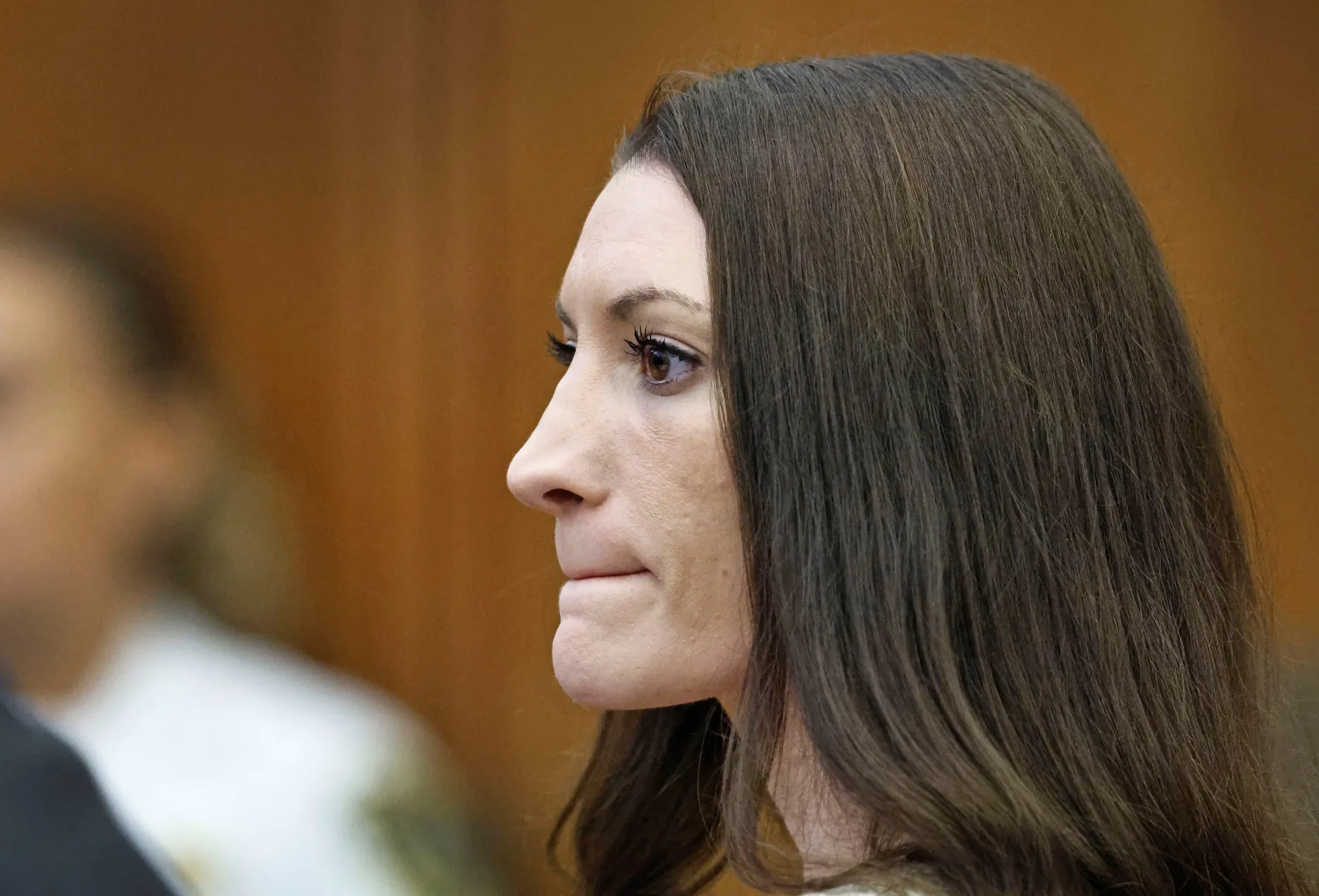
The Legal Question
The case ultimately comes down to criminal responsibility.
In Massachusetts, a defendant can be found not criminally responsible if a mental disease or defect prevented them from appreciating the criminality or wrongfulness of their conduct or from conforming their behavior to the law.
That means jurors are not simply being asked whether Clancy suffered from mental illness.
They must determine whether her mental condition was severe enough to prevent her from understanding the wrongfulness of what she was doing.
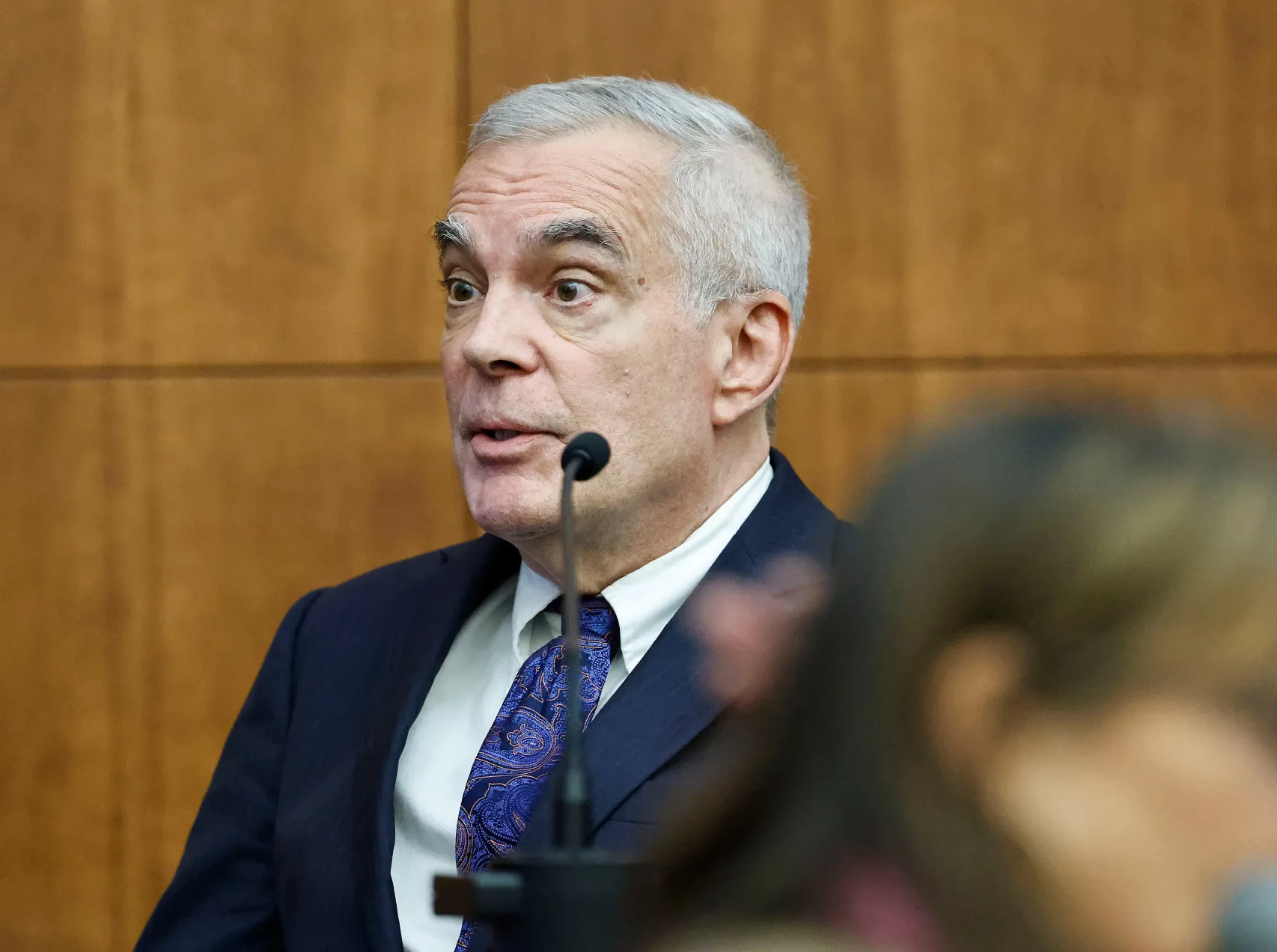
Jury Now Weighs the Evidence
The trial has now moved beyond opening arguments and testimony. After closing arguments on August 27, the jury began deliberating.
Jurors can consider murder charges as well as manslaughter, while the defense continues to seek a finding that Clancy was not criminally responsible because of mental illness.
The case has drawn national attention not only because of the devastating loss of three children, but also because of the difficult questions it raises about postpartum mental illness, psychiatric treatment and criminal responsibility.
For the Clancy family, however, the legal arguments cannot change the tragedy that occurred in January 2023.
The jury’s task is now to decide how the law should hold Lindsay Clancy accountable for what happened — and whether her severe mental-health struggles fundamentally changed her ability to understand her actions at the time.