He Refused One Scene—and Lost His Career: How Neal McDonough Risked Everything for a Promise He Wouldn’t Break
- NgoPhong
- July 29, 2026
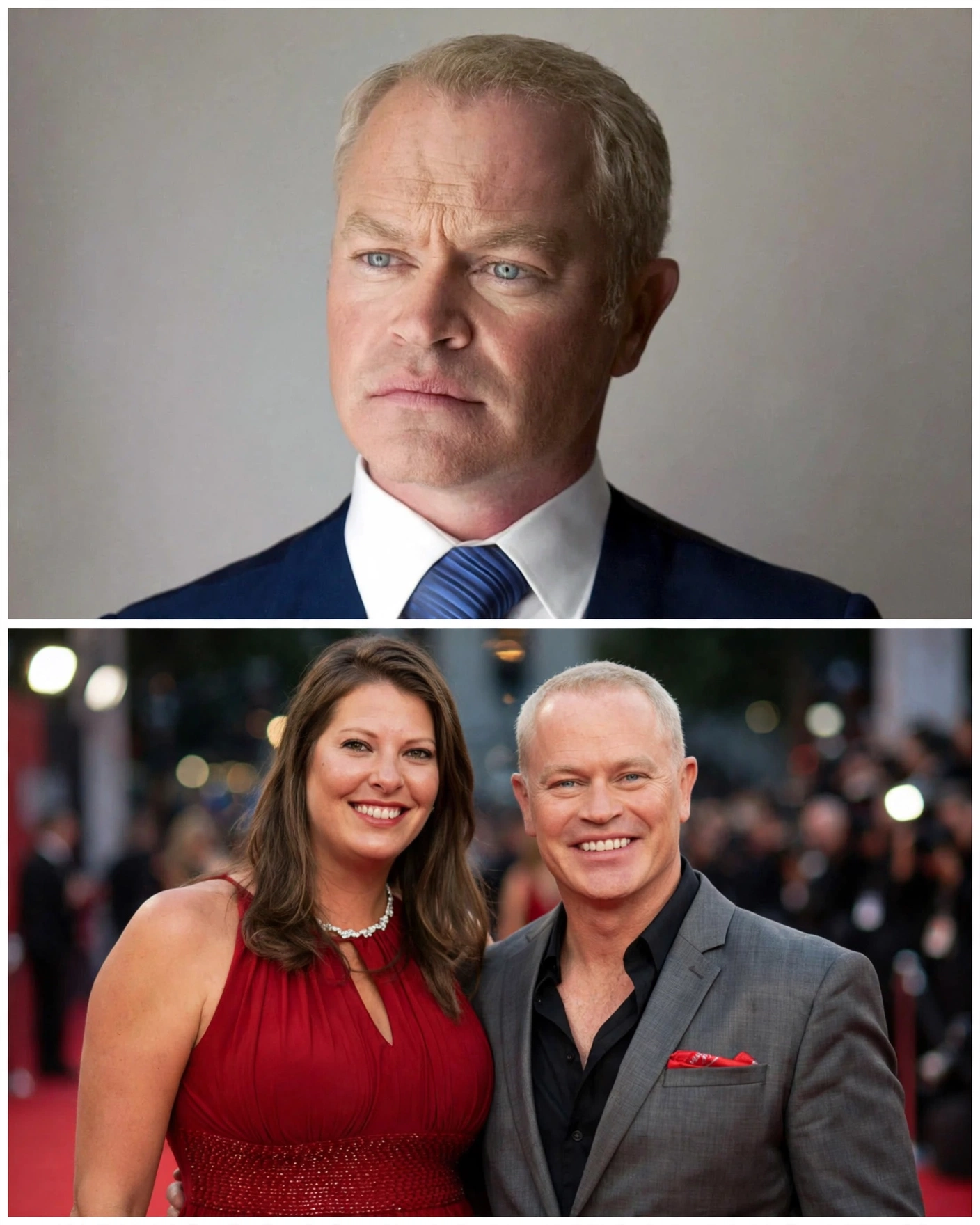
In an industry built on compromise, one decision can change everything.
For Neal McDonough, that moment came when he quietly refused to do something many actors consider routine. It wasn’t about money, fame, or creative control. It was about a personal promise—one he had made long before the cameras started rolling.
And keeping that promise would cost him nearly everything.
By the time his career reached a turning point, McDonough was already a recognizable face in Hollywood. He had built a reputation as a versatile actor, appearing in films and television shows that showcased his ability to move between roles with ease. His presence was steady, professional, and respected within the industry.
But behind that success was a line he would never cross.
McDonough had made a commitment in his personal life—one rooted in his values and his marriage. He would not perform intimate scenes with anyone other than his wife. It was not a decision driven by publicity or controversy. For him, it was simply non-negotiable.
At first, that boundary did not seem like a major obstacle.
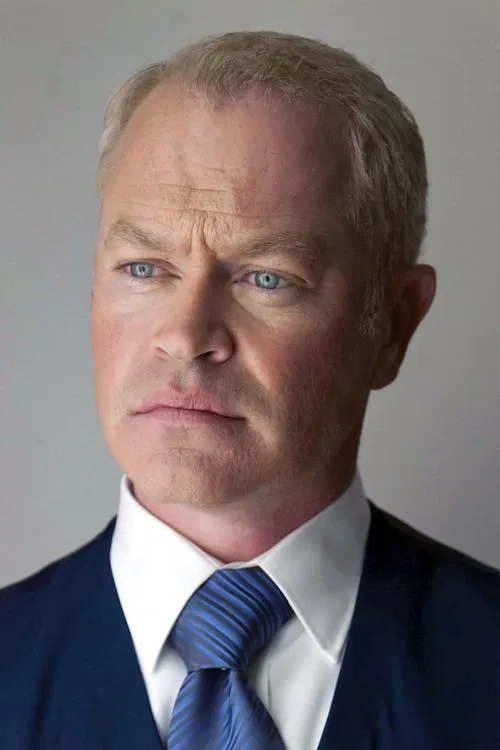
Then came the moment when it collided directly with his career.
While working on a television project, McDonough declined to film scenes that conflicted with his personal stance. In an industry where such scenes are often considered standard, the refusal created immediate tension.
The consequences followed quickly.
He was removed from the project, and the decision sent a message across Hollywood. For casting directors and producers, reliability often includes a willingness to meet the demands of a role. McDonough’s stance, while personal, was seen as a limitation.
Work began to disappear.
Opportunities that once came regularly slowed down, then stopped. The actor who had spent years building momentum suddenly found himself facing silence. Roles were no longer being offered, and the career he had worked so hard to establish seemed to unravel almost overnight.
For many, it would have been a moment to reconsider.
To adjust.
To compromise.
But McDonough didn’t.
Instead, he stood by the decision that had cost him everything.
The impact extended beyond his professional life. With fewer acting opportunities, financial pressure began to build. At one point, he described losing not just work, but stability. The uncertainty was real, and the future felt increasingly unclear.
Yet through it all, he never expressed regret.
For him, the choice was never about career versus principle. It was about staying true to something he believed mattered more than success.
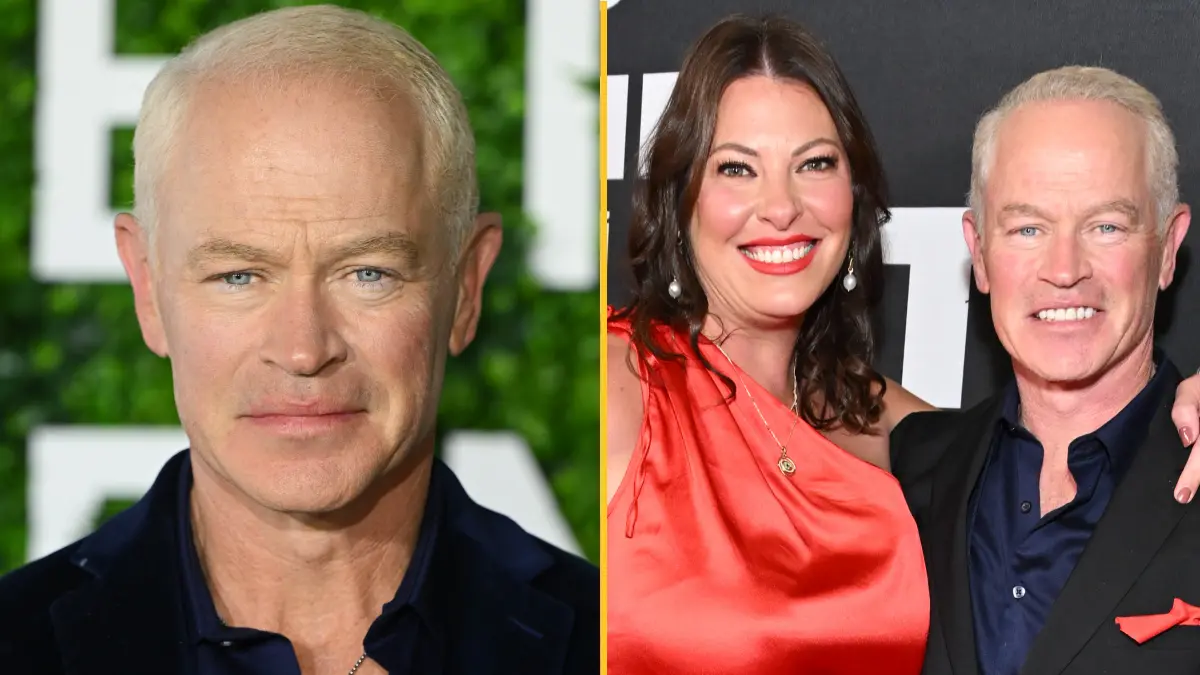
That belief was tested over time.
Years passed, and the industry continued moving forward without him. But gradually, something began to change. Filmmakers who understood his values started to see his consistency not as a limitation, but as a strength.
They began offering roles that aligned with who he was.
Instead of asking him to change, they worked around his boundaries. His professionalism, talent, and unwavering stance became part of his identity as an actor.
Slowly, opportunities returned.
McDonough rebuilt his career step by step, taking on roles that allowed him to remain authentic both on and off screen. The journey was not immediate, and it was not easy. But it was real.
And it was his.
Over time, his story began to resonate beyond Hollywood.
In a world where success is often tied to flexibility and compromise, his decision stood out. It became an example of what it means to hold onto personal values even when the cost is high.
For some, it was inspiring.
For others, it raised questions about the balance between personal beliefs and professional expectations.
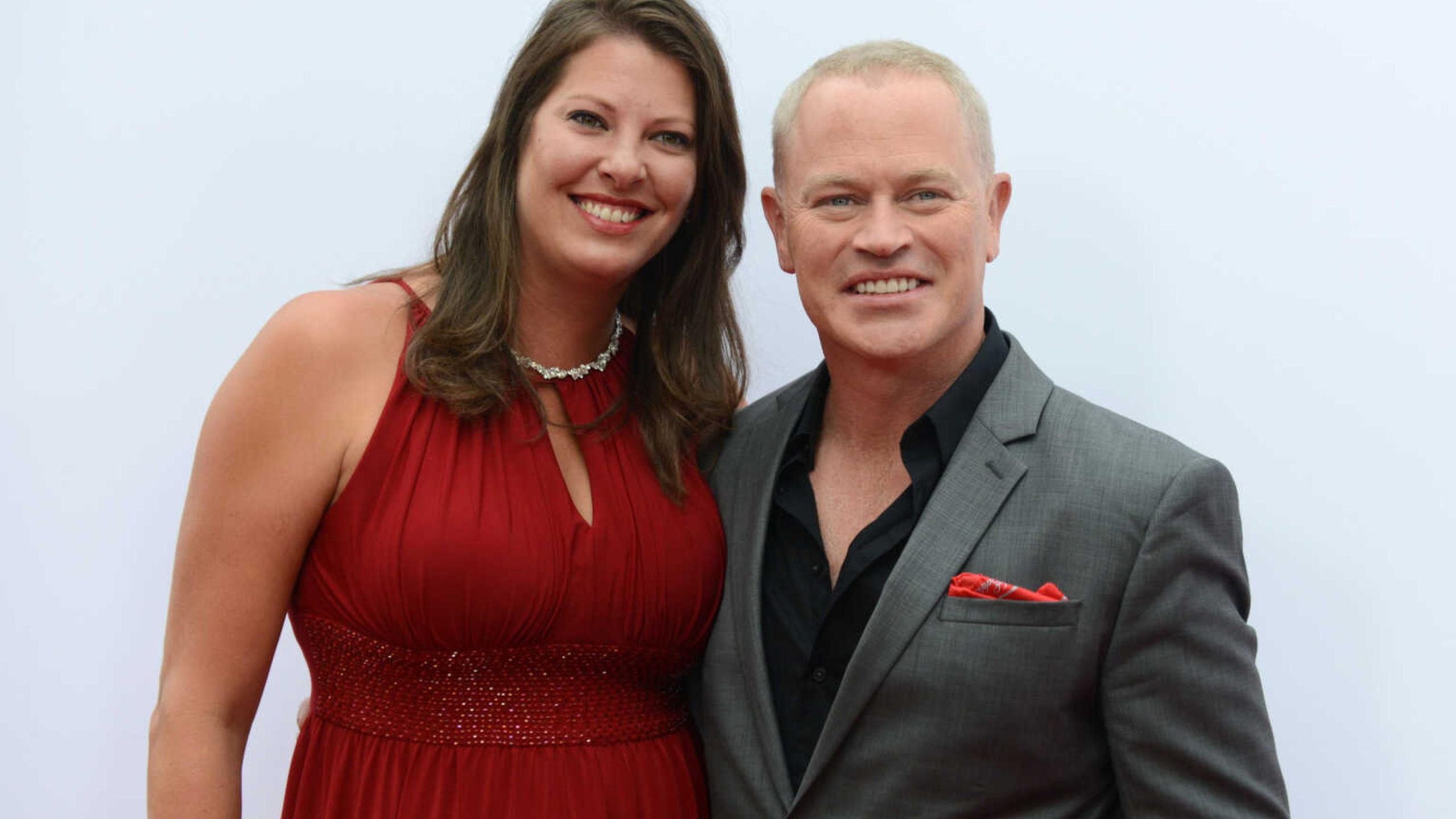
But for McDonough, the answer had never changed.
He had made a promise—and he kept it.
That choice eventually brought his life full circle. The same decision that once closed doors ultimately helped define the kind of roles he would take and the path he would follow. His career did not end; it transformed.
And in that transformation, he found something many people spend their lives searching for: alignment between who he was and what he did.
Today, his journey is remembered not just as a story about Hollywood, but as something more universal.
It’s about conviction.
It’s about the quiet strength required to stand by a decision when everything else is telling you to let it go.
And it’s about understanding that sometimes, losing everything is the price of staying true to yourself.
In the end, Neal McDonough didn’t just rebuild his career.
He redefined it.
Not by changing who he was—but by refusing to.