The Song Dolly Parton Chose for Her Funeral Reveals a Deeply Personal Side of the Country Icon
The Song Dolly Parton Chose for Her Funeral Reveals a Deeply Personal Side of the Country Icon
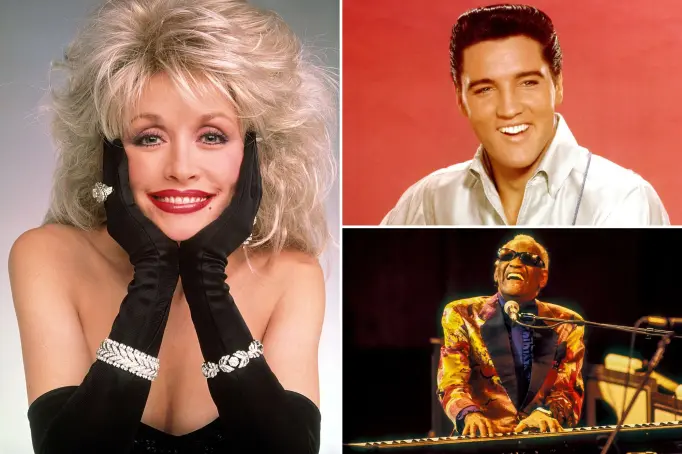
NASHVILLE, Tennessee — Long before her passing, Dolly Parton had already decided what song she wanted to hear at her funeral — and the choice says something deeply personal about the country music legend.
Rather than selecting one of her own famous hits, Parton chose the old gospel hymn “If We Never Meet Again (This Side of Heaven).”
The song carried a special meaning for her because it was one of her father’s favorite songs and was also performed at his funeral.
A Song Connected to Her Father
Parton revealed her funeral-song choice years before her passing, explaining that the hymn had a powerful connection to her family.
Her father, Lee Parton, was especially fond of the song, making it more than simply a piece of music to Dolly.
Choosing it for her own farewell meant bringing a meaningful part of her childhood and family history into the final chapter of her life.
It was a surprisingly personal choice from a performer whose career produced countless songs that could easily have served as a farewell.
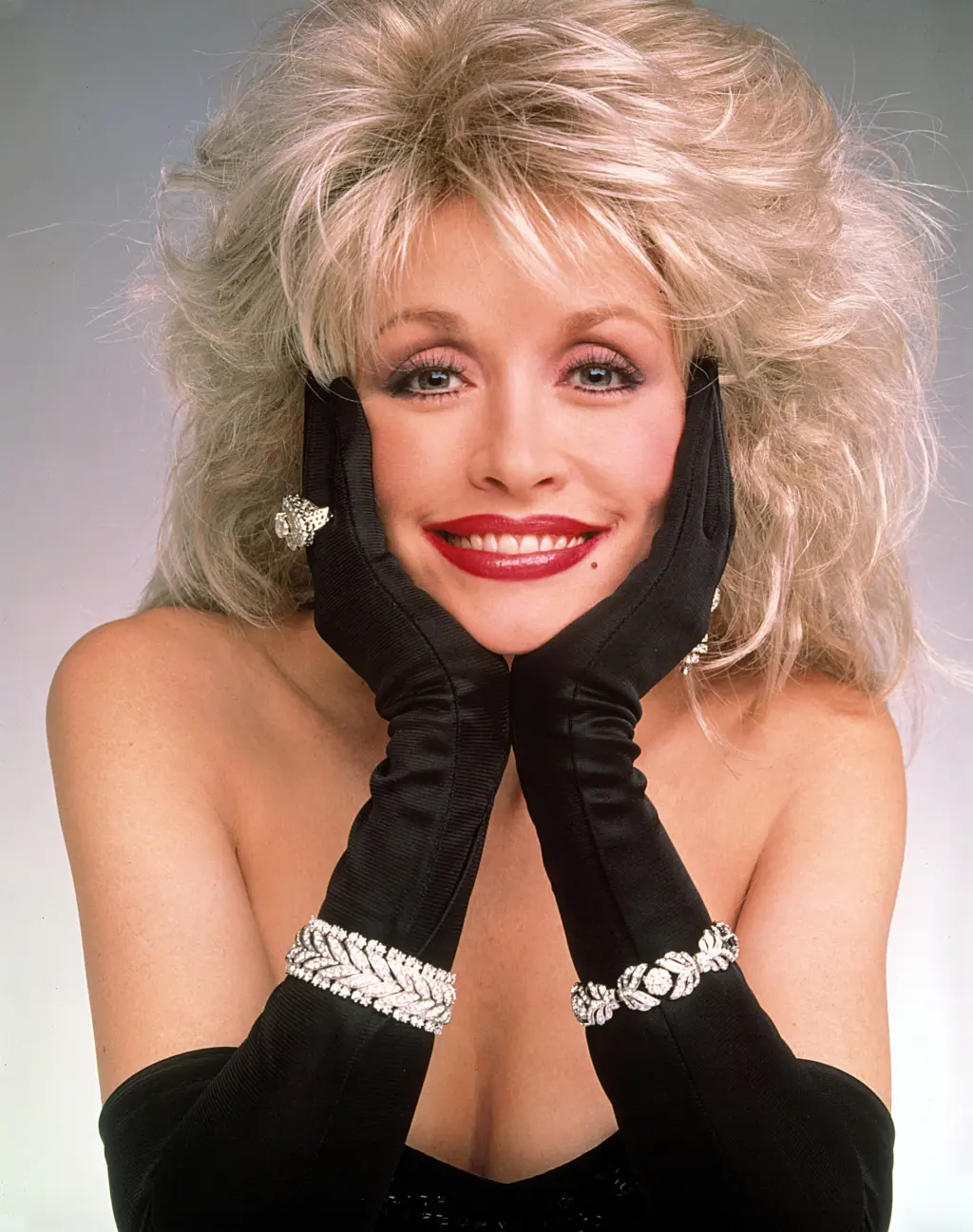
She Could Have Chosen “I Will Always Love You”
Dolly Parton wrote some of the most recognizable songs in music history, including “I Will Always Love You.”
The song became an even bigger global phenomenon when Whitney Houston recorded her iconic version for The Bodyguard soundtrack.
Because of its enormous cultural significance, many fans might have expected it to be part of Parton’s final farewell.
But Parton had something else in mind.
Her selection of “If We Never Meet Again” reflected a quieter side of the singer — one rooted in family, faith and the traditions she grew up with.
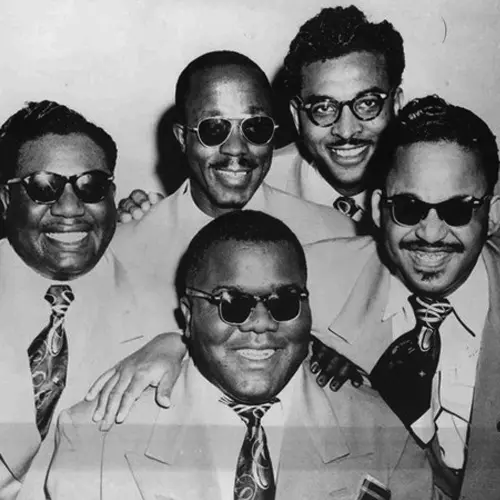
The Meaning Behind the Hymn
The song is a traditional country-gospel piece about saying goodbye while holding onto the hope of meeting again.
That message appears particularly fitting for Parton, whose upbringing in the Smoky Mountains of Tennessee was deeply influenced by gospel music and her family’s faith.
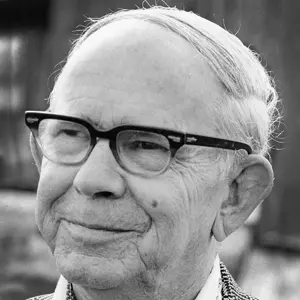
The hymn was written by Albert E. Brumley, one of the most influential composers in American gospel music.
Over the decades, the song became part of a broader musical tradition that crossed racial, regional and cultural boundaries — something that also reflected Parton’s own ability to connect with vastly different audiences.
Her Choice Was About Family, Not Fame
Parton’s decision is striking because it wasn’t centered on her celebrity.
She could have selected the song that made her famous, a career-defining performance or one of the countless hits associated with her name.
Instead, she chose something connected to her father.
That detail offers a glimpse of Dolly beyond the rhinestones, awards and worldwide fame — a daughter remembering her family and the music she grew up hearing.
A Private Farewell
Parton passed away on August 25, 2026, at age 80, following a brief battle with cancer.
Her funeral was held privately in Nashville on August 28, with only close family and loved ones attending. She was laid to rest near her late husband, Carl Dean, in accordance with her wishes.
The private nature of the service was consistent with the wishes Parton had expressed during her lifetime.
Rather than a massive public spectacle, her final farewell was centered on the people closest to her.
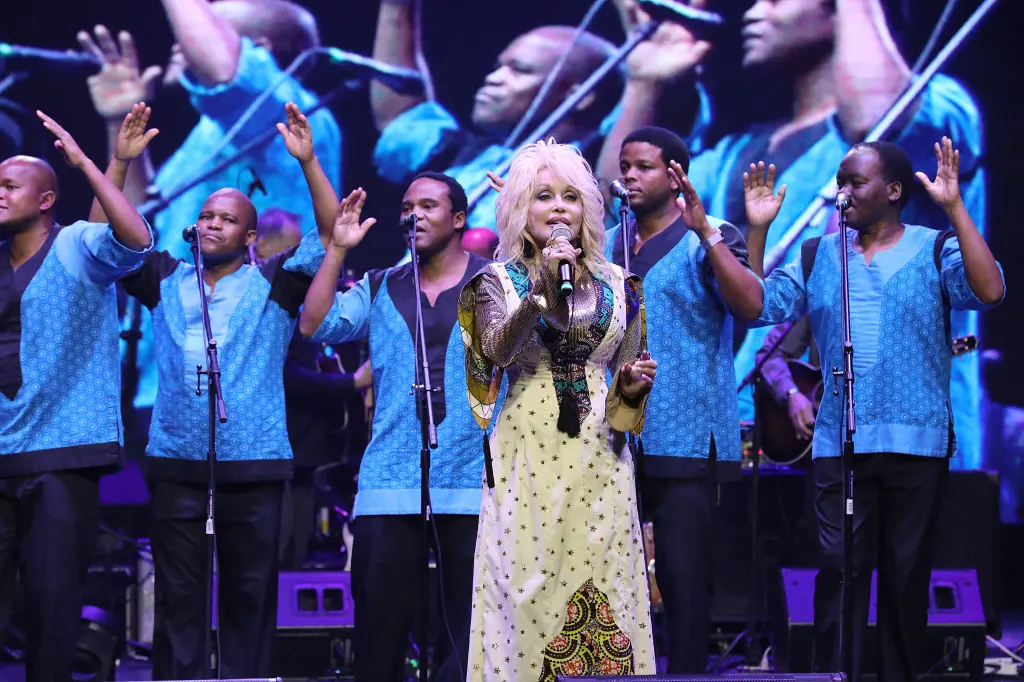
Her Legacy Goes Far Beyond One Song
Parton’s career stretched across music, film, television, business and philanthropy.
She became one of the most influential figures in country music while also using her success to support literacy, education and communities around the world.
Through her Imagination Library, she helped provide hundreds of millions of books to children.
But behind that enormous public legacy was a woman who continued to place tremendous importance on family and the values she learned growing up.
Perhaps that’s why the song she chose for her funeral feels so revealing.
It wasn’t necessarily the song that best represented Dolly Parton the superstar.
It was the song that connected Dolly Parton the daughter to the father she never stopped remembering.
And in the end, that may be exactly what she wanted her final song to say.