Dolly Parton Never Wavered: The Woman Behind the Rhinestones
Dolly Parton Never Wavered: The Woman Behind the Rhinestones
Dolly Parton built a career on her own terms, turning music, humor, style and generosity into a legacy that outlasted every stereotype placed on her.
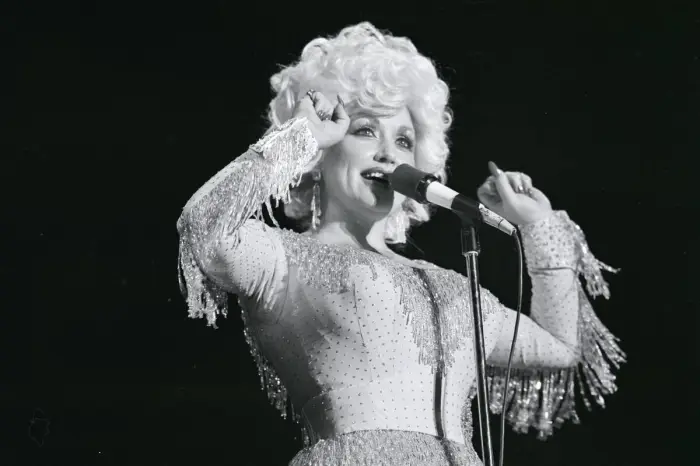
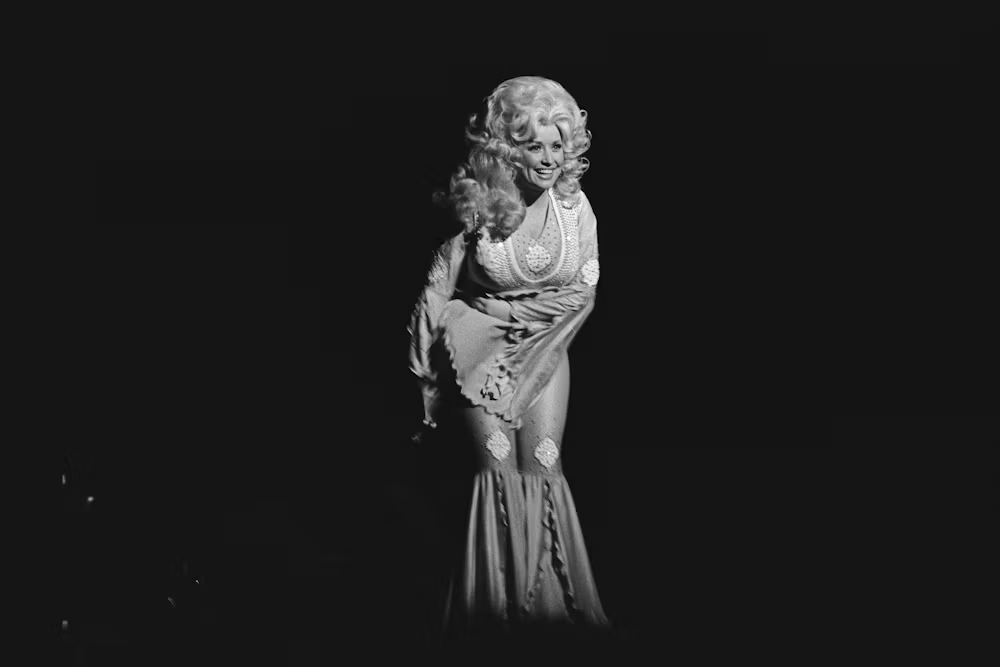
Dolly Parton was often treated as a joke before she was fully recognized as an artist. Her enormous hair, rhinestone-covered clothes, exaggerated persona and unapologetic glamour frequently received more attention than her songwriting and musical ability.
But Parton never seemed interested in changing herself to satisfy her critics.
She understood exactly who she was and turned that confidence into one of the most enduring careers in American popular culture.
She Refused to Change
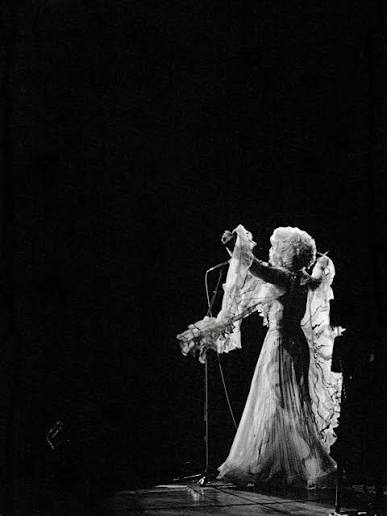
Parton’s public image was carefully chosen. The wigs, glitter, bright colors and deliberately over-the-top appearance were not accidents. She embraced the persona of a glamorous, larger-than-life country star and used humor to take control of the jokes made about her.
Rather than allowing other people to define her, she made her appearance part of her own brand.
That attitude extended to her music. Songs such as “Jolene” and “I Will Always Love You” established her as a formidable songwriter, while “Here You Come Again” demonstrated that she could cross from country music into mainstream pop without abandoning her identity.
Yet for years, the media often focused more heavily on her appearance than on her talent.
Parton kept working anyway.
From Country Star to Cultural Icon
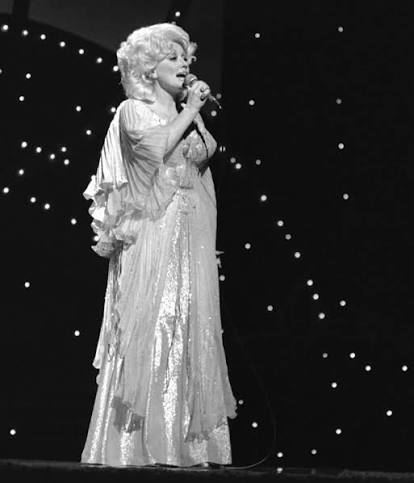
After becoming one of Nashville’s biggest stars, Parton expanded beyond music. She became a successful actress, appearing in films including 9 to 5 and The Best Little Whorehouse in Texas, while continuing to write and record music.
Her career also survived periods when she was less visible. Health problems forced her away from the stage at various points, and some of her later achievements were described as comebacks.
But Parton never truly stopped.
She opened Dollywood in 1986 and later created the Imagination Library, a literacy program that provides free books to young children. The initiative was particularly meaningful because Parton’s father had never learned to read.
Her philanthropy eventually became as important to her public image as her entertainment career.
The Dolly Parton People Eventually Understood
Parton’s popularity experienced another major resurgence later in life.
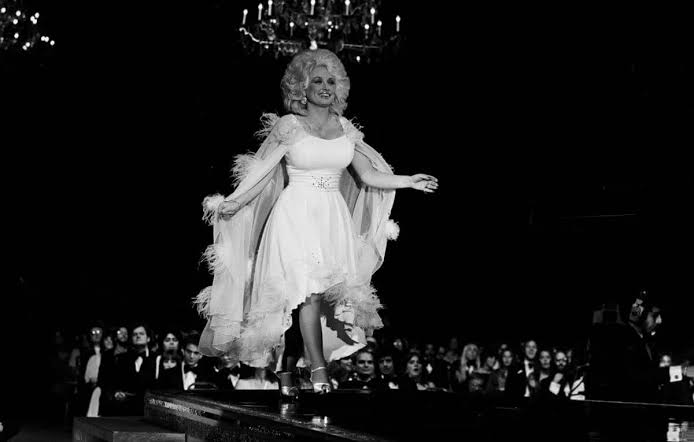
As audiences rediscovered her music and embraced her distinctive personality, much of the old mockery began to fade. Her appearance, once treated as the punch line, became part of a carefully constructed image that she had maintained for decades.
By the time she performed for enormous audiences around the world, including at Glastonbury in 2014, Parton had become something much larger than a country singer.
She was a cultural institution.
Her influence also extended beyond music. She became known for generosity, humor, business instincts and an unusual ability to appeal to people from very different backgrounds.
A Private Woman Behind a Public Persona
For all her openness, Parton carefully protected parts of her personal life.
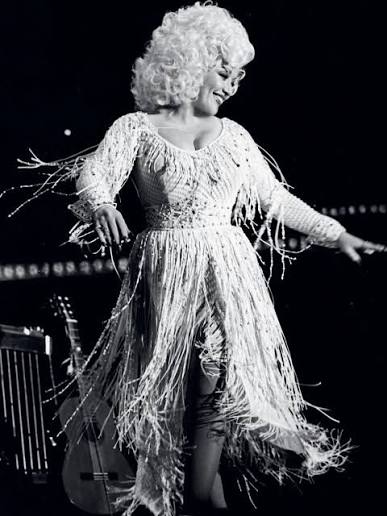
She gave audiences an enormous amount of herself through music, films, interviews and philanthropy, while maintaining boundaries around her marriage and other private matters.
That contrast helped make her seem almost larger than life.
People could see the Dolly Parton she chose to show them, while much of the woman behind the public persona remained her own.
Her Greatest Strength Was Her Humanity
Parton’s death at 80 brought an outpouring of affection from fans who had watched her career for generations.
Much of the mourning focused not only on her music but also on the kindness and generosity that had become inseparable from her name.
Yet perhaps the most remarkable part of her legacy was that she never needed to become someone else to earn that affection.
She remained Dolly: glamorous, funny, ambitious, sentimental and fiercely determined.
For decades, the world tried to reduce her to a stereotype. Parton simply kept creating, performing, building and giving.
Eventually, the rest of the world caught up with her.