30-Hour Charlotte SWAT Standoff Ends With Armed Man Taken Into Custody Alive After Sniper Shot and Lengthy Negotiations
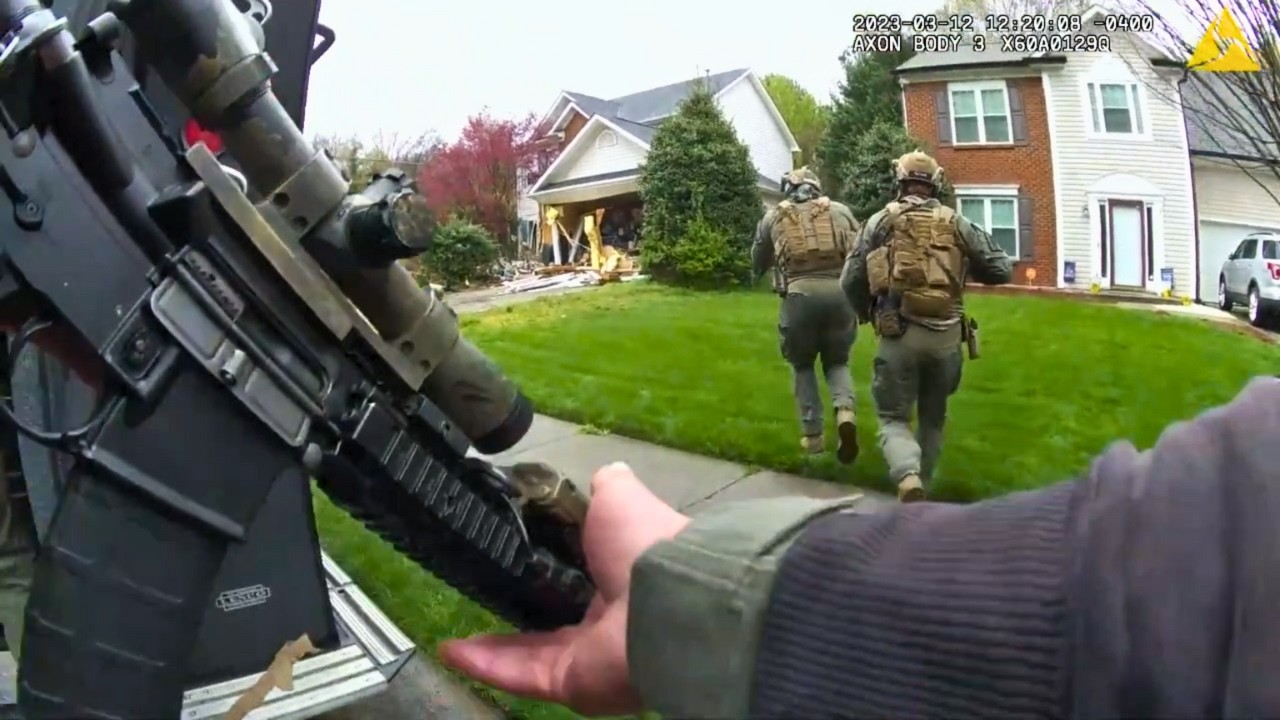
A police response to a familiar Charlotte home escalated into a more than 30-hour armed standoff after neighbors reported a man making threats, officers learned he had access to a revolver, and repeated attempts to persuade him to surrender failed.
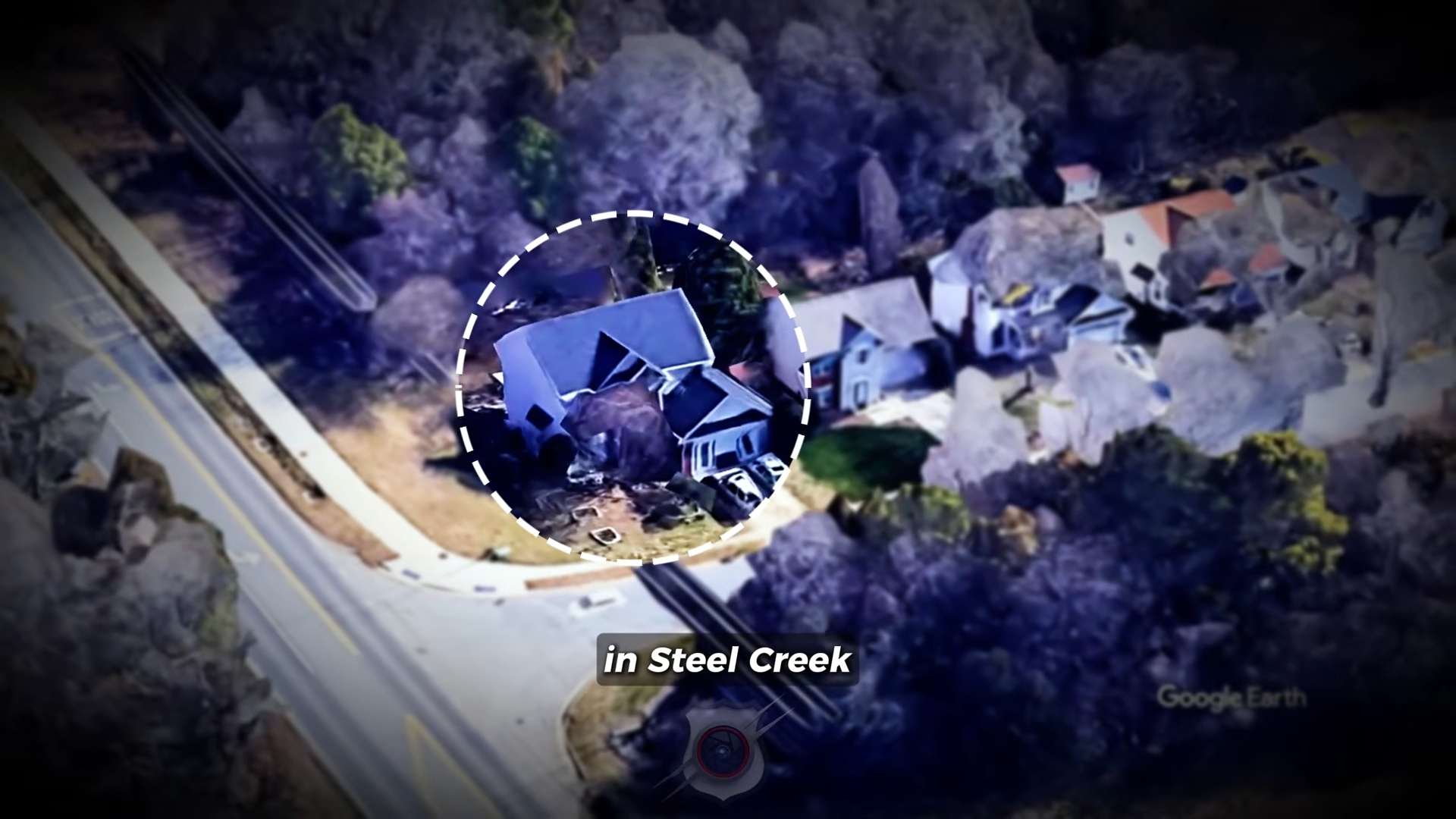
The March 11, 2023, incident unfolded on Greers Fork Drive in the Steele Creek area and ultimately involved patrol officers, crisis negotiators, SWAT teams, armored vehicles, drones, a robot and police snipers.
It was far from the first time authorities had been called to the residence.
According to the footage, Charlotte-Mecklenburg police had previously responded there 45 times, making this the 46th call. Officers had also dealt with the same man during repeated crises, including 13 previous crisis-intervention responses.
This time, however, officers believed the risk was significantly greater.
The man was reportedly armed, had outstanding warrants and was threatening both neighbors and police.
Neighbors Call 911 After Threats
The confrontation began when residents called 911 to report that their neighbor was outside using a megaphone and making threats.
One caller said the behavior had been captured on video and told the dispatcher that residents were frightened.
Another said the family was already working with a police crisis-response team and had been instructed to document new threats through 911.
When the first officers arrived, the man refused to meet them outside.
Instead, he answered through a megaphone from inside the home, shouting confusing statements and insisting that officers had no authority over him.
At one point, he claimed to be the president of the United States.
The behavior immediately suggested to officers that peacefully serving the outstanding warrant would not be straightforward.
Then his mother came to the door.
Her warning made the situation more dangerous.
Mother Tells Police Her Son Has a Gun
Because of a language barrier, communication with the woman was initially difficult.
But officers understood the most important part.
Her son had access to a firearm.
She appeared to describe a revolver kept in his room and repeatedly suggested that he was unstable.
Officers moved away from areas where they might be visible from inside the home in case he began shooting.
Later, the woman’s daughter helped translate.
She confirmed that her brother had a revolver somewhere in his room and also had access to a baseball bat.
Police established that he was alone inside apart from two dogs.
By then, SWAT and negotiators were on the way.
The suspect also began calling 911 himself, claiming police had kidnapped his mother and intended to kill him.
The standoff was taking shape.
Hours of Negotiations Produce Little Progress
Negotiators repeatedly called the man and urged him to walk outside with nothing in his hands.
He refused.
His statements shifted dramatically from one conversation to another. He claimed to work for the government, referred repeatedly to Donald Trump and at times adopted different identities.
Officers continued trying to keep him talking.
Their central message remained simple: come outside peacefully.
As hours passed without progress, SWAT surrounded the property.
Armored vehicles moved into position. Officers with rifles and shields covered multiple angles while negotiators continued their conversations.
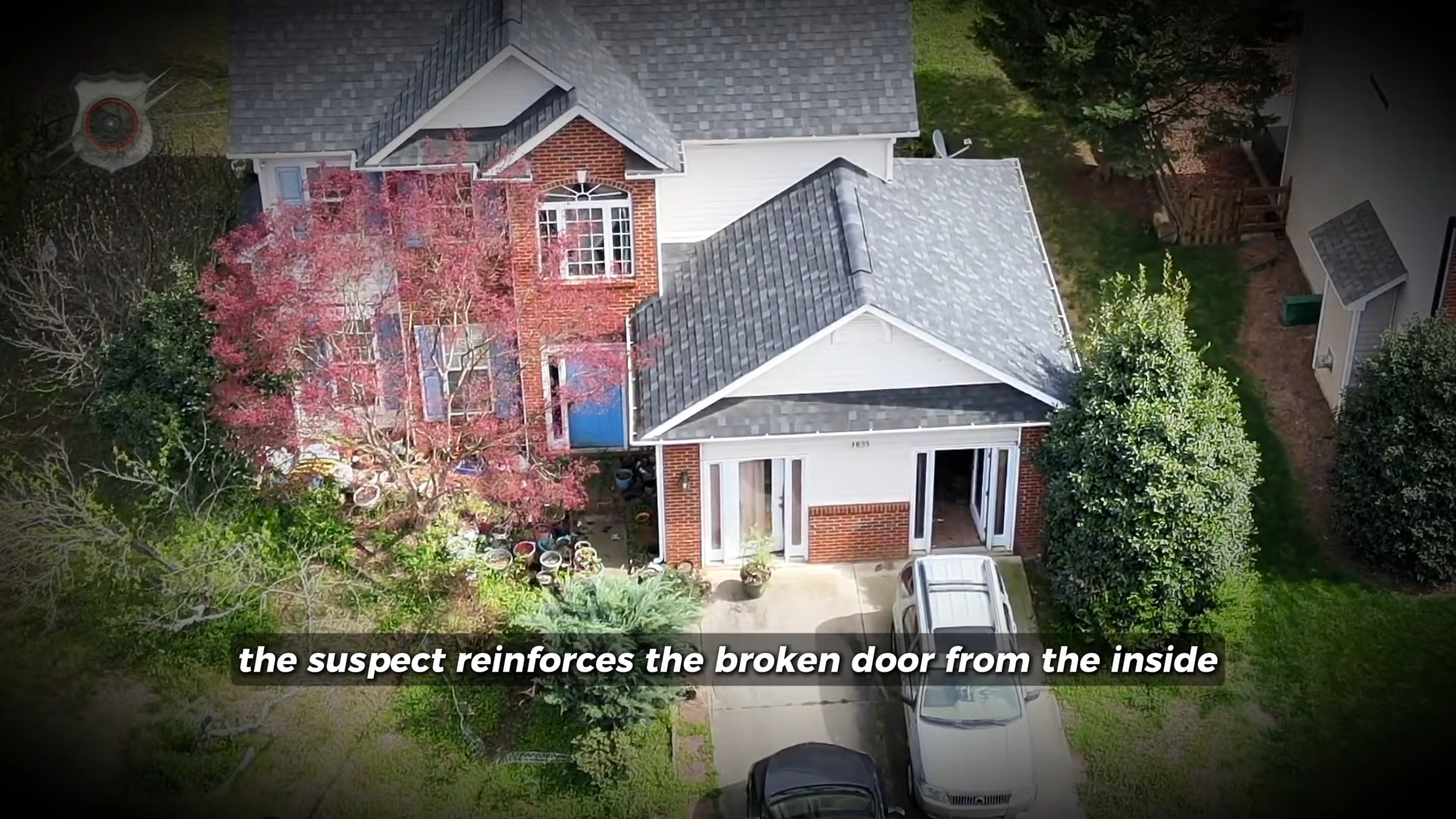
Eventually, police forced open the front door.
Instead of prompting surrender, the breach appeared to anger the man further.
He threatened to shoot and reinforced the damaged entrance from inside.
Police then began using technology to reduce the risk to officers.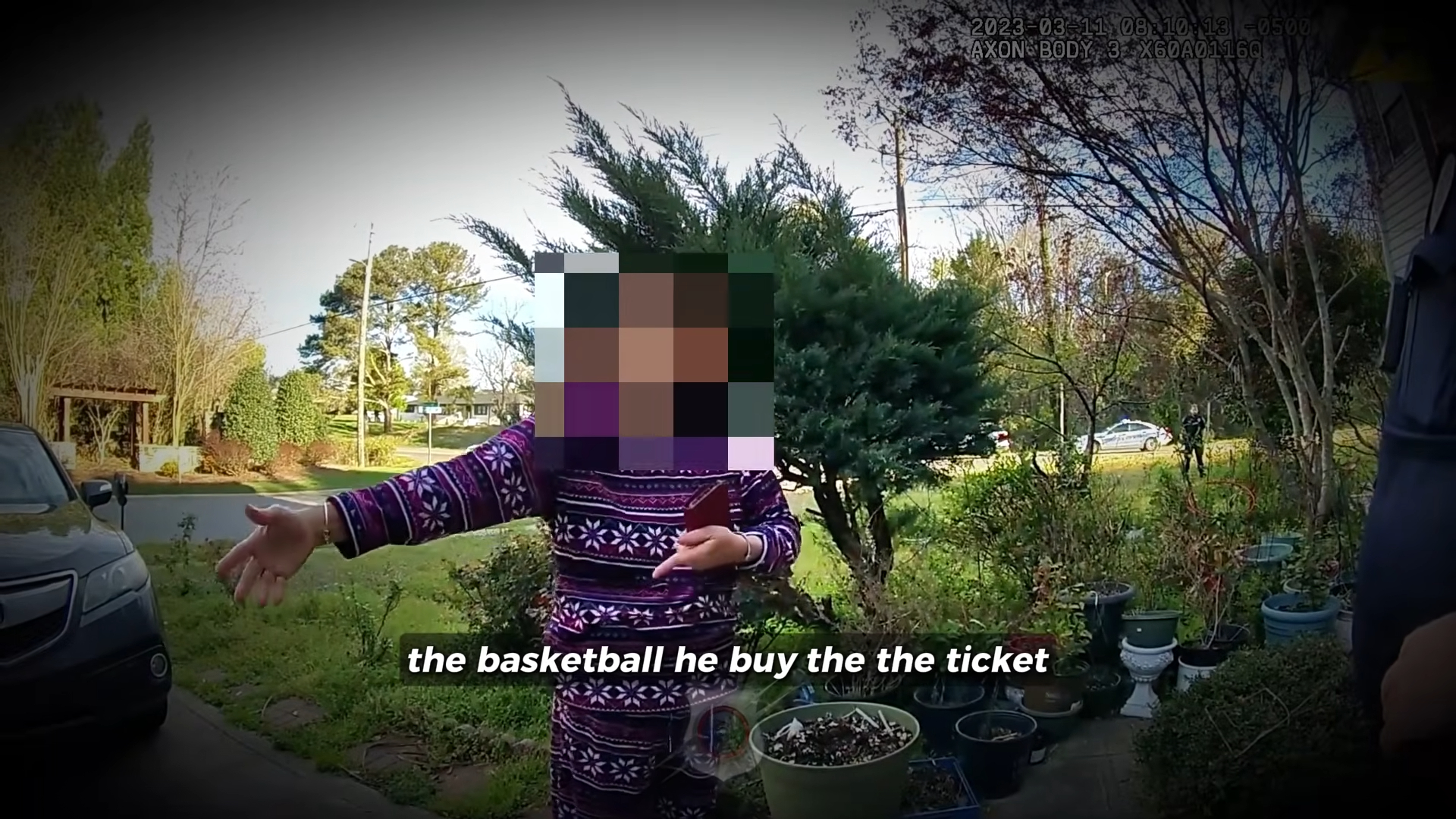
Suspect Destroys a Police Drone
A drone was sent into the darkened house to locate the suspect and determine where he was positioned.
It did not last long.
The man suddenly came through a doorway carrying a baseball bat and struck the drone, destroying it.
Negotiators continued talking.
At points, the man described hearing a voice controlling him and repeatedly returned to the idea that either he would die inside the home or police would kill him.
Officers still resisted launching an immediate full-scale assault.
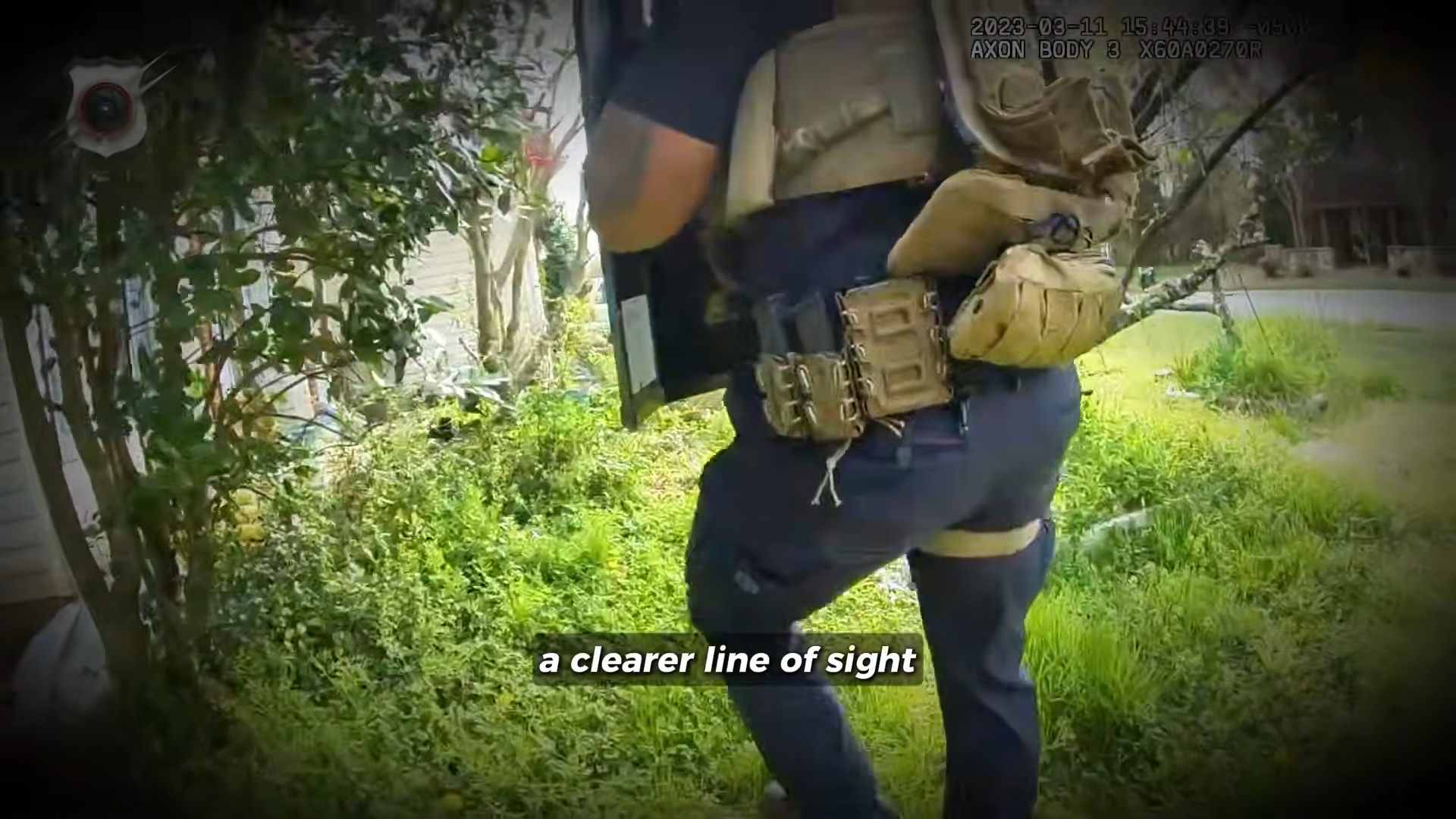
Instead, they used additional drones, armored vehicles and eventually a robot to gain information while trying to create safer lines of sight.
An explosive charge was used to open one window, followed by an armored vehicle breaking through another part of the structure.
Several drones were reportedly disabled during the operation.
Then officers saw something that forced a split-second decision.
Sniper Fires After Gun Appears
Through a sniper’s scope, officers saw the suspect near the doorway while he appeared to be trying to reposition part of the barricade.
This time, police said there was a gun in his hand.
“Gun in his left hand,” an officer announces.
A sniper fired.
The man stumbled backward and disappeared upstairs.
For officers outside, the immediate problem was that no one knew whether he had been seriously wounded.
Negotiators called his phone.
There was no response.
They switched back to loudspeaker announcements and asked him to contact police so they could confirm he was alive.
Drones and a robot were sent deeper into the home.
Then came an unexpected sign of life.
The suspect called 911.
“My Name Is Lucifer”
During the call, the man described the police shooting as though it had happened to someone else.
He told the dispatcher he was “in heaven” and identified himself as “Lucifer.”
He also described seeing police shoot someone who had been holding a gun.
Whatever the meaning of the disjointed call, officers now knew one critical fact:
He was alive.
The operation continued through the night.
Police removed vehicles from the garage area, opened additional access points and kept applying pressure while negotiators maintained contact.
The man continued making erratic statements over the phone and megaphone and later began posting videos to social media claiming police were trying to kill him.
By morning, the standoff had stretched beyond a full day.
Officers deployed smoke and cut power to the house while keeping snipers in position.
Then, after more than 30 hours, the suspect finally appeared at the doorway.
A Few Steps From Surrender
Officers immediately began encouraging him forward.
They promised they were not going to shoot him and repeatedly told him he was doing well.
For several moments, a peaceful surrender appeared within reach.
“Keep walking towards us,” one officer called.
The man moved forward.
Then he hesitated and began moving backward toward the house.
After more than 30 hours of negotiations, commanders faced the possibility that he would disappear inside again.
The tactical team moved.
Under sniper cover, officers rushed forward and took him to the ground.
Within seconds, he was handcuffed.
A weapon was recovered.
The standoff was over.
More Than 30 Hours — and No One Killed
The suspect was taken into custody and transported to a mental-health facility for treatment.
Despite the length of the confrontation, the presence of a firearm, the sniper shot, repeated threats and the extensive tactical response, no one was killed.
The outcome was the result of an unusually prolonged effort to avoid a deadly conclusion.
Negotiators talked for hours.
SWAT used drones and robots before sending officers directly into danger.
Police repeatedly opened new lines of sight and removed physical barriers.
Even after a sniper fired, officers returned to negotiation once they confirmed the man was still alive.
The incident had begun as another call to an address police already knew well.
Thirty hours later, it had become a full-scale standoff requiring nearly every tool available to modern law enforcement.
And after years of previous police contacts and crisis interventions, this encounter ended with the outcome officers had spent more than a day trying to achieve:
The armed man came out alive.