The Karate Kid Cast Then and Now: How Daniel and Johnny’s Rivalry Survived More Than 40 Years
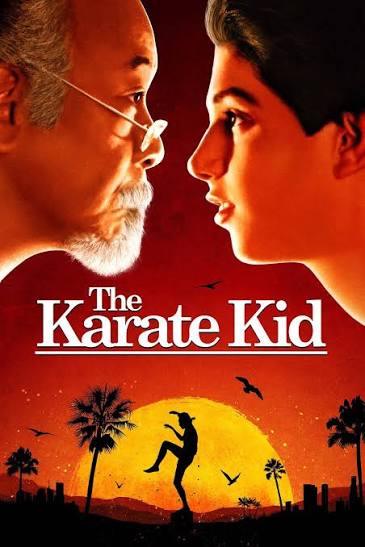
In 1984, Daniel LaRusso and Johnny Lawrence faced each other beneath the bright lights of the All Valley Karate Tournament.
Daniel was the frightened newcomer learning to stand his ground. Johnny was the defending champion trained to show no mercy. Their final confrontation lasted only minutes, but it created a rivalry that would follow Ralph Macchio and William Zabka for more than four decades.
What began as a self-contained underdog movie eventually grew into something Hollywood rarely delivers: a story in which audiences could watch both the actors and their characters grow older.
Cobra Kai brought Daniel and Johnny back as middle-aged men carrying different memories of the same teenage conflict. Over six seasons, the former enemies became reluctant allies, fathers, mentors and, finally, friends. The series concluded in February 2025, giving their rivalry an emotional ending while introducing The Karate Kid to another generation.
Yet Daniel and Johnny were never the entire story. The original film also depended on Elisabeth Shue’s warmth, Martin Kove’s menace and Pat Morita’s deeply human performance as Mr. Miyagi.
Ralph Macchio: Daniel LaRusso Grew Up Without Leaving the Valley
Ralph Macchio was already known for The Outsiders when he was cast as Daniel LaRusso, a New Jersey teenager who moves to Southern California with his mother.
Although Macchio was in his early 20s during production, his youthful appearance made Daniel’s vulnerability convincing. He was not introduced as a natural fighter. He was lonely, impulsive and angry about a move he never wanted.
Mr. Miyagi’s lessons gradually taught him that karate involved discipline and balance rather than revenge. Daniel’s crane kick against Johnny became one of the most recognizable endings in sports-movie history.
Macchio returned for The Karate Kid Part II and Part III, then established a career beyond the franchise. His best-known later film role came in the 1992 comedy My Cousin Vinny, in which he played a college student falsely accused of murder.
He continued acting onstage and on television, but Daniel remained the character most closely associated with him. For years, Macchio was cautious about returning, concerned that a revival might rely only on nostalgia.
Cobra Kai changed his mind by allowing Daniel to become imperfect.
When the series began in 2018, Daniel was a successful automobile dealer with a wife and two children. Outwardly, he appeared to have built the stable life he wanted. Internally, he was still shaped by Mr. Miyagi’s death and by unresolved feelings about Cobra Kai.
Across six seasons, Macchio showed Daniel as a loving but sometimes stubborn man who could preach balance while struggling to practice it. His rivalry with Johnny repeatedly returned, but adulthood forced him to consider that his old enemy’s story was more complicated than he once believed.
After the series ended in 2025, Macchio again played Daniel in Karate Kid: Legends, connecting the original films with the 2010 movie starring Jackie Chan.
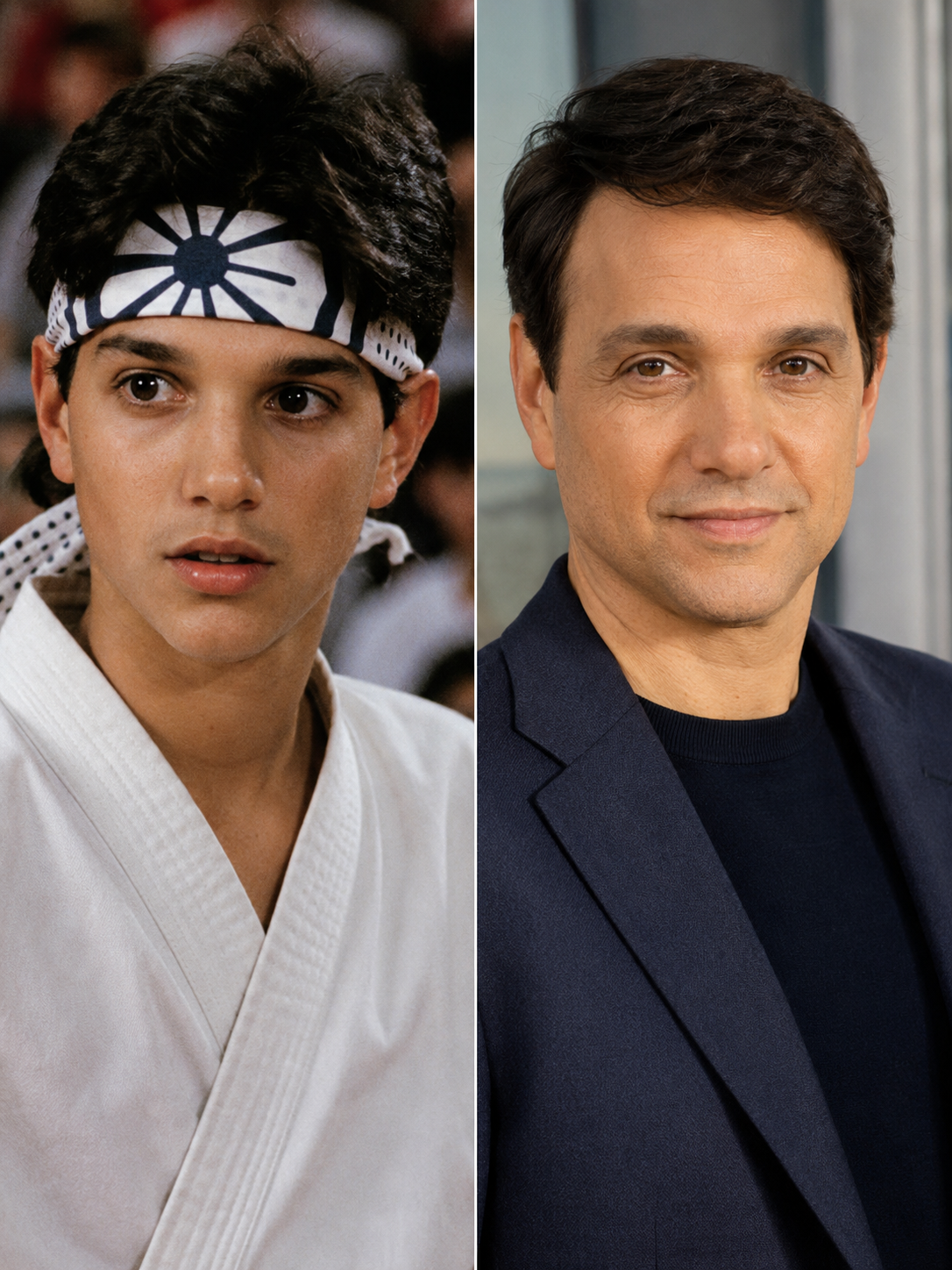
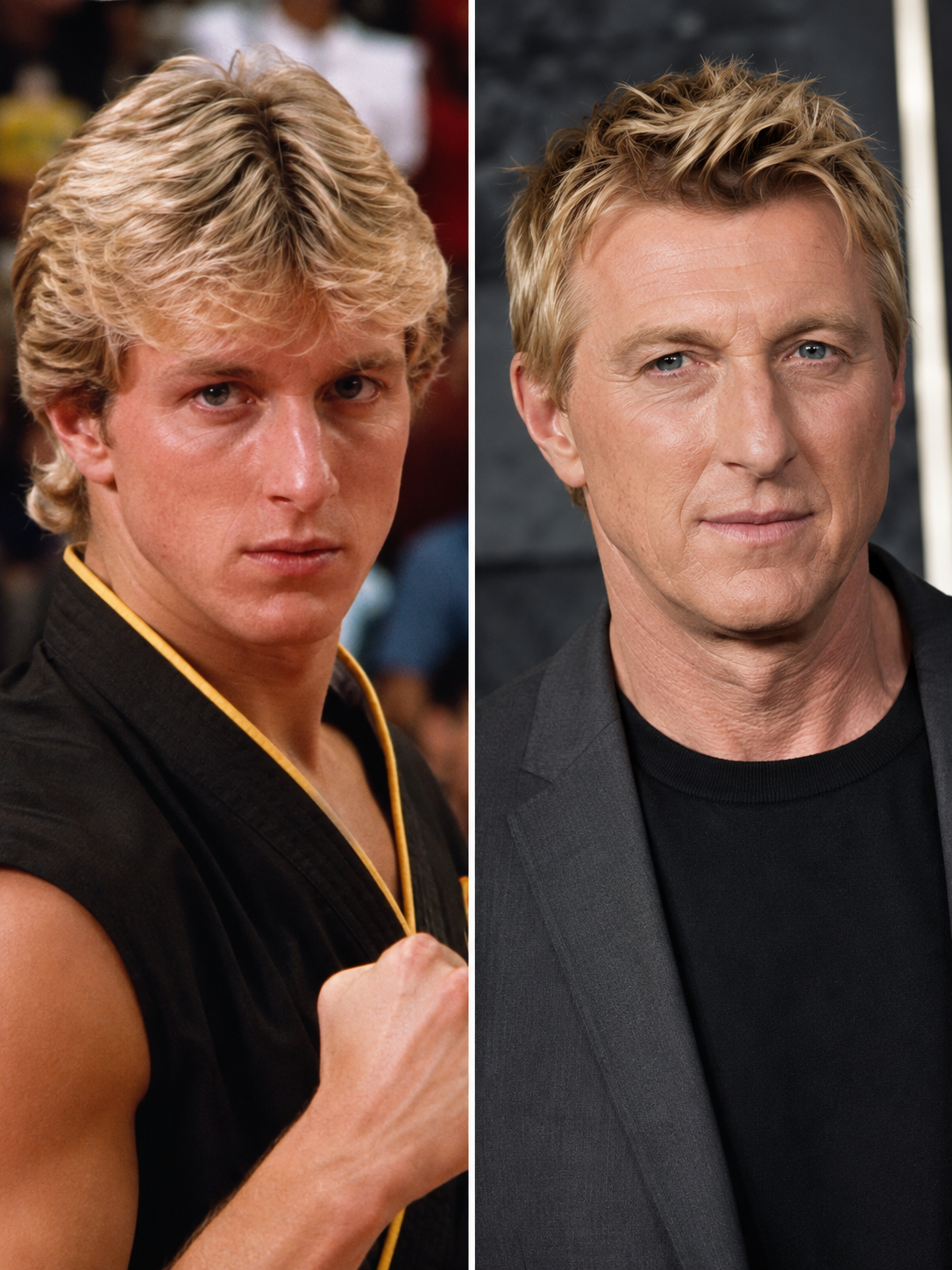
William Zabka: The Villain Who Finally Got His Side of the Story
William Zabka made his film debut as Johnny Lawrence.
For audiences in 1984, Johnny appeared to be the classic privileged bully: wealthy, athletic and determined to punish Daniel for becoming close to his former girlfriend, Ali Mills. Zabka’s physical confidence made him intimidating, but the film also offered brief signs that Johnny was being controlled by a harsher influence.
That influence was John Kreese.
The moment Kreese ordered Johnny to attack Daniel’s injured leg revealed the difference between the student and the philosophy being forced upon him. After losing, Johnny personally handed Daniel the championship trophy—a small gesture suggesting that he was capable of respect.
Zabka spent years playing characters that echoed Johnny’s aggressive image, including roles in Just One of the Guys and Back to School. He later moved into writing, directing and producing. His short film Most, which he co-wrote and produced, received an Academy Award nomination.
But Cobra Kai gave him the role of his career.
The series began largely from Johnny’s perspective. Once admired at school, he had become a struggling adult unable to escape his greatest defeat. Reopening the Cobra Kai dojo initially seemed like an attempt to recover his youth, but teaching a new group of students slowly gave him purpose.
Zabka transformed Johnny from a remembered villain into a flawed, frequently funny and surprisingly sympathetic man. He confronted his failures as a father, questioned Kreese’s influence and developed an uneasy friendship with Daniel.
By the finale, Johnny had not erased his past. He had learned how to stop living inside it.
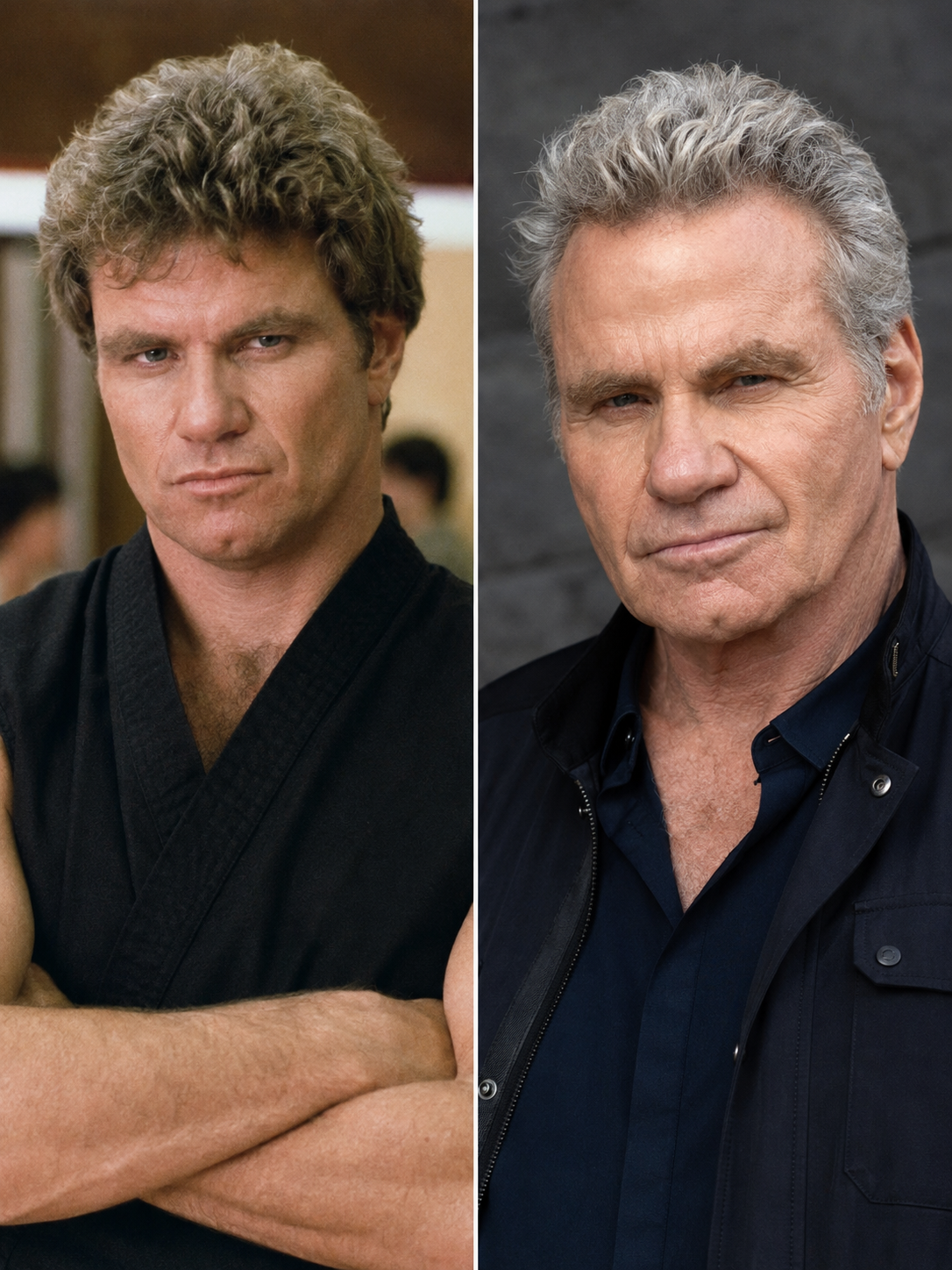
Martin Kove: Kreese and the Damage Behind “No Mercy”
Martin Kove’s John Kreese represented the darkest side of the original film.
As Cobra Kai’s sensei, Kreese taught his teenage students that weakness deserved punishment. His famous “no mercy” philosophy turned karate into a tool of intimidation and made Johnny’s humiliation more important to him than the boy’s well-being.
Kove returned for the original sequels and later built a long career playing soldiers, police officers and authority figures. He appeared in the television series Cagney & Lacey and accumulated scores of film and television credits.
His return in Cobra Kai initially seemed like a straightforward revival of the old villain. Instead, the series explored the experiences that shaped him, including his military service in Vietnam and his belief that compassion created vulnerability.
That history did not excuse Kreese’s actions, but it gave Kove more emotional material than the original films had allowed. Kreese became a portrait of a man so damaged by survival that he passed his trauma to generations of students.
His final storyline also brought him back to Johnny, the pupil he had harmed most deeply. Their relationship became one of the series’ clearest examples of how mentorship can either save a young person or leave wounds lasting far into adulthood.
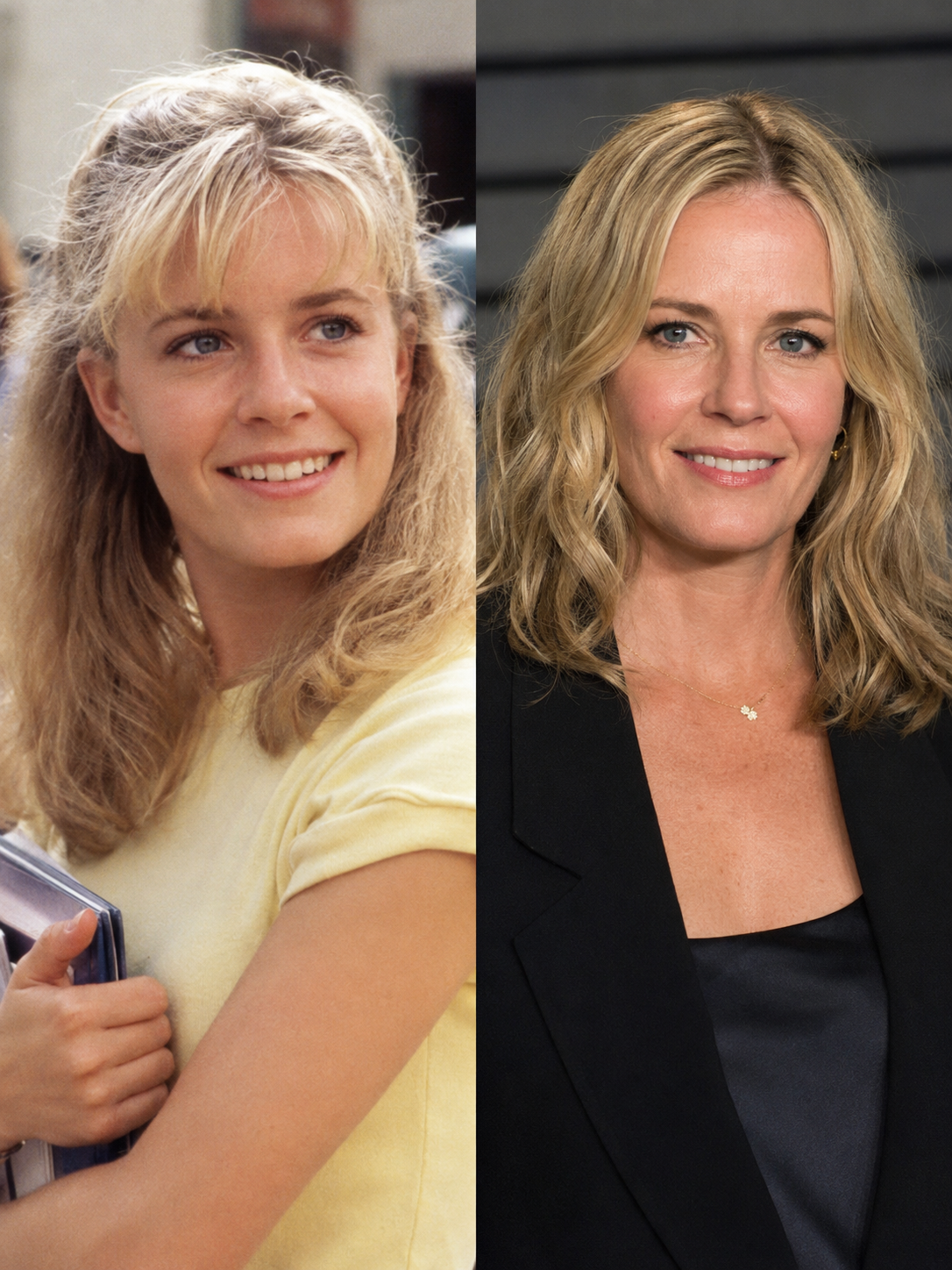
Elisabeth Shue: Ali Mills Returned to End an Old Argument
Elisabeth Shue made her feature-film debut as Ali Mills, the teenager caught between Daniel and Johnny.
Ali was more than a prize in their rivalry. She challenged Johnny’s possessiveness, encouraged Daniel and refused to allow either boy to define her completely.
After The Karate Kid, Shue became one of the most recognizable actresses of the 1980s and 1990s. She starred in Adventures in Babysitting, the second and third Back to the Future films and Cocktail. Her performance in Leaving Las Vegas earned her an Academy Award nomination for Best Actress.
She later appeared in projects including The Saint, Hollow Man, CSI: Crime Scene Investigation and The Boys.
Shue returned as Ali during the third season of Cobra Kai. Her appearance did not restart the old love triangle. Instead, Ali helped Daniel and Johnny recognize how childish their lifelong argument had become.
Seeing her again allowed both men to revisit the past without attempting to reclaim it. Ali had built a life beyond the Valley, just as Shue had built a career far beyond the role that introduced her to movie audiences.
Pat Morita: The Heart That Never Left the Story
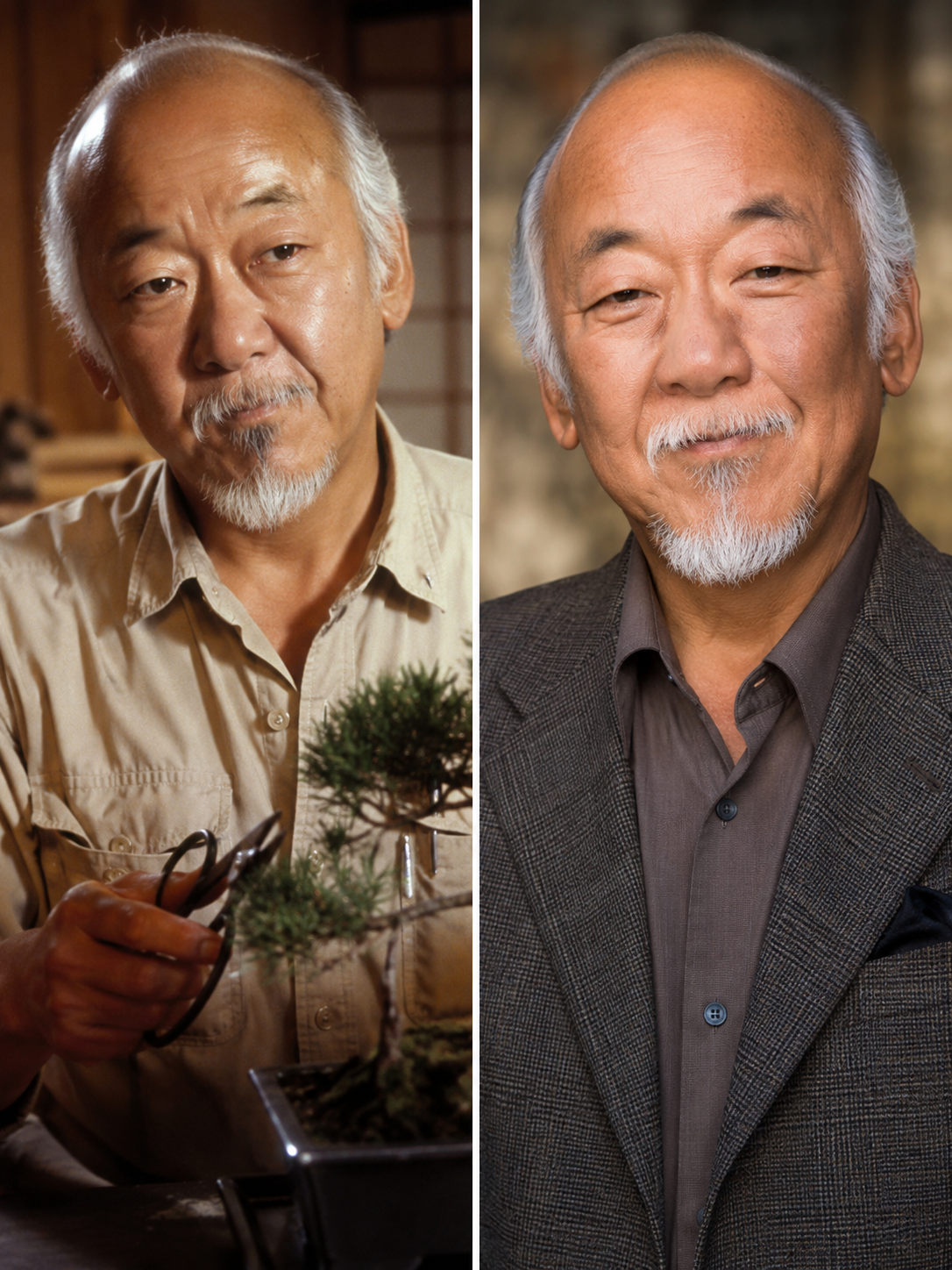
Pat Morita’s Mr. Miyagi remains the emotional center of The Karate Kid.
Before the film, Morita was widely known as a comedian and for playing Arnold on Happy Days. Some involved in casting reportedly doubted that an actor associated with comedy could provide the dramatic weight Miyagi required.
Morita proved otherwise.
His performance balanced humor, restraint and buried sorrow. Miyagi could catch flies with chopsticks and trick Daniel into completing household chores, but he was also a widower and World War II veteran carrying profound loss.
The scene in which Daniel discovers him grieving his late wife revealed the loneliness beneath the calm exterior. Morita made Miyagi more than a wise mentor. He made him human.
The performance earned Morita an Academy Award nomination for Best Supporting Actor. He returned in three additional Karate Kid films, including The Next Karate Kid with Hilary Swank.
Morita died on November 24, 2005, at age 73.
He could not appear in Cobra Kai, but Miyagi’s presence remained everywhere. Daniel preserved his teachings, maintained his home and struggled with discoveries that complicated his idealized memory of his mentor. The series treated Miyagi not as an untouchable legend but as a man whose wisdom survived alongside his secrets and imperfections.
Macchio has repeatedly spoken about the importance of honoring Morita. Every return to Daniel became, in part, a continuation of the relationship they created together.
A Rivalry That Became a Story About Aging
The original movie asked whether Daniel could defeat Johnny.
Cobra Kai asked a more difficult question: What happens after people spend decades defining themselves by one victory or one defeat?
Daniel had to accept that being the hero of his own memory did not make him right in every conflict. Johnny had to understand that losing a tournament had not ruined his life; his refusal to move beyond it had.
By the time the sixth and final season ended in 2025, their relationship no longer depended on proving which sensei, dojo or philosophy was superior. They had learned from each other without becoming identical.
More than 40 years after the crane kick, Macchio and Zabka had transformed a simple teenage rivalry into a story about fatherhood, regret, forgiveness and second chances.
Mr. Miyagi’s most important lesson was never a fighting technique. It was the pursuit of balance.
Daniel and Johnny needed four decades to understand it.