Arizona Toddler Was Declared Dead After Pool Emergency—Then Hours Later, Someone in the Morgue Saw Him Breathing
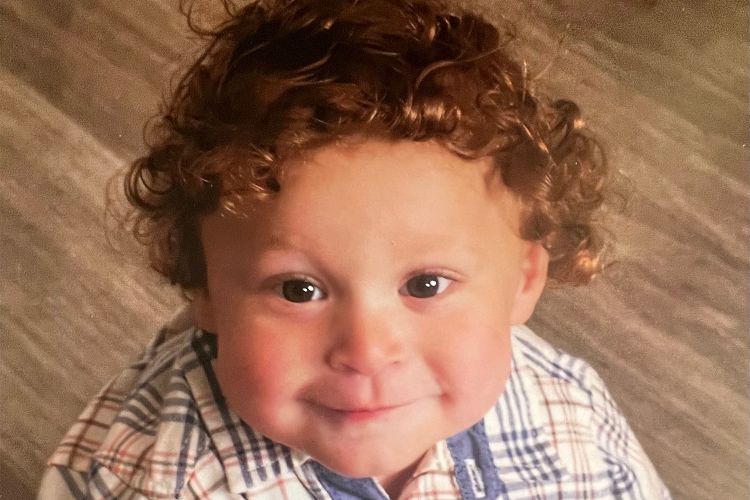
What began as a family’s worst nightmare took an almost unimaginable turn hours later inside an Arizona hospital morgue.
Eighteen-month-old Vincent Lorenzo Fiordilino had been found in his family’s backyard swimming pool, rushed to a hospital and subjected to extensive efforts to save his life. Eventually, he was pronounced dead.
But Vincent wasn’t dead.
Hours after the toddler had been declared deceased and moved to the morgue, personnel preparing to retrieve his body discovered that he was breathing. The stunning discovery triggered another emergency response, sending the little boy back into intensive medical care and raising serious questions about how he had been pronounced dead while still alive.
Months later, another major decision has emerged from the case.
Although police recommended charges against Vincent’s parents, prosecutors announced on July 29 that they would not pursue the case, concluding that the evidence did not meet the legal standard required to obtain a conviction.
A February Afternoon Turns Into an Emergency
The chain of events began on Feb. 8 in Gilbert, Arizona.
Vincent was discovered in his family’s swimming pool and emergency responders were called to the home.
First responders immediately began lifesaving measures before transporting the 18-month-old to Dignity Health Mercy Gilbert Medical Center.
Hospital staff continued trying to resuscitate him.
About an hour later, however, Vincent was pronounced dead.
For his family, the declaration appeared to bring a devastating end to the emergency. Their toddler had gone from being at home to the center of an intensive medical response, and now they were being told that he had not survived.
But concerns about that conclusion reportedly began emerging before the extraordinary discovery in the morgue.
Police records detailed how several people—including Vincent’s parents, a nurse and police officers—raised questions about whether the toddler might still be alive.
At one point, according to the police report, a nurse told a doctor that she could detect a pulse as the physician was preparing to inform Vincent’s parents that their son had died.
When a police officer communicated the concern, the doctor allegedly told the officer, “Please do your thing and let me do my thing.”
The situation would later take a dramatic turn.
The Discovery No One Expected
Vincent had been transferred to the hospital morgue following the declaration of death.
Personnel from the Maricopa County Medical Examiner’s Office later arrived to retrieve his body.
Instead, they discovered that the toddler was breathing.
The finding transformed what had been treated as a death into another urgent race to save Vincent’s life.
Gilbert Police said the child was immediately airlifted to Phoenix Children’s Hospital for emergency treatment.
Vincent ultimately survived.
The extraordinary circumstances surrounding his case placed attention not only on what happened at the hospital but also on how the toddler had gained access to the family’s pool in the first place.
That question became central to the investigation involving his parents.
Police Recommended Charges
After investigating the circumstances, police recommended criminal charges against both of Vincent’s parents.
But recommending charges and proving a criminal case are two different things.
On July 29, the Maricopa County Attorney’s Office announced that prosecutors would not move forward with charges.
Officials said the evidence did not satisfy their charging standard of a “reasonable likelihood of conviction.”
To successfully prosecute the parents, authorities explained, the state would have needed to convince a unanimous jury beyond a reasonable doubt that they failed to recognize a substantial and unjustifiable danger to their child.
Prosecutors would also have needed to show that the failure represented an exceptionally serious departure from what a reasonable person would have done under similar circumstances.
After reviewing the evidence, officials concluded they could not meet that burden.
Several details from the investigation played an important role in that decision.
Safety Measures Were Already in the Home
According to prosecutors, investigators found that the family had multiple childproof locks and other safety precautions in place.
There were also several adults inside the home at the time of the incident.
Critically, officials said those adults each believed that someone else was watching Vincent.
That circumstance helped shape prosecutors’ assessment of whether the incident amounted to criminal conduct.
Investigators also found no evidence that Vincent’s parents showed obvious signs of impairment.
Taken together, the presence of childproofing measures, the number of adults at the residence and the absence of apparent impairment contributed to the conclusion that prosecutors could not prove the necessary elements of a criminal case beyond a reasonable doubt.
The decision means Vincent’s parents will not face charges stemming from the pool incident.
But the family’s ordeal is far from over.
Questions Surrounding the Hospital
While the criminal investigation examined what happened before Vincent was pulled from the pool, another troubling part of the case centered on what happened afterward.
Vincent had been taken to Mercy Gilbert Medical Center, where medical personnel continued resuscitation attempts before declaring him dead.
The later discovery that he was breathing in the morgue prompted scrutiny of the care he received.
Mercy Gilbert Medical Center described what happened as a “heartbreaking situation” and said it launched a thorough review of the treatment provided to understand the circumstances and identify changes that could strengthen patient care.
The hospital said it could not publicly discuss specific details because of patient privacy, but added that it continued working with Vincent’s family and their representative.
The hospital also emphasized that patient safety and quality care remained its highest priorities.
For Vincent’s family, however, the focus has increasingly turned toward what comes next for the toddler.
Vincent Survived, but His Recovery Continues
The fact that Vincent was found breathing offered an outcome that had seemed impossible only hours earlier.
But survival did not mean the medical crisis was over.
A fundraising page established on behalf of the family shared encouraging news from follow-up testing: MRIs reportedly showed no brain damage.
Even so, doctors believe the toddler faces a lengthy and difficult recovery.
Vincent is expected to require extensive therapy, continued medical monitoring and significant support as he heals from the near-drowning and everything that followed.
His recovery therefore represents another chapter in an ordeal that has already contained extraordinary emotional extremes.
His parents first faced the terror of discovering their 18-month-old in a swimming pool. They then watched emergency responders and hospital workers attempt to save him.
They were told he had died.
Hours later, they learned he was alive.
Then came an investigation that raised the possibility of criminal charges against them.
Now, months after the February emergency, prosecutors have closed that part of the case without filing charges.
A Case Defined by a Stunning Reversal
Vincent’s story remains extraordinary because of how dramatically the outcome changed after his supposed death.
The toddler went from a backyard pool to an emergency room, from resuscitation attempts to being pronounced dead, and from a hospital morgue back into urgent medical care.
Along the way, concerns that he might still be alive were reportedly raised by multiple people before personnel arriving to retrieve his body finally discovered that he was breathing.
The legal question surrounding his parents has now been answered.
Prosecutors determined that the circumstances—including the safety precautions inside the home, the presence of multiple adults and the lack of evidence of impairment—were not enough to support criminal charges under the required standard.
For Vincent and his family, the most important uncertainty now lies elsewhere.
The little boy who was once believed to have died is alive, but his journey toward recovery is expected to be long. Therapy, medical monitoring and continued support remain ahead.
After a day that took his family from emergency to grief and then unexpectedly back to hope, Vincent’s survival has become the defining fact of a case filled with questions—one that began beside a backyard swimming pool and changed completely when a child believed to be dead took another breath.