Jadeveon Clowney Returns to Houston Chasing the Super Bowl That Has Eluded His Entire Career
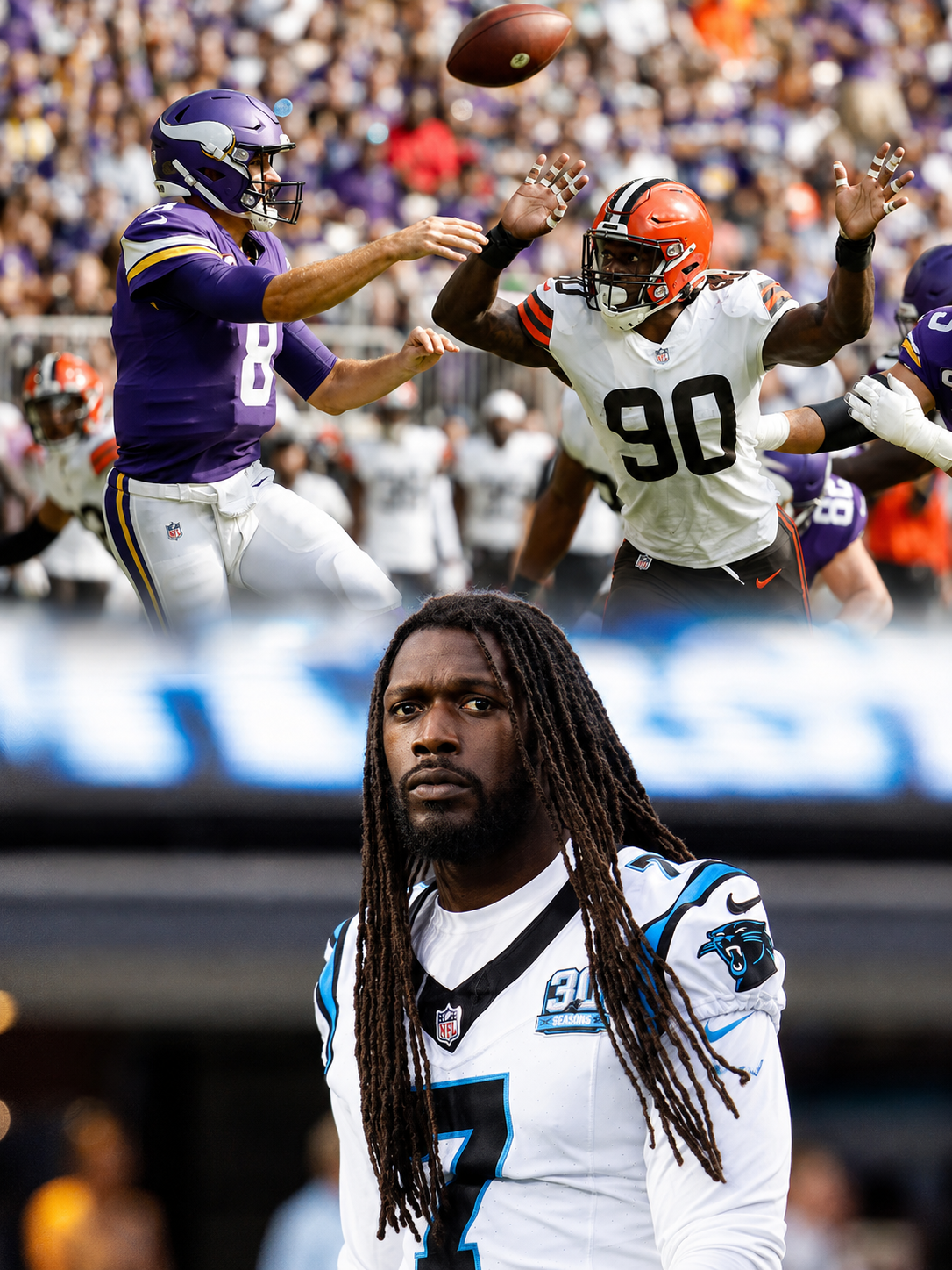
Twelve years after Houston selected him with the first pick in the NFL Draft, Jadeveon Clowney is returning to the place where enormous expectations first followed his every move.
The circumstances are different now.
Clowney is no longer arriving as the young defensive phenomenon expected to transform the Texans by himself. At this stage of his career, he is joining an already powerful defense as an experienced supporting player behind star pass rushers Will Anderson Jr. and Danielle Hunter.
The goal, however, is larger than ever.
Clowney believes Houston has a legitimate opportunity to pursue a Super Bowl, and the 33-year-old wants to help the franchise reach a stage he has never experienced during his long NFL journey.
His return has generated immediate excitement among Texans supporters. It has also revived the central question that has followed Clowney since 2014: Can a player whose career has repeatedly been measured against towering expectations finally help deliver the championship moment many once believed was inevitable?
A One-Year Deal Brings Clowney Home
Clowney agreed Sunday to a one-year contract worth $5.5 million, with incentives capable of increasing the total value.
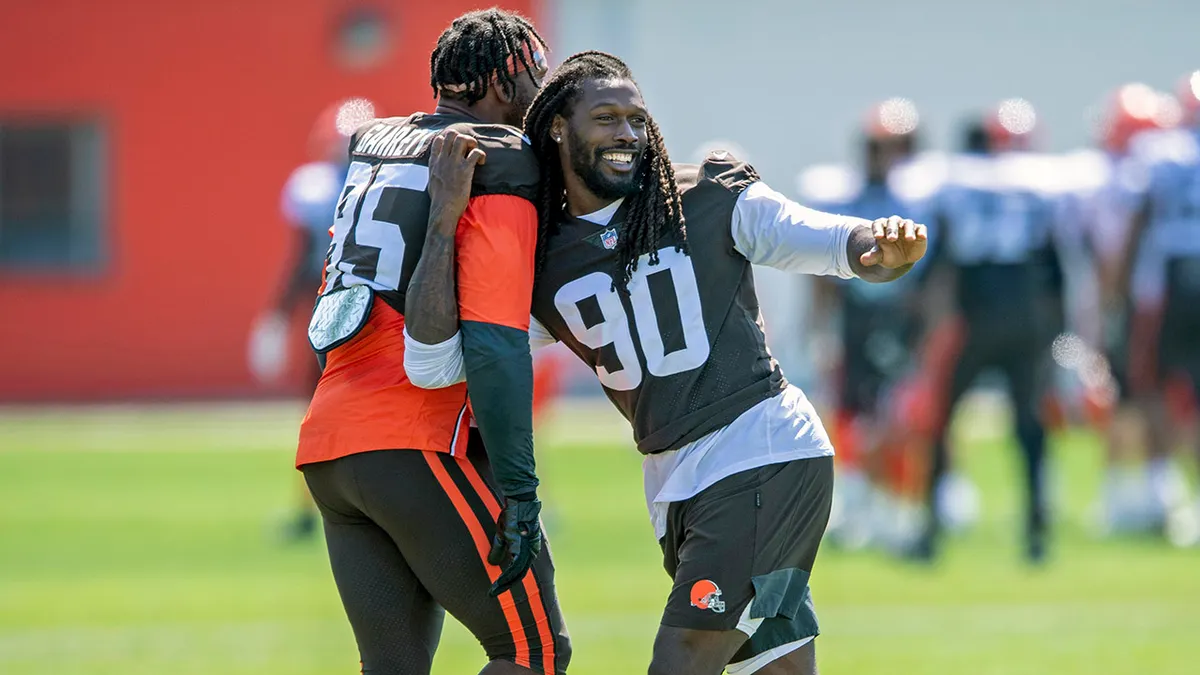
He had attracted interest from multiple teams during the offseason, including the Cleveland Browns, one of several franchises he represented after leaving Houston.
But Clowney said the decision was not driven primarily by money.
He lives in Houston, making the reunion personally convenient for his family. More importantly, he wanted the opportunity to play for Texans head coach DeMeco Ryans.
Clowney said he reached out to Ryans and made clear that he wanted to join him. The defensive end described the move as a family decision centered on legacy, contribution and the pursuit of a championship.
He believes he still has football left to give.
“I’ve got a lot of game left,” Clowney said while explaining why Houston became his choice.
The familiar setting also gives him a chance to reshape the ending of his Texans story.
His first departure came before the 2019 season after tension with then-head coach Bill O’Brien contributed to a trade. Seven years later, he is returning to a franchise with different leadership, a deeper defense and far greater expectations for postseason success.
Houston Already Has Its Defensive Stars
Clowney is not being asked to become the centerpiece of the Texans defense.
That responsibility already belongs largely to Anderson and Hunter, both of whom finished among the NFL’s top 10 sack leaders last season.
Houston ranked second in the league in fewest points allowed, trailing only the Seattle Seahawks. Adding Clowney gives the Texans another experienced edge defender capable of helping against the run, applying pressure and allowing the starters to rest without creating a major drop in physicality.
Defensive coordinator Matt Burke emphasized that depth is essential to the way Houston wants to play.
The Texans ask their defensive linemen to attack aggressively, which becomes difficult if the same players must remain on the field for too many snaps. Clowney’s presence gives Burke another option in the rotation and may help Anderson and Hunter remain explosive late in games.
Burke compared the goal to keeping his best players ready to continue “throwing fastballs” throughout the contest.
That description defines the role Clowney is expected to occupy.
He is not the signature addition. He is another important piece on a defense that was already among the league’s best.
That distinction may also protect him from the kind of unrealistic burden he carried during his first years in Houston.
The Expectations Began Before His First NFL Snap
When the Texans selected Clowney No. 1 overall in 2014, he entered the league with the reputation of a once-in-a-generation defensive prospect.
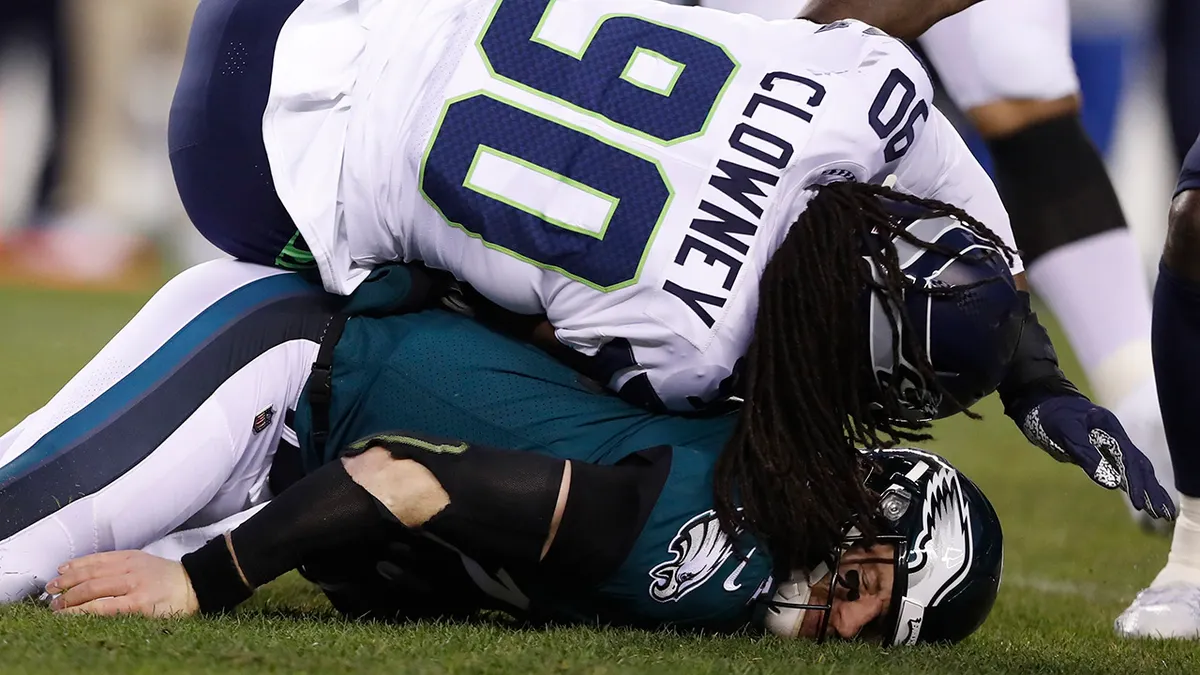
His college career at South Carolina included one of the most famous defensive plays in recent football history—a devastating hit that sent an opposing player’s helmet flying and made Clowney a national sensation.
Houston drafted him believing he could become a franchise cornerstone, a perennial Pro Bowler and potentially one of the dominant defenders of his era.
Clowney became a very good professional player.
He did not become the unstoppable sack producer many expected.
He earned three Pro Bowl selections, with the most recent coming after the 2018 season. His greatest strength developed as a physical and dependable run defender rather than as a player who consistently overwhelmed quarterbacks.
Clowney has never recorded a season with double-digit sacks.
The comparison with other members of the 2014 draft class made the gap between expectation and production even more noticeable. Khalil Mack and Aaron Donald were selected after him and went on to establish themselves among the defining defensive stars of their generation.
Clowney’s career instead became one of movement.
The player chosen to anchor Houston for years eventually played for seven teams as he searched for the right role, contract and opportunity.
A Career Spent Searching for the Right Place
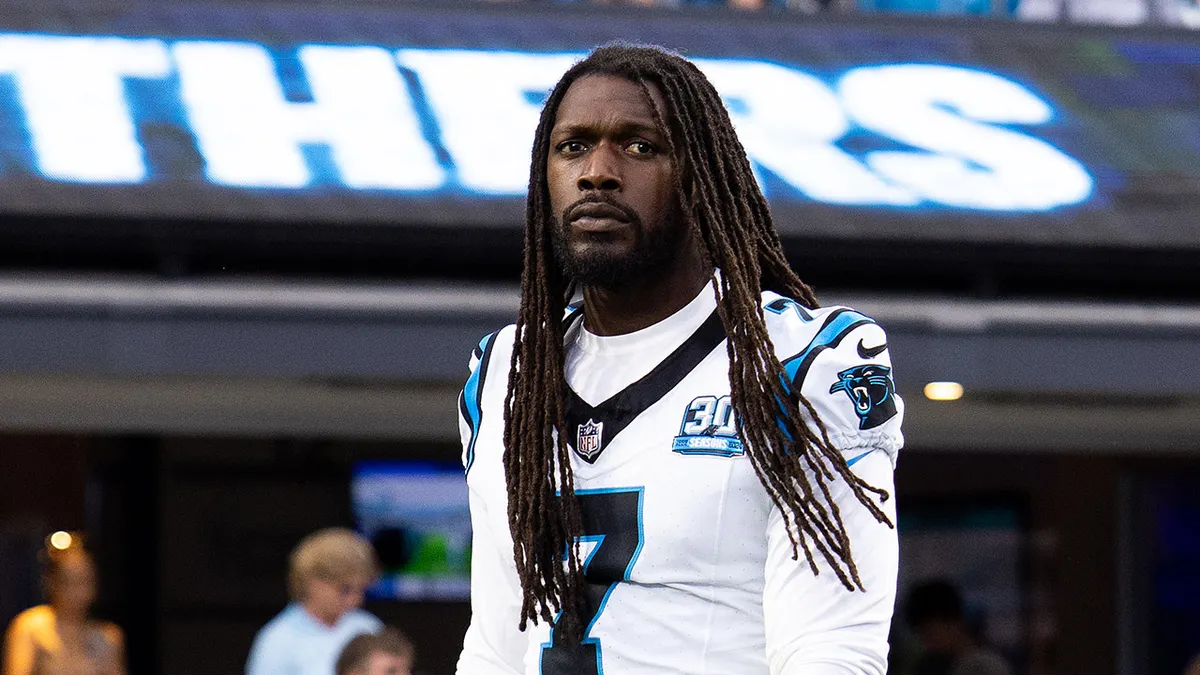
After leaving the Texans, Clowney joined the Seattle Seahawks.
He later played for the Tennessee Titans, Cleveland Browns, Baltimore Ravens and Carolina Panthers, along with additional stops during a career that never settled into the long-term stability once anticipated.
At several destinations, his arrival produced familiar excitement.
His name still carried the memory of the elite prospect Houston drafted first overall. Teams continued imagining how his size, athletic ability and experience might strengthen their defensive fronts.
The results were often useful, though rarely transformative.
Clowney could disrupt running plays, occupy blockers and create pressure without always producing large sack totals. Those contributions mattered inside defensive systems, even when they did not satisfy outside expectations created by his draft status.
Now he returns to Houston with a role that may fit the player he actually became rather than the superstar he was once predicted to be.
He does not need to lead the team in sacks.
He does not need to rescue a struggling defense.
He needs to strengthen an excellent unit, keep its top players fresh and make timely plays during a season Houston hopes will continue deep into January.
Super Bowl Talk Follows His Arrival
Clowney has embraced the championship conversation.
He said he believes he can contribute to a team with a strong chance of chasing a Super Bowl. In another interview, he spoke about the leadership experience he has gained and suggested that his years in the league have taught him what is required to approach football’s biggest game.
There is one important limitation to that claim.
Clowney has never played in a Super Bowl. He has never won one.
That does not prevent him from helping Houston reach the championship, but it does make clear that he is joining the chase rather than guiding teammates from personal experience on that stage.
His comments nevertheless reveal why this opportunity matters to him.
At 33, Clowney is closer to the end of his playing career than the beginning. Individual expectations that once defined his reputation have given way to a more urgent team ambition.
He wants the championship experience missing from his résumé.
He also wants to influence how his career is remembered.
A strong season with the Texans—especially one ending in a Super Bowl appearance—would create a powerful final chapter. The former No. 1 pick would return to the franchise that drafted him and help it accomplish something neither side achieved during their first partnership.
Houston Must Keep the Role in Perspective
Clowney’s name naturally creates attention, particularly in the city where his NFL story began.
But Houston’s championship hopes will not depend on him alone.
The Texans already possess the defensive foundation that makes the reunion appealing. Anderson and Hunter provide the elite pass-rushing production. The unit has established itself among the league’s most difficult to score against, and Ryans has built a culture capable of attracting a veteran such as Clowney.
The returning defender should increase Houston’s flexibility.
He can rotate across the front, defend the run and reduce the workload placed on the starters. If he remains healthy and accepts that supporting role, the signing could become exactly the kind of late-career match both sides need.
The danger lies in turning the reunion into something larger than it is.
Clowney’s career has repeatedly carried expectations that exceeded what followed. Houston does not need to repeat that pattern by treating him as the missing superstar who guarantees a championship.
He is depth with experience, physical ability and unfinished ambition.
That can still be extremely valuable.
One Final Chance to Change the Story
Clowney cannot return to 2014 and become the exact player people projected when his name was called first.
He cannot erase the trades, team changes or seasons that ended without double-digit sacks. Nor can he change the fact that two defensive legends from his draft class eventually surpassed him.
What he can control is the role he plays now.
Houston offers him a familiar city, a coach he wants to follow and a defense strong enough that he does not need to carry it. The Texans offer something else as well: a realistic opportunity to pursue the Super Bowl that has remained beyond his reach for 12 seasons.
His first arrival in Houston was about potential.
His return is about contribution.
That may be the most important difference of all.
Clowney is no longer being asked to fulfill every expectation attached to the No. 1 pick. He is being asked to help Anderson, Hunter and the rest of Houston’s defense remain dominant when the season matters most.
If the Texans reach the Super Bowl, Clowney will not have delivered it alone.
But after a career shaped by promises that never fully became reality, helping his original team reach football’s biggest stage could finally give him the ending he has been chasing.