After Martin Short Lost His Wife, Steve Martin Helped Turn Friendship Into a New Beginning
- NgoPhong
- August 3, 2026
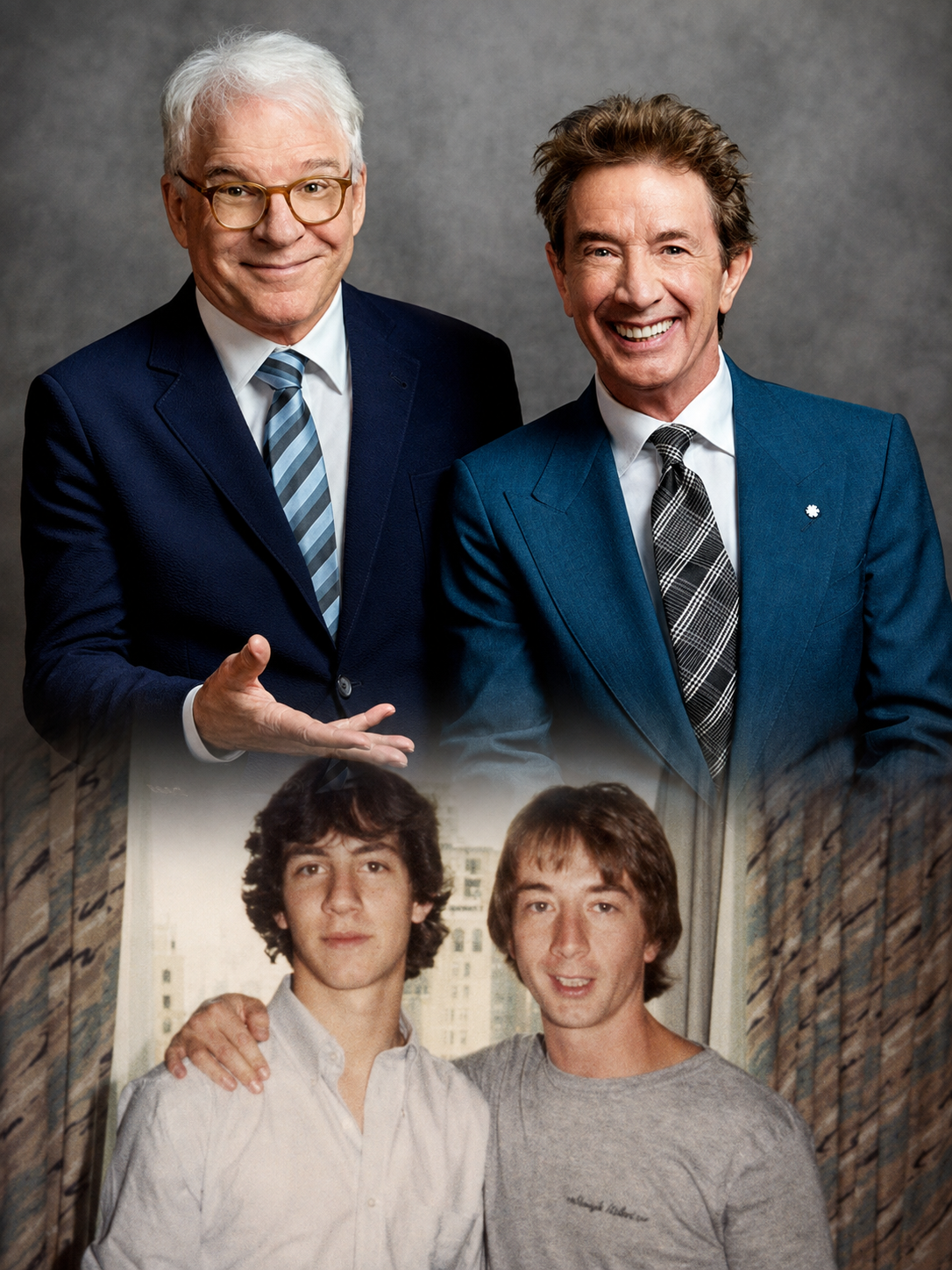
Onstage, Steve Martin and Martin Short treat friendship as an excuse for open warfare.
They criticize each other’s age, careers, appearance and supposed lack of talent. Compliments arrive disguised as insults. Sentiment is usually interrupted before it can become too sincere.
Away from the spotlight, the relationship is strikingly different.
Their families have shared vacations, holidays and countless dinners. They have supported each other through career changes, parenthood and private grief. Martin once explained Short’s importance with a joke that revealed more than it concealed: When his family plans a dinner and Short cannot attend, the proper response is to cancel the evening.
After more than 40 years, the two comedians are no longer simply former co-stars who occasionally reunite. Their friendship has become a family bond—and, following one of the most painful periods of Short’s life, the foundation of an unexpected second act.
Two Comedians Find Their Rhythm
Martin and Short first crossed paths backstage at the NBC comedy series The New Show in 1984, but they did not truly get to know each other until they worked on the 1986 film Three Amigos!
The western comedy cast them alongside Chevy Chase as three silent-film performers who mistakenly believe they have been invited to Mexico for a paid appearance. Instead, they encounter a village expecting them to confront a real outlaw.
The movie gave Martin and Short their first sustained opportunity to spend time together. Their connection developed as much off camera as it did during production.
Short was energetic, socially fearless and gifted at turning ordinary conversation into a performance. Martin, who had already become one of America’s most famous comedians, was more reserved and analytical. Their personalities were different, but their comic instincts fit together.
Just as importantly, there was little sense of rivalry.
Both men had established separate identities before meeting. Martin had conquered stand-up, walked away from it at the height of his fame and built a successful movie career. Short had emerged from Canada’s SCTV and completed a memorable season on Saturday Night Live.
They could admire each other without needing to occupy the same space.
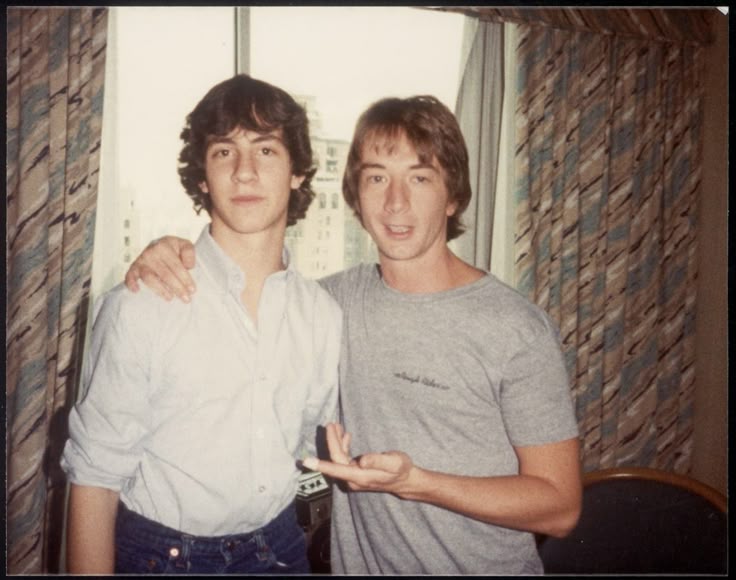
The Friendship Moves Beyond the Set
After Three Amigos!, Martin and Short worked together again in The Prince of Egypt and the Father of the Bride films. Yet their personal relationship was never dependent on having another project scheduled.
Their spouses became close. Their children grew up knowing one another. The comedians’ private lives became intertwined through gatherings that had nothing to do with scripts, studios or publicity.
Short married actress Nancy Dolman in 1980 after the two met through a Toronto production of Godspell. Dolman later stepped away from performing, and the couple raised three children together.
Friends remembered their marriage as unusually joyful. Dolman understood Short’s constant humor, but she was not merely an audience for it. She offered stability and a home life that existed beyond his public personality.
Martin knew her well. He observed the marriage not as a distant colleague, but as a friend welcomed into the Short family’s world.
That closeness made what happened in 2010 deeply personal for everyone around them.
The Loss That Changed Martin Short’s Life
Dolman died in August 2010 after being diagnosed with ovarian cancer. She was 58. She and Short had been married for nearly 30 years.
Short had already endured extraordinary loss earlier in life. His eldest brother died in a car accident when Short was a child. By the time he was 20, both of his parents had also died.
The death of his wife, however, transformed the life they had built together.
Short has spoken about grief as something that does not simply disappear. He continued to feel connected to Dolman and has described making decisions by imagining how she might respond. Moving forward did not require him to erase the marriage or pretend that its absence had stopped hurting.
The people closest to him helped carry the ordinary parts of life through that period.
Martin’s role was not publicly dramatized. Their friendship did not become a story about one man rescuing another. Instead, Martin remained present—as he had been before the loss and as he would be afterward.
His affection for Dolman also found expression through music. Martin dedicated the instrumental “The Great Remember (For Nancy)” to her, releasing it with the Steep Canyon Rangers on their 2011 album Rare Bird Alert.
The piece offered something their comedy usually avoided: remembrance without a punchline.
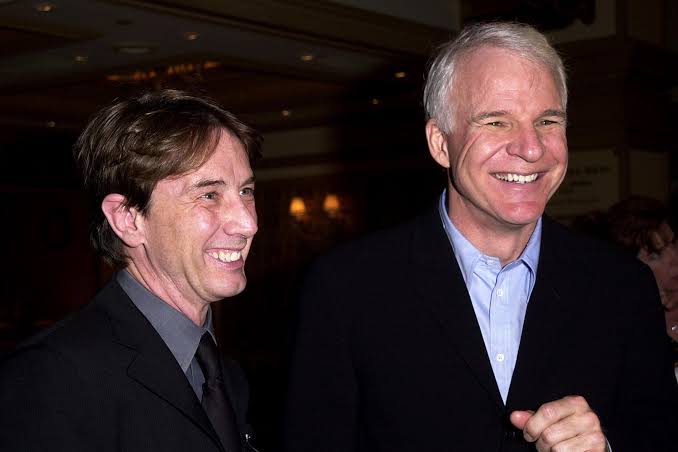
Turning Private Chemistry Into a Stage Act
In the years after Dolman’s death, Martin and Short increasingly brought the rhythm of their friendship before live audiences.
Their stage partnership did not feel like a standard reunion tour. It was built from the way they already spoke to each other—mock hostility covering genuine affection, carefully shaped jokes mixed with moments of improvisation.
Martin had largely left traditional stand-up decades earlier, but the new format allowed him to return without recreating his younger act. He could play banjo, tell stories and trade insults with someone he trusted.
Short brought characters, physical comedy and the willingness to make every moment larger than expected.
Together, they developed shows with deliberately absurd titles, including An Evening You Will Forget for the Rest of Your Life and Now You See Them, Soon You Won’t. Their performances combined stand-up, music, personal photographs and rapid-fire attacks on each other’s careers. A Netflix special released in 2018 preserved that formula for a wider audience.
Their preparation remained serious even when the material appeared effortless.
Martin has said comedy always remains close to failure, meaning experience does not remove the need to test and refine a joke. Short compared that discipline to a pilot checking an aircraft before every flight: Repetition does not make the precautions unnecessary.
The work gave both men something valuable. It allowed them to continue creating without pretending to be younger versions of themselves.
It also turned companionship into a professional routine. Instead of meeting only for dinner or an occasional film, they traveled together, rehearsed together and faced audiences together.
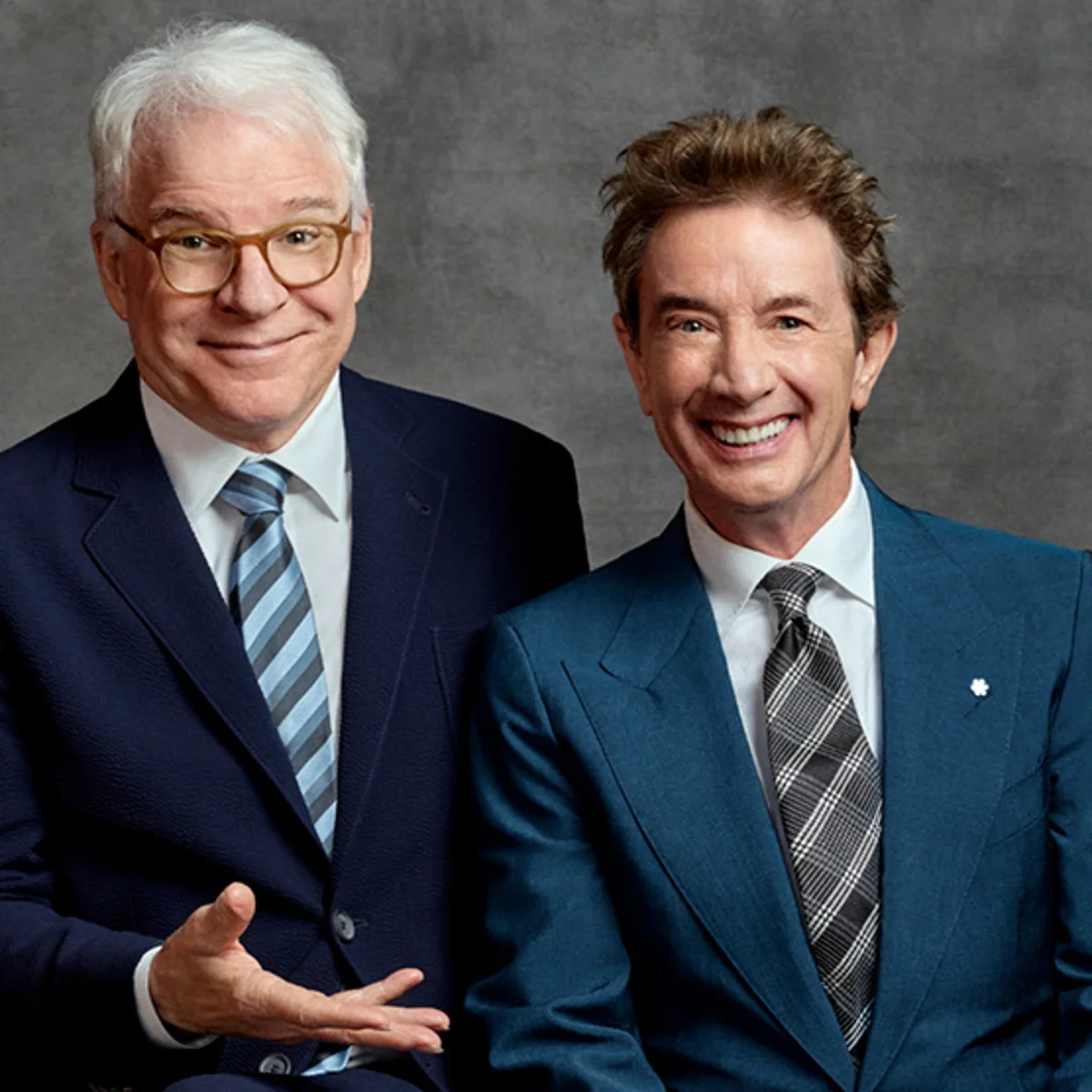
A Television Series Built Around Their Bond
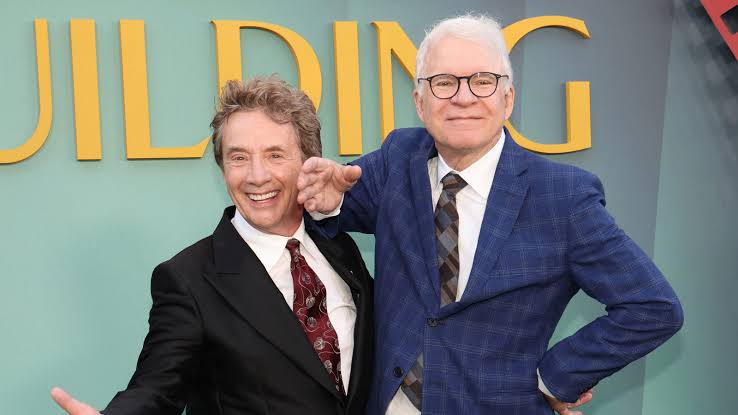
Their collaboration entered another chapter with Only Murders in the Building, which premiered in 2021.
Martin co-created the series and stars as Charles-Haden Savage, a former television actor living in Manhattan’s fictional Arconia apartment building. Short plays Oliver Putnam, a theatrical director whose confidence routinely exceeds his financial security.
Selena Gomez joined them as Mabel Mora, forming a trio of neighbors drawn together by a shared obsession with true crime and a murder inside their building.
The characters played by Martin and Short echo aspects of their real personalities without simply reproducing them. Charles is controlled, isolated and reluctant to expose his feelings. Oliver turns every entrance, meal and minor setback into a production.
Their differences create the comedy, but the show’s emotional center comes from three lonely people gradually becoming a chosen family.
That idea carries particular force because Martin and Short have already lived a version of it. Their off-screen trust gives warmth to scenes in which the characters argue, reconcile and protect each other.
The series introduced their partnership to viewers who had not been born when Three Amigos! reached theaters. It also demonstrated that performers in their 70s could anchor a contemporary hit without being treated as nostalgic decorations.
The Truth Behind the Insults
Martin and Short’s public friendship works because they never appear desperate to prove its sincerity.
They joke that touring together is an act of exploitation. They invent grievances and offer praise so exaggerated that it becomes another insult. Each understands how far the other can be pushed.
That freedom depends on trust.
When the joke ends, they remain present in each other’s actual lives. Martin has praised Short’s warmth, loyalty and ability to transform a gathering merely by entering the room. Short has spoken of Martin as one of his closest friends across four decades.
Their relationship also survived the changes that often weaken Hollywood friendships. They experienced uneven career periods, lived in different cities and developed independent families. Neither required the other to remain professionally useful.
When tragedy altered Short’s home life, the friendship did not retreat into polite condolences. It continued through dinners, music, travel and eventually a shared body of work that neither man could have created in quite the same way alone.
The laughter that followed Nancy Dolman’s death did not replace grief. It gave Short another place to carry it.
More than four decades after two comedians learned each other’s rhythms on a movie set, they are still walking onto stages and television sets together. Their insults remain sharp, their timing remains precise and neither permits the other much visible dignity.
But behind the performance is something neither man can convincingly mock away.
Steve Martin and Martin Short did not simply build one of comedy’s longest-running partnerships. They built a friendship strong enough to become part of both families—and strong enough to help create a new life after loss.