Sarah Paulson Helped Pedro Pascal Survive—Then Opened the Door That Changed His Life
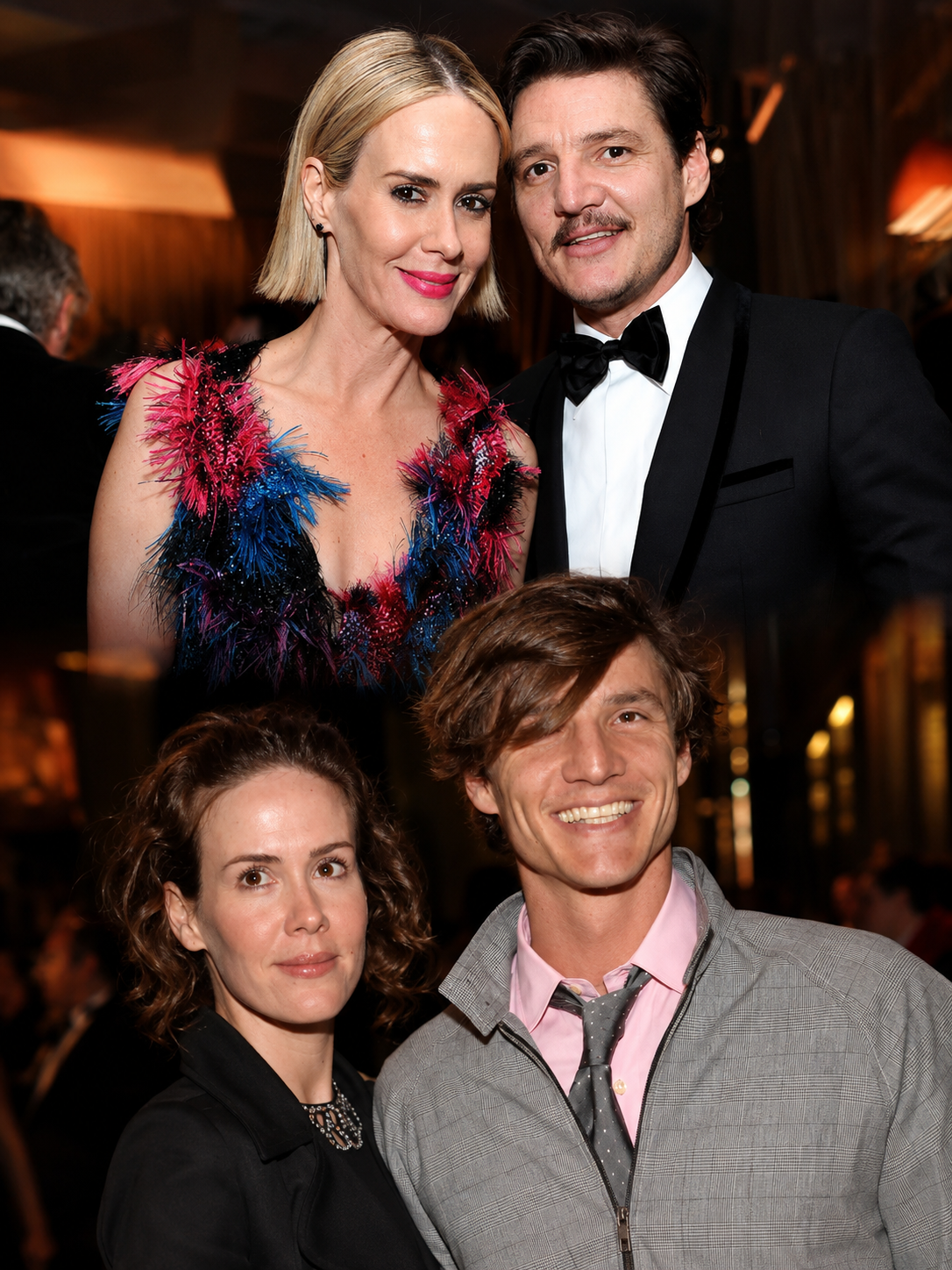
When Sarah Paulson received her star on the Hollywood Walk of Fame on December 2, 2025, one of her oldest friends could not attend the ceremony.
Pedro Pascal was absent, but his words were not.
Actress Amanda Peet read a tribute Pascal had written for Paulson, tracing a bond that began long before either actor had awards, hit television shows or a permanent place in Hollywood. His message reached back more than three decades, to a time when they were teenagers in New York with uncertain futures and little idea where their ambitions would lead.
Near the end, Pascal reduced the meaning of their friendship to one deeply personal truth: “There is no me without you.”
It was more than ceremonial praise. At several crucial moments, Paulson had helped him remain in the profession long enough to become the star audiences now recognize.
Two Teenagers in New York
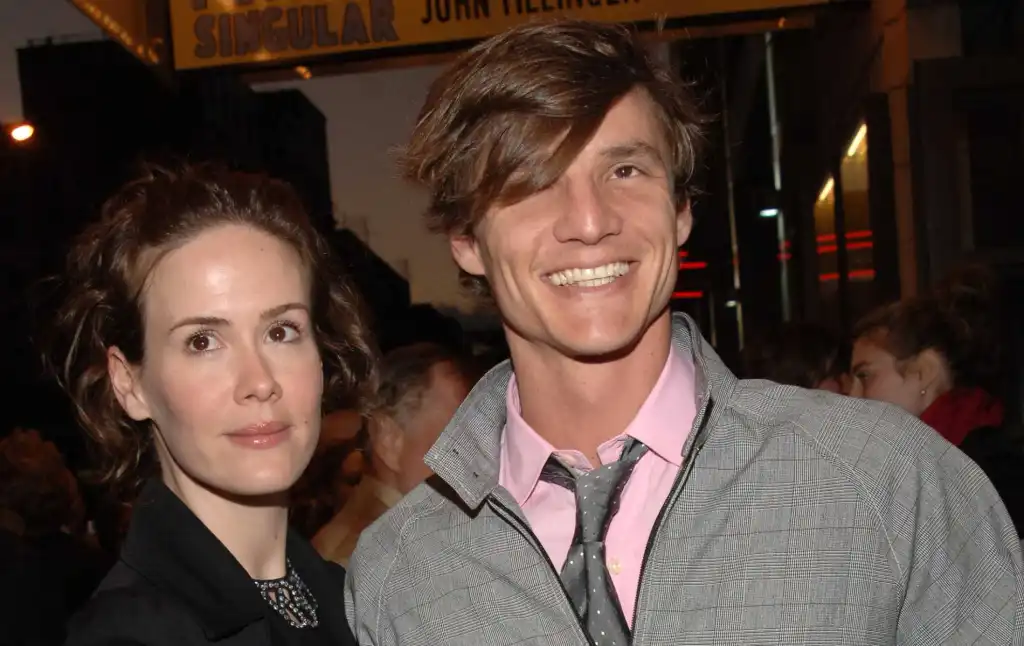
Pascal and Paulson met in September 1993, during Pascal’s first month in New York City. Both were 18.
Pascal had moved from California to study acting at New York University’s Tisch School of the Arts. One of his first friends at the university already knew Paulson, who had grown up in New York. Through that connection, Pascal entered her circle.
Their early friendship was shaped less by Hollywood glamour than by the life of young actors in the city. They went to movies, spent time with other aspiring performers and imagined careers that had not yet begun.
Paulson started finding visible work relatively early. She appeared on television, acted onstage and earned a significant role in the mid-1990s series American Gothic. Her career did not rise without uncertainty, but she began establishing herself as a working actor while still young.
Pascal’s path was more uneven.
He graduated from NYU in 1997 and spent years moving between auditions, theater productions and small television appearances. His credits slowly accumulated, including brief roles in shows such as Buffy the Vampire Slayer, Touched by an Angel, NYPD Blue and several Law & Order series.
Those jobs showed that he could work professionally. They did not provide stability.
The Years When Success Kept Moving Away
Pascal later described an early career filled with recurring disappointment. He would set an age by which he expected to be established, reach it without the breakthrough he had imagined and then adjust the deadline.
Twenty-nine became another age. Then another.
The pattern continued as friends and contemporaries moved forward. Paulson built an increasingly prominent career through television, film and theater, eventually becoming closely associated with American Horror Story. Pascal remained respected within acting circles, but recognition on a similar scale did not arrive.
The financial strain could become severe.
In a 2023 interview, Paulson revealed that she sometimes gave Pascal the daily expense allowance she received while working on a production. The money was intended to cover her own costs, but she shared it so her friend could afford food.
Her account offered a stark contrast to Pascal’s later image as one of the entertainment industry’s most in-demand leading men. Before The Mandalorian, The Last of Us and major studio films, there were periods when continuing to act meant depending on the kindness of someone who believed he should not quit.
Paulson did not portray the assistance as charity extended from a future celebrity to a struggling acquaintance. They were close friends, and she wanted him to have the opportunity to keep going.
She believed audiences were capable of responding to the qualities she had seen in him for years: his talent, humor, sensitivity and distinctive presence.
He simply needed the right role—and a way to reach the people casting it.
A Rough Audition With Enormous Potential
That role emerged in 2013, when HBO’s Game of Thrones was preparing to introduce Oberyn Martell.
Pascal learned about the opportunity through a younger actor he was helping with an audition. As he read the material, he became convinced that he understood the character and could play him.
Oberyn, known as the Red Viper of Dorne, required a difficult combination of danger, intelligence, charm, grief and confidence. The character would arrive in the show’s fourth season seeking justice for the murder of his sister and her children.
Pascal recorded an audition on an iPhone. The footage was not polished, but his performance was strong enough to make the limitations of the recording almost irrelevant.
The problem was getting it seen.
Pascal sent the tape to Paulson. She then passed it to Amanda Peet, one of her closest friends. Peet was married to David Benioff, who created and ran Game of Thrones with D.B. Weiss.
The personal connection helped the audition reach the right place, but it could not guarantee the role. Pascal still had to convince the show’s decision-makers that he was Oberyn.
He did.
Benioff later praised the clarity of Pascal’s interpretation, noting that he appeared to understand the man beneath the character’s outward image. Pascal was cast at 38, after approximately two decades of pursuing a career that repeatedly seemed close to slipping away.

Eight Episodes That Changed Everything
Oberyn Martell appeared in only eight episodes, but Pascal made the character unforgettable.
He gave Oberyn a relaxed physical confidence that could turn threatening without warning. The prince could be playful and seductive in one scene, then consumed by rage and grief in another. Pascal made him feel dangerous not because he constantly displayed aggression, but because he seemed completely certain of himself.
The character’s final confrontation with Gregor “The Mountain” Clegane became one of the series’ most discussed sequences. Oberyn entered the fight seeking both victory and a confession about his sister’s death. His refusal to abandon that demand ultimately led to his downfall.
Although Oberyn’s story ended within a single season, Pascal’s career had changed permanently.
The role demonstrated what Paulson and others close to him had long believed: he did not lack the ability to command the screen. He had lacked an opportunity large enough for millions of viewers to see it.
Soon afterward, he was cast as DEA agent Javier Peña in Netflix’s Narcos. Later came the title role in The Mandalorian, followed by Joel Miller in HBO’s The Last of Us. The actor who had spent years wondering whether his chance would ever arrive became the center of multiple global franchises.
A Friendship That Outlasted the Struggle
Paulson’s own career continued to grow. Her work in American Horror Story brought widespread recognition, while her performance as prosecutor Marcia Clark in The People v. O.J. Simpson: American Crime Story earned major awards, including an Emmy.
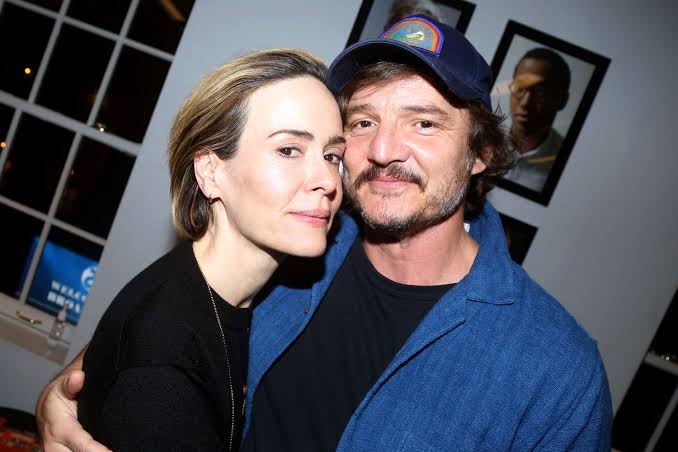
Yet professional success did not transform their friendship into a distant Hollywood association.
They continued appearing together, interviewing each other and recalling the years before either became famous. Their public exchanges retain the teasing familiarity of people who knew one another before carefully managed press tours and red-carpet appearances.
That history gave Pascal’s 2025 tribute unusual weight.
Paulson’s Walk of Fame ceremony marked formal recognition of a career spanning stage, television and film. Her star—the 2,829th on the famous boulevard—was placed near that of producer Ryan Murphy, one of her most important collaborators.
Pascal could not be there in person, so Peet, the same friend who had once helped carry his audition toward Game of Thrones, delivered his words.
In the message, Pascal described Paulson as inseparable from his own life story. He remembered their youth, honored the person she had become and promised an enduring friendship.
The moment quietly connected several chapters of their lives. Peet had once served as a link in the chain that helped Pascal reach his breakthrough. More than a decade later, she stood beside Paulson’s newly unveiled star and gave voice to his gratitude.
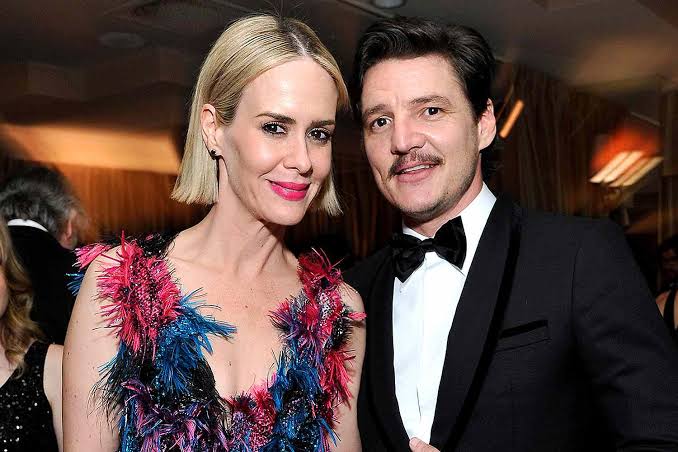
More Than a Hollywood Connection
It would be easy to reduce Pascal’s breakthrough to knowing the right people. But that interpretation misses the deeper meaning of the story.
Paulson could place his audition in front of someone important. She could not perform it for him. She could help him buy food, but she could not endure years of rejection on his behalf. The opportunity mattered because Pascal had spent decades preparing to meet it.
Her contribution was equally significant because it arrived before success was assured.
Supporting a famous friend is easy. Believing in someone while the evidence of future stardom remains invisible requires something more: loyalty without certainty of reward.
Paulson gave Pascal practical help when he was struggling to meet basic needs. Later, she used a trusted relationship to ensure that his work received serious attention. Neither act guaranteed what followed, but both helped keep open a path that might otherwise have closed.
More than 30 years after they met as teenagers in New York, their names now belong to major productions, awards ceremonies and Hollywood history.
Behind those achievements is a quieter story—one about meals made possible, an imperfect audition passed between friends and a career sustained long enough for the world to finally recognize what Sarah Paulson had seen all along.