Senate Panel Votes to Hold Dr. Anthony Fauci in Contempt After He Invoked the Fifth Amendment During COVID Hearing

Senate Panel Votes to Hold Dr. Anthony Fauci in Contempt After He Invoked the Fifth Amendment During COVID Hearing
WASHINGTON, D.C. – A Republican-led Senate committee voted Thursday to hold former White House COVID-19 adviser Anthony Fauci in contempt of Congress after he repeatedly invoked his Fifth Amendment right against self-incrimination during testimony about the federal government’s response to the COVID-19 pandemic.
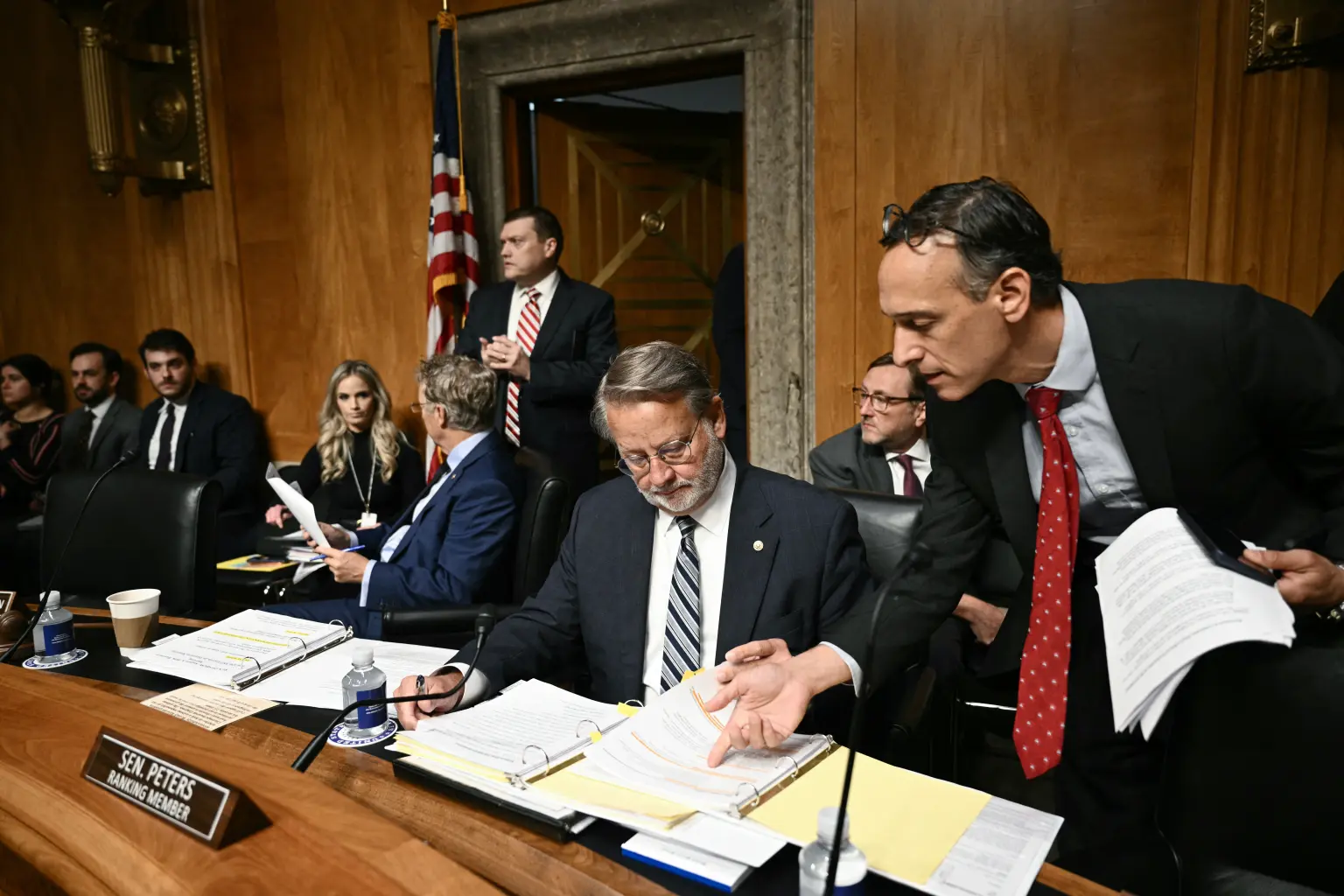
The Senate Homeland Security and Governmental Affairs Committee approved the resolution in an 8–5 party-line vote, sending the matter forward for possible review by the Justice Department.
Hearing Focused on COVID-19 Response
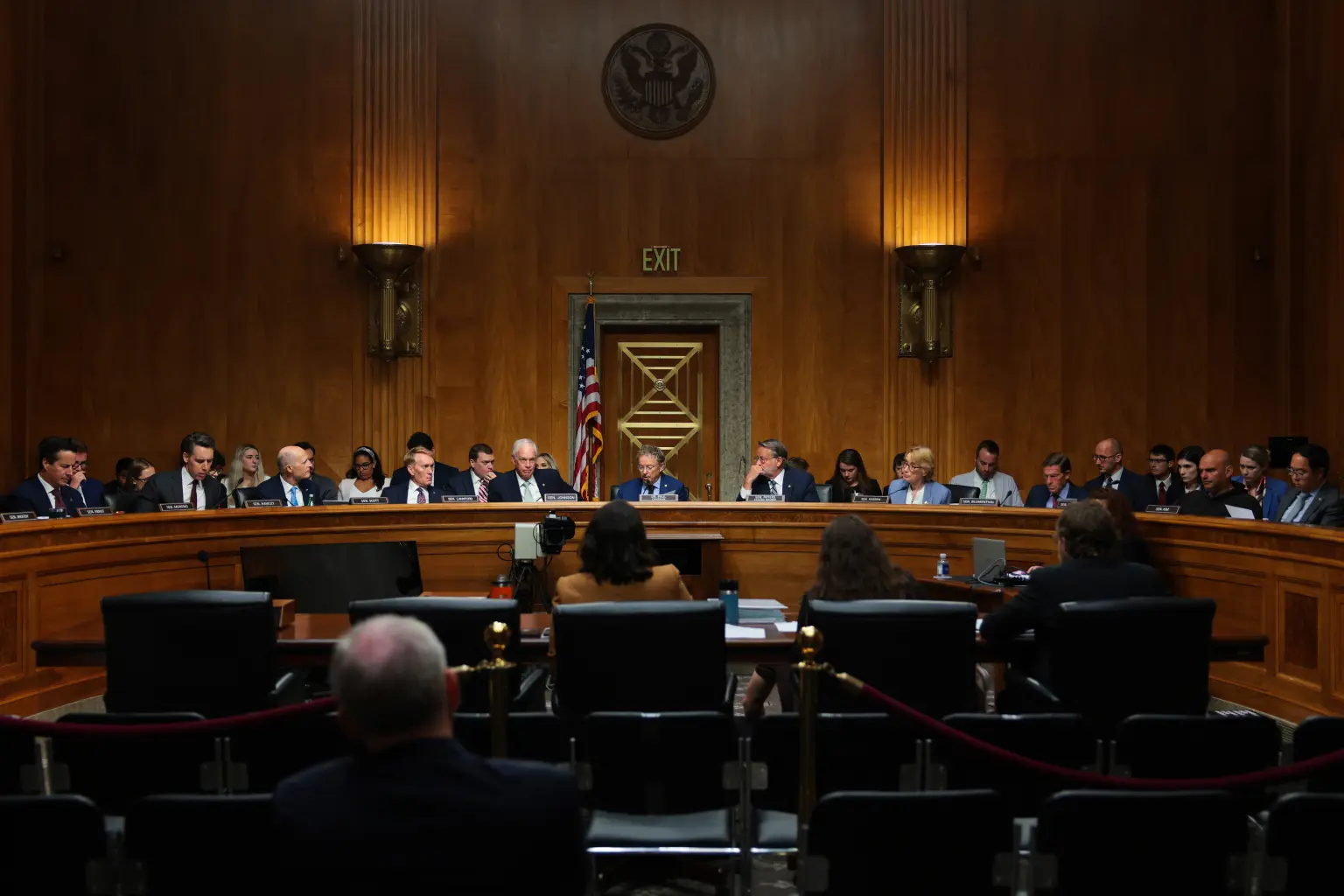
Fauci appeared before the committee on July 29 under subpoena as part of an investigation into the government’s pandemic response, COVID-19’s origins, and related research funding.
During the hearing, he invoked the Fifth Amendment more than 100 times and declined to answer questions from senators. Before doing so, Fauci criticized committee chairman Sen. Rand Paul, saying he believed the hearing was intended to build a criminal case against him.
Republicans and Democrats Clash Over Constitutional Rights
Committee Chairman Rand Paul argued that Fauci improperly relied on the Fifth Amendment because he had previously received a broad federal pardon covering potential federal offenses during much of the pandemic period.
Democrats rejected that argument, contending that witnesses may still have legitimate legal concerns—including possible state investigations or other legal exposure—and warned that punishing someone for invoking a constitutional right could discourage future congressional testimony.
Possible Next Steps
The contempt vote itself does not mean Fauci has been convicted of any offense.
Instead, it authorizes a referral for possible prosecution. Whether any criminal case moves forward will depend on how federal authorities interpret the committee’s referral and the legal questions surrounding Fauci’s Fifth Amendment claim.
Legal analysts note that any prosecution would likely face significant constitutional challenges over whether Fauci’s invocation of the Fifth Amendment was legally protected despite his federal pardon.
Legal Questions Remain
The dispute has become one of the latest political flashpoints stemming from investigations into the U.S. response to the COVID-19 pandemic.
Fauci’s attorney has argued that the contempt effort is unfounded and maintains that his client exercised a constitutional right on the advice of counsel. Meanwhile, supporters of the committee’s action argue Congress must be able to enforce subpoenas when conducting oversight investigations.
At this stage, Fauci has not been found guilty of contempt, and no criminal charges have been filed. Any further action will depend on decisions by prosecutors and, if necessary, the courts.