Why X-Men: First Class Still Feels Special — and Michael Fassbender’s Magneto Remains Its Greatest Weapon

More than any giant battle or display of mutant power, one of the moments people still remember most vividly from X-Men: First Class begins with Michael Fassbender sitting quietly in a bar.
His Erik Lehnsherr is calm, controlled and almost charming. Then the conversation turns toward the men he has been hunting, the past he cannot escape and the violence that has been simmering beneath his composure.
The tension keeps tightening until Magneto finally reveals what everyone watching has already sensed: he entered the room knowing exactly how the encounter would end.
Years after the movie’s release, that sequence continues to fuel an argument that refuses to disappear. For a sizable group of viewers, First Class is not merely one of the stronger X-Men installments. It may be the franchise’s best film—and Fassbender’s Magneto is the biggest reason why.
Magneto Is Allowed to Be More Than a Villain
What separates this version of Magneto from a conventional comic-book antagonist is that First Class spends so much time making his worldview understandable before asking audiences to fear where it leads.
Viewers repeatedly described Fassbender’s Erik as an antihero rather than a straightforward villain. He is charismatic and restrained, but beneath that control is tremendous anger. The movie does not hide the darkness inside him, yet it makes clear why that darkness exists.
That distinction matters.
Erik’s experiences have taught him to distrust authority and to reject the idea that obedience excuses cruelty. One moment discussed repeatedly by viewers comes late in the story, when Charles Xavier tries to prevent Erik from attacking men aboard military ships by arguing that they were following orders.
For almost anyone else, the phrase might sound like an appeal for mercy.
For Erik, it reaches directly into his trauma.
Viewers pointed out how quickly Charles realizes he has chosen perhaps the worst possible argument. Erik has already spent his life confronting what can happen when ordinary people surrender moral responsibility to orders from above.
The scene helps explain the ideological fracture between the two men better than another superhero battle ever could.
Charles continues to believe cooperation between humans and mutants is possible. Erik sees the same events and reaches the opposite conclusion: sooner or later, people with power will come for those who are different.
Neither friendship nor reason is enough to erase what he has experienced.
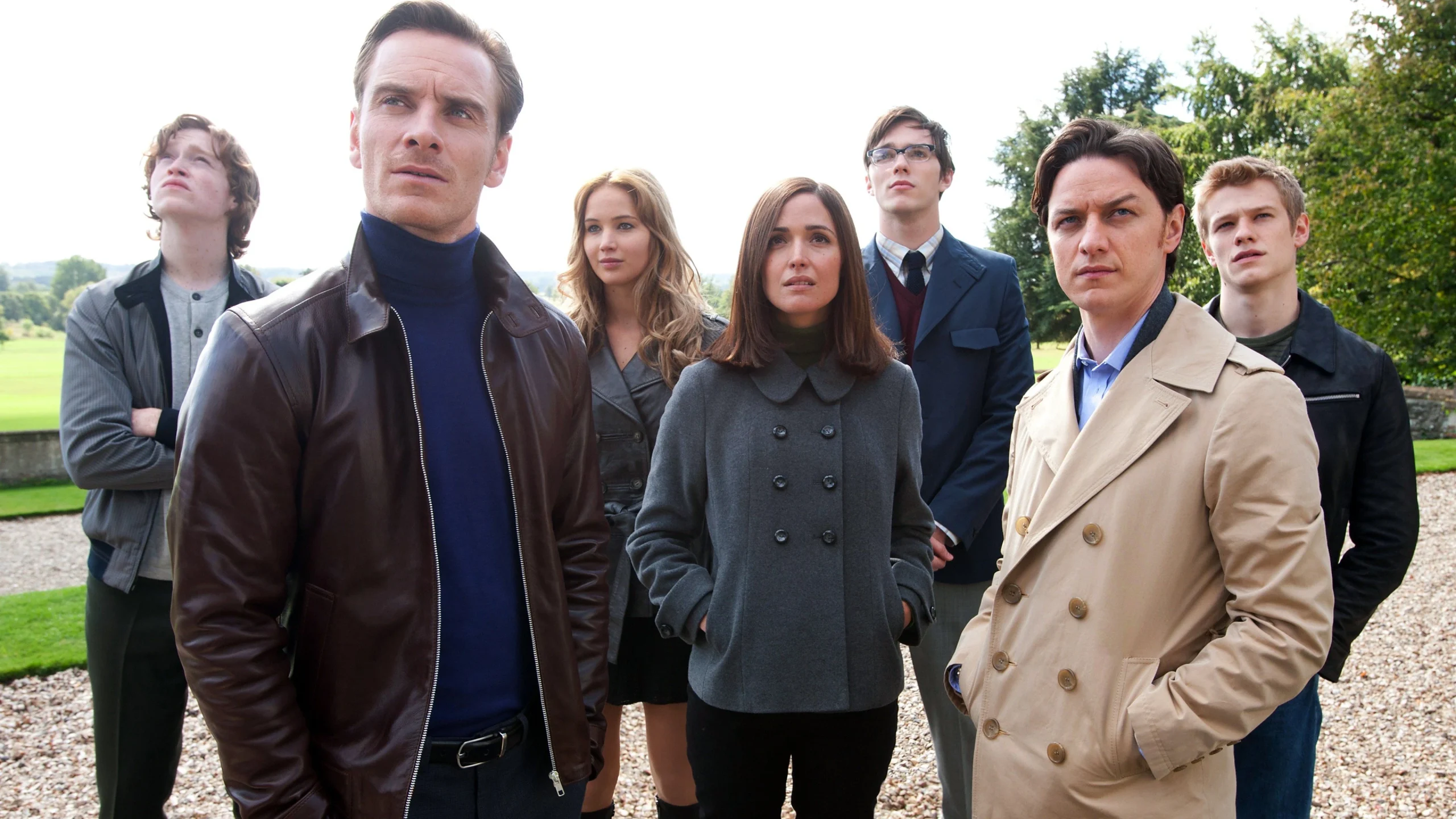
Fassbender Makes Silence Feel Dangerous
Much of the renewed appreciation for First Class centers on how Fassbender plays that conflict.
He rarely needs Magneto to shout.
In the bar sequence, viewers highlighted his German dialogue, his expressions and the slow change in his demeanor as the confrontation develops. Even small gestures—the smile before violence begins, the control of a knife, the way he delivers a toast—turn the scene into something closer to a spy thriller than a conventional superhero movie.
Several viewers compared the sequence to a Quentin Tarantino-style slow burn, while others saw something almost James Bond-like in Fassbender’s performance. More than one person came away wishing the film had abandoned the larger X-Men story entirely and simply followed Erik traveling across the world hunting the people connected to his past.
That response says a great deal about the character.
Magneto’s powers are spectacular, but they are not what makes the sequence memorable. The suspense comes from the certainty that Erik is in control long before everyone else in the room realizes it.
The metal manipulation is almost the final punctuation mark.
Fassbender has already won the scene before Magneto uses his abilities.
The Movie Found Its Strength in Erik and Charles
Fassbender is not working alone.
James McAvoy’s Charles Xavier gives the movie the opposing force it needs, while Kevin Bacon’s Sebastian Shaw provides the personal enemy driving Erik forward. One viewer called the combination of McAvoy, Fassbender and Bacon an extraordinary central cast.
The eventual confrontation with Shaw is especially important because Charles is forced into an impossible position.
He understands Erik’s desire for revenge, but he cannot accept what Erik intends to do. The sequence involving the coin becomes more than the defeat of an antagonist. It exposes the fundamental difference between Charles and Erik.
Charles believes pain does not justify becoming the person who caused it.
Erik believes allowing Shaw to live would be another form of surrender.
That disagreement becomes the emotional foundation of the larger Xavier-Magneto relationship. They can respect each other, even care about each other, while reaching completely incompatible conclusions about how mutants should survive.
The tragedy is that First Class gives both men enough humanity for audiences to understand why their friendship was possible before watching it break apart.

History Gives the Superhero Story More Weight
Another frequently praised element is the movie’s connection to the Cuban Missile Crisis.
Rather than placing its mutants inside an isolated fictional catastrophe, First Class ties their conflict to a recognizable historical confrontation. For some viewers, that grounding helped make the stakes feel larger and gave the movie a distinctive identity within the franchise.
It also complements the film’s treatment of Magneto.
Erik’s story is already shaped by historical violence, prejudice and the consequences of people deciding that another group is less worthy of protection. Placing his developing mutant ideology alongside another moment of global fear allows the personal and political portions of the story to collide.
That is why his eventual transformation feels heavier than simply watching a character put on a helmet.
Magneto is choosing a philosophy.

But First Class Is Not Without Serious Flaws
The praise is far from unanimous.
Some viewers argue that the movie has extremely high peaks surrounded by weaker material. One criticism singled out the treatment of Darwin, describing his death as both a poor use of the character and a misunderstanding of his abilities. Another viewer said that mistake alone prevented them from calling First Class the franchise’s best entry.
Others ranked X2 above it or argued that both First Class and Days of Future Past are remembered too generously because audiences focus on a handful of exceptional sequences while overlooking inconsistent writing and performances elsewhere.
That criticism may actually explain part of the movie’s enduring reputation.
First Class does not need to be perfect for its strongest material to remain powerful. Its best sequences are memorable enough to survive alongside the flaws.
And most of those sequences have one person standing at their center.
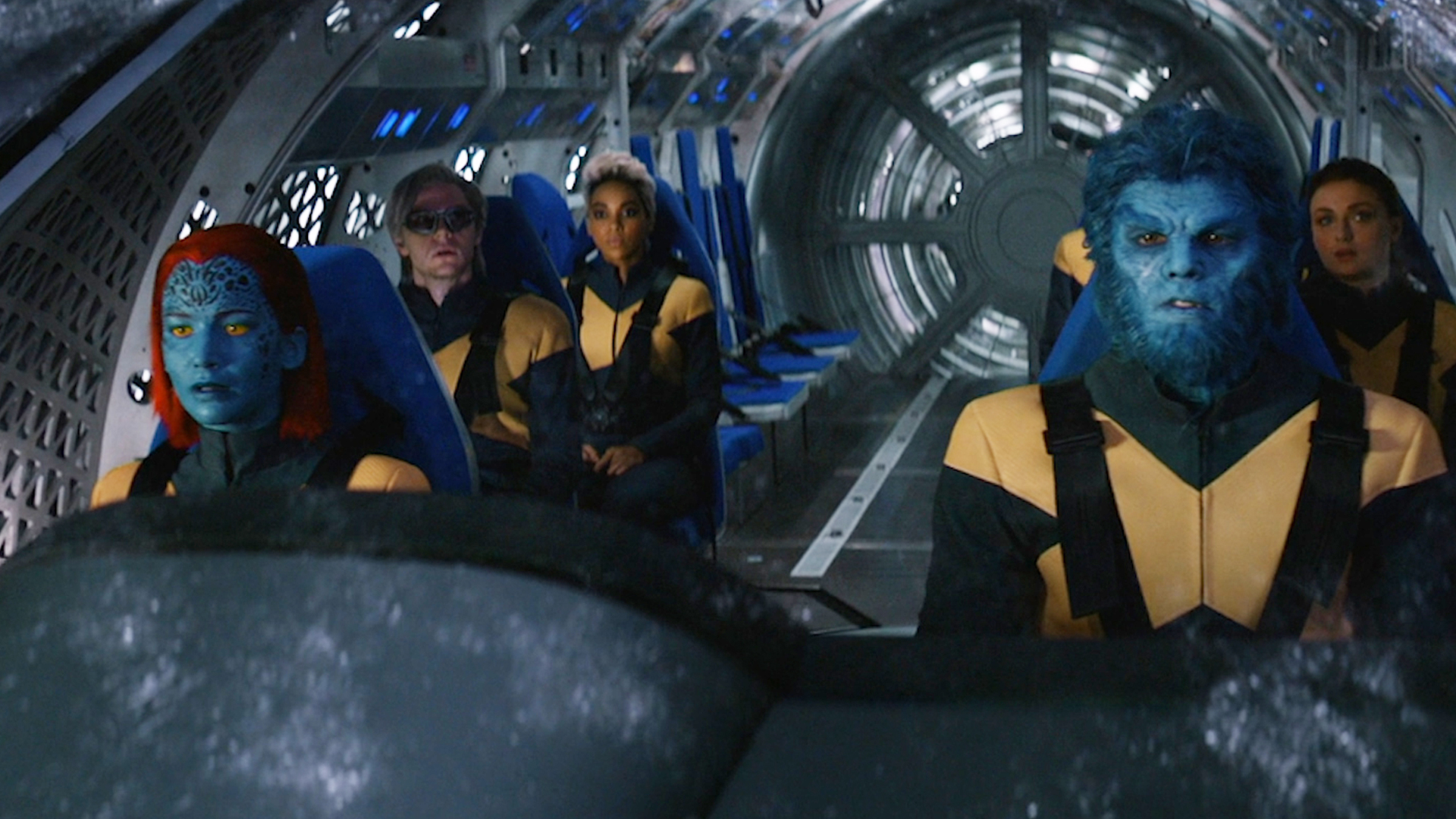
The Magneto Movie Fans Never Stopped Wanting
Again and again, viewers returned to the same fantasy: give Fassbender’s Erik his own story.
Some imagined an entire movie about Magneto hunting Nazis. Others wanted a television miniseries. One suggested pairing Fassbender’s younger Erik with Ian McKellen’s older Magneto through flashbacks and a present-day storyline.
Whether such a project ever existed in precisely the form fans remember became part of the discussion itself. Several people recalled plans or rumors involving an X-Men Origins: Magneto project, while others openly acknowledged that their memories of those plans were uncertain.
The persistence of the idea is more important than the production history.
People watched First Class and felt they had seen only part of a potentially larger Magneto story.
That is perhaps the strongest compliment Fassbender’s performance can receive.
X-Men: First Class contains Charles Xavier, Sebastian Shaw, young mutants, international conflict and the beginnings of one of comic-book cinema’s most famous rivalries. Yet more than a decade later, viewers can return to one tense conversation in a bar and immediately remember why the film worked.
Fassbender did not play Erik Lehnsherr as a villain waiting to become Magneto.
He played a wounded man whose intelligence, rage and fear gradually convinced him that becoming Magneto was the only rational choice left.
The audience may know where that road eventually leads.
First Class made them understand why he started walking it.